 Fang Wang
Let's cut to the chase. Is Xintiandi worth visiting? The short answer is yes, but with major caveats. It's not for every traveler or every budget. After countless visits over the years—for coffee meetings, fancy dinners, and just showing friends around—I've formed a nuanced opinion. Xintiandi is a polished, fascinating, but deeply commercialized slice of Shanghai. It's a successful experiment in urban preservation turned into a luxury brand. Whether you'll love it or find it soulless depends entirely on what you're looking for.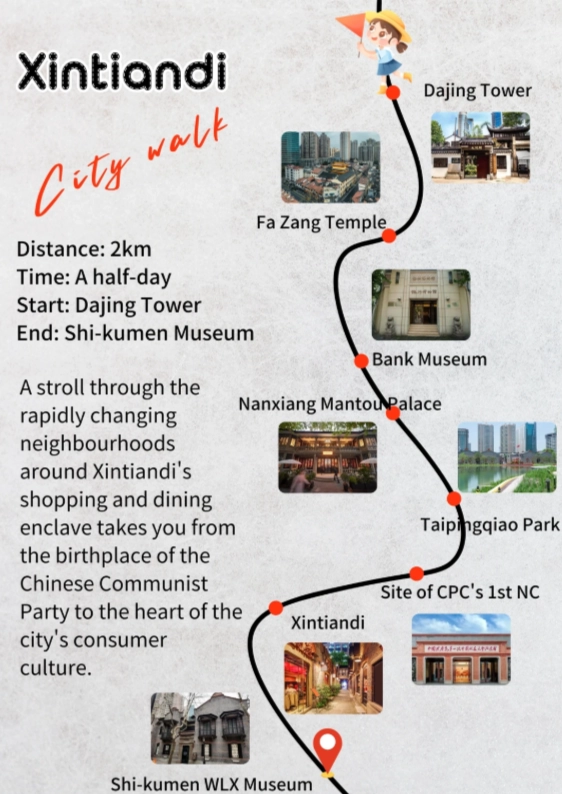
Quick Navigation
What Exactly is Xintiandi?
First, let's clarify. Xintiandi ("New Heaven and Earth") isn't one building. It's a pedestrianized district in central Shanghai's Huangpu District. The core magic—and controversy—lies in its architecture. Developers took a block of decaying, century-old Shikumen ("Stone Gate") houses, a unique Shanghai hybrid of Eastern and Western styles, gutted the insides, and preserved the historic brick-and-stone facades. Into these shells, they inserted high-end restaurants, boutique shops, cafes, and bars. The result is a visually stunning, clean, and utterly controlled environment. It's a museum of lifestyle, where history is the backdrop for contemporary spending.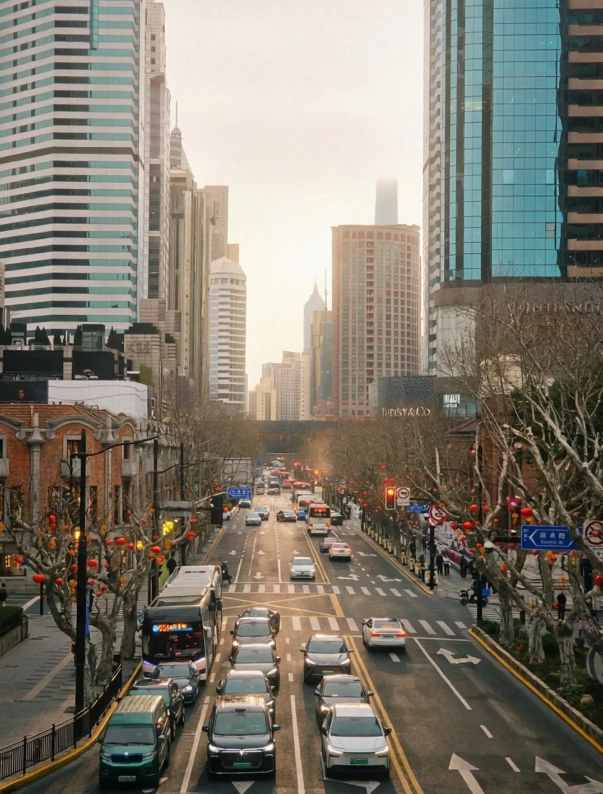
The Pros: Why Xintiandi is Worth a Visit
Immaculate Preservation of Shikumen Architecture
You simply won't see Shikumen lanes this pristine and accessible anywhere else. In the traditional longtang (alleyway) neighborhoods that remain, conditions are often cramped and dilapidated. Here, you can walk freely, admire the intricate grey brickwork, stone door frames, and black-painted wooden gates up close, without intrusion. For architecture and photography buffs, it's a gift. I always tell visitors to look up—the details in the window arches and roof tiles are remarkable.
A Culinary and Retail Powerhouse
The concentration of quality is staggering. Within a few blocks, you have outposts of world-renowned chefs, celebrated local restaurants, and chic cocktail bars. It's a reliable, if expensive, dining destination. The retail mix is similarly curated, favoring designer brands, art galleries, and concept stores over generic souvenirs.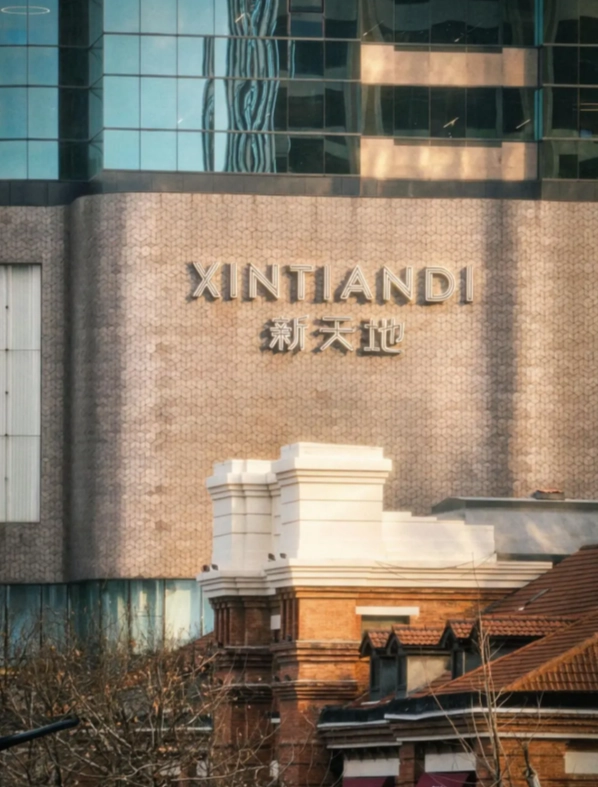
Photogenic and Walkable
Every corner is designed for a photo. The cobblestone streets, clever lighting at night, and seasonal decorations (think Christmas markets or autumn florals) make it incredibly picturesque. It's also flat, entirely pedestrianized, and easy to navigate—a relief in a city as vast and chaotic as Shanghai.
The Cons: Reasons You Might Skip It
It Can Feel Overly Commercial and Artificial
This is the most common criticism, and it's valid. The soul of the old neighborhood—the families, the chatter, the drying laundry—was completely removed. What's left can feel like a beautifully constructed film set. You're experiencing a concept of old Shanghai, not its living reality. If you crave authentic, gritty urban life, you'll be disappointed. Head to the nearby former French Concession streets or the surviving longtang near Jing'an instead.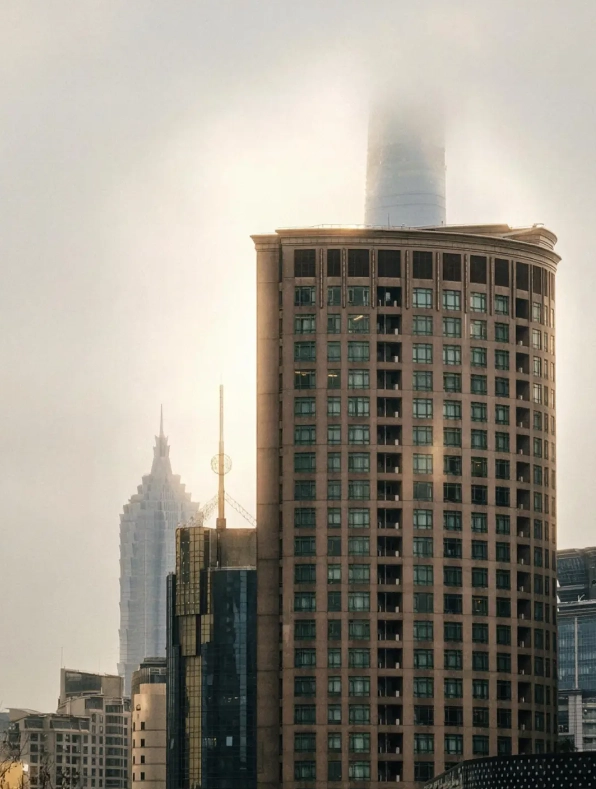
Prices Are Steep
There's no sugarcoating it. A coffee here costs nearly double what it does in a local neighborhood joint. Dinner at a nice restaurant can easily run 500-800 RMB per person without drinks. You're paying a significant premium for the location and ambiance. For budget travelers, this place is largely a look-but-don't-touch experience.
It Gets Extremely Crowded
Weekends and evenings, especially in good weather, are packed. The main squares fill with tourists and large groups. Getting a table at a popular restaurant without a reservation is a gamble. The crowds dilute the charm and make it feel more like a theme park.
Who is Xintiandi For?
This is the key question. Xintiandi is absolutely worth it for:
- First-time visitors to Shanghai with limited time who want a safe, clean, and visually impressive introduction to the city's historical aesthetic.
- Foodies and luxury shoppers who don't mind spending for a concentrated, high-quality experience.
- Business travelers looking for a convenient, impressive place to host meetings or dinners.
- Photographers seeking that perfect, iconic Shanghai shot.
You might want to temper your expectations or skip it if:
- You're on a tight backpacker's budget.
- You deeply value "authentic" and "local" experiences over curated ones.
- You dislike crowds and commercial environments.
- You have already explored Shanghai's many other historical areas in depth.
How to Get to Xintiandi
Shanghai's metro is your best friend. Xintiandi is seamlessly connected.
- Metro Line 10 or Line 13: Alight at Xintiandi Station.
- The Best Exit: For first-timers, use Exit 6 on Line 13. It deposits you right at the corner of the South Block, allowing a natural entry into the maze of lanes. Exit 1 on Line 10 puts you by the larger North Block plaza.
- Taxi/Ride-hail: You can say "Xintiandi" to any driver. A more specific address for the drop-off point is "Xintiandi North Block, Madang Road."
Pro Tip: Avoid driving yourself. Parking is limited and expensive, and the one-way streets in this area are a headache to navigate.
Practical Information for Your Visit
Opening Hours and Admission
There is no admission fee or ticket to enter the Xintiandi district itself. It's an open, public street. Individual shops, restaurants, and museums have their own operating hours.
| Venue Type | Typical Hours | Notes |
|---|---|---|
| Restaurants | 11:00 - 22:00 (Kitchens often close 14:00-17:00) | Fine dining may open only for dinner. Always check. |
| Boutiques & Shops | 10:00 - 22:00 | Hours can vary slightly by store. |
| Bars & Lounges | 17:00 - Late (often 02:00) | Nightlife peaks after 21:00. |
| Shikumen Open House Museum | 10:30 - 22:00 (Last entry 21:30) | Small fee (approx. 20 RMB). Worth it to see a restored interior. |
Getting Around Xintiandi
It's all on foot. The two main sections—North Block and South Block—are divided by Madang Road but connected by underground passages and surface crossings. Wear comfortable shoes. The South Block feels more labyrinthine and intimate, while the North Block has larger plazas and flagship stores.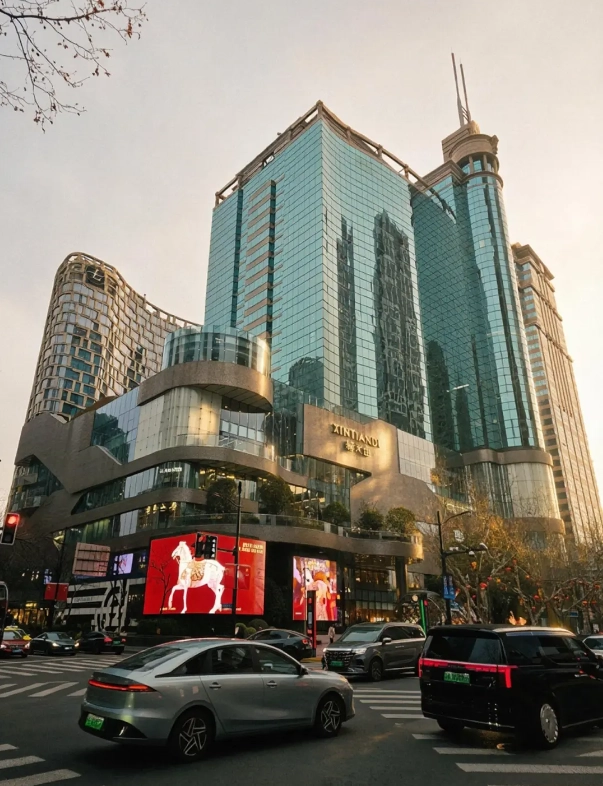
My Recommended Way to Experience Xintiandi
To get the most value and avoid the worst crowds, here's the itinerary I use when friends visit.
Morning (10:00 AM - 12:00 PM): Architecture and Coffee
Start early. Take the metro to Xintiandi Station, Exit 6. Wander the South Block lanes when they're still quiet. Peek into the Shikumen Open House Museum to understand the original layout of these homes. Grab a coffee from a local roastery—the quality here is generally high, even if the price is too. This is the best time for photography.
Afternoon (12:00 PM - 4:00 PM): Museums and Boutiques
Have lunch. You can find excellent Shanghainese xiaolongbao (soup dumplings) at upscale spots like Din Tai Fung, or explore other cuisines. Afterwards, visit the nearby Site of the First National Congress of the Communist Party of China (free, requires ID). It's a serious historical site housed in a Shikumen building, offering a starkly different narrative from the commercial gloss outside. I find the contrast fascinating. Then, browse the boutiques in the North Block.
Evening (6:00 PM onwards): Dining and Drinks
This is when Xintiandi transforms. Make a dinner reservation. For a classic experience, book a table at a restaurant with a terrace overlooking the main plaza. After dinner, the energy shifts. Bars and lounges come alive. You can enjoy a expertly crafted cocktail in a setting that blends 1920s Shanghai with 2020s mixology. It's expensive, but the atmosphere is unique.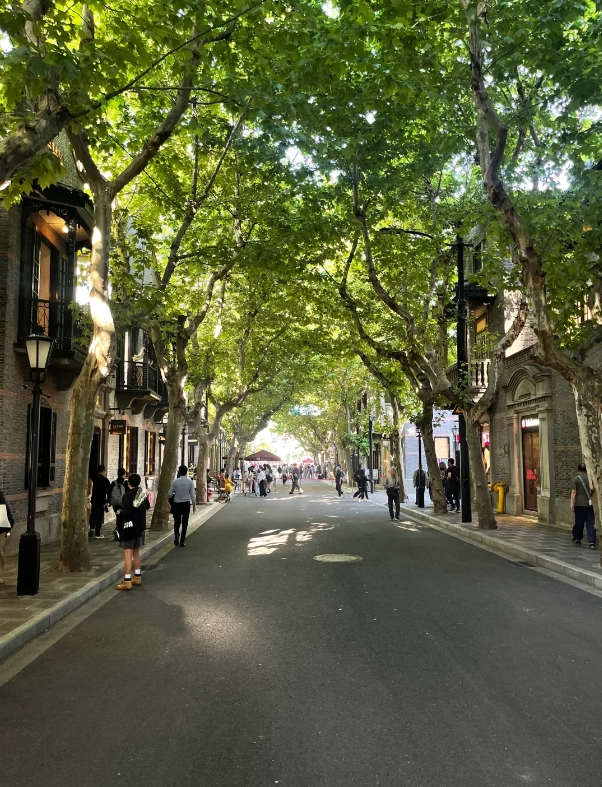
Frequently Asked Questions
What's the best time of day to visit Xintiandi to avoid crowds?
Weekday mornings, right after 10 AM when shops open. The area is least crowded between 10 AM and 11:30 AM. Saturday and Sunday afternoons are the absolute peak times I'd suggest avoiding if you dislike crowds.
Can you visit Xintiandi for free, or is it all paid entry?
You can absolutely visit for free. Walking the streets, admiring the architecture, and window-shopping costs nothing. The expense comes from dining, drinking, and shopping. The only paid attraction is the small Shikumen Open House Museum, which is inexpensive and informative.
 Is Xintiandi suitable for families with young children?
It's very stroller-friendly due to the flat, pedestrianized streets. There are open plazas where kids can run a little, and many restaurants are family-friendly. However, there aren't specific playgrounds or activities for children. It's more of an adult-oriented environment for dining and shopping.
How does Xintiandi compare to the Yu Garden Bazaar?
They're often confused but are completely different. Yu Garden (Yuyuan) features classical Chinese garden architecture, a bustling bazaar selling souvenirs and snacks, and a more chaotic, local-tourist atmosphere. Xintiandi is based on early 20th-century Shikumen housing, is meticulously curated, upscale, and international. Yu Garden feels ancient China; Xintiandi feels like 1920s Shanghai reimagined for today.
Are there any hidden gems or less crowded spots near Xintiandi?
Yes. Walk 10-15 minutes west along Taicang Road or Fuxing Road. You'll enter a part of the former French Concession with real, lived-in streets, independent cafes, and local shops. Taikang Road's "Tianzifang" alleyway complex is also nearby and offers a more artsy, bohemian, and slightly more chaotic version of the preserved-lane concept.
This guide is based on my extensive personal visits and observations. While subjective, all practical details (transport, operating hours, district nature) have been fact-checked against current, reliable sources.





Honestly one of my favorite spots in Shanghai. I visited three times during my trip because I kept discovering new things. The guide's suggestion to explore the side alleys off the main plaza was brilliant—I found a hidden rooftop bar with views over the old rooftops. At night the lanterns and jazz bars give it such a romantic vibe. Sure, it's a bit polished, but isn't that what makes it accessible? Great for solo travelers too—I met other tourists at a communal tea house. Highly recommend for a full day of exploring.
5/5 – and I'm usually picky about touristy spots. Yes, it's busy, but the energy here is contagious. I went on a Saturday afternoon and it was buzzing with families, couples, and artists sketching the buildings. The free walking tour mentioned in the guide was a game-changer—our local guide told us about the history of the alleyways and which bricks were original from the 1920s. Drinks are pricey but you can find affordable street food on the outer edges. Beautiful, safe, and perfectly walkable. Bring your camera!
Absolutely loved it! Xintiandi exceeded my expectations. The blend of traditional stone-gate houses with trendy boutiques and restaurants is simply stunning. I spent an entire afternoon just wandering the narrow lanes, taking photos, and popping into indie art galleries. The guide was super helpful—I followed the food recommendations and had the best xiaolongbao of my life at a tiny hole-in-the-wall place. Even the street musicians added to the charm. If you're in Shanghai, this is a must-see, especially at golden hour.
A solid 4 stars from me. Xintiandi is definitely worth a quick visit, especially in the evening when the lights make the shikumen buildings look magical. The guide's tip about going early morning was spot on—I had the place almost to myself for an hour. My only complaint: the souvenir shops are all repetitive and the Starbucks here is insanely crowded. Great for a photo walk and people-watching, but I wouldn't spend more than half a day here. Grab a coffee from a tiny alley stand instead of the branded ones.
I visited Xintiandi last week after reading this guide, and honestly, I was a bit underwhelmed. The architecture is nice, but it felt overly commercialized—every corner has a luxury brand or overpriced cafe. The 'old Shanghai' vibe is there but it's so polished it loses authenticity. We had lunch at one of the recommended spots and paid ¥180 for a bowl of noodles that was just okay. If you're on a budget or looking for real local feel, skip it and head to the French Concession side streets instead.
I bring all my out-of-town friends here and they always enjoy it. It's a great introduction to Shanghai's blend of old and new. The service at most restaurants is good and people are friendly. My only complaint is the lack of shade during summer—it gets really hot. But overall, a solid 4/5 for a tourist spot that locals can also appreciate.
Absolutely love Xintiandi! As a foodie, this place is heaven. From upscale French bistros to authentic Shanghainese street food stalls tucked in the alleys, there's something for every craving. Don't miss the hand-pulled noodles at Lan Ting and the egg tarts at the bakery near the fountain. The whole area is beautifully lit at night. 5 stars!
Honestly, I was a little underwhelmed. Maybe I came on a weekend and it was packed with tourists taking selfies everywhere. The architecture is nice but it felt like a curated outdoor mall rather than a genuine historical area. Coffee at one cafe was average and overpriced. It's okay if you have a few hours to kill, but I wouldn't go out of my way.
Xintiandi is definitely a nice area to explore, but I felt it's a bit too polished and touristy. Great for a afternoon stroll and some nice photo ops, but the prices at most shops and cafes are inflated compared to other parts of Shanghai. Still, the atmosphere is pleasant and the cocktail bars are fun. Worth a visit but manage expectations.
I've been to Xintiandi many times and it never disappoints. The blend of traditional Shikumen architecture with modern boutiques and cafes is just stunning. I love walking around at golden hour when the brick walls glow. Plenty of great restaurants—try the xiaolongbao at Crystal Jade. The vibe is always buzzing but not overwhelming. A must-visit for anyone coming to Shanghai!
Great for a leisurely stroll and Insta-worthy shots — the red brick walls and vintage street lamps are gorgeous. I liked the open layout and the energy. But after an hour, I felt like I'd seen everything. Many of the shops and restaurants are the same international chains you find everywhere. Still, it's a pleasant place to spend a morning or evening, just don't expect it to be uniquely 'Shanghai'.
Honestly, I didn't get the hype. It's a fancy pedestrian shopping street with overpriced cafes and crowds everywhere. I paid 58 yuan for a mediocre latte. The architecture is nice, but you can see similar lanes in the French Concession for free without the tourist markup. If you're on a tight budget, skip it. I left feeling ripped off.
As a history buff, I loved walking through the preserved lane houses and imagining life in 1920s Shanghai. There are plaques telling the story of the area, and the mix of old architecture with designer boutiques is fascinating. Yes, it's commercialized, but that doesn't take away from the cultural layers. I spent a whole afternoon here and would come back. Highly recommend for anyone interested in Shanghai's heritage.
Went for the food and wasn't disappointed. Had an amazing brunch at a French bistro — the eggs benedict were perfect. Service was great too. My only gripe is the price tag; it's definitely tourist prices. Expect to pay double what you would elsewhere in Shanghai for the same dish. Still, the quality and atmosphere make it a solid 4-star experience for me.
Honestly, Xintiandi blew me away. The restored shikumen buildings are stunning at night with the warm lights reflecting off the cobblestone lanes. There was a live jazz band playing near the fountain, and the whole vibe felt effortlessly chic. I grabbed a coffee and just people-watched for an hour — it's that kind of place. Absolutely worth a visit if you want to see how old Shanghai meets modern luxury.