 Fang Wang
You've seen the photos on Instagram. Those stark, geometric staircases cutting through concrete, the dramatic play of light and shadow in a labyrinth of ramps and bridges. The place looks like a photographer's dream. But when you're standing in Shanghai, with limited time and a million things to see, the real question hits you: Is 1933 Old Millfun actually worth the trip?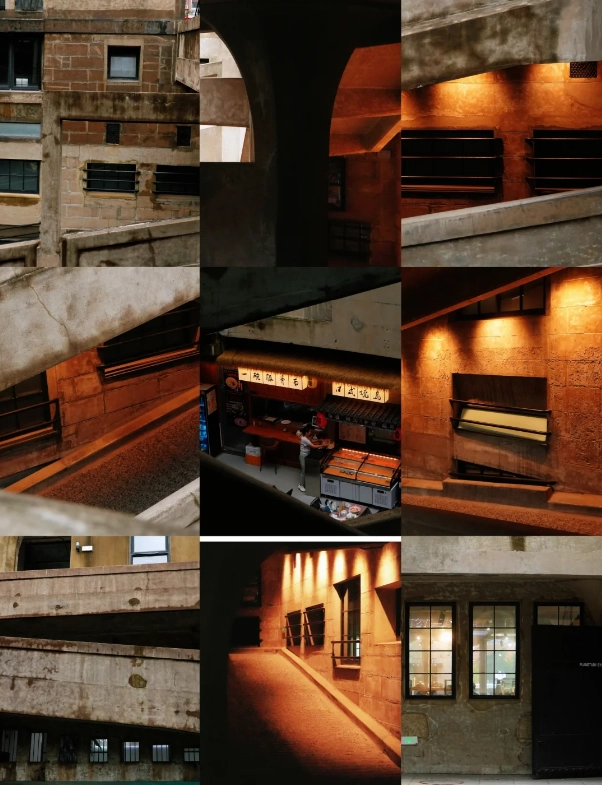
I've been there multiple times, first as a curious tourist and later while showing friends around. My short answer is a conditional yes. It's absolutely worth it if you're into architecture, photography, or want a break from Shanghai's glossy skyscrapers. But if you're expecting a bustling market or a museum full of exhibits, you'll leave disappointed. Let me break down exactly what you get, what you don't, and how to make the most of your visit.
What's Inside This Guide
- The Quick Verdict: Who Should (and Shouldn't) Go
- More Than a Slaughterhouse: The Layered History
- Architectural Highlights You Can't Miss
- Planning Your Visit: Tickets, Hours & How to Get There
- Capturing the Perfect Shot: A Photographer's Checklist
- Beyond the Walls: What's Nearby to Make a Day of It
- Your Questions, Honestly Answered
The Quick Verdict: Who Should (and Shouldn't) Go
This isn't a one-size-fits-all attraction. Your enjoyment depends entirely on what you're looking for.
Go if you: Love brutalist or industrial architecture. Have a camera and enjoy finding unique angles. Appreciate urban exploration and adaptive reuse of old buildings. Want a quiet, contemplative space away from the crowds of the Bund or Yu Garden. Are interested in a slice of Shanghai's less-glossy, industrial history.
Skip it if you: Need constant entertainment or guided exhibits. Are traveling with young children who might find the empty concrete spaces boring (or a tripping hazard). Are severely pressed for time and only want to hit the "top 5" tourist icons. Expect a lot of shopping or dining options inside the complex itself.
Personally, I find its value isn't in a checklist of things to do, but in the atmosphere. The moment you walk from the noisy Hongkou street into that central, circular atrium, the sound drops. You're surrounded by this heavy, textured concrete. It feels detached from modern Shanghai, and that's the point.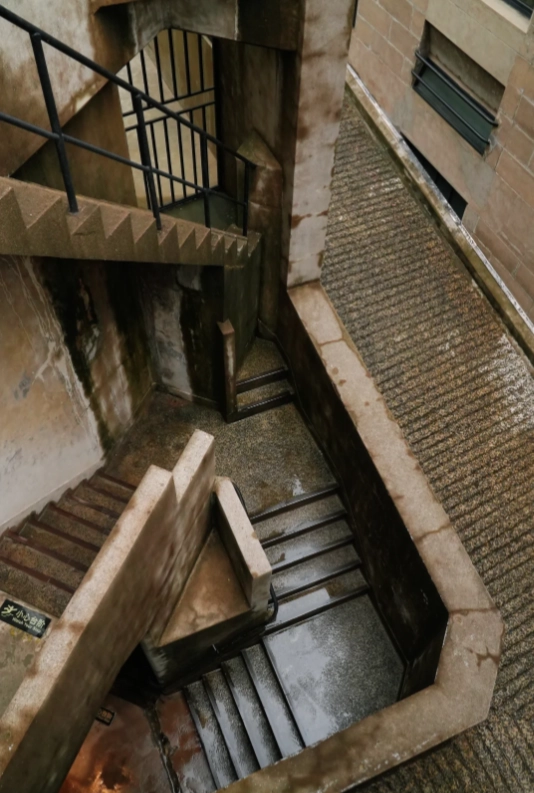
More Than a Slaughterhouse: The Layered History
Most guides will tell you it was a slaughterhouse built in 1933. That's true, but it's the tip of the iceberg and focusing only on that misses why the building is special.
It was designed by British architects and built by Chinese contractors. The design was shockingly modern for its purpose. The whole layout was engineered for a single, grimly efficient workflow. Animals would enter, move through the spiral ramps (designed to keep them calm by preventing them from seeing what was ahead), and the different floors separated the processes. What strikes me is the contradiction: such a thoughtful, almost elegant architectural solution for such a brutal function.
After closing, it sat decaying for decades. I've spoken to older locals who remember it as a forgotten, almost haunted place. Its rebirth in the 2000s as "1933 Old Millfun" (a creative rebranding from its original Chinese name, 1933 Old Millfun) is a classic Shanghai story. The city doesn't just bulldoze its past; sometimes, it repurposes it in unexpected ways. Walking through, you're not just in an art space; you're standing in a building that holds layers of the city's 20th-century history—colonial design, industrial ambition, post-industrial decay, and creative rebirth.
Architectural Highlights You Can't Miss
Don't just wander aimlessly. The building is a puzzle. Here are the key pieces to look for, based on my own explorations.
The Central Atrium & Sky Bridge
This is your first "wow" moment. Look straight up. The open space is crisscrossed by staircases and bridges that seem to float. The natural light from the glass roof creates shifting patterns on the concrete throughout the day. Around 2-3 PM is magic hour here, with long, sharp shadows.
The Spiral Ramps (The "Cow Paths")
These are the most iconic feature. There are several of these wide, sloping ramps that corkscrew from the ground floor up. They feel surreal. Running your hand along the concrete, you can feel the rough aggregate—it's not smooth, it has texture and grit. This is where you get those leading-line photos. A tip most miss: walk up one slowly and listen. The acoustics are strange, muffling street noise but amplifying footsteps from other ramps.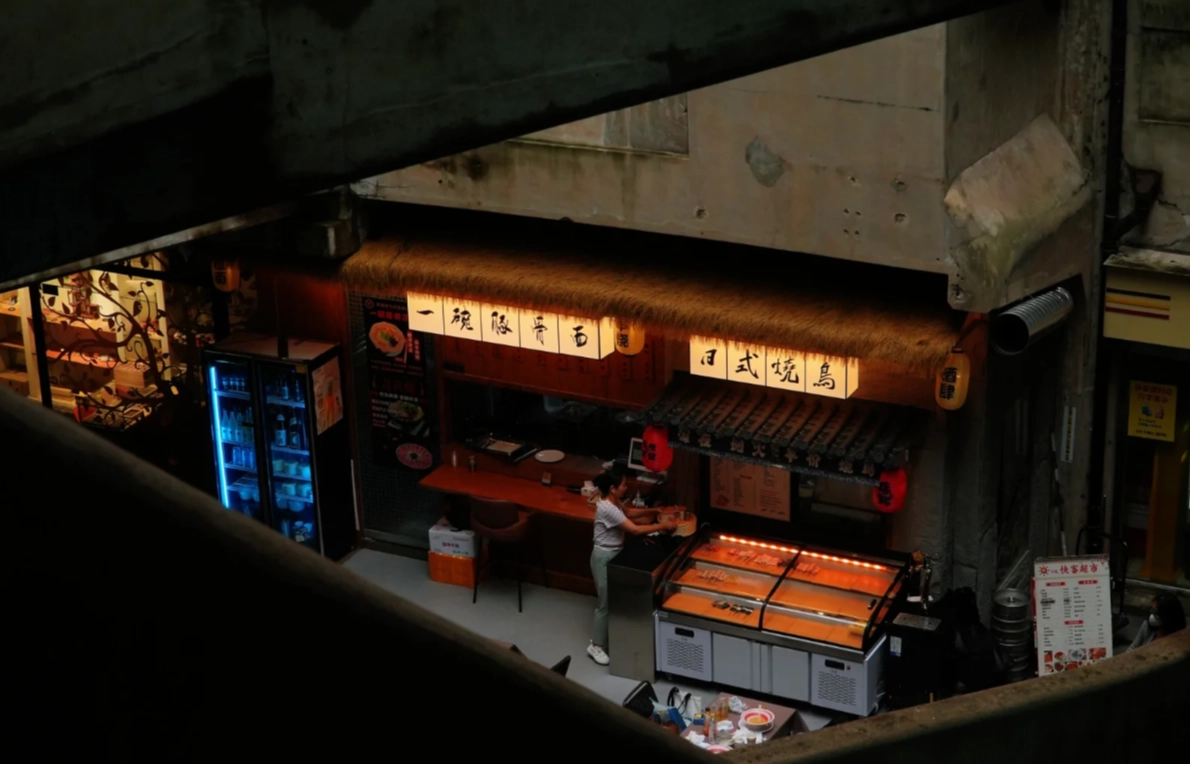
The Pillar-Free Floor
On the upper floors, find a large, open space supported only by the outer walls and a clever internal beam system. For 1933, this was an engineering feat. Today, it often hosts events or pop-up exhibitions. When empty, it feels vast and slightly eerie, a testament to the building's structural guts.
Hidden Corners and Stairwells
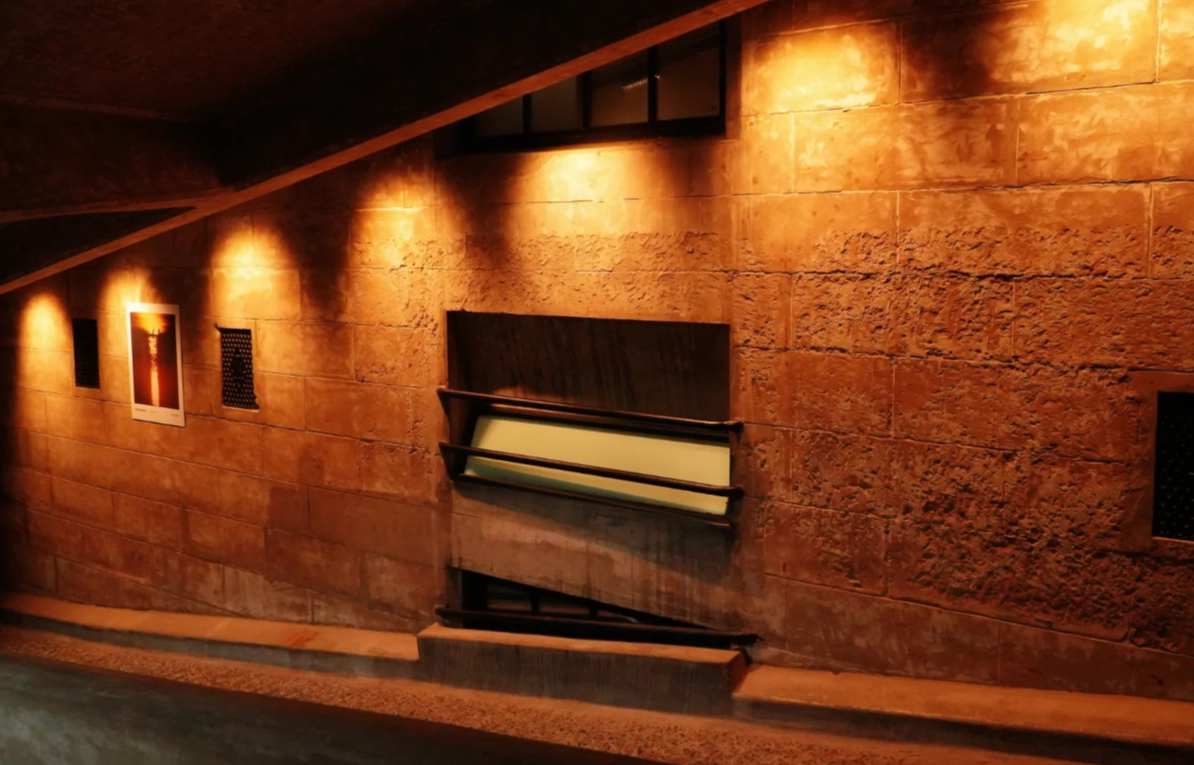
The main areas are impressive, but the real character is in the nooks. Peek into the smaller stairwells with their metal-framed windows. Look for the original, worn metal railings and the drainage channels in the floors—practical details from its past life that are now aesthetic features.
Planning Your Visit: Tickets, Hours & How to Get There
Let's get practical. Here’s everything you need to know to plan your trip.
| Detail | Information |
|---|---|
| Address | No. 611 Liyang Road, Hongkou District, Shanghai. |
| Admission Fee | Free. It's a publicly accessible building. |
| Opening Hours | The building is accessible daily from approximately 9:00 AM to 10:00 PM. Individual shops, studios, or cafes inside may have shorter hours (usually 10 AM - 8 PM). |
| Best Time to Visit | Weekday afternoons (Tuesday-Thursday) are the quietest. Weekend afternoons can see more visitors and photographers. For light, aim for a sunny day between 11 AM and 4 PM. |
| Metro Access | Line 4 or Line 10 to Hailun Road Station. Take Exit 2 or 3. It's a 10-12 minute walk. Follow signs for Liyang Road. |
| Taxi/Bus | You can tell the driver "1933 Lao Chang Fang". Several bus lines stop nearby, including routes 6, 13, 854, and 875. |
| Time Needed | For a thorough visit with photography, plan for 1.5 to 2.5 hours. If you're just quickly walking through, you can see the main areas in 45 minutes. |
A Local's Navigation Tip: The building isn't signposted well from the street. When you get off at Hailun Road metro, walk west on Hailun Road until you hit Liyang Road, then turn south (left). The building's imposing concrete facade will be on your right. Look for the main arched entrance, not the smaller shop fronts.
Capturing the Perfect Shot: A Photographer's Checklist
This is why many people come. Here’s how to move beyond the standard shots.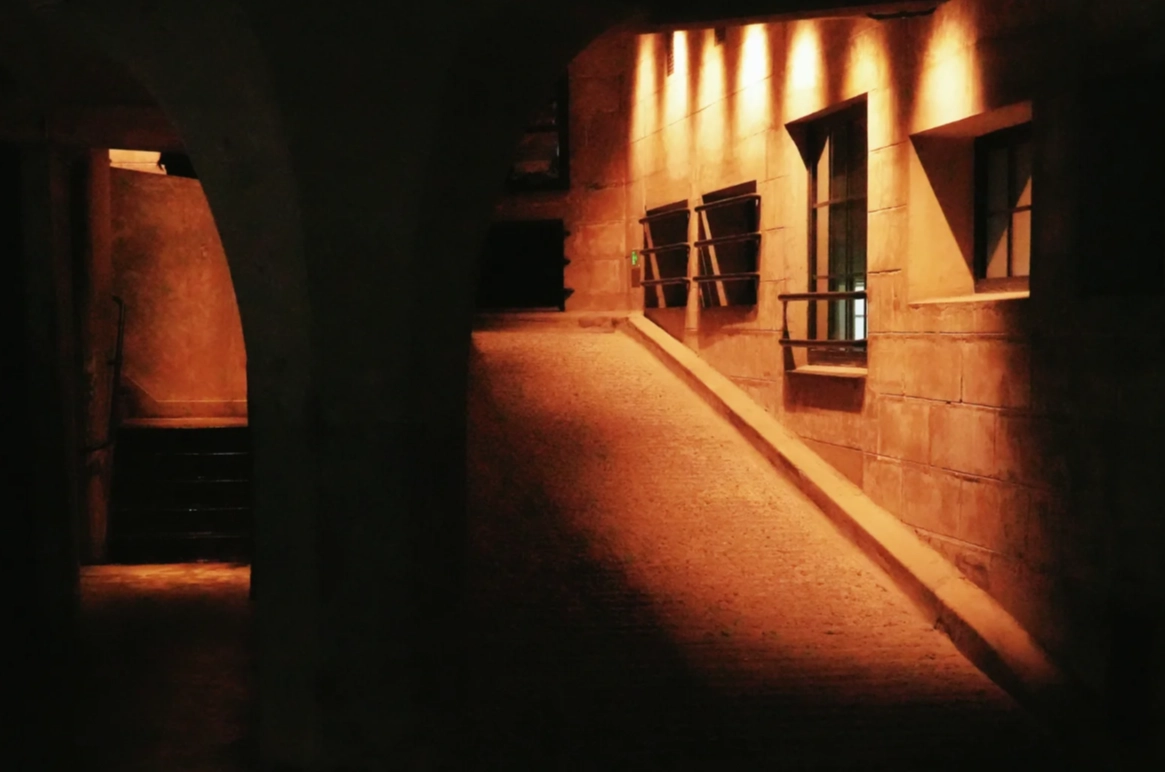
- Wide-Angle is King: A phone or a wide lens (16-35mm equivalent) is essential to capture the scale of the atrium and ramps.
- Find the Human Element: A lone figure on a bridge or walking up a ramp adds scale and mystery. Ask a friend to pose, or patiently wait for another visitor to walk into your frame.
- Play with Light and Shadow: On a sunny day, the shadows are your best friend. Capture the stark contrast. Black and white editing often works better than color here, emphasizing form over hue.
- Look for Patterns: Shoot straight up the spiral ramps for a hypnotic circular pattern. Frame the repetitive windows or the grid of the sky bridge from below.
- My Favorite Secret Spot: On the top floor, there are a few unmarked doorways that lead to tiny exterior terraces. They offer a unique, framed view looking down into the atrium or out at the surrounding residential buildings—a great contrast shot.
I made the mistake on my first visit of only bringing a portrait lens. I got some cool detail shots, but missed the grandeur. Don't be me.
Beyond the Walls: What's Nearby to Make a Day of It
1933 Old Millfun isn't near the main tourist circuit. To justify the trip, combine it with other spots in the Hongkou district.
For History Buffs: The Shanghai Jewish Refugees Museum is about a 15-minute walk away. It's in the former Ohel Moishe Synagogue and tells the profound story of Jewish refugees finding shelter in Shanghai during WWII. The two sites together create a powerful narrative of different chapters of Hongkou's international history.
For a Local Vibe: Wander the streets around Duolun Road Cultural Street (a short taxi ride away). It's quieter, lined with old European-style houses and small antique shops. It feels like a different, slower-paced Shanghai.
For Food: The immediate area around 1933 has a few trendy cafes and bistros that have moved in. For a more authentic experience, walk 10 minutes north towards the residential lanes. You'll find local noodle shops and dumpling stalls. I stumbled upon a place selling incredible shengjianbao (pan-fried pork buns) on Tanggu Road.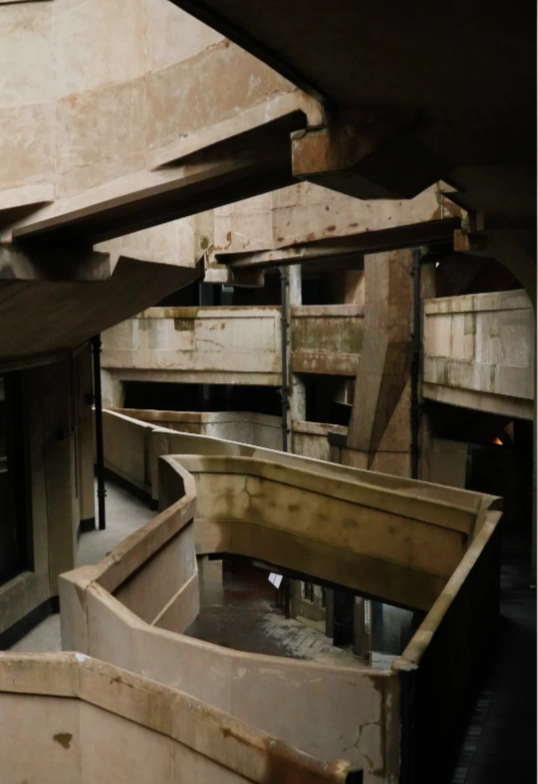
Your Questions, Honestly Answered
Is 1933 Old Millfun free to enter?
Yes, it's completely free. You just walk in. Some special art exhibitions inside the studios might charge a separate fee, but exploring the main architectural structure costs nothing.
What is the best time of day to visit for photos?
Aim for late morning to mid-afternoon on a sunny day. The sun needs to be high enough to stream through the glass roof and create those defined shadows on the ramps and staircases. Overcast days flatten the light and make the concrete look dull and gray.
Is it suitable for children or elderly visitors?
I'd be cautious. The staircases are steep, railings can be low in some areas, and the concrete floors are often uneven. There are no elevators that I could find to access all levels. For active, supervised kids it's fine, but it's not a stroller-friendly or playground-like environment. Elderly visitors with mobility issues might find the constant stairs and ramps challenging.
 Are there shops and restaurants inside?
There are a handful of design studios, art galleries, a wedding photography company, and a few cafes. It's not a shopping mall. The commercial aspect is minimal and feels a bit sporadic. Don't count on it for a major meal—grab a coffee or a light snack, but plan your main meal elsewhere.
How does it compare to other Shanghai creative zones like M50 or Tianzifang?
They're completely different. M50 (Moganshan Road) is a dense cluster of contemporary art galleries in old factory buildings. Tianzifang is a labyrinth of tiny shops, bars, and cafes in traditional shikumen alleyways. 1933 is primarily about the architecture itself. It's more austere, less commercially developed, and offers a different, more monumental experience. If you want to buy art, go to M50. If you want bustling energy and souvenirs, go to Tianzifang. If you want to feel the weight of history and geometry, come here.
Is it haunted or creepy because it was a slaughterhouse?
That's a common question. During the day, with light pouring in and the occasional visitor, it feels more austere and artistic than creepy. The history is palpable, but it's not presented in a sensational way. At night, when mostly empty, the atmosphere certainly shifts. The lighting is dramatic, and the emptiness of the vast concrete spaces can feel isolating. I wouldn't call it haunted, but it has a powerful, solemn vibe that some might find intense after dark.
So, is 1933 Old Millfun worth visiting? For the right person, absolutely. It's a unique, uncompromising piece of Shanghai's urban fabric. It won't entertain you with shows or shops. Instead, it offers a physical experience—a place to walk, look, touch rough concrete, and feel the echoes of a layered past. Go with that expectation, a camera, and comfortable shoes, and you'll find it's worth every minute.





A hidden gem! I stumbled upon 1933 Old Millfun while driving through and ended up staying way longer than planned. The atmosphere is magical—especially in the late afternoon when the light filters through the old barn windows. There's a small creek behind the mill with a little bridge perfect for photos. The homemade apple cider they sell in the café is to die for. Already planning to bring my parents next month. 10/10, would recommend.
Absolutely loved it! As a history buff, this place is a goldmine. The guided tour was super informative—our guide, Dave, knew every story behind each rusty bolt. The highlight was the old grinding stone that still works! Kids had a blast running around the open fields. The gift shop has cute vintage-style postcards. If you're looking for a low-key, authentic day out, this is it. Five stars all the way.
Hands down one of the most unique places I've visited! The 1933 Old Millfun is like stepping into a time capsule. The old water wheel still turns, and the sound of the creek is so peaceful. I spent hours wandering the grounds, taking photos of the rusted gears and wildflowers growing through the cracks. The little shop sells handmade soaps and local honey—bought three jars. Highly recommend for anyone who loves history with a touch of decay.
Solid experience overall! The old mill has a rustic charm that's hard to find these days. I loved the little museum section with the original tools and photographs—really gives you a sense of history. The outdoor area is nice for a short walk, though the paths could use some upkeep. Food truck had decent tacos. Not mind-blowing, but a pleasant afternoon stop. Worth it if you're already nearby.
I was really excited to visit the 1933 Old Millfun based on all the hype, but honestly, it fell a bit flat for me. The vintage machinery and old photos were cool for about ten minutes, but then it felt like there wasn't much else to do. The staff were polite but seemed bored. I grabbed a coffee at the café, and it was average at best. If you're in the area and have an hour to kill, it's okay. But I wouldn't plan a trip around it.
Visited with my family last Saturday. The kids loved the little petting zoo area and the old tractor display. But the main mill house was closed for 'private event' – a bit disappointing since the website didn't mention that. Still, the grounds are well-kept and there's a nice short nature trail behind the mill. Worth a visit if you lower expectations.
Came here on a rainy Tuesday afternoon and it was just magical. The mill was practically empty, so I had the whole place to myself. Sat by the fireplace with a hot chocolate and watched the raindrops hit the millpond. The staff were super friendly and let me take photos of the old machinery. Highly recommend for a quiet, reflective afternoon.
Good spot for a quick stop, but the prices are a bit steep for what you get. A slice of cake and a bottle of water cost me nearly $12. The atmosphere is nice, especially the little courtyard with the ivy, but the service was slow – waited 15 minutes just to order. Might be better for a self-guided walk rather than dining in.
Absolutely loved this hidden gem! The rustic charm is unbeatable – exposed beams, the sound of the waterwheel, and that faint smell of old wood and grain. Had a homemade apple tart that was still warm. The owner even showed us the original grinding stones. Felt like stepping back in time. 100% coming back with friends.
Had a decent afternoon here but honestly it didn't live up to the hype. The old mill aesthetic is cool for photos, but the place felt a bit run-down and the staff seemed really disinterested. Ordered a coffee and it came lukewarm. Not terrible, just… meh. Worth a quick look if you're passing by, but I wouldn't go out of my way.
Went for the evening light show and it was stunning! The projections on the old mill walls were beautifully done. The only downside was the pedestrian flow – narrow bridges got bottlenecked. Parking was also a hassle. But the atmosphere after dark is truly something special. Well worth a visit if you time it right.
Brought my two kids (ages 6 and 9) and they had a blast! The old school games area, the mini train ride, and the giant chess board kept them entertained for hours. I loved that there were shaded seating spots for tired parents. The whole place is clean and well-maintained. We’ll definitely be back!
Honestly, I was a bit underwhelmed. The place is photogenic, sure, but it felt overly crowded even on a weekday. The ticket price was steep for what you get – mostly just walking around and a few photo ops. The staff seemed tired and not very enthusiastic. Might be better for a date night but not worth the drive for me.
Pretty cool spot overall. The mini-golf course was creatively designed with old mill machinery as obstacles – very unique. My only complaint: the cafe ran out of my favorite latté by 3pm. Service was friendly but a bit slow. Still, a fun afternoon.
I absolutely loved 1933 Old Millfun! The restored mill has such a charming, rustic vibe. Walking through the old stone pathways with fairy lights twinkling overhead felt magical. The live acoustic music near the water wheel added a perfect touch. It's a hidden gem for locals and tourists alike. A must-visit!