 Ting Chen
What's Inside
Three hours after landing, my first client collapsed at the Potala Palace entrance. He was 28, fit, and had taken Diamox religiously. The paramedics said it was severe altitude sickness—his SpO2 had dropped to 72%. That day I learned the hard way: altitude sickness in Lhasa doesn't care about your age or fitness. It's a different beast.
I've been guiding foreign travelers in Tibet for over a decade. I've seen backpackers breeze through and marathon runners end up on oxygen. The problem isn't just the altitude (Lhasa sits at 3,656m / 12,000ft). It's a combination of dry air, rapid ascent (most flights arrive from sea level), and a false sense of security because Lhasa is a city with hotels and Wi-Fi. You think you're fine, but your body is screaming in a language you don't understand yet.
Here is the no-nonsense guide to surviving and enjoying Lhasa without ending up in a hospital bed. I'll cover symptoms that actually matter, prevention tactics that work, and—most importantly—what to do when you start feeling awful.
What Altitude Sickness Feels Like
Forget what you read on generic travel sites. Let me paint you a picture: a dull headache that never quite goes away, like someone is pressing a pillow against your skull. You feel nauseous after a sip of water. Walking up a single flight of stairs leaves you gasping, heart pounding. Your fingers might tingle. Some people get euphoric first, then crash hard.
Symptoms usually hit 6 to 12 hours after arrival. The most common ones (in order of frequency):
- Headache (90% of cases)
- Loss of appetite and nausea
- Dizziness or lightheadedness
- Fatigue and weakness
- Difficulty sleeping (frequent waking, strange dreams)
- Shortness of breath even at rest
Why Lhasa Hits Harder Than Other High Places
I've been to Cusco (3,400m) and La Paz (3,640m). Lhasa is different. The air is extremely dry—relative humidity often below 30%. Your body dehydrates faster without you noticing. Plus, most tourists fly directly to Lhasa from cities like Beijing or Chengdu (altitude ~500m). That's a 3,000m jump in a few hours. Your body has no time to acclimatize.
Another factor: physical activity. You're excited, so you walk around Barkhor Street, climb to the Potala, maybe even hike to Drepung Monastery. That extra strain hits exactly when your oxygen-starved body needs rest.
Lastly, many hotels in Lhasa do not have pressurized oxygen rooms (a common feature in higher-end hotels in Peru). Unless you book specifically, you're sleeping at 3,600m with no supplemental oxygen.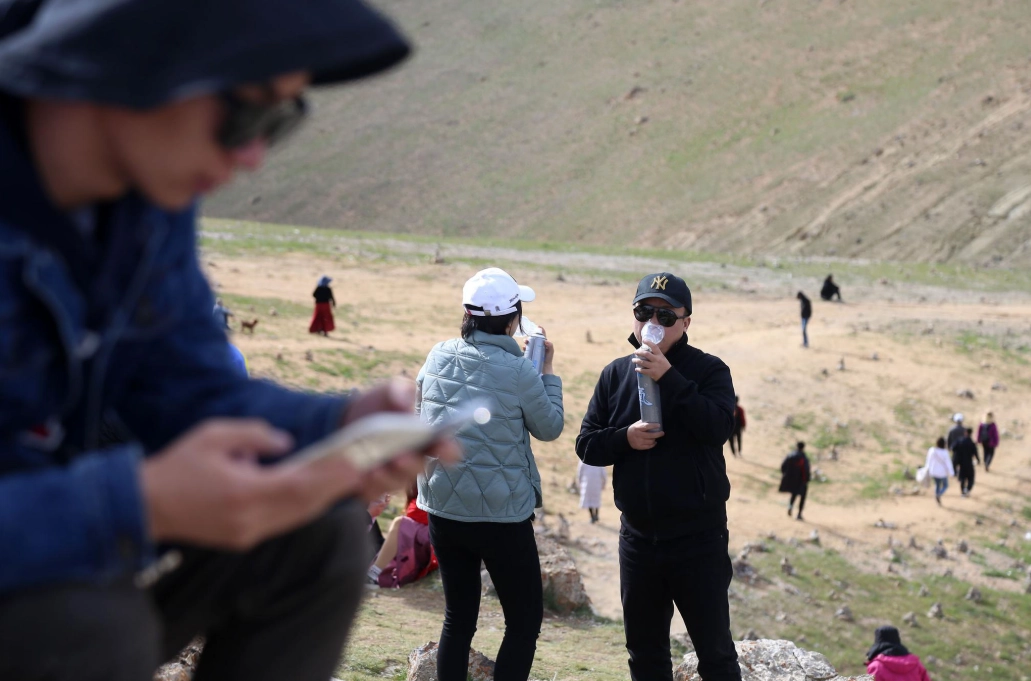
Prevention Before You Fly
Start taking acetazolamide (Diamox) 24 to 48 hours before landing in Lhasa. The standard dose is 125 mg twice daily. Some doctors prescribe 250 mg. I always tell my clients to test it at home first—some people get tingling fingers or a metallic taste (harmless but annoying).
Also: avoid alcohol and sleeping pills for at least 48 hours before arrival. Alcohol messes with your breathing during sleep, making oxygen levels drop even lower. Sleeping pills suppress your respiratory drive—bad idea.
Your First 24 Hours in Lhasa: The Golden Rule
Here is the single most important piece of advice: do nothing. I know you want to see the Potala Palace immediately. Resist. Your itinerary for day one should look like this:
- Arrive, check into hotel, lie down for 30 minutes.
- Walk slowly (crawl speed) to a nearby restaurant, eat a light meal (soup, noodles, avoid heavy meat and butter).
- Drink at least 2 liters of warm water throughout the day. Add a pinch of salt to one bottle to keep electrolytes balanced.
- Take a short, flat walk around your hotel area—no stairs, no slopes.
- Skip the shower. Hot showers open your blood vessels and can cause a sudden drop in oxygen saturation. I've seen people faint in the bathroom.
- Sleep with your head slightly elevated (two pillows).
On day two, you can start sightseeing, but keep each activity under two hours with rest breaks in between. Climbing the Potala Palace? Climb slowly—stop every ten steps to catch your breath. It sounds silly, but I've had clients who tried to power through and ended up vomiting at the top.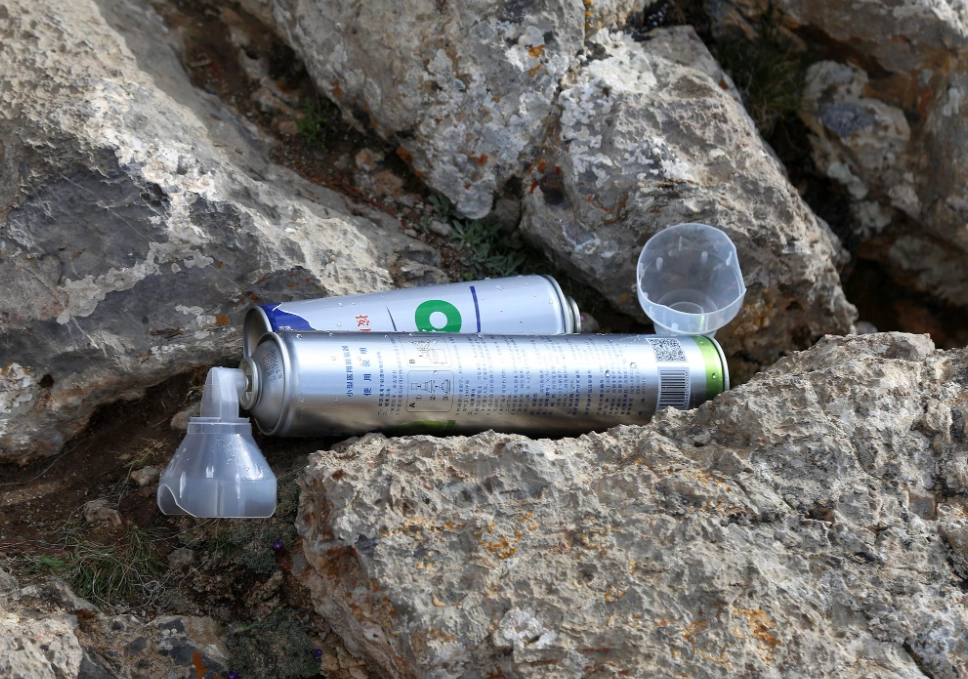
Medication & Oxygen: What Works
| Intervention | Effectiveness | Notes from My Experience |
|---|---|---|
| Acetazolamide (Diamox) | Highly effective for prevention | Start 24-48h before. Does not cure symptoms once they appear, but reduces severity. |
| Ibuprofen or Paracetamol | For headache relief only | Does not treat the underlying lack of oxygen. Use sparingly. |
| Oxygen canisters (portable) | Immediate temporary relief | Buy at pharmacies around Barkhor Street (~30-50 RMB per can). Best for sleeping or severe headache. |
| Dexamethasone (steroid) | For severe cases only | Requires prescription. Used for HACE (cerebral edema). Do not self-medicate. |
Local Tibetan Remedies: Do They Work?
Tibetan doctors (amchis) have been dealing with altitude for centuries. The most common remedy is a tea made from Rhodiola rosea (Tibetan: *sro lo*). Many hotels serve this. I've tried it myself—it gives a slight energy boost but is not a substitute for proper acclimatization. Another is *tsampa* (roasted barley flour) mixed with butter tea. It's heavy, but locals swear it stabilizes the body. If your stomach can handle it, go ahead.
But here is my honest take: these are cultural practices, not evidence-based medicine. They won't hurt, but don't rely on them if you feel truly unwell.
When to See a Doctor
Do not wait until you collapse. Go to a clinic if:
- Your headache does not improve with rest and 1-2 painkillers after 4 hours.
- You feel disoriented or have trouble with simple tasks (e.g., finding your hotel key).
- You cannot keep liquids down due to vomiting.
- Your oxygen saturation (if you have a pulse oximeter) is below 80% at rest.
Where to go: The Tibet Autonomous Region People's Hospital (TAR Hospital) on Linkuo Road has a dedicated altitude sickness clinic. They speak some English and are used to treating foreigners. Another option: the Qinghai-Tibet Railway Station Medical Center (smaller but equipped for basic cases).
One piece of advice that sounds harsh but is true: if your symptoms are severe, the only real cure is descending. That means going to a lower altitude, even if it's just to Gyantse (3,950m? Actually Gyantse is similar—better to go to Shigatse at 3,800m or, ideally, to lower elevations like Chengdu). I've driven clients down the Friendship Highway overnight. It saved them.





As someone who got hit by altitude sickness hard in Namtso, I appreciate how this article doesn't sugarcoat the risks. The emergency action plan (descend immediately if confusion sets in) is something every guidebook should print in bold. Perfectly balanced between prevention and treatment. Helped me prep my itinerary with proper rest days. 5 stars.
I wish I had found this before my first trip to Lhasa! The part about avoiding hot showers on day one is so true—my friend ignored it and ended up with severe shortness of breath. The tips on pulse oximeter thresholds gave me real peace of mind. Clear, practical, and straight from experience. Can’t recommend enough. 5 stars.
This guide saved my trip! I followed the tip about starting a low dose of acetazolamide three days before departure, and I had zero headaches in Lhasa. The breathing exercise suggestion during the first 24 hours was a game changer. Shared it with our whole trekking group. Absolutely mandatory reading for anyone going above 3,000m. 5 stars.
Pretty solid overview for first-timers heading to Lhasa. I liked the emphasis on Diamox timing and the specific warning about sleeping altitude vs. day altitude. Would have loved a section on traditional Tibetan remedies (like garlic or butter tea) since some friends swear by them. Overall, a good, safe read with no fluff. 4 stars.
Honestly, I was really hoping this article would cover more about how to actually source oxygen canisters in Lhasa once you're there. The tips on gradual ascent and hydration are basic and found anywhere. Felt a bit thin for a 'pro tips' piece. 3 stars because the symptom list is accurate, but I expected more actionable local advice.