 Wei Zhang
What's Inside
I still remember the first time I stepped off the plane at Lhasa Gonggar Airport. My heart was racing — partly from excitement, partly from the thin air at 3,650 meters. Over the years, I've led dozens of groups through this holy city, and I've refined a classic Lhasa itinerary that balances culture, comfort, and that sense of wonder.
This 4-day plan is what I use for first-timers. It hits the iconic spots without turning you into a zombie from altitude sickness. Let me walk you through it.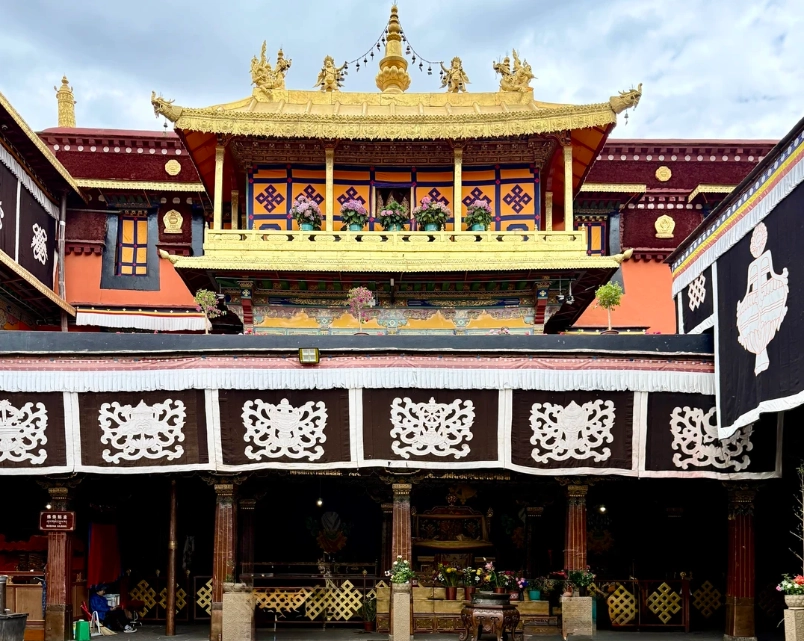
Why This 4-Day Classic Lhasa Itinerary Works
Most travelers underestimate the altitude. They try to cram the Potala Palace and Jokhang Temple into Day 1 — big mistake. I've seen people puking in the middle of the Barkhor circuit. My itinerary builds in rest, uses afternoons for lighter activities, and saves the most strenuous climb (Potala) for when you're halfway adapted.
Here's the big secret: acclimatization is not optional. Even if you're fit, the body needs 24–48 hours. So Day 1 is mostly about chilling and hydrating.
Day 1: Arrival & Acclimatization
Morning: Fly into Lhasa (prefer morning flights). From the airport, you have two options: taxi (around ¥200 fixed) or airport shuttle (¥30 per person) to the city center. The shuttle drops you near the Post Office, close to most hotels.
Check into your hotel. I recommend Lhasa Mandala Hotel (address: 8 Minzu South Road) for its oxygen supply in rooms — a lifesaver. Price around ¥350–500 per night. They have English-speaking staff and stable WiFi.
Afternoon: Do absolutely nothing strenuous. Walk slowly around the Barkhor Street area, but don't enter temples yet. Grab lunch at Snowland Restaurant (address: Barkhor South Street) — try the yak butter tea (creamy, salty, an acquired taste) and momos. Their menu has pictures and English descriptions, and they accept WeChat Pay (international cards sometimes work, but don't count on it).
Evening: Early dinner at Tibet Kitchen (address: 7 Dowa Lane) — the Tibetan curry with rice is gentle on the stomach. Then head back to the hotel. Drink plenty of water. I tell my groups: no alcohol, no heavy exercise, and take slow deep breaths.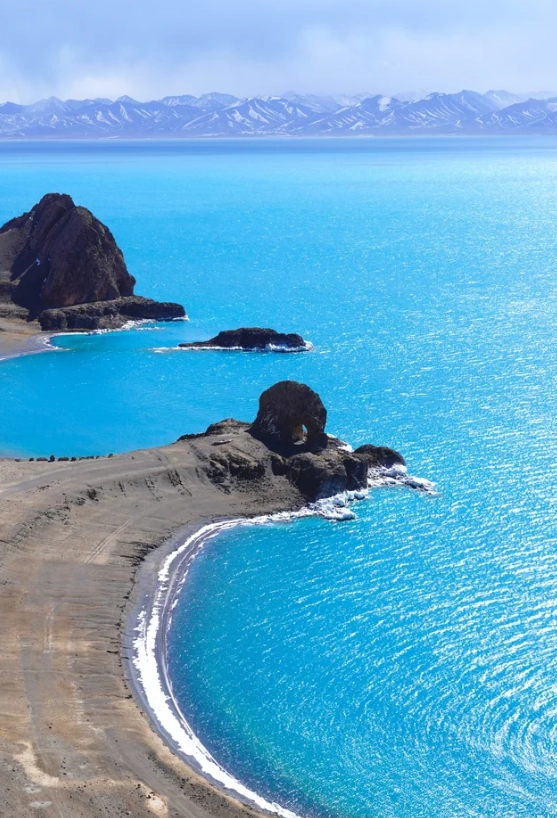
Day 2: Potala Palace & Jokhang Temple
Morning: Potala Palace
Start early — your ticket has a specific entry time. I book tickets via WeChat mini-program “布达拉宫官方平台” at least a week in advance. During peak season (May–Oct), tickets are ¥200 (adult), ¥100 (student). Off-season (Nov–Apr) ¥100. Note: no senior discount for foreigners, but kids under 1.2m free.
Address: Beijing Middle Road. The nearest bus stop is “Potala Palace” on routes 1, 6, 12. From my hotel, it's a 15-minute walk. But here's my tip: don't take the main front steps — they're steep and exposed to sun. Instead, enter from the east gate (walk around the left side of the white wall). Less crowd, and you'll pass the old “Wenba” stele.
Once inside, you'll climb — 108 steps (count them!). I always warn my groups: “Go at a snail's pace. Rest at every landing.” There are benches, but they're seldom mentioned in guides. The palace interior is a maze of chapels and tombs. Allow 2.5–3 hours. Best photo spot: outside the Red Palace, facing east, around 10am.
Lunch: Shambhala Restaurant (address: 10 Barkhor Street) — distance from Potala: 20 min walk or 5 min taxi (¥10). They serve excellent thukpa (noodle soup) — perfect for refueling.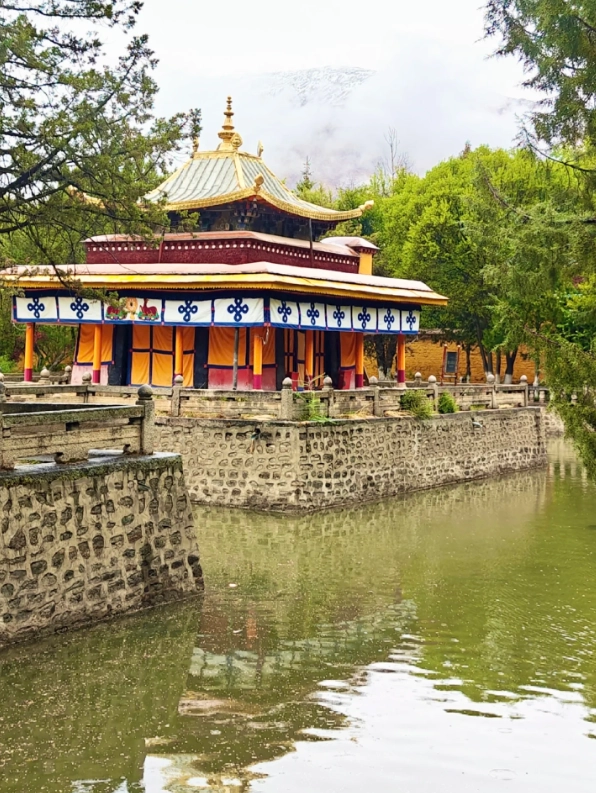
Afternoon: Jokhang Temple
From 1pm to 3pm, the courtyard is quieter. Ticket: ¥85, buy at the ticket office (no reservation needed, but passport required). Address: Barkhor Square. Best approach: walk clockwise around the Barkhor circuit, then enter through the west gate.
Inside, you'll see the famous Jowo Shakyamuni statue — the most revered in Tibet. No photography inside the main hall. The rooftop gives a stunning view of Potala in the distance. Allow 1.5 hours. Afterward, join the pilgrims doing kora (circumambulation) around the temple — follow the crowd clockwise. It takes about 30 minutes and is surprisingly meditative.
Evening: Dinner at Tsampa Restaurant (address: 1 Jiri Er Alley) — Tibetan fusion with a relaxed vibe. I always order their “yak steak” (tender, not gamey) and a pot of sweet butter tea. Prices around ¥80–120 per person. Then back to hotel — you'll be tired, but day 3 is lighter.
Day 3: Sera Monastery & Barkhor Street
Morning: Sera Monastery (9am–12pm)
Take a taxi from city center — about ¥20, 20 minutes. Address: 2 Sera Road. Ticket: ¥50, buy at entrance. The highlight is the monks' debate, which starts around 3pm (but I recommend going in the morning first, then coming back after lunch). Actually, most tourists do the opposite and get stuck in crowds. My trick: visit the debating courtyard at 9am when it's empty, explore the temples, then return at 3pm for the real debate.
The debate is dramatic — monks clap and shout, testing each other on Buddhist logic. It's in Tibetan, but you don't need to understand to feel the energy. Sit on the benches under the trees. The debate lasts about an hour. After that, climb the hill behind the monastery for a panoramic view of Lhasa valley.
Lunch: Mindrolling Restaurant (just outside Sera) — simple noodles. Or better, bring a packed lunch from your hotel.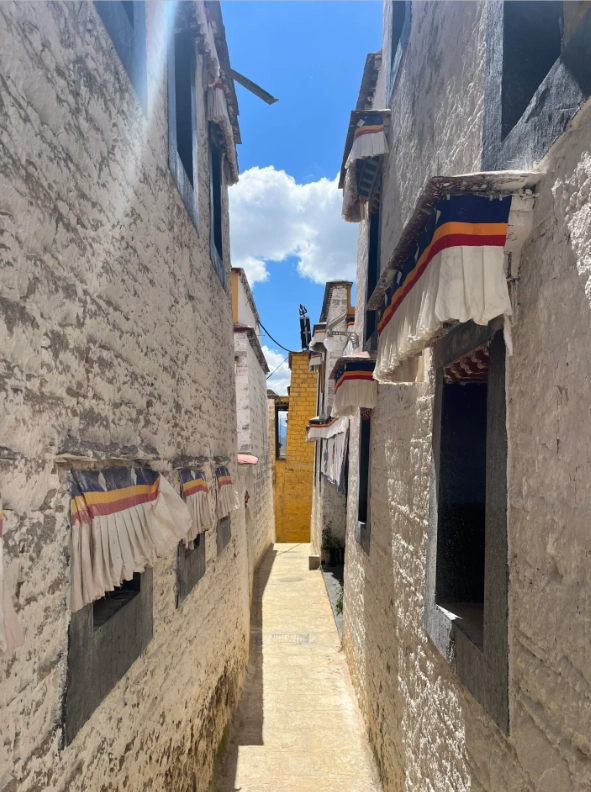
Afternoon: Barkhor Street & Local Market
This is your chance to shop. Barkhor Street is a circular market around Jokhang. Bargain hard — I start at 30% of the asking price. Look for: prayer flags, singing bowls (check they have good resonance), and Tibetan turquoise jewelry. Avoid “antique” thangkas — 99% are new.
If you have energy, visit the Norbulingka Palace (Summer Palace of Dalai Lama) — it's a 15-minute taxi from Barkhor (¥15). Ticket ¥80, open until 5:30pm. It's large and grassy, good for a leisurely stroll.
Evening: Watch the Potala Palace night view from the square in front. The lights come on at sunset and last till 10pm. The reflection on the adjoining pond is a classic photo.
Day 4: Namtso Lake Day Trip (Optional)
If you're feeling adventurous and your body has adapted, I highly recommend a day trip to Namtso Lake — about 4 hours drive from Lhasa. Book through Trip.com or your hotel — expect ¥400–500 per person (including transportation, English-speaking guide, and lunch).
Crucial info: The road reaches 5,190 meters at the pass. Altitude sickness can hit hard. I only recommend this if you've been fine for 3 days. Bring oxygen cans (¥20 at pharmacies), warm jacket (it's windy even in summer), and sunglasses. The lake is mesmerizing — turquoise water, snowy peaks, and wild yaks. Stay at the lake for about 2 hours. Return to Lhasa by 7pm.
Alternative Plan B: If you're not up for a high-altitude lake, spend Day 4 visiting the Tibetan Traditional Art Museum (address: 35 Lingshui West Road, free entry, closed Mondays) or take a cooking class at Lhasa Cooking School (learn to make momos).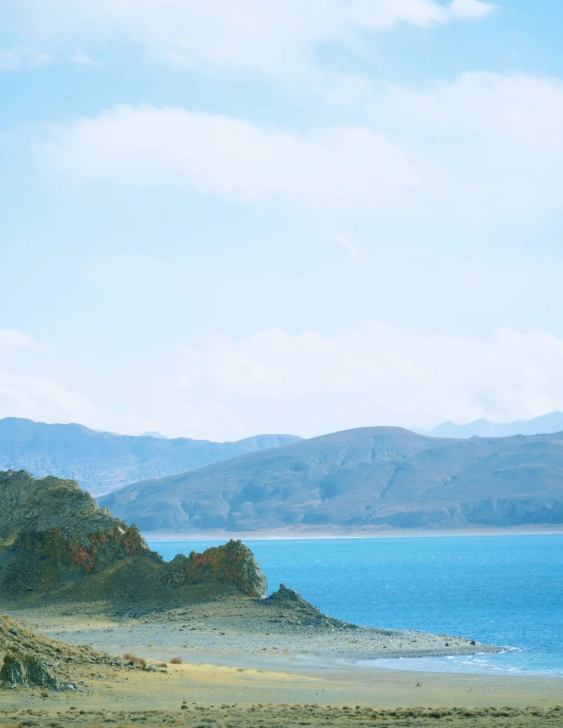
How to Avoid Altitude Sickness in Lhasa
Let me be blunt: most people feel some symptoms — headache, nausea, fatigue. Here's what works:
- Medication: Start taking acetazolamide (Diamox) two days before flying and continue the first 2–3 days. Prescription required. I buy mine from a local pharmacy in Chengdu before departure.
- Hydration: Drink at least 3 liters of water per day. Add electrolyte powder.
- Oxygen: Many hotels have oxygen dispensers in rooms (use generously). You can also buy cans.
- Avoid: Hot showers (they dilate blood vessels and worsen symptoms), walking fast, alcohol, and heavy meals.
- When to worry: If you're confused, can't walk straight, or have a severe persistent headache — go to the Lhasa People's Hospital (address: 20 Tanbei Road) for oxygen therapy.
I had one client who ignored my advice and climbed Potala stairs in the first 24 hours. He collapsed at the top. Don't be that person.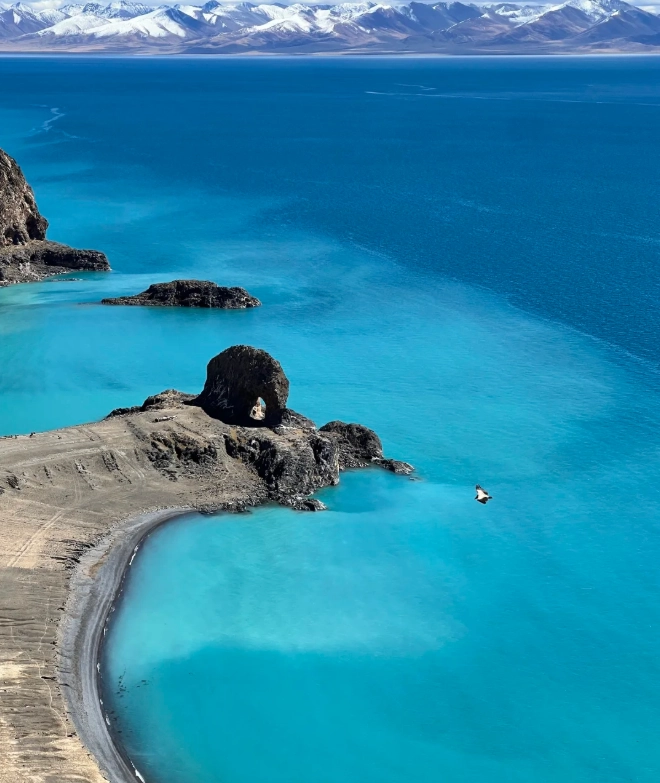
Practical Tips for Your Lhasa Trip
| Item | Detail |
|---|---|
| Visa & Permits | Foreigners need a Tibet Travel Permit (TTP), obtained through a registered tour agency. You cannot travel independently in Tibet. Book a tour that includes this classic Lhasa itinerary, or arrange a private guide (about ¥800–1000 per day). |
| Best Time to Visit | April to October. July–August is peak (warm but rainy). September–October offers clear skies and crisp air. November–March is cold and many hotels close. |
| Money | Cash is king. Some hotels and restaurants accept WeChat Pay (requires Chinese bank card). International credit cards are rarely accepted. Bring enough RMB from your home country or exchange at Bank of China in Lhasa. |
| Packing Essentials | Sunscreen (SPF50+), lip balm, thermal underwear (even in summer nights), comfortable walking shoes, a power bank (outlets are standard CN plug), and a headlamp (some areas dark). |
| Transportation within Lhasa | Taxis are cheap (¥10–20 within city). No Uber. Didi works but limited English. Buses are crowded and routes confusing – stick to taxis. |
Frequently Asked Questions
Verified and fact-checked by the editorial team.





No comments yet.