 Wei Zhang
What You'll Find Here
I've been guiding travelers through Lhasa for over a decade. And every single time I walk into Jokhang Temple, I see the same mistake: people arriving at the worst possible hour, overwhelmed by queues, dizzy from the altitude, and missing the real magic. So let me save you that headache. Here's exactly when to visit—based on weather, crowds, light, and local rhythms.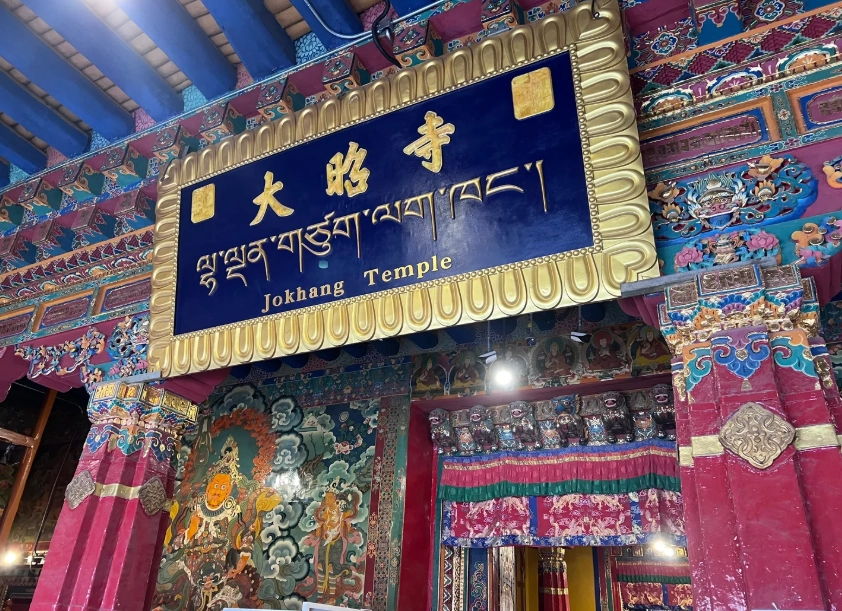
Why Timing Matters More Than You Think
Jokhang isn't just a tourist site—it's the spiritual heart of Tibet. Pilgrims travel for weeks to prostrate here. Tourists flock from all over the world. The temple is compact, so every square meter gets packed. Go at the wrong time and you'll spend 45 minutes in a security line under the brutal Lhasa sun (which is strong even at 15°C). Go at the right time and you'll have the Barkhor Kora almost to yourself, the chanting sounding exactly like you imagined.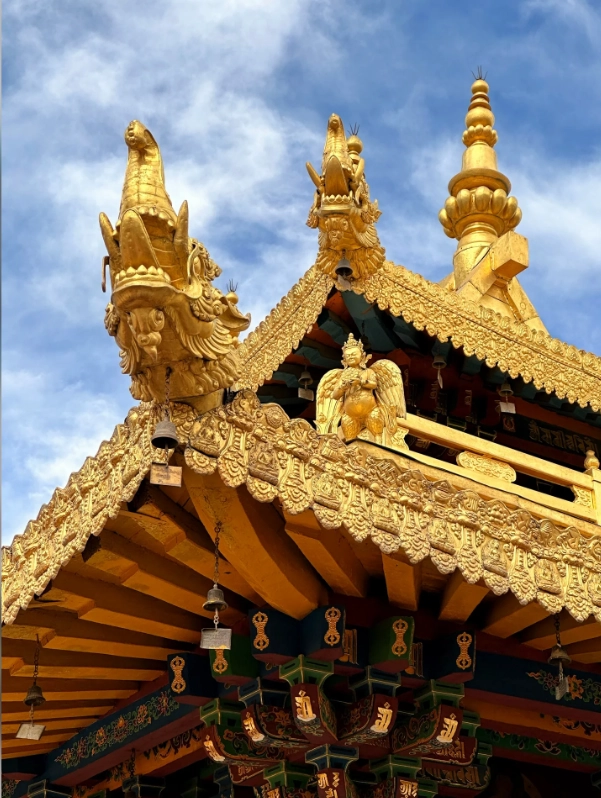
Best Season: The Sweet Spot Nobody Talks About
Most guides say May to October. But that's too vague. Let me break it down.
| Season | Months | Pros | Cons | My Verdict |
|---|---|---|---|---|
| Peak (Summer) | June–August | Warm, green, festivals | Packed, expensive, rain afternoons | Only if festivals are your thing. Otherwise avoid. |
| Shoulder (Spring/Autumn) | April–May, September–October | Crisp air, fewer crowds, good light | Can be windy; still moderate crowds in Oct | Best balance. I recommend early May or mid-September. |
| Low (Winter) | November–March | Almost empty, cheapest flights, clear sky | Cold (0°C to 10°C), possible snow, some facilities closed | Best if you want solitude. Bundle up! |
My personal favorite? Mid-September. The monsoon has just ended, skies are crystal clear, and the autumn light paints the temple walls in a soft gold. The temperature sits around 15°C—perfect for walking the kora without sweating or shivering.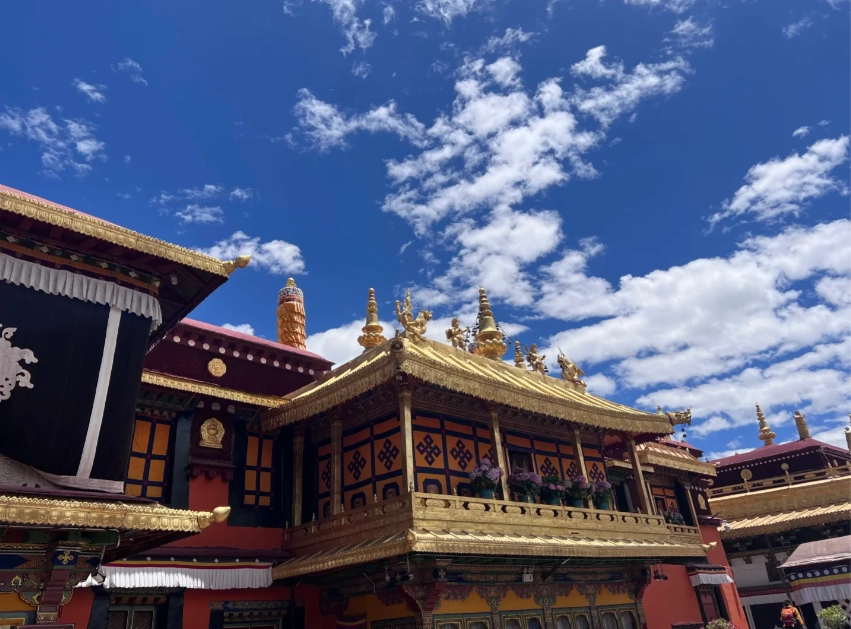
Best Hour of the Day: When to Walk In Without Queues
Jokhang opens at 8:00 AM for tourists (locals start entering earlier via a side gate). But here's what most online guides won't tell you: the security checkpoint at the main entrance gets a massive rush from 9:30 AM to 11:30 AM. Why? That's when the group tours from Chengdu buses arrive.
My strategy: Arrive at 7:45 AM, already have your ticket (buy online via WeChat mini-program '布达拉宫票务预订系统'—yes, it's a pain, but ask your hotel to help you). You'll be among the first 50 tourists. The inner sanctum is quiet, the jeweled Jowo Shakyamuni statue is fully visible without a crowd, and you can actually linger. By 9:00 AM, I'm already out, heading for a tsampa breakfast at a nearby café.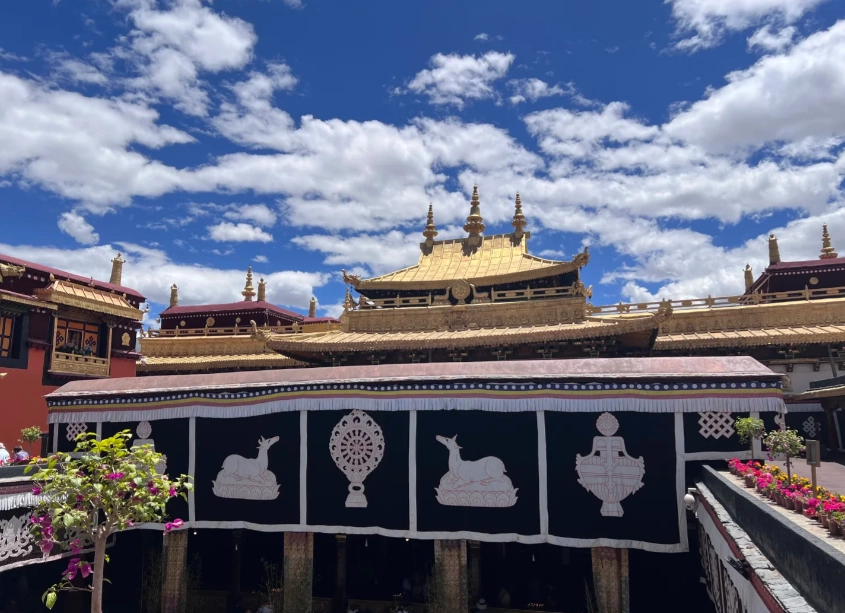
Day of the Week: Avoid This One at All Costs
Monday. I know it sounds counterintuitive—many museums close on Mondays, so tourists often assume Jokhang will be quiet. Wrong! Local pilgrims consider Monday an auspicious day for circumambulation. The Barkhor circuit gets jammed, and the temple itself is shoulder-to-shoulder. I once spent 30 minutes just to move 200 meters inside.
Best days: Tuesday, Wednesday, or Thursday. Locals are busy with work, and most tour groups arrive on weekends. If you can only go on a weekend, choose Saturday morning (early) over Sunday—Sundays attract more domestic tourists from other parts of China.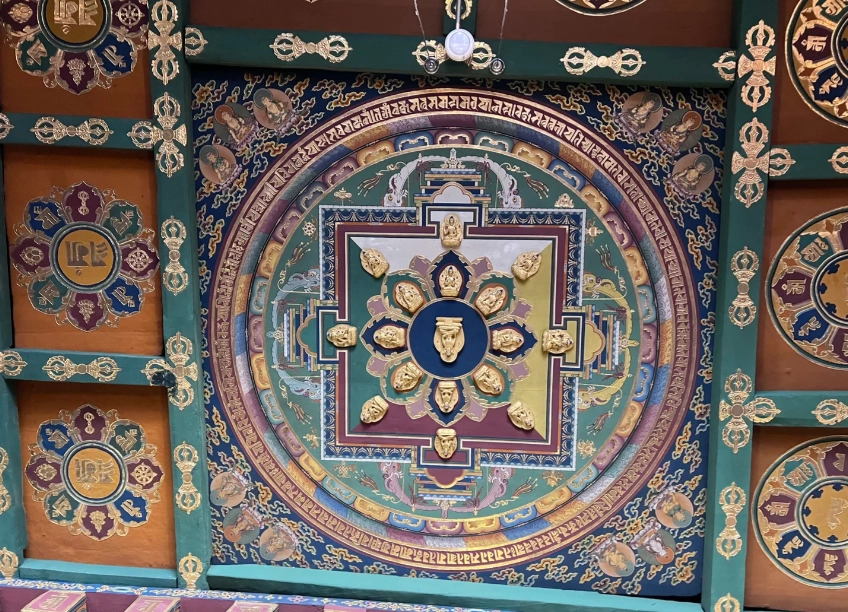
Tibetan Festivals: Incredible but Prepare for Chaos
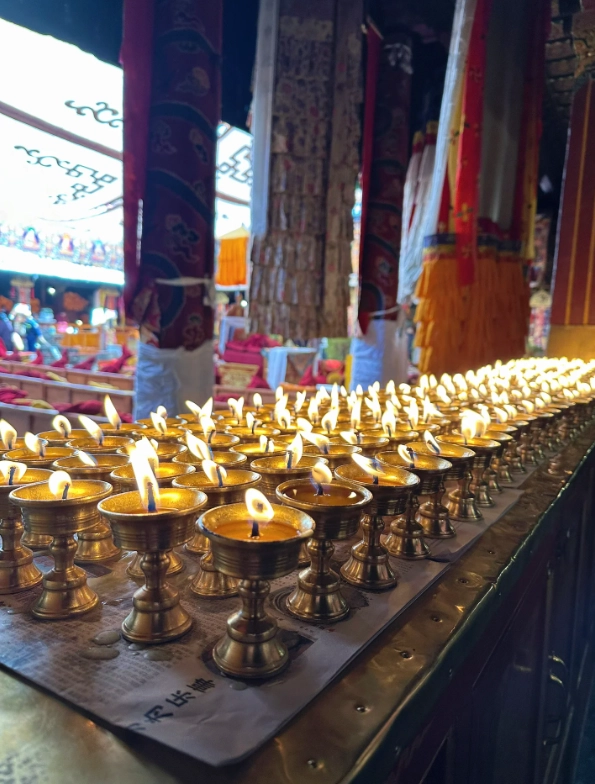
If you can align your visit with Saga Dawa (the holiest month, usually May–June) or Monlam Prayer Festival (February/March), you'll witness something extraordinary. Pilgrims from all over Tibet converge, prostrating, offering butter lamps, and chanting. But here's the catch: the temple opens at 5:00 AM for locals, and the crowds are so thick that tourists are sometimes not allowed in until after 10 AM. And you'll need to be extremely comfortable with crowds.
My advice: If you're not a seasoned crowd-surfer, skip the main festival days. Instead, visit the temple a few days after, when the atmosphere is still charged but manageable.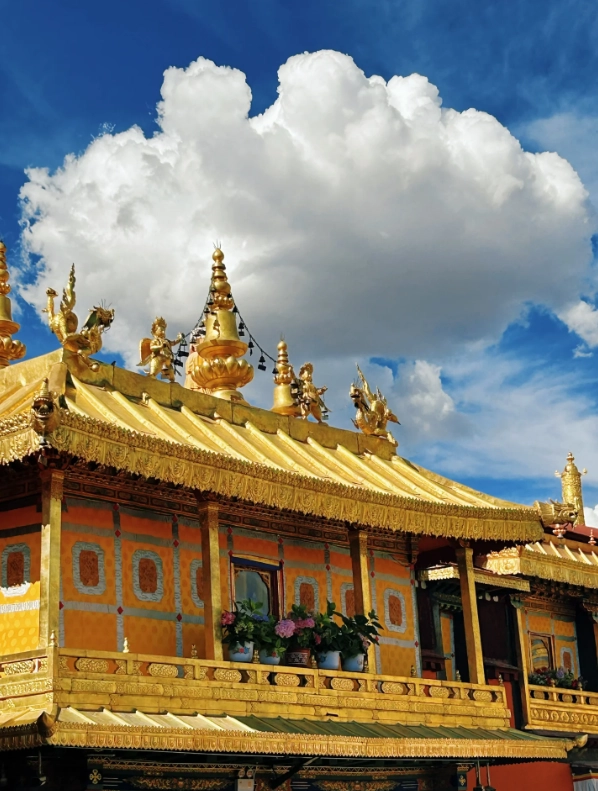
Practical Tips for Your Visit
Ticket & Entry Details
- Ticket price: 85 CNY (adults). No student discount. You must have cash or AliPay/WeChat—international credit cards are not accepted at the ticket booth.
- Reservation required? Yes, technically you can buy on the spot, but during peak season (May–Oct) you need to reserve via WeChat mini-program a day in advance. The link opens at 7:00 AM and slots fill up by 8:30 AM. Have your hotel front desk do it for you if you can't read Chinese.
- Address: Barkhor Street, Chengguan District, Lhasa. It's in the heart of the old town, about 15 minutes walk from Potala Palace.
- Opening hours: 8:00 AM – 6:00 PM (last entry 5:30 PM). On festival days, hours may change.
- Disabled access: The main hall has steps. No ramps. The Barkhor courtyard is flat but crowded. Not recommended for wheelchairs.
Transportation to Jokhang
- By taxi: From Lhasa city center, 10–15 CNY. Say "Jokhang Temple" or show the driver the Chinese name (大昭寺). Most drivers know it.
- By bus: Take bus 1, 2, 9, 10, 12, 17, 24, or 55 to the 'Lhasa Post Building' stop, then walk 5 minutes east into Barkhor.
- Walking: If you're staying in the old town (e.g., near Barkhor Street), just walk. The entire area is pedestrian-friendly once you enter the kora.
What to Wear & Bring
- Dress code: No shorts, sleeveless tops, or miniskirts. This is an active temple. Shoulders and knees must be covered.
- Shoes: Comfortable walking shoes. You'll be on cobblestones and inside wooden floors without heating.
- Sun protection: Sunscreen, sunglasses, and a hat. Lhasa is at 3,650 meters—UV is brutal even in winter.
- Water: Bring a reusable bottle. There are filtered water stations near the entrance.
Frequently Asked Questions
Verified and fact-checked by the editorial team.





No comments yet.