 Ming Yang
Quick Look – What You'll Get
I've guided more than 50 groups through Lhasa, and I still see travelers make the same mistakes: rushing to the Potala on day one, skipping acclimatization, and trusting outdated advice. This best Lhasa itinerary is the one I give to friends who want real culture without the headache. It's built around avoiding altitude sickness, dodging ticket queues, and eating where locals go.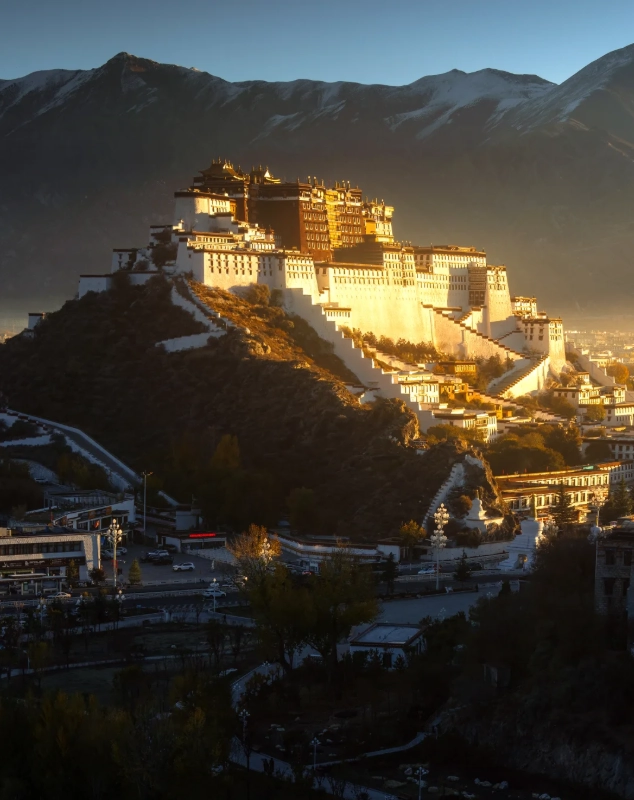
Why This Itinerary Works (When Others Fail)
Most Lhasa travel guides cram in all top sights within 48 hours. But Lhasa sits at 3,650 meters – your body needs a slow start. I've designed this 5-day Lhasa itinerary so that each day builds on the last. You'll see the iconic Potala Palace and Jokhang Temple, plus two lesser-visited monasteries, a side trip to Namtso Lake, and enough gaps to breathe. Here's the breakdown:
| Day | Focus | Altitude Risk | Walking |
|---|---|---|---|
| 1 | Arrival + Barkhor | Low (rest) | Light |
| 2 | Potala + Jokhang | Moderate | Steep |
| 3 | Drepung + Sera | Moderate | Medium |
| 4 | Namtso Lake | High (4,718m) | Low |
| 5 | Departure | – | Light |
Day 1: Arrive, Rest, and a Gentle Barkhor Stroll
Land at Lhasa Gonggar Airport (around 3,570m). Do not – repeat, do not – take a taxi directly to the Potala. Here's the catch: your body is oxygen-starved. The first 24 hours are critical.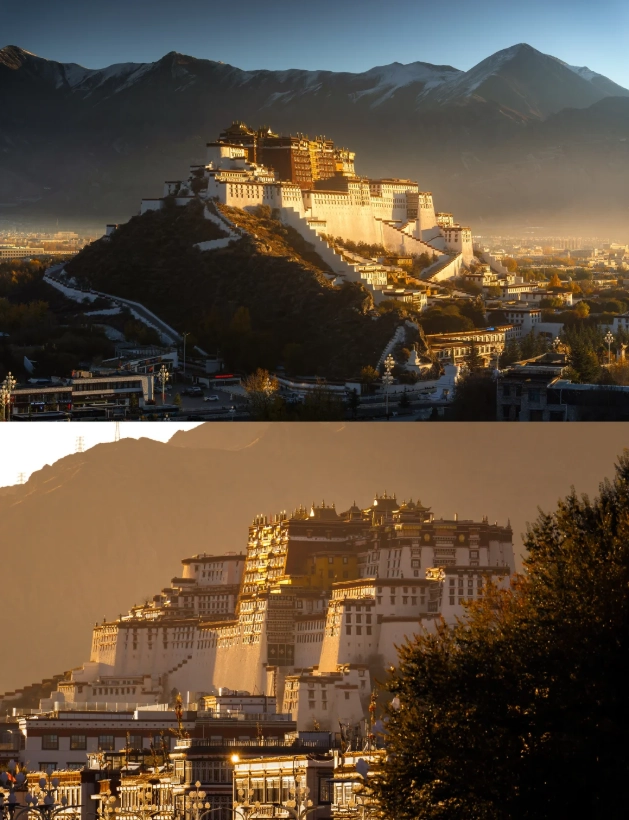
Morning: Check in & Nap
I usually recommend Kyichu Hotel (near Jokhang) or St. Regis Lhasa if budget allows. Kyichu is a classic Tibetan courtyard with good oxygen supply in rooms. Address: 18 Beijing East Road. From airport, shared shuttle (30 CNY, 1 hour) drops you near the hotel. Check in, drink water, and sleep for at least two hours.
Afternoon: Barkhor Street (3 PM–5 PM)
After you feel half-human, walk the Barkhor Kora – the pilgrim circuit around Jokhang Temple. It's flat and takes about 40 minutes at a slow pace. Don't miss the Makye Ame Restaurant (Barkhor South Street, 2nd floor) for butter tea and momos. I always tell clients: "The momos here are less greasy than the tourist trap places near the main entrance." They cost about 25 CNY for six.
One tip: the toilet at the southeast corner of Barkhor is surprisingly clean. Use it – the ones inside Jokhang are often crowded.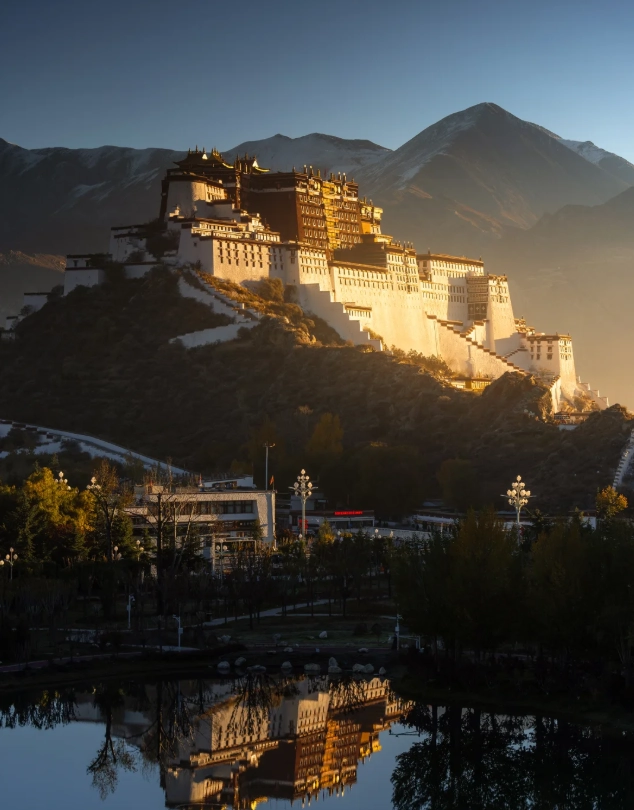
Day 2: Potala Palace & Jokhang Temple (The Big Two)
This is the day everyone fears – steep stairs, long lines. But with the right timing, you'll breeze through.
Potala Palace (9:00 AM – 12:00 PM)
Buy tickets online at least three days ahead via the official WeChat mini-program (search "Potala Palace Ticket"). Yes, the mini-program is in Chinese only. If you can't navigate it, ask your hotel receptionist – they do this daily. Price: 200 CNY (peak season, Apr–Oct), 100 CNY (off-peak). Students get 50% off.
Arrive at the South Gate by 8:30 AM. Most guides say "arrive early" but I say arrive at 8:30 sharp – not 7:30. Between 9:00 and 10:00, the guided groups flood in. If you enter at 8:45, you're ahead of them. Walk up the zigzag ramp (about 300 steps) – take breaks. The interior is dark and stuffy; no photography allowed inside many chapels.
Pro tip: the best photo spot is not on top but from the square outside the South Gate. Shoot in the morning when the sun lights up the red palace.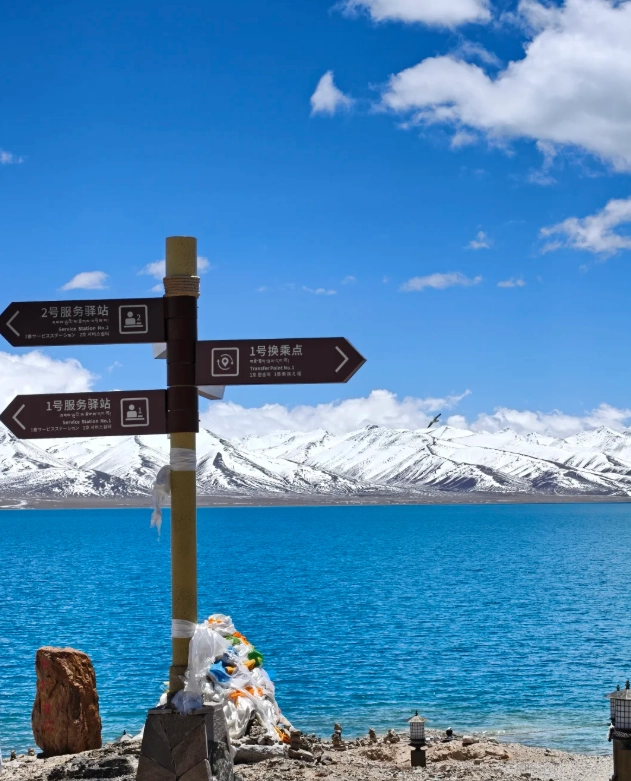
Lunch: Tibetan Noodle House (12:30 PM – 1:30 PM)
Walk 10 minutes east to Lhasa Street Restaurant (near the intersection of Beijing East and Linyin Road). Their thukpa (noodle soup) is spicy and hearty. 30 CNY per bowl. Pay by cash or Alipay – no cards.
Jokhang Temple (2:30 PM – 4:30 PM)
Jokhang Temple is Lhasa's spiritual heart. Ticket: 85 CNY, buy at the entrance (cash only!). No online booking needed, but avoid Fridays (monks' day off, halls closed). Enter through the main west-facing gate. Notice the golden roof – afternoon light makes it glow. Inside, you'll see the Jowo Shakyamuni statue, the most venerated object in Tibet.
I always warn: the rooftop is under renovation as of my last visit. Check with staff before climbing if you want the classic view of Barkhor below.
After Jokhang, explore Barkhor again for souvenir shopping. Bargain hard – a small prayer flag set should be 15 CNY, not 50.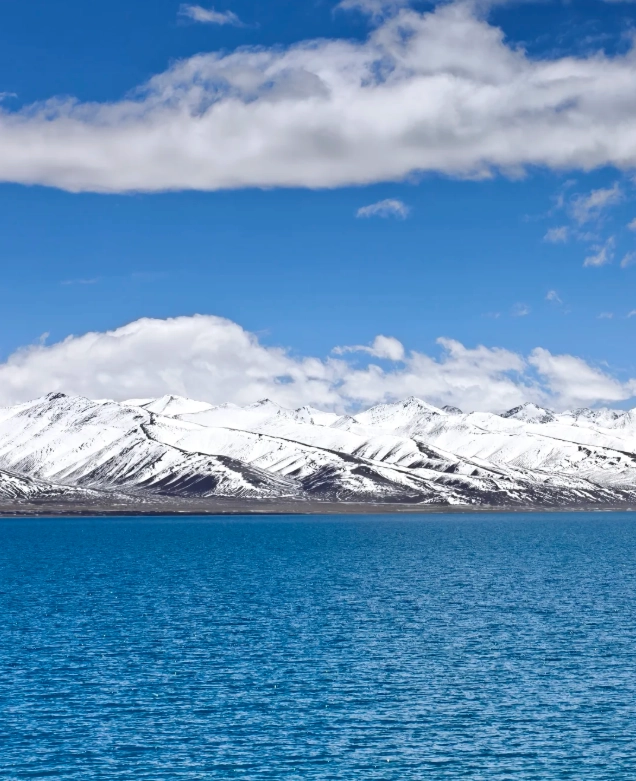
Day 3: Drepung & Sera Monasteries (Monk Debates)
Today is about Tibet's two largest monasteries, both about 20–30 minutes from town by taxi.
Drepung Monastery (9:00 AM – 12:00 PM)
Located 8 km west of Lhasa. Taxi: 50 CNY from city center. Admission: 60 CNY. Drepung housed over 10,000 monks at its peak. The best part is the Ganden Podrang (the white palace) – tiny chapels with murals. Avoid the main assembly hall during prayer times (10:30 AM) unless you want to be shoved by chanting monks.
Physical detail: The walk up from the ticket gate to the main complex is a 15-minute uphill path. At 3,800m, that's enough to make you breathless. I always tell my groups: "Slow down. If you feel dizzy, sit on any rock and sip water. I've seen people black out from rushing."
Lunch: Dumplings at Norbu Café
Right outside Drepung, there's a tiny café called Norbu's (no English sign, look for the red awning). Their yak meat dumplings (10 CNY for 8) are the best I've had. Cash only.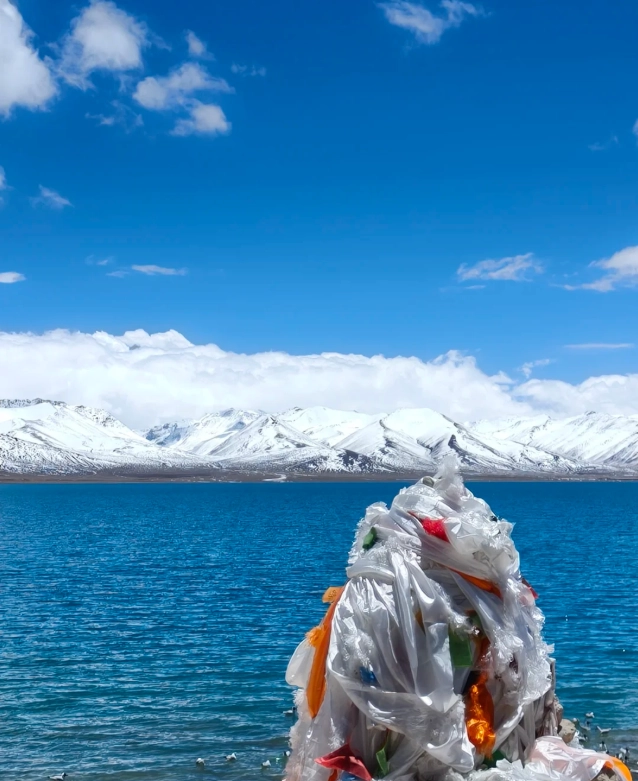
Sera Monastery (2:00 PM – 4:30 PM)
Sera is famous for its monk debates – daily from 3:00 PM to 5:00 PM (except Sundays and special holidays). Taxi from Drepung: 40 CNY. Admission: 55 CNY.
The debates happen in a small courtyard behind the main temple. Arrive by 2:45 PM to secure a spot in the shade. The monks stand, clap, and argue Buddhist logic – it's chaotic and fascinating. Don't use flash photography; it disturbs them. One monk once yelled at a tourist with a selfie stick – I saw it happen.
After debates, walk around the hillside to see the colored prayer flags. The view of Lhasa valley is incredible at golden hour (around 4:30 PM).
Day 4: Namtso Lake – Worth the Bumpy Ride
Namtso Lake is 4,718m above sea level – the highest saltwater lake in the world. Many itineraries skip it because of the rough road, but I think it's a must. The turquoise water against snow-capped mountains is unreal.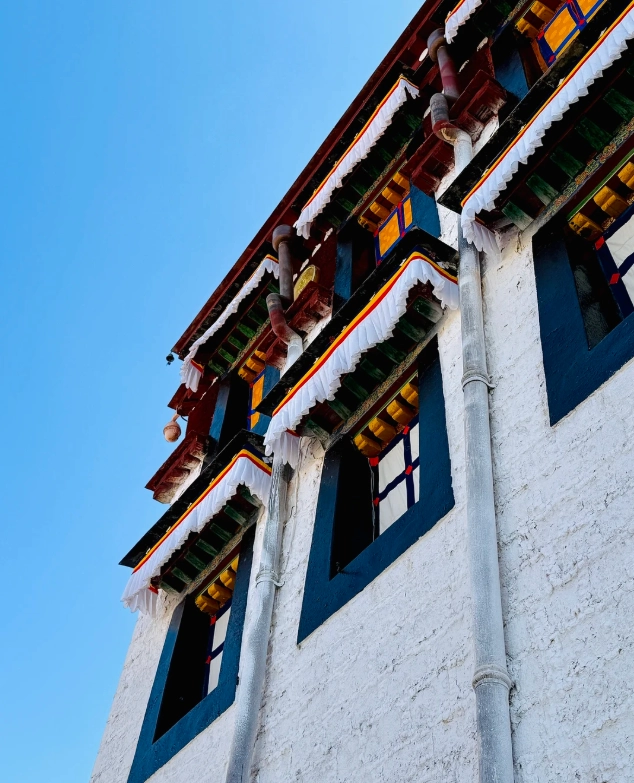
How to Get There
Join a shared minivan from Lhasa (book through your hotel or local agents like Tibet Vista). Price: 300–400 CNY per person including a simple lunch. Departure: 6:00 AM, return: around 6:00 PM. The drive takes 4 hours each way, with two rest stops. The last hour is on a bumpy dirt road – take motion sickness pills if you're sensitive.
Important: Most drivers stop at the base camp for 1.5 hours. You can walk to the shore (15 minutes) or rent a horse (50 CNY). I recommend walking – the horse path is dusty and the animals look tired. Once at the water, dip your hand in the freezing water if you dare. The wind is brutal; bring a windproof jacket and a hat.
I've seen tourists with severe headaches here. If you feel dizzy at the base camp, don't push further – sit in the van and sip oxygen (the driver usually carries a canister).
Back in Lhasa by 6:30 PM. Have dinner at Tsering's Kitchen (Beijing Middle Road) – their Tibetan curry with barley bread is comforting after a long day. 60 CNY per person. They accept credit cards.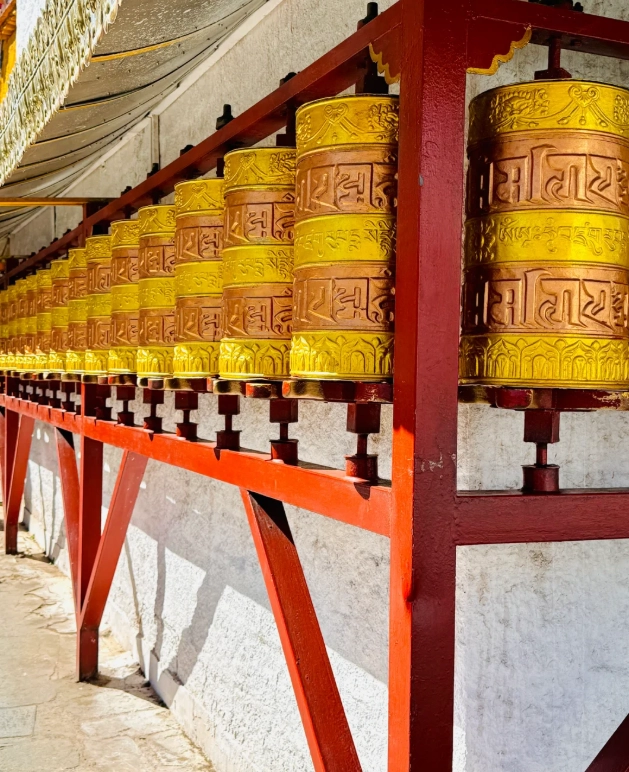
Day 5: Last Morning & Departure
If your flight is in the afternoon, spend the morning at the Tibet Museum (near Potala, free entry with passport). It's a quiet, indoor option with exhibits on Tibetan history, culture, and geology. Open 9:30 AM – 4:30 PM (closed Mondays). No photography in the main hall.
Otherwise, just wander around Barkhor one last time and buy any forgotten souvenirs. The Ani Tsankhung Nunnery (hidden in an alley off Barkhor's east side) offers a calm tea house with rooftop views. A pot of sweet tea is 15 CNY – the best deal in Lhasa.
Head to the airport 2 hours before your flight. The shuttle from the city center (near Potala) costs 30 CNY and leaves every 30 minutes.
✔ Sunscreen SPF 50+ (even on cloudy days – the UV is brutal)
✔ Lip balm with SPF
✔ Reusable water bottle – staying hydrated fights altitude sickness
✔ Power bank – sockets are limited in remote areas
✔ A photocopy of your passport and Tibet Travel Permit (you need both to enter temples)
FAQ: Everything Else You Might Worry About
Verified and fact-checked by the editorial team. This content has been fact-checked to ensure informational precision.





Honestly one of the best travel guides I’ve ever used. The timing advice to visit the Norbulingka gardens right when they open at 9am meant I had the whole place to myself for an hour. The budget hack of buying a combo ticket for multiple monasteries saved me over 100 yuan. Every recommendation felt thoughtful and tested. Can’t recommend it enough for anyone who hates queues and loves authentic experiences.
I followed this itinerary to save money and avoid crowds, and it mostly worked. The free walking tour of the old town was excellent, and the hostel they recommended was clean and cheap. But I have to be honest: the ‘secret’ viewpoint for Potala at sunset was already packed with other tourists—guess the secret’s out. Also, the suggested restaurant didn’t open on Monday, which the article didn’t mention. Decent trip overall, but not flawless.
Solo traveler here, and this guide made my trip smooth and cheap. I saved a ton by skipping the overpriced group bus and taking the local minivan to Yamdrok Lake—cost 30 yuan vs. 200. The ‘skip the crowds’ part is real: I visited Jokhang Temple at 7am and it was peaceful. Only reason I’m not giving 5 stars is the map in the article was slightly outdated for one street closure. Otherwise perfect.
If you want to experience Lhasa without the tourist chaos, this plan delivers. I’m a photographer and the sunrise spots at Drepung Monastery were empty—just me and the monks. The budget-friendly noodle shop recommendation near Barkhor Street was delicious and cost 15 yuan. Only tiny gripe: the itinerary packs a lot in one day, so wear comfortable shoes. Still, absolutely worth it!
This itinerary was a game-changer for my Lhasa trip. I followed the early morning routes and had the Potala Palace almost to myself—no pushing through crowds. The money-saving tips on local guesthouses and shared taxis to Namtso saved me nearly 40% compared to package tours. The highlight was the quiet prayer wheel walk at dusk; felt truly spiritual. Five stars, hands down.