 Wei Zhang
What you'll find here
Three hours. That’s how long my clients waited for a taxi at Lhasa Gonggar Airport last July. The airport is 65 km from downtown—not exactly a short hop. And the altitude? It hits you the moment you step off the plane. I’ve been guiding groups to Lhasa for eight years, and I’ve seen every mistake travelers make getting from the airport to the city.
Let me cut through the noise: the best way depends on your budget, how many people you’re with, and whether you’ve got a sensitive stomach (because altitude sickness loves to ruin the first day). Below, I’ve ranked the six real options. No fluff—just what works, what doesn’t, and how to avoid the traps.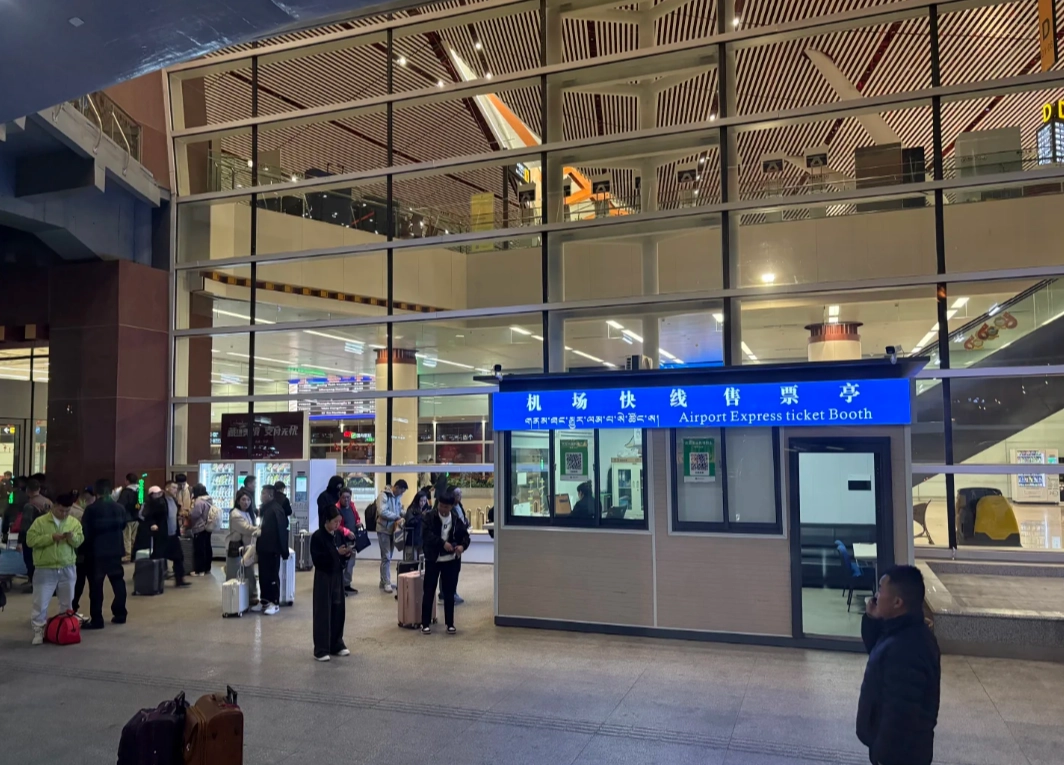
1. Airport Bus – The Backpacker’s Friend (¥30)
Yes, it’s cheap. But you need to know the catch.
The airport bus leaves from just outside the terminal exit (follow the signs in Chinese and a small English notice). It runs every 30–40 minutes from around 7:00 AM until the last flight lands. The ride takes about 70–90 minutes, dropping you at Minsheng Hotel near Potala Palace. From there, you’ll need a taxi to your hotel—usually ¥10–15.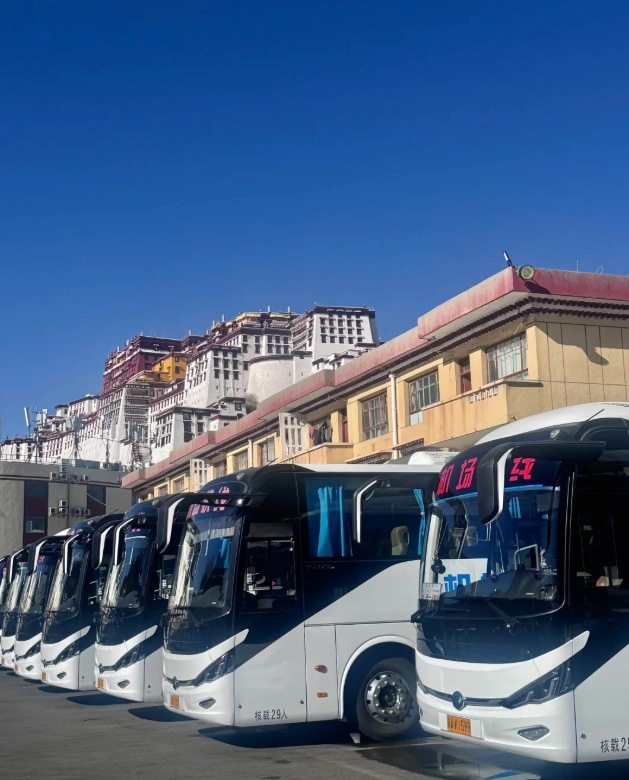
My advice: Don’t take the bus if you’re already feeling dizzy or if you have a heavy suitcase. The bus has no luggage compartment—you squeeze it under your seat. And it’s not exactly gentle on the mountain roads. Also, the last bus is supposed to meet the final flight, but if your flight is delayed more than an hour, you might miss it. I’ve had clients stranded at the airport at midnight. Not fun.
2. Taxi – Fast but You’ll Need to Bargain (¥200–300)
Official taxis line up outside the arrivals hall. They are metered, but taxi drivers often quote a flat rate to the city—negotiate before you get in.
What I’ve learned: If you look foreign, the starting ask can be ¥400. Counter with ¥200 and settle around ¥250–300. The drive is about 50–70 minutes depending on traffic. Most drivers take the Lhasa Airport Expressway, which is smooth. At night, it’s faster.
Warning: The Meter Hack
Some drivers will say “meter broken” and demand a flat fee. Politely insist on the meter, or walk to the next taxi. In ten years, I’ve only seen a few honest meters. Also, don’t agree to sharing the taxi with strangers unless you’re okay with two extra stops. I once had a client who shared a taxi and ended up touring half of Lhasa before reaching his hotel.
3. Private Transfer – The Stress-Free Option (¥350–500)
This is what I book for my own mother. A private car (usually a sedan or small SUV) waits for you at arrivals with a name board, helps with luggage, and takes you directly to your hotel. No queuing, no haggling.
Cost: ¥350–500 depending on the company and season. I recommend Lhasa Private Tours (lhasaprivatetours.com) or booking through your hotel concierge before arrival. They monitor flight delays for free.
The car is clean, air-conditioned, and the driver typically gives you a brief intro to Lhasa along the way. Plus, they know to drive slowly to help you acclimatize—unlike taxi drivers who speed.
4. Hotel Shuttle – Free If You Stay Upscale
Many 4- and 5-star hotels offer complimentary airport pick-up if you book directly. The St. Regis Lhasa, Shangri-La Lhasa, and Lhasa Hotel include this service in luxury rooms. Ask when reserving.
If your hotel doesn’t offer it, you can often add it for ¥200–300 per person. It’s still cheaper than a private transfer and reliable.
5. Rental Car – Don’t Even Think About It
I’m serious. Unless you’ve been living in Tibet for a year, do not rent a car at the airport. The roads are winding, oxygen is thin, and police checkpoints require permits. I’ve seen tourists pulled over and fined for lacking the proper paperwork. The only exception: if you’re traveling with a licensed local driver—then it’s fine.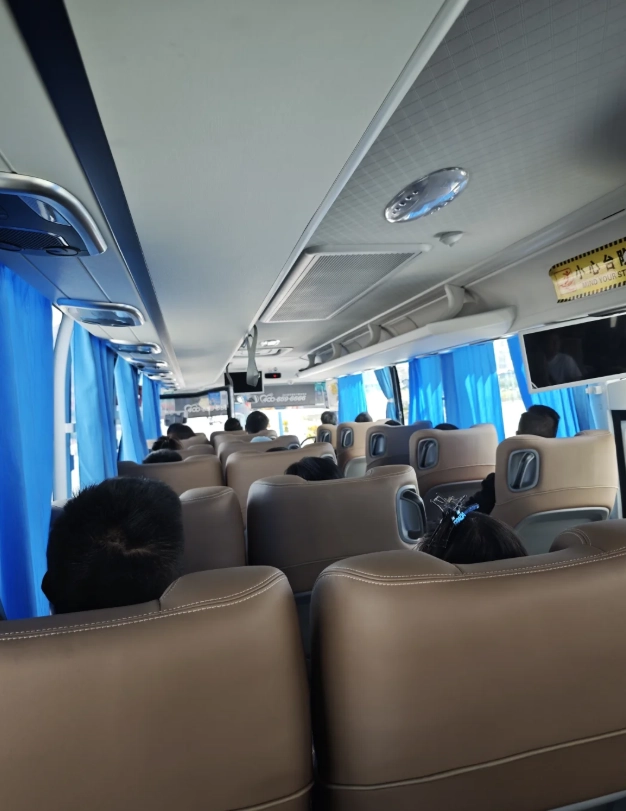
6. Ride-Hailing Apps (Didi) – Works, But Tricky for Foreigners
Didi is China’s Uber. It works at Lhasa Airport—you can book a standard car for about ¥200. However, the app is entirely in Chinese unless you switch your phone language. Also, many drivers cancel when they see a foreign name (they assume communication issues).
My hack: ask a Chinese-speaking friend or hotel staff to book the ride for you. Pay via WeChat or Alipay. Cash works if you tell the driver beforehand, but most prefer mobile.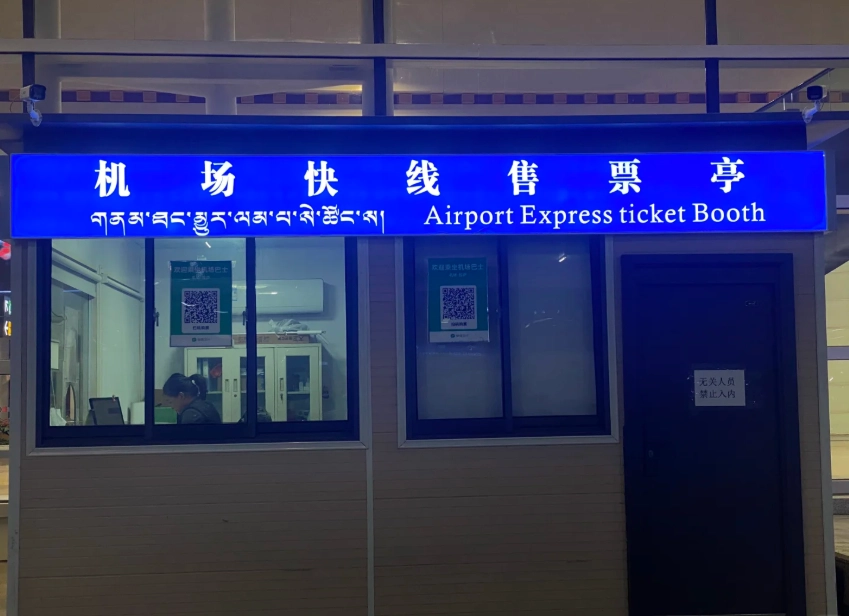
| Option | Cost (CNY) | Duration | Best for |
|---|---|---|---|
| Airport Bus | 30 | 70–90 min | Solo backpackers on a budget |
| Taxi | 200–300 | 50–70 min | Small groups, OK with bargaining |
| Private Transfer | 350–500 | 50–70 min | First-timers, luxury travelers |
| Hotel Shuttle | Free–300 | 60–90 min | Guests of upscale hotels |
| Rental Car | 400+ per day | Self-drive | Experienced drivers with permits |
| Didi | 200 | 50–70 min | Chinese-speaking travelers |
Altitude Reality Check – Don’t Ignore This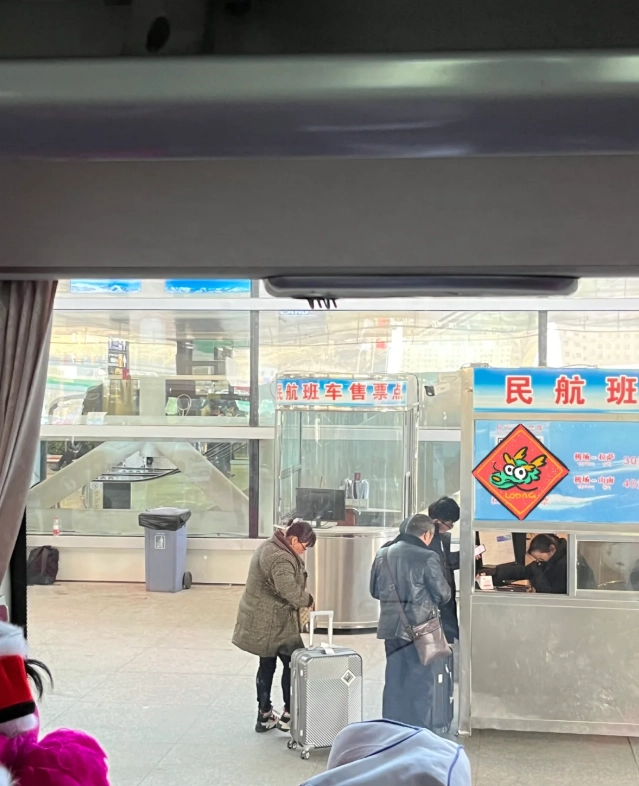
Lhasa sits at 3,656 meters. The airport is at 3,570 meters. You’ll feel it within minutes. I always tell my groups: avoid rushing on the first day. The worst mistake is arriving, checking into a hotel, then immediately heading to Potala Palace (which requires climbing steep steps).
If you’re prone to altitude sickness, take the private transfer—not the bus—because the bus takes longer and exposes you to more jolting. Drink water, skip alcohol, and consider taking acetazolamide (Diamox) after consulting your doctor.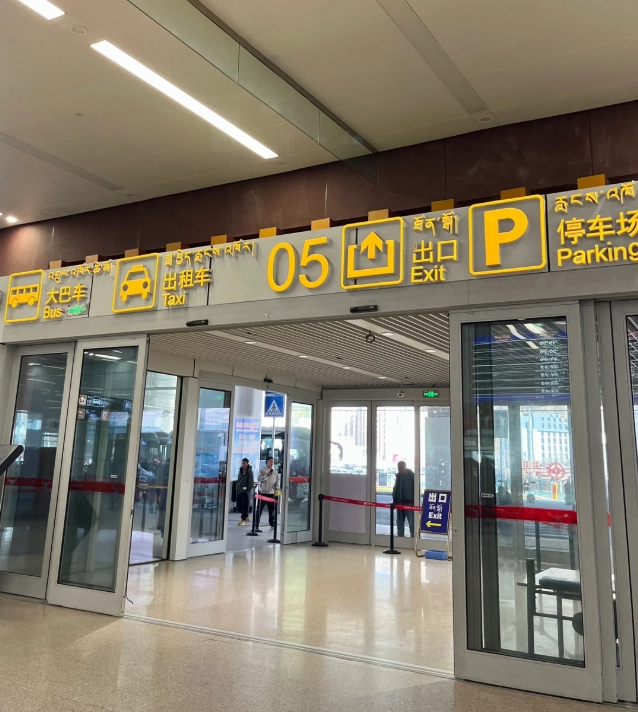
FAQ: What Tourists Always Ask Me About Lhasa Airport Transfers
One last tip: if you’re arriving and feel dizzy or nauseous, don’t panic. The altitude is real, but it’s temporary. Most people adjust within 24 hours. The key is to move slowly, breathe deeply, and get to your hotel without stress. Choose the transfer that matches your energy level.
Verified and fact-checked by the editorial team.





No comments yet.