 Ming Yang
Quick Navigation
Three hours. That’s how long my client Sarah spent in the ER her first night in Lhasa. Not because someone robbed her—but because she ignored the altitude warnings and landed straight from sea level. Forget the glossy brochures—if you don’t know the exact altitude acclimatization trick, you aren’t getting out of your hotel room.
I’ve been guiding foreign tourists through Tibet for a decade. I’ve handled everything from lost passports to severe altitude reactions, and I can tell you: Lhasa is safe for tourists—but only if you prepare for the right things. Crime is low, but the environment and cultural misunderstandings trip up most visitors.
Here is exactly how to skip the queues, handle the payment nightmare, and see the real Lhasa without getting sick or scammed.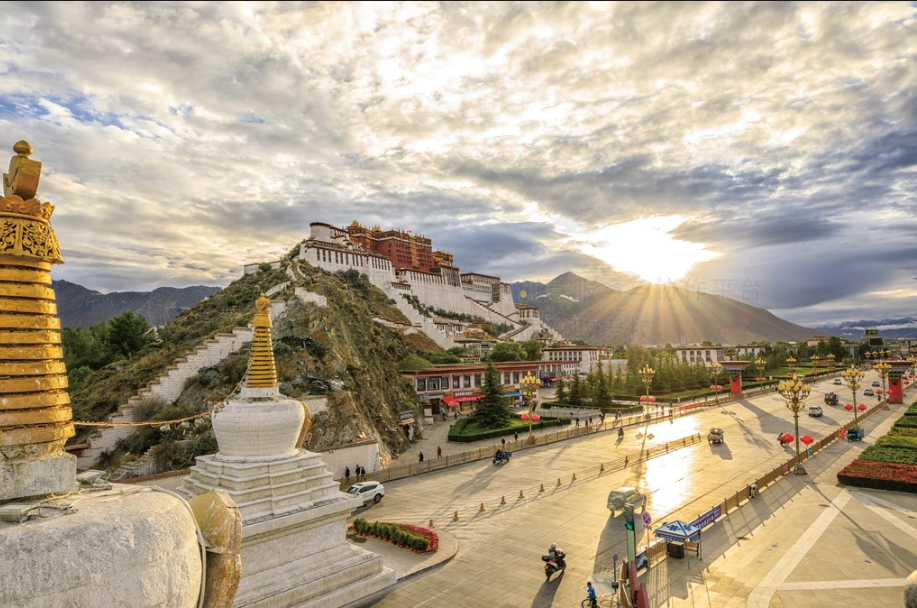
Crime & Personal Safety in Lhasa
Let me start with the good news. Street crime in Lhasa is rare. I’ve walked alone at 11 PM around Barkhor Street and felt perfectly safe. Tibetan locals are incredibly hospitable. However, pickpocketing can happen in crowded markets—just like any tourist city.
Pro tip The most dangerous thing in Lhasa? The sun. UV is brutal at 3,650 meters. Wear sunscreen even on cloudy days.
The real safety concern isn’t crime—it’s the altitude and the lack of oxygen. Your hotel should be your first priority. Book a place with medical oxygen supply and a 24-hour front desk that can call a doctor if needed.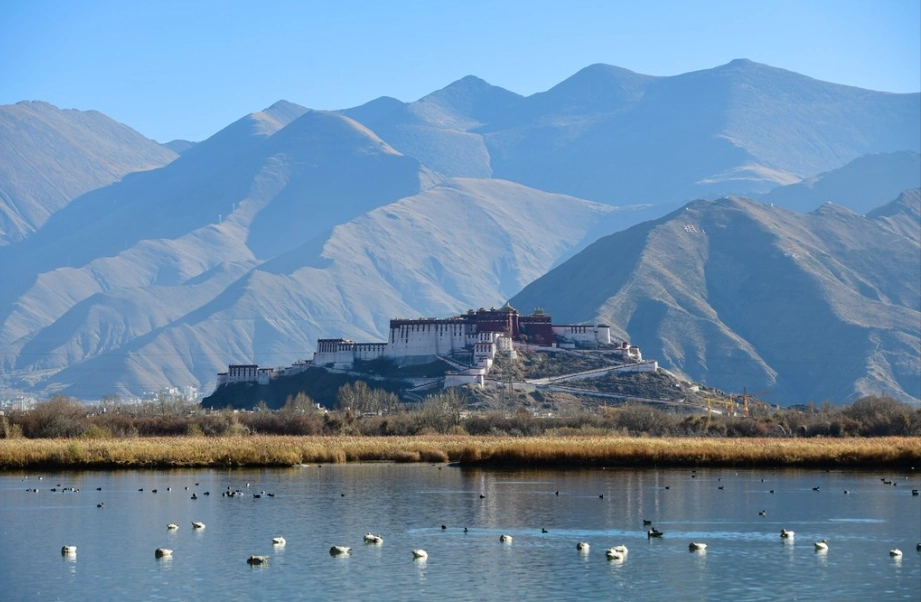
Altitude Sickness – The Real Risk
This is the number one reason tourists end up in the hospital. Lhasa sits at 3,656 meters (12,000 feet). If you fly directly from Chengdu (500 meters), your body gets a shock.
What you must do:
- Rest the first 24 hours. Don’t visit Potala Palace on day one. Walk slowly, drink warm water, no alcohol.
- Get medication in advance. Acetazolamide (Diamox) helps. Bring it from home or buy from a pharmacy in Lhasa (they stock it).
- Use oxygen cans. You can buy small cans at any convenience store for 15–20 RMB. I always keep one in my day bag.
- Know the red flags: Severe headache that doesn’t stop, vomiting, confusion—that’s HACE. Get to a hospital fast. The Lhasa People’s Hospital has a dedicated altitude sickness clinic.
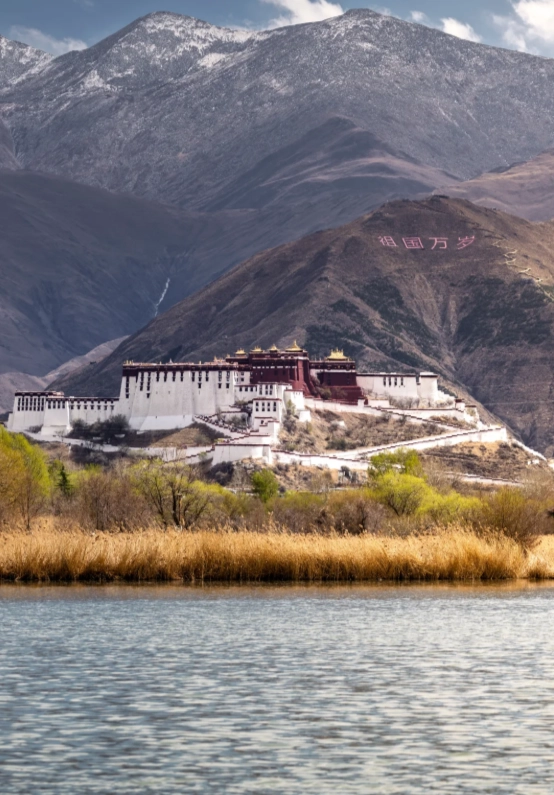
Getting Around Lhasa Safely
Taxis & Ride-Hailing
Taxis are plentiful and cheap—starting at 10 RMB for the first 5 km. But many drivers don’t speak English. Always have your destination written in Chinese on your phone. I carry a card with the hotel name in Tibetan and Chinese.
Didi (Chinese Uber) works in Lhasa. Download the app and link your credit card—it’s safer because the fare is fixed and recorded. But note: international SIM cards sometimes fail to receive verification codes. Buy a local China Mobile SIM at the airport (¥50 for 7 days).
Walking at Night
Barkhor Street and the area around Jokhang Temple are lively until 10 PM. After 10, streets get quiet. I still walk alone there, but stick to main roads. Potala Square is well-lit and patrolled by police. Avoid dark alleys near the old city.
Crossing streets: Lhasa drivers don’t always stop for pedestrians. Wait for the green light and watch for scooters—they come from every direction.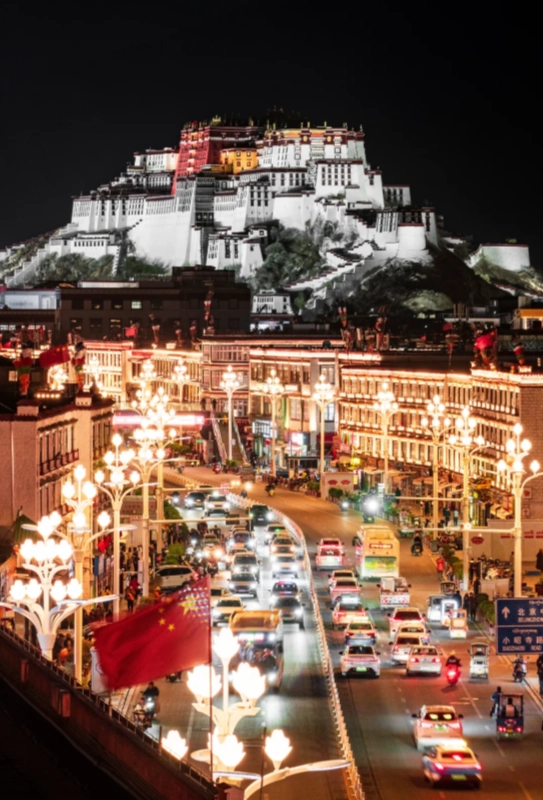
Food, Water & Health Precautions
Water: Don’t drink tap water. Even locals boil it. Bottled water is everywhere (¥2 for 1.5L). Ice in drinks? Avoid it unless you know it’s made from purified water.
Food safety: Street food is generally safe—the hot oil kills bugs. But I’ve seen tourists with upset stomachs after eating cold yak meat skewers left out too long. Stick to freshly cooked food. My go-to safe restaurant: Makye-ame (address: 26 Beijing East Road). They have English menu, clean kitchen, and their momos (dumplings) are legendary.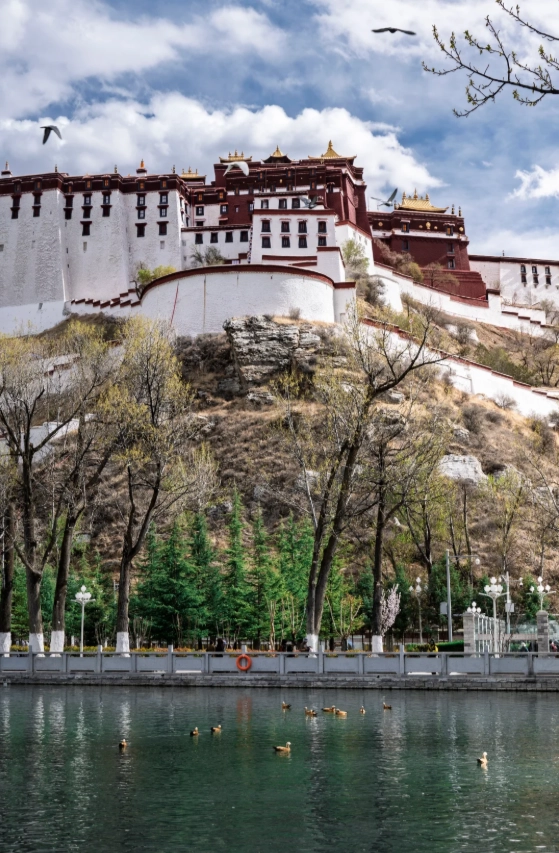
| Restaurant | Address | Specialty | Price (per person) | English menu |
|---|---|---|---|---|
| Makye-ame | 26 Beijing East Road | Yak momos, chili chicken | ¥60–100 | Yes |
| Tashi’s Kitchen | 15 Barkhor Street | Butter tea, tsampa | ¥30–70 | Yes (picture menu) |
| Lhasa Kitchen | 8 Jiri East Road | Nepali thali | ¥50–80 | Yes |
Cultural Sensitivity & Avoiding Trouble
Lhasa is the heart of Tibetan Buddhism. Many tourists unknowingly offend locals and even get shouted at. Don’t point your feet at Buddha statues or monks. Don’t touch monks without permission. Photography inside temples is strictly forbidden—I’ve seen people have their phones confiscated.
When walking around Barkhor Kora, always go clockwise. Going counterclockwise is disrespectful and can cause arguments.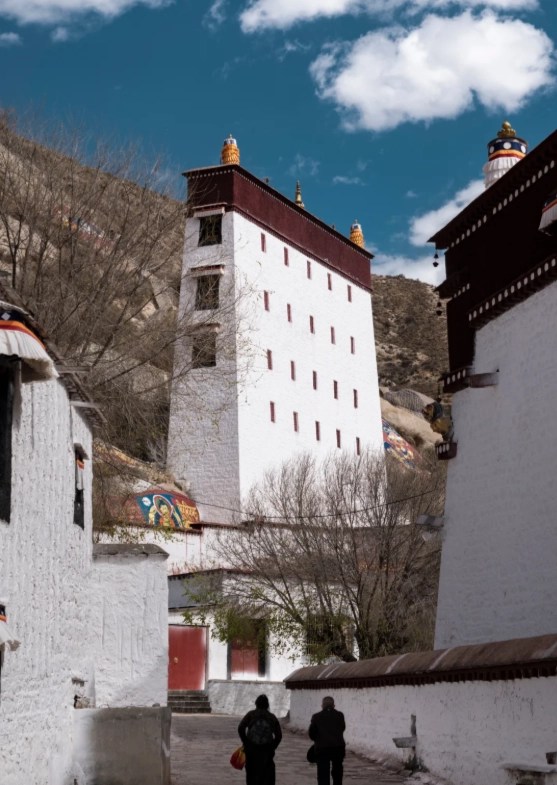
Common Scams & Tourist Traps
Yes, scams exist. Here are the ones I see most often:
- “Free” blessing from a monk. A man dressed as a monk will put a scarf around your neck and demand ¥100 for a “donation.” Walk away firmly.
- Yak wool scarf sellers. They tell you it’s genuine yak wool—it’s synthetic. Only buy from fixed shops with price tags.
- Photo trap. Someone holds a cute baby yak and invites you to take a photo. Afterwards, they ask for ¥50. Always ask the price first.
- Fake ticket sellers near Potala Palace. Official tickets must be booked through the WeChat mini-program “布达拉宫门票预约” (or your hotel concierge). Never buy from touts. Tickets are ¥200 (peak season) and sell out 7 days in advance.
Frequently Asked Questions
Verified and fact-checked by the editorial team.





No comments yet.