 Ting Chen
Quick Look – What’s Inside
Three hours. That’s how long my clients waited in line at the Potala Palace last August. Forget the glossy brochures—if you don’t know the exact WeChat mini-program trick, you aren’t getting in. I’ve been guiding groups in Lhasa for seven years, and I’m here to give you the unfiltered truth: yes, Lhasa is absolutely worth visiting, but only if you plan smart. Altitude sickness, unpredictable permits, and crushing crowds can turn a dream trip into a nightmare. Let me walk you through every detail so you can decide if it’s right for you, and if so, how to nail it.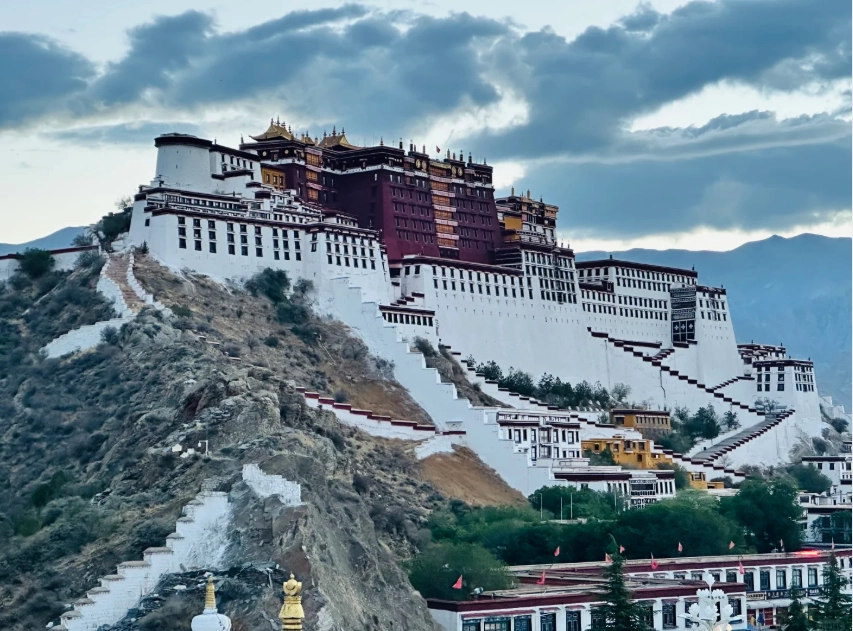
Here is exactly how to skip the queues, handle the payment nightmare, and see the real Lhasa without wasting a minute.
The Altitude Challenge (No Joke)
Lhasa sits at 3,650 meters (12,000 feet). I’ve seen fit 25-year-olds collapse on day one and 70-year-old grandmas waltz through. Altitude sickness is random. But there are things you can do.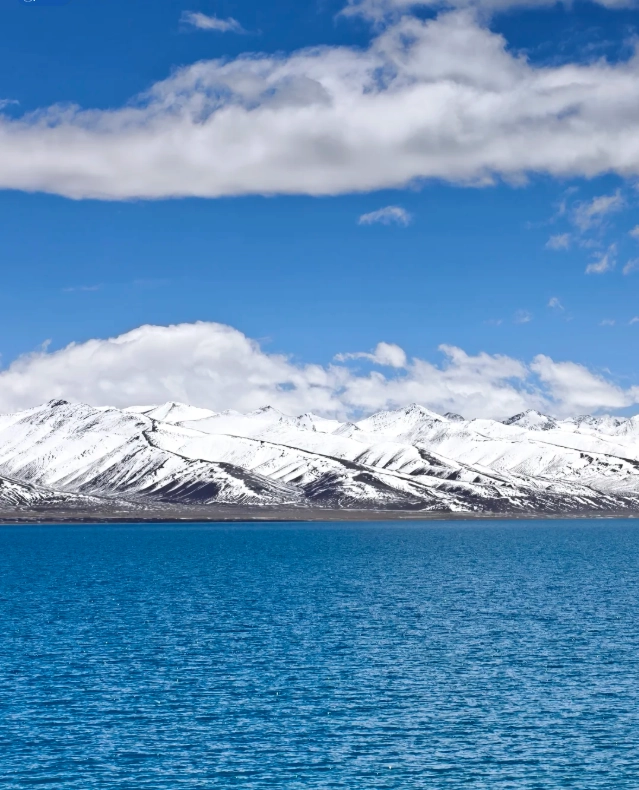
Most hotels have oxygen concentrators available, but you’ll pay extra (around ¥100–200 per night). Diamox (acetazolamide) is your friend—start taking it 24 hours before arrival. Get it from a doctor back home; Lhasa pharmacies sell it too, but why risk it? I always tell my groups: skip alcohol, avoid hot showers (they drop blood pressure), and walk like you’re strolling through a library.
One more thing: the airport (Lhasa Gonggar) is 60 km away, at a lower altitude (3,570m). You’ll feel it less there, but the drive into town climbs. Have a driver ready—don’t bargain with random touts at arrivals.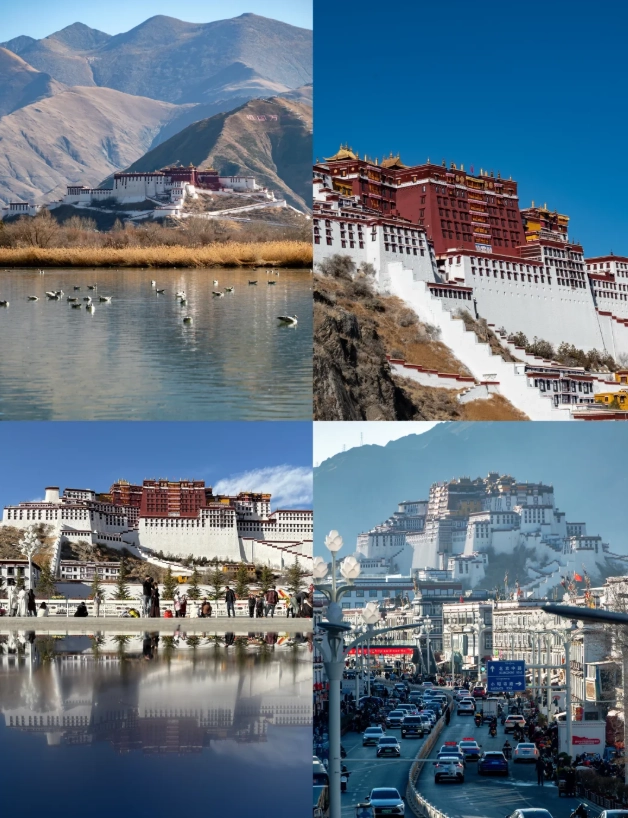
Must-See Sights – What to Prioritize
Potala Palace
You’ve seen the photos, but nothing beats standing beneath its massive white and red walls. Here’s the catch: tickets must be booked online at least 7 days in advance during peak season (May–October). Use the official WeChat mini-program “布达拉宫门票预约” (it’s in Chinese only, so ask your hotel to help). Foreigners pay ¥200 (April–October) or ¥100 (winter). Enter at the East Gate, not the South Gate—the South queue is pure sun torture. The climb inside is steep with 108 steps; expect to pause for breath every 10 steps. No photography inside the chapels (they enforce it strictly). Best time? 8:30 AM right when gates open—the light hits the gold rooftops perfectly.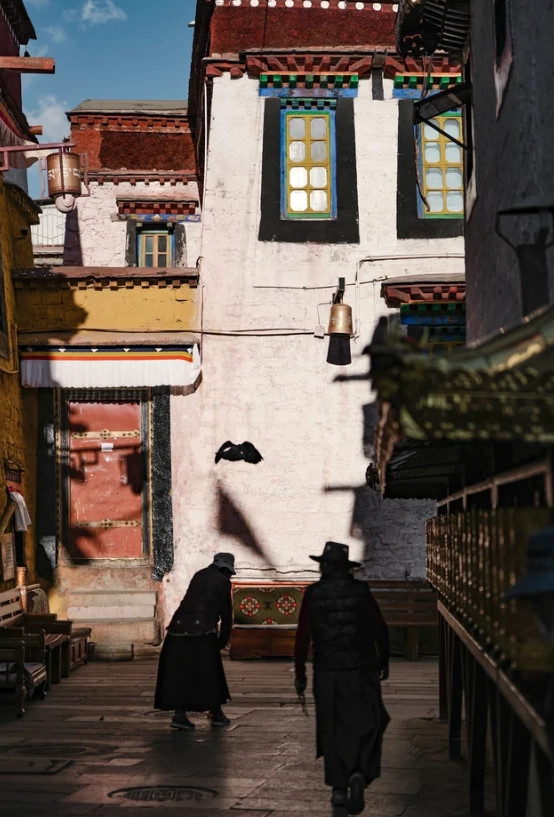
Jokhang Temple
This is the spiritual heart of Lhasa. After the Potala, it’s my favorite. Walk the Barkhor Circuit around the temple with pilgrims spinning prayer wheels—it’s free and gives you a vibe no museum can. Temple entry: ¥85 (cash or WeChat). Go early (7:00–9:00 AM) to see locals making offerings. The rooftop offers a killer view of the Potala. Crowds get thick by 10 AM. Pro tip: dress modestly—no shorts, no sleeveless. I once saw a guy turned away for wearing a tank top.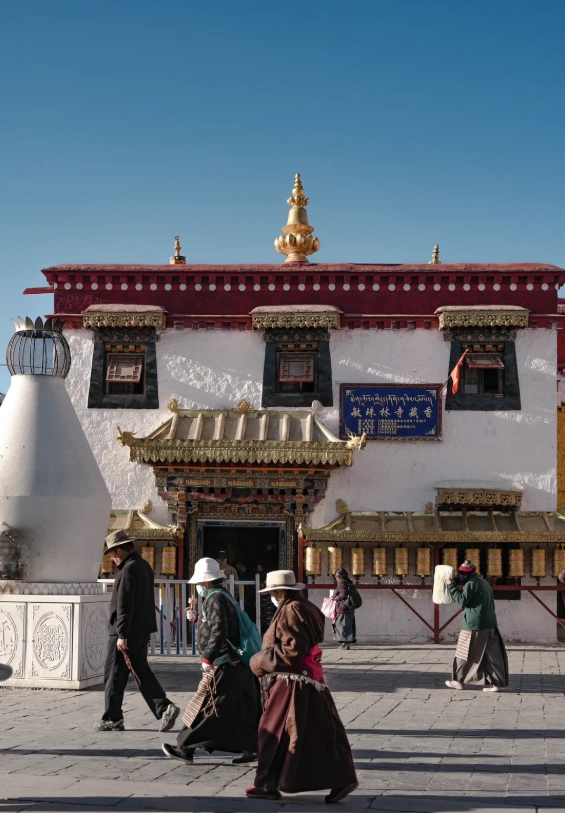
Sera Monastery
Famous for the monks’ debating sessions at 3–5 PM daily (except Sundays). It’s lively, loud, and feels like a sport. Admission: ¥50. Take bus 24 from downtown (20 minutes, ¥2) or taxi for ¥30. The debating courtyard is uphill from the main gate; follow the crowd.
Norbulingka (The Summer Palace)
Less crowded, more chill. Perfect for a post-lunch stroll. Entry: ¥80. It’s a UNESCO site but often skipped by rushed tourists. I recommend it for your second day—easy walking, great gardens, and a small zoo (skip that part).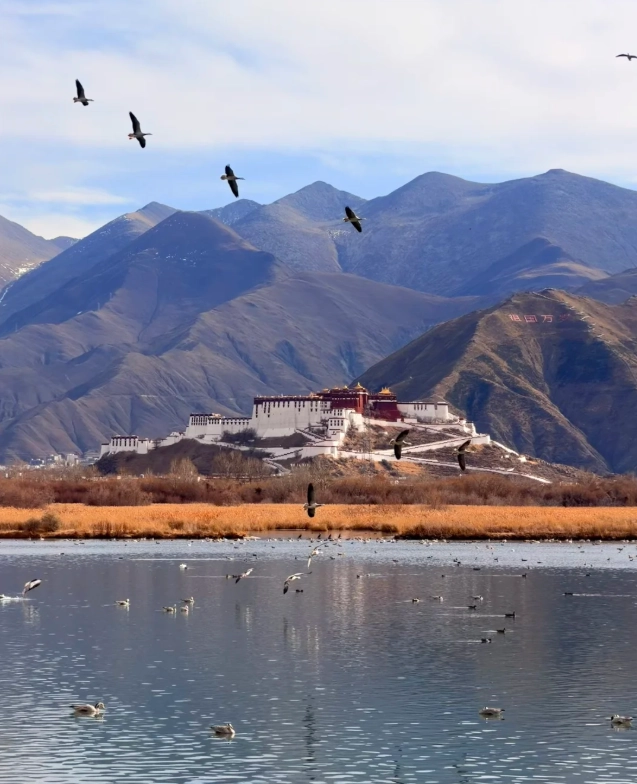
Getting There & Getting Around
| Mode | Duration from Chengdu | Cost (approx) | Notes |
|---|---|---|---|
| Flight | 2.5 hours | ¥1,500–¥3,000 (round trip) | Quick but altitude shock |
| Train (Z322) | 36 hours | ¥650–¥1,500 (soft sleeper) | Scenic but long; books out fast |
| Bus from Nepal (Kerung border) | ~12 hours | ¥300–¥500 | Only if you already have Tibet permit |
Once in Lhasa, taxis are cheap (start at ¥10). Didi (Chinese Uber) works well for rides—just install the app and add your credit card. Public buses go to most attractions but routes are confusing; I’d stick to taxis after you’ve acclimatized. Avoid three-wheeled tuk-tuks—they overcharge tourists mercilessly.
When to Visit – Seasonal Reality Check
April to October is the main season. July and August are peak—hot, crowded, and rainy (afternoon thunderstorms). I personally love late May and early October. The sky is clear, temperatures are 15–22°C, and crowds are half of August. Winter (November–March) is cold (daytime 5–10°C, night below freezing), but you’ll have the Potala almost to yourself and pay half price on admission. Downside: some monasteries close early, and heating is rare. If you’re on a budget and can handle cold, winter is the secret sweet spot.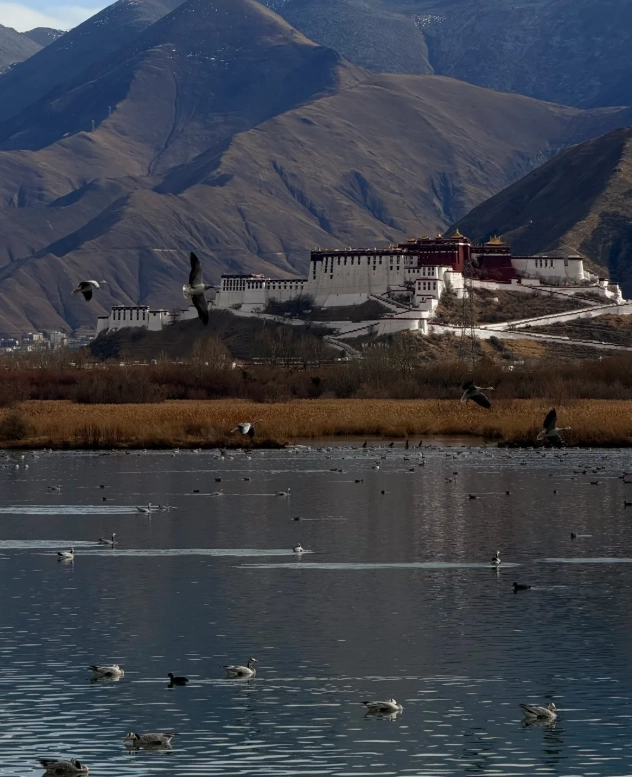
Where to Stay – Hotels That Work
| Hotel Name | Address | Price per night (May) | Best For |
|---|---|---|---|
| St. Regis Lhasa | No.22 Jiangsu Road | ¥1,200–¥1,800 | Luxury, oxygen in room, English-speaking staff |
| Himalaya Hotel Lhasa | No.1 West Beijing Road | ¥400–¥600 | Great location near Barkhor, good Wi-Fi |
| Kyichu Hotel (Tibetan style) | Near Norbulingka, 17 Lingkhor Road | ¥300–¥500 | Budget-friendly, friendly family, ask for roof view |
| Lhasa Yak Hotel Hostel (for backpackers) | No.70 Linkuo East Road | ¥80–¥150 (dorm) | Social, free drinking water, lockers |
My personal pick: Himalaya Hotel. It’s not fancy, but the location is unbeatable—you can walk to Barkhor Street in 5 minutes, and the front desk helped me sort out a lost passport once. Also, they have a 24-hour hot water situation (rare in Lhasa).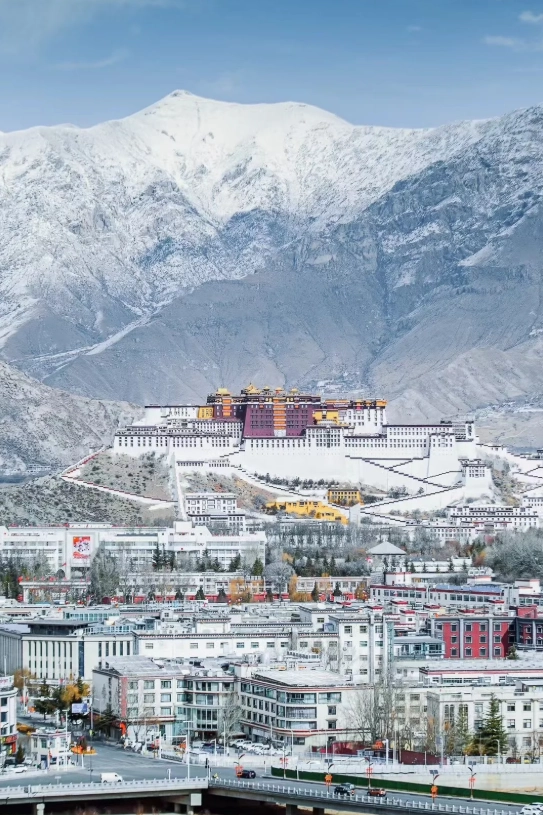
What to Eat – Real Food Survival Guide
Tibetan food is heavy—lots of yak meat, butter tea, and tsampa (barley flour). Your stomach may need time. Here’s what I always recommend:
- Lhasa Kitchen (Barkhor South Street) – Great momos (dumplings) and thukpa (noodle soup). Cash only. ¥30 per person. I always get the beef momos with chili dip—juicy and not too spicy.
- Snowland Restaurant (near Jokhang) – Famous for their yak burger. Tourist-friendly, English menu, prices about ¥60–80 per dish. The yak steak is tough, try the curry instead.
- Sweet Tea Stalls on Barkhor Circuit – Grab a thermos of Tibetan sweet tea (¥5) and sit with locals. It’s milky, sweet, and perfect for altitude.
Budget Breakdown – How Much Will You Burn?
| Expense Category | Budget Option (per day) | Comfort Option (per day) |
|---|---|---|
| Accommodation | ¥100–¥200 | ¥400–¥800 |
| Meals | ¥60–¥100 | ¥200–¥400 |
| Transport | ¥30–¥60 | ¥100–¥200 |
| Attractions | ¥50–¥100 | ¥150–¥300 |
| Misc (water, snacks, tips) | ¥30–¥50 | ¥100–¥200 |
Total: Budget about ¥400–¥600/day, comfort ¥1,000–¥1,500/day. Note: the Tibet Travel Permit (required for all foreigners) costs ¥50–¥100 if your tour handles it. For independent travelers, count on ¥300 extra for permit processing. Also, many attractions insist on cash for foreign cards—ATMs work, but bring enough.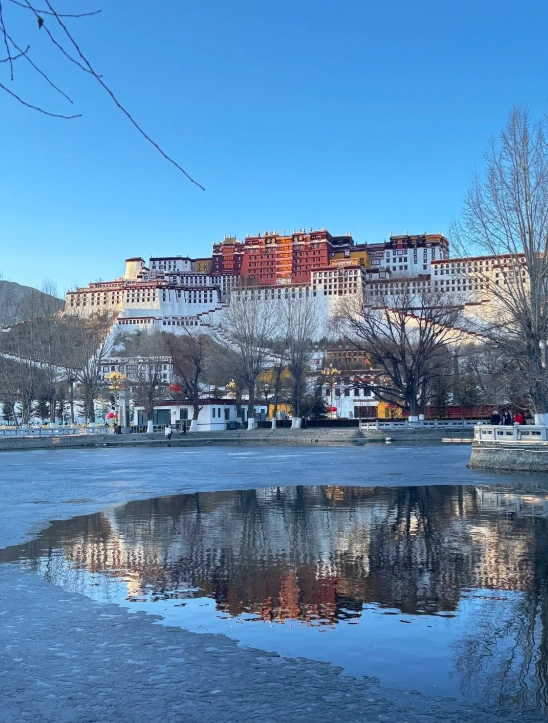
Common Tourist Traps (and How to Dodge)
- Fake “special” items on Barkhor Street – Those “antique” prayer wheels? Mass-produced in Chengdu. Buy only from government-approved shops if you want authentic thangkas or carpets.
- Photo fees at monasteries – Some monks will demand ¥10 for taking their photo. Just nod and pay, or avoid if you’re not serious.
- Unlicensed guides – They’ll approach you at Potala offering “skip-the-line” for ¥500. Don’t. The line is the only way; there’s no shortcut. Use official guides through Ctrip or your hotel.
- Altitude sickness oxygen scams – Shops sell small oxygen cans for ¥50 each. They last 10 minutes. Better to rent a portable oxygen concentrator (¥200/day) from a pharmacy—way more efficient.
One more thing: do not take photos of military or security checkpoints. Lhasa has a heavy police presence, and I’ve seen tourists get their phones confiscated. Just don’t.





No comments yet.