 Wei Zhang
What You'll Find Here
I still remember my first time stepping onto Barkhor Street. The smell of juniper incense, the hum of prayers, the clatter of Tibetan boots on stone – it hit me all at once. But I also remember the regret: I went at noon, the sun was brutal, and I had no idea which direction to walk. After guiding hundreds of travelers through this sacred kora route, I've learned exactly how to visit Barkhor Street without feeling lost or overwhelmed. Let me save you the trial and error.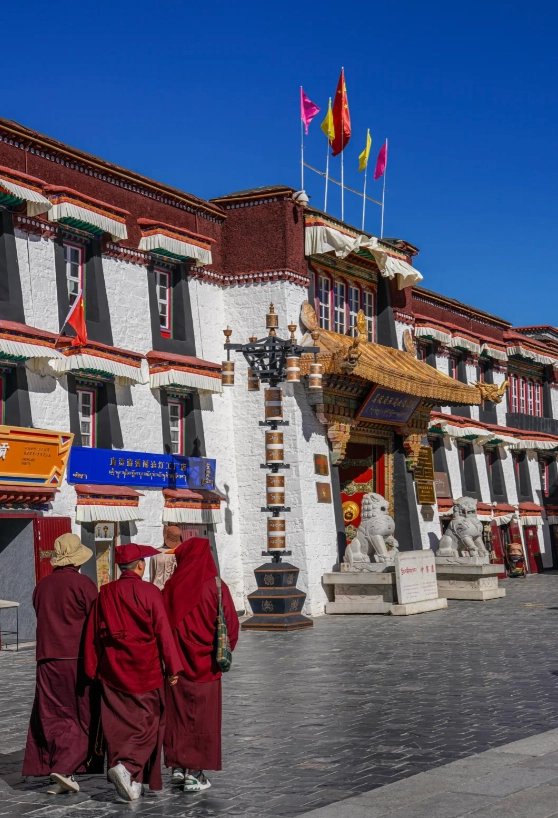
Why Barkhor Isn't Just a Shopping Street
Most travel blogs list Barkhor as a market for souvenirs. True, you'll find rows of prayer wheels, turquoise jewelry, and yak wool scarves. But the real heart of Barkhor is the kora – a clockwise pilgrimage circuit around the Jokhang Temple. Locals come here to prostrate, spin mani wheels, and accumulate merit. As a visitor, walking the kora is the most authentic way to experience Lhasa. Skip the shopping frenzy for a moment and just watch the devotion unfold.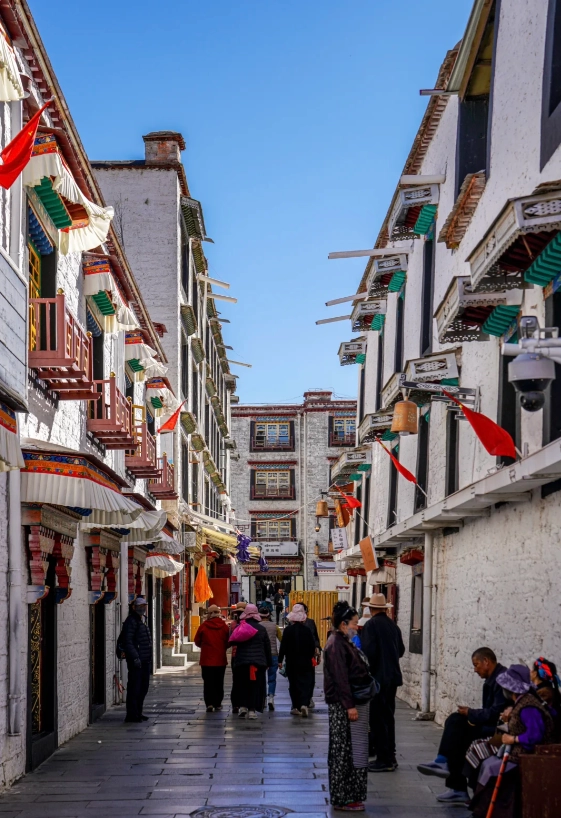
Best Time to Walk Barkhor
Here's where I see people mess up. They arrive around 10 AM, when tour groups flood in. The street gets packed, the sun is high, and the magic fades. I always tell my clients: go at sunrise (around 6:30-7:30 AM) or late afternoon (4:30 PM onwards). Morning light paints the golden rooftops, and you'll see monks and pilgrims in deep prayer. Plus, the temperature is pleasant. If you're after photos, aim for 4-6 PM – the golden hour hits the white walls and red curtains perfectly.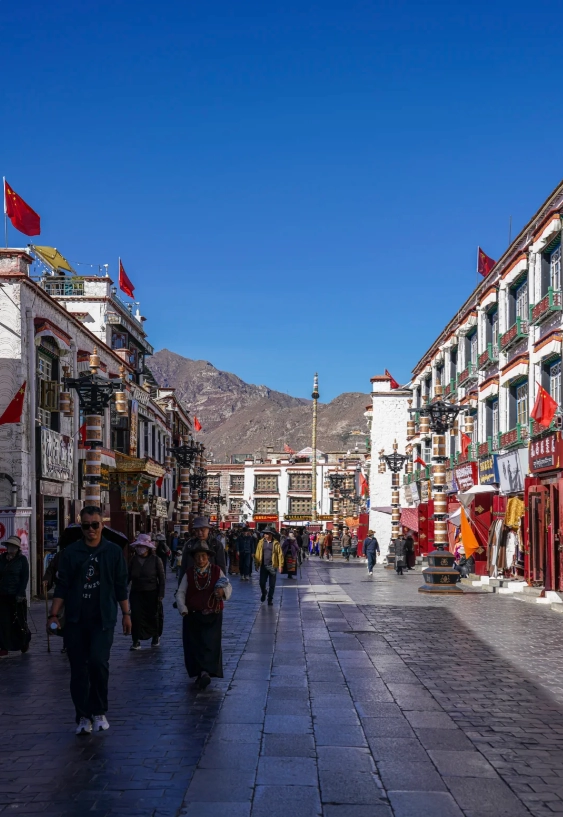
| Time | Pros | Cons |
|---|---|---|
| 6:30-8:00 AM | Peaceful, authentic, cool weather | Many shops closed, need to arrive early |
| 10:00 AM-2:00 PM | All shops open | Crowded, hot, harsh light |
| 4:30-7:00 PM | Golden light, fewer tourists, lively prayer sessions | Some shops start closing at 6 |
How to Get There
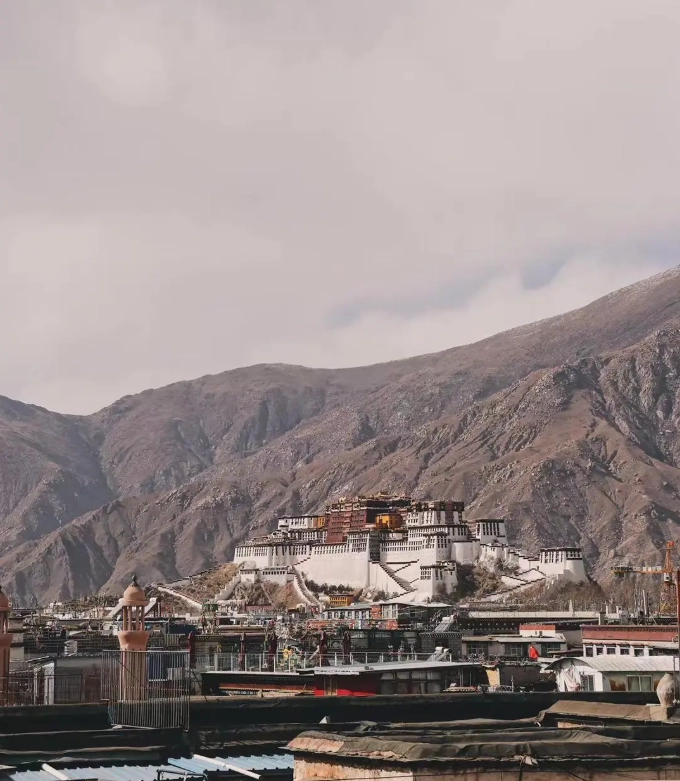
Barkhor Street is in the heart of Lhasa's old town, about a 15-minute walk from the Potala Palace. If you're coming from elsewhere:
- By taxi: Tell the driver “Barkhor Street” or “Jokhang Temple.” Most drivers know. Expect around 15-20 RMB within the city center. Make sure they drop you at the south entrance (near the Jokhang square) to start walking clockwise.
- By bus: Take bus lines 1, 2, or 12 to the “Jokhang Temple” or “Barkhor” stop. The bus stop is about 200 meters from the main entrance.
- On foot: If you're near the Potala, head east on Beijing East Road, then turn south at the first big intersection. You'll see the Jokhang Temple spire within 15 minutes.
Now, here's an unpopular opinion: don't take a taxi to the north gate. That drops you at the end of the kora route, and if you're not careful, you might start walking counterclockwise out of habit. Start at the south gate near the Jokhang Temple entrance.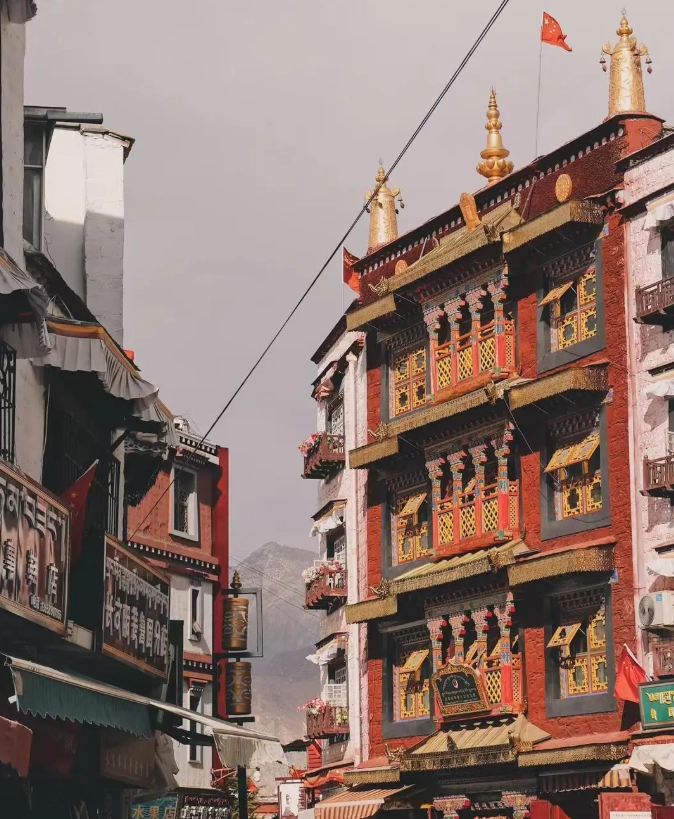
The Walking Route – Insider Tips
The full kora is about 1.5 km and takes 30-45 minutes at a leisurely pace. But don't just rush through. I break it into three sections:
Section 1: The Southern Arc (Jokhang Square to the Yamen)
This is where you'll see the most pilgrims. They're doing full-body prostrations. Tip: stand to the side, don't block their path. If you want to take photos, keep a respectful distance. There's a famous photo spot here: the view of Jokhang's golden rooftop against the blue sky. Use a zoom lens to avoid walking into the prayer path.
Section 2: The Eastern Alley (Market & Mani Wheel Row)
This part is lined with shops. You'll find prayer wheels embedded in the wall. Spin each one gently – it's said to send prayers to the wind. If you want to buy something, this section has the largest selection. But here's my rule: don't buy from the first stall you see. Prices drop as you go further east. I've seen identical prayer beads priced 50% less just 50 meters down.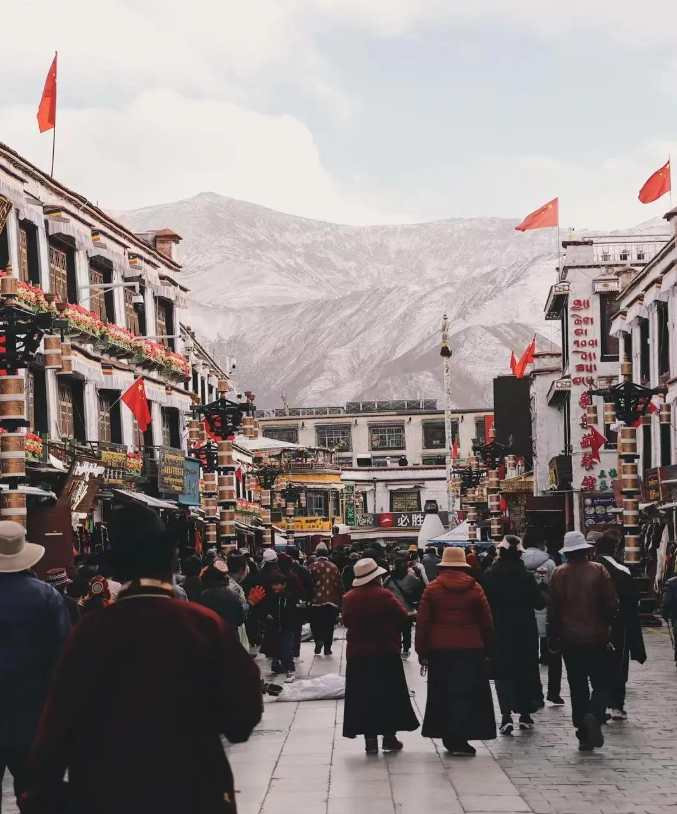
Section 3: The Northern Bend (Quiet Retreat)
After passing the main market, the crowd thins. This is my favorite part. You get glimpses of local life: old women weaving, kids playing. There's a small white stupa at the northwest corner – locals toss coins for luck. Stop for a moment. The noise fades. This is the real Lhasa.
What to Wear and Bring
Lhasa's altitude (3,650m) means strong UV and variable temperatures. Here's my checklist:
- Sunscreen & sunglasses – the sun burns even on cool days.
- A hat or scarf – pilgrims often cover their heads; it's respectful to do the same when walking near Jokhang.
- Comfortable, quiet shoes – the stone streets are uneven. Sandals will kill your feet.
- A small bottle of water – you'll get thirsty, but don't chug too much; altitude makes you need to pee.
- Khatag (white ceremonial scarf) – you can buy one on the street for 5 RMB. Offering it at Jokhang is a meaningful gesture.
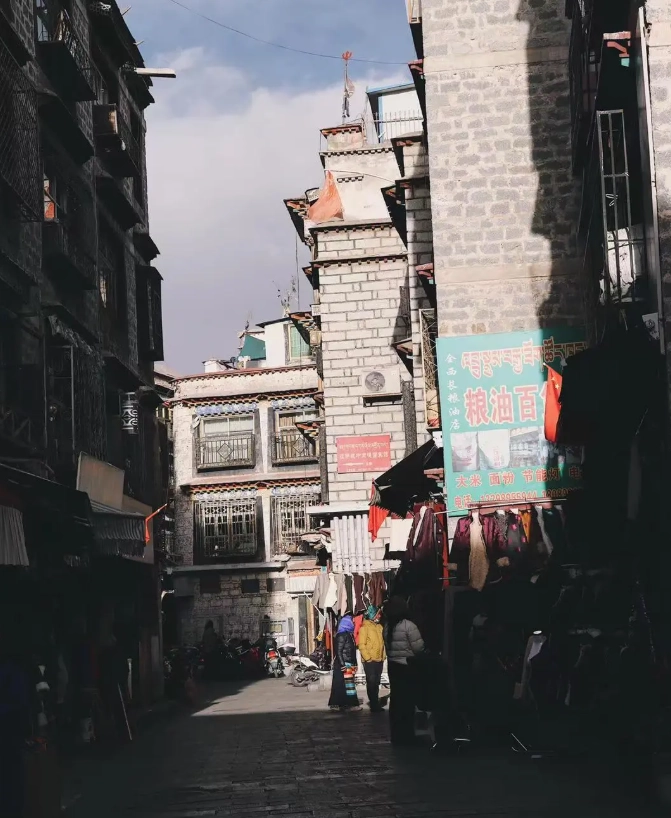
Common Mistakes to Avoid
- Walking counterclockwise. I've seen tourists do it and get loudly corrected by old Tibetans. Always follow the flow.
- Wearing revealing clothes. Barkhor isn't a beach. Cover shoulders and knees. You'll feel more comfortable and respected.
- Not bringing cash. Of course, WeChat and Alipay are everywhere, but some old shopkeepers only take cash. I keep 100 RMB in small bills for street vendors.
- Photographing pilgrims without permission. Ask with a smile and a nod. Most will allow it. Pointing a camera in their face? Not cool.
- Assuming the street is open 24/7. The kora is accessible at all times, but shops open around 8 AM and close by 7 PM. Some close for lunch (12-2 PM). Plan accordingly.
FAQ
Verified and fact-checked by the editorial team.





No comments yet.