 Lei Li
⚡ What You'll Find in This Guide
I’ve lost count of how many times I’ve walked through the massive arched gate of Putuo Zongcheng Temple. Each time, I still stop dead in my tracks when that white-and-gold facade comes into view. It’s not just a building – it’s the Qing dynasty showing off. Built between 1767 and 1771 to impress Mongolian and Tibetan elites, it’s a near replica of Lhasa’s Potala Palace, but here in Chengde, Hebei. And honestly? It might be easier to visit this one than the real deal (no altitude sickness, for starters).
If you’re planning a Chengde trip, this temple will probably be the highlight. But I’ve seen too many tourists rush through, miss the best photo spots, or show up at the wrong time. So let me save you the hassle. Here’s everything you need to know – from ticket prices to my secret route that avoids the tour bus crowds.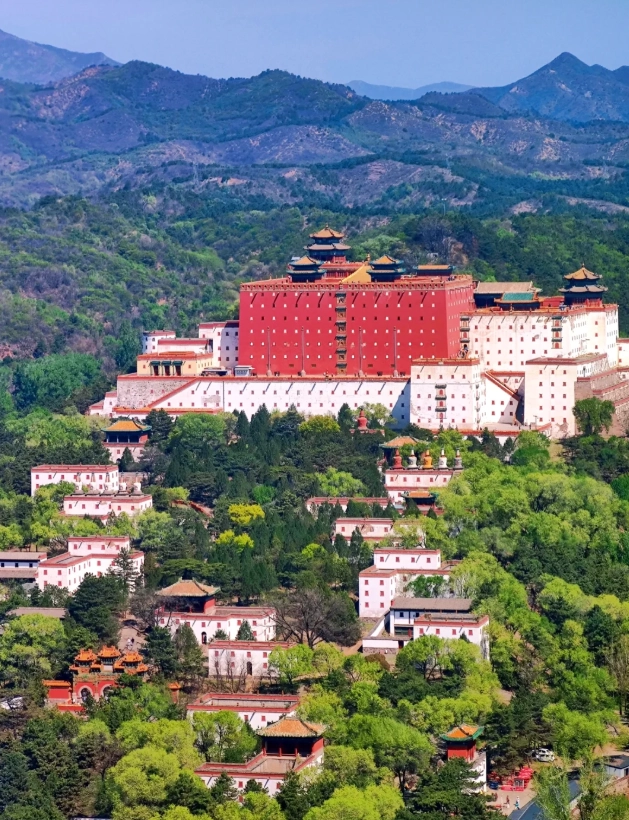
Why Putuo Zongcheng Temple Should Be on Your Chengde Itinerary
A Brief History: Built to Impress
Emperor Qianlong ordered this temple as part of his “Eight Outer Temples” project. The goal? Show the Mongol and Tibetan leaders that the Qing emperor was both a secular ruler and a Buddhist protector. So he built them a smaller version of the Potala – but still grand enough to leave anyone speechless. The name “Putuo Zongcheng” literally means “the place where Guanyin (Avalokitesvara) teaches” – a direct reference to the Potala Palace’s spiritual meaning.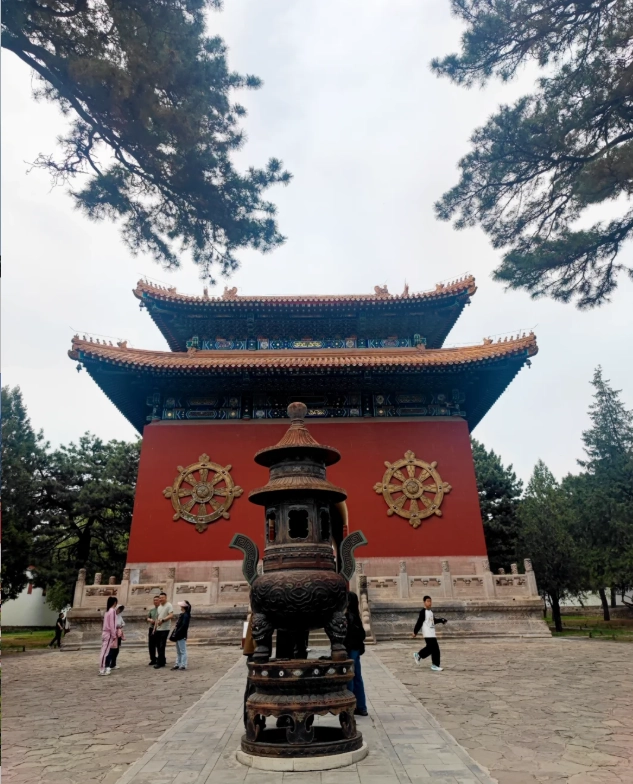
How It Compares to the Potala Palace
I’ve been to the real Potala in Lhasa. Yes, that one is larger and sits on a hill. But Putuo Zongcheng has something unique: you can actually walk through every hall and chapel without feeling claustrophobic. The layout is more open, the gardens are manicured, and the golden roof shines even brighter against Hebei’s blue sky. Plus, the ticket is a fraction of the cost (around 80 RMB vs. 200+ for Potala).
Essential Visitor Information
| Item | Details |
|---|---|
| Ticket Price | Adult: 80 RMB (peak season Apr–Oct) / 60 RMB (off-season Nov–Mar). Free for children under 1.2m. Seniors 60+ get half price. You must book online via the official WeChat mini-program “避暑山庄及周围寺庙” or third-party sites like Trip.com. On-site tickets are often sold out during Chinese holidays. |
| Opening Hours | Peak: 08:00 – 17:30 (last entry 17:00). Off-peak: 08:30 – 17:00 (last entry 16:30). The temple closes entry 30 min before the posted time. I recommend arriving by 08:00 – you’ll have the place almost to yourself. |
| Address | Inside the Mountain Resort Scenic Area, Shuangqiao District, Chengde. Google Maps search: “Putuo Zongcheng Temple” or use the Chinese name “普陀宗乘之庙”. |
| Accessibility | The main courtyard is wheelchair accessible, but the upper halls require stairs. No ramps to the golden roof. Borrow a wheelchair at the entrance – free with a deposit. |
How to Get to Putuo Zongcheng Temple
Most visitors stay in Chengde city center (Shuangqiao District). From there, you have three good options:
- Taxi / Didi: 15–20 minutes, about 20–25 RMB. Show the driver “普陀宗乘之庙”. They all know it.
- Bus: Take bus 10, 28, or 118 to “普陀宗乘之庙” stop. The bus drops you right at the gate. Fare is 2 RMB (pay with WeChat or cash – no foreign cards).
- Walking: If you’re staying near the Mountain Resort, it’s a pleasant 25-minute walk along the Wulie River. Follow the signs toward the “Eight Outer Temples”.
Best Time to Visit and How to Beat the Crowds
I always tell my travelers: go in the morning, not the afternoon. Tour buses start arriving at 09:30, and by 11:00 the main hall is packed. I’ve seen groups of Chinese tourists lined up 20-deep to take selfies under the golden roof.
The temple faces east, so the morning light (07:00–09:00) hits the white facade perfectly. After 14:00, the light is harsh and the golden roof reflects so much glare you’ll squint in every photo.
As for seasons: late April, May, and October are ideal – mild weather, clear skies. July and August are hot (35°C) and humid, with occasional rain. December to February is freezing (often below -10°C) but you’ll have the temple almost empty – just bundle up.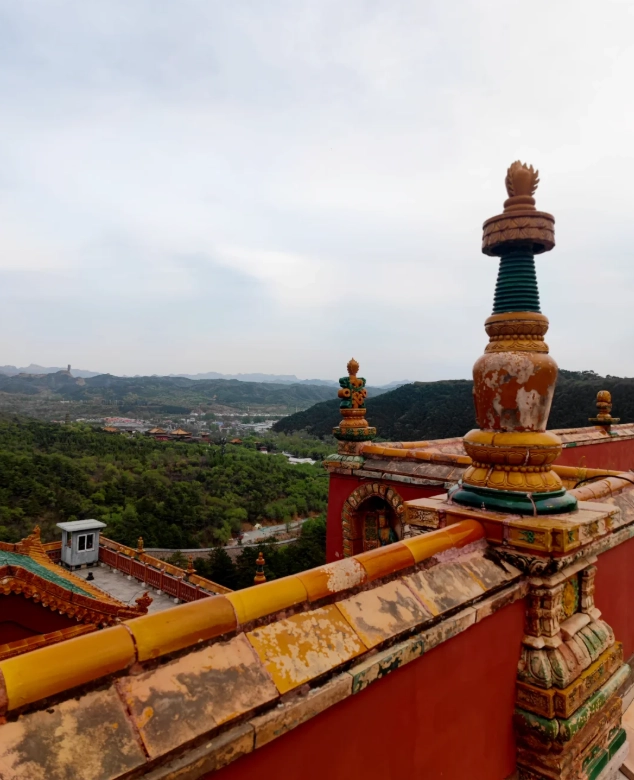
What to See Inside: A Self-Guided Walking Route
I’ve designed a route that takes about 1.5 hours at a relaxed pace, skipping the souvenir shops and hitting the highlights.
The Main Hall: The Mahayana Hall
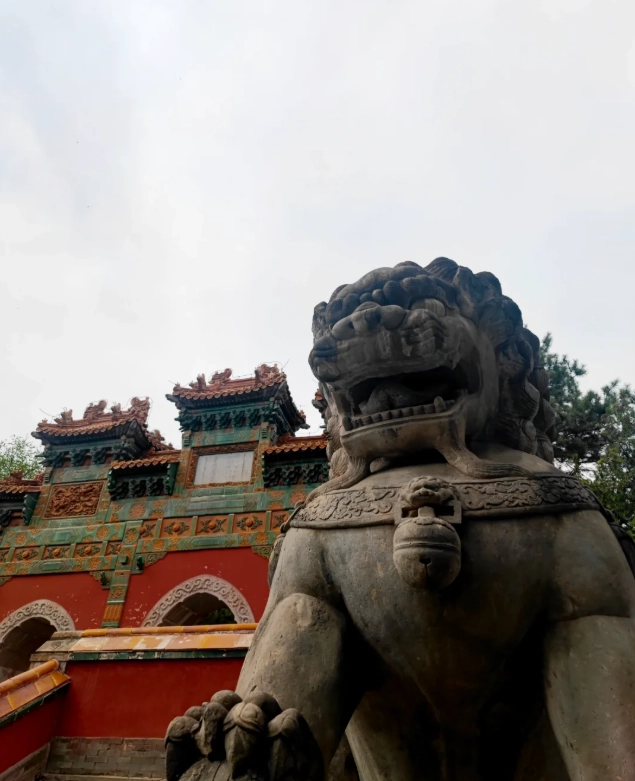
Enter through the mountain gate, pass the stone lions, and head straight up the central stairway. The Mahayana Hall (Dachengdian) is the tallest building – it houses a 20-meter high gilded statue of Tsongkhapa, the founder of the Gelug school of Tibetan Buddhism. Look up: the ceiling is a colorful mandala that most tourists ignore.
The Golden Roof and the Glazed Tiles
From the Mahayana Hall, walk to the left side where a staircase leads to the roof. The golden roof is actually gilded copper – 1.5 tons of gold leaf, according to the official record. The glazed tiles along the edges are deep blue and green, and each one is stamped with a dragon pattern. Touch them – they’ve been there for 250 years.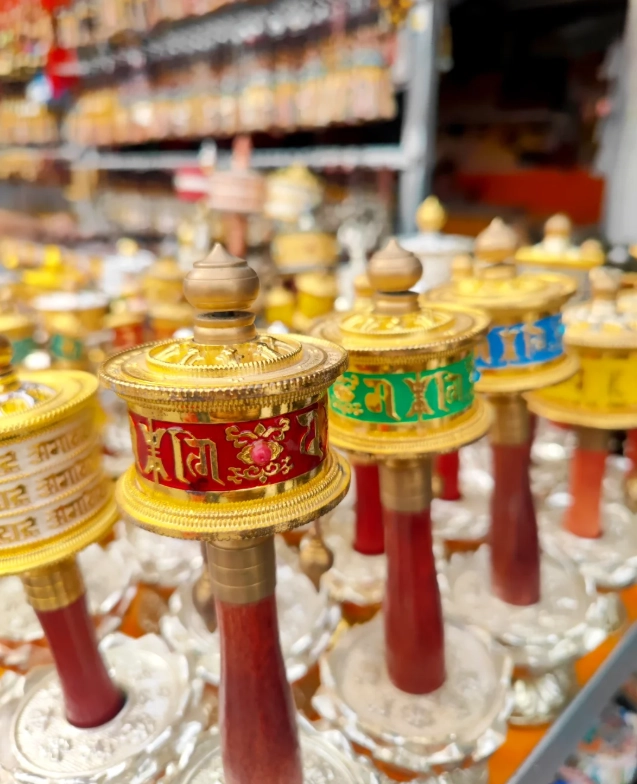
The Surprising Details Most Tourists Miss
Behind the main hall, there’s a small courtyard with a white dagoba (stupa). Most tour groups skip it because it’s not on the map. That’s where I take my clients for a quiet moment. Also, look for the tiny bronze bells hanging from the eaves – they ring in the wind, and the sound is hauntingly peaceful.
Practical Tips for a Smooth Visit
- Toilets: The only clean restroom is near the entrance – use it before you start exploring. The ones inside are squat toilets with no toilet paper. I always carry a small pack of tissues.
- Food & Water: There’s a small shop inside that sells water (5 RMB) and snacks, but no real meals. Bring your own lunch if you plan to stay 3+ hours. No outside alcohol allowed.
- Dress code: No strict rules, but consider long pants if you want to sit on the stone steps. The sun gets intense – a hat and sunscreen are essential even in spring.
- Photography: Tripods and drones are forbidden inside the temple. Selfie sticks are okay but security might stop you if you block the walkways.





No comments yet.