 Hong Ma
Quick Navigation
I've led dozens of groups through Puning Temple over the years, and I still remember the first time I walked into the Mahayana Pavilion — the sheer scale of the 22-meter-tall wooden Guanyin statue left me speechless. But I've also seen travelers show up at the wrong gate or get stuck in midday crowds. This guide cuts through the noise so you can enjoy one of Chengde's most breathtaking sites without the headaches.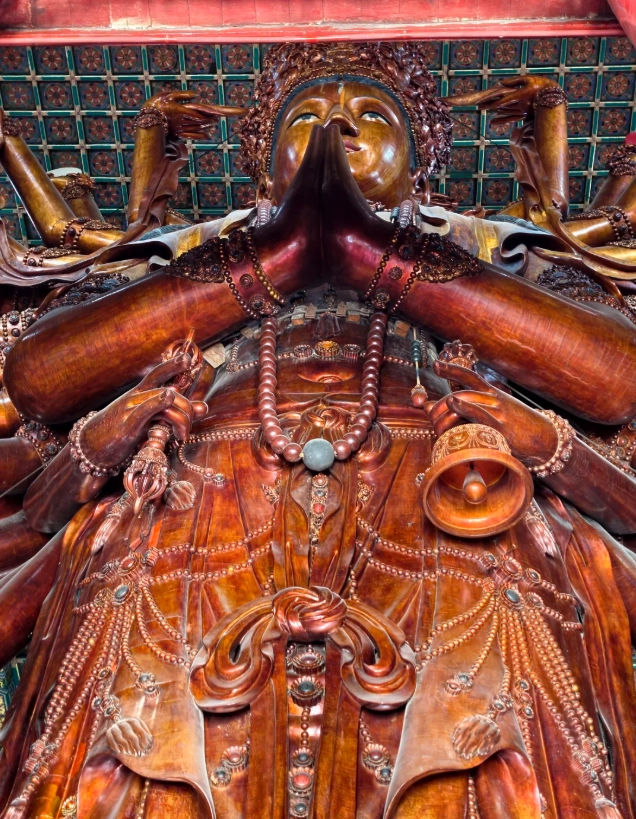
What Makes Puning Temple Special
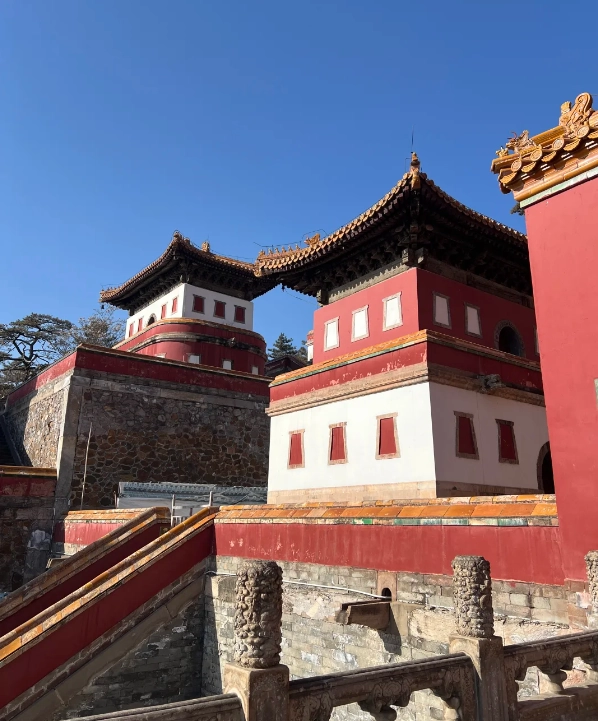
Puning Temple is part of the 'Eight Outer Temples' built during the Qing dynasty to showcase China's multicultural empire. Its architectural style blends Han Chinese, Tibetan, and Mongolian influences — you'll see sweeping Chinese roofs next to white dagobas and prayer wheels. The star attraction is the Giant Guanyin statue inside the Mahayana Pavilion. Carved from five types of wood (pine, cypress, elm, fir, and linden), it's one of the tallest wooden statues of the goddess of mercy in the world. The temple is also a living monastery: you can still see monks chanting in the prayer halls.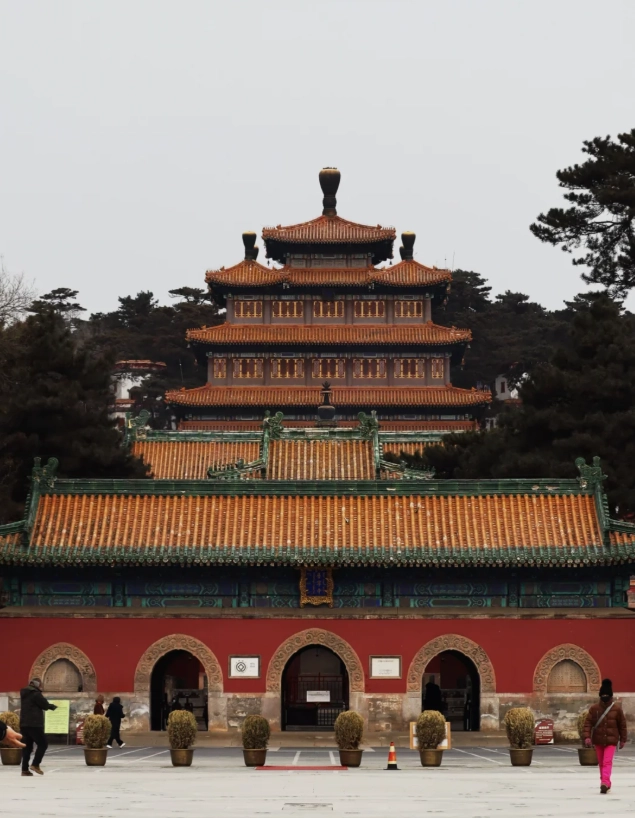
Getting There
By Public Bus
From the center of Chengde, take bus route 118 and get off at Puning Temple Station (about 30 minutes). The bus runs every 10 minutes from 6:30 am to 7:30 pm. Once you step off, you'll see the temple's red walls directly ahead — just a 2-minute walk.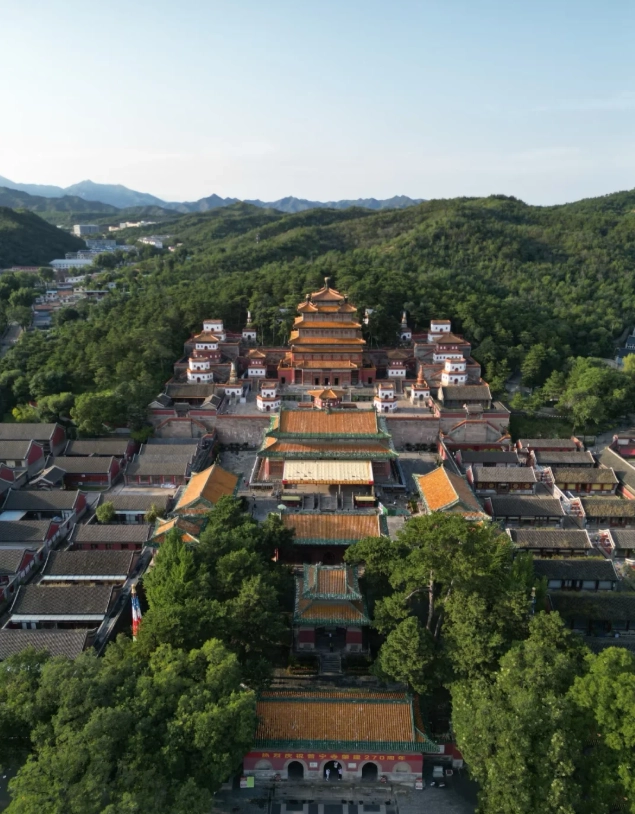
By Taxi or Ride-Hailing
Taxis are cheap and convenient. From Chengde Railway Station, a ride costs around 20–30 RMB and takes 20 minutes (avoid rush hours 8-9 am and 5-6 pm when traffic jams near the temple). Tell the driver: "去普宁寺" or show them on your phone. If using Didi (the local Uber), type 'Puning Temple' as the destination.
Driving
If you rent a car, set your GPS to '普宁寺停车场'. There's a paid parking lot opposite the main gate (about 5 RMB per hour). Note: the entrance is on the south side of the complex; don't confuse it with the parking lot for the nearby Putuo Zongcheng Temple.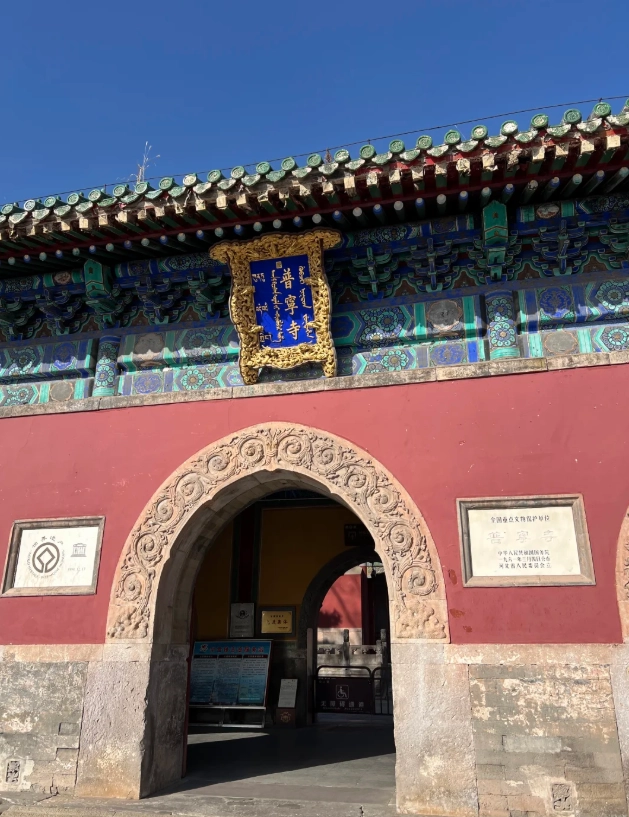
Tickets & Opening Hours
| Item | Details |
|---|---|
| Adult ticket (peak season, Apr-Oct) | 80 RMB |
| Adult ticket (off season, Nov-Mar) | 60 RMB |
| Children (1.2–1.4m) | Half price |
| Children under 1.2m | Free |
| Seniors (60+ with ID) | Half price |
| Opening hours (peak) | 8:00 am – 5:30 pm (last entry 5:00 pm) |
| Opening hours (off peak) | 8:30 am – 5:00 pm (last entry 4:30 pm) |
| Reservation required? | No, but recommended during Chinese holidays (buy on Trip.com or WeChat mini-program '普宁寺') |
What to See Inside
The Mahayana Pavilion
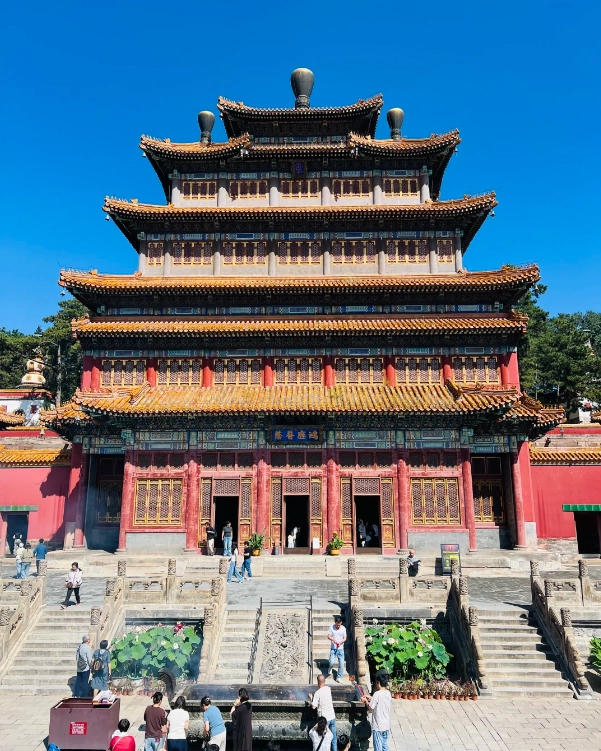
This six-story wooden structure houses the main Guanyin statue. The statue has 42 arms (each holding a symbolic object) and is surrounded by thousands of smaller Buddha niches. Look up — the ceiling paintings are vibrant and largely original from the Qianlong era. Photography is allowed, but no flash (the conservators will scold you).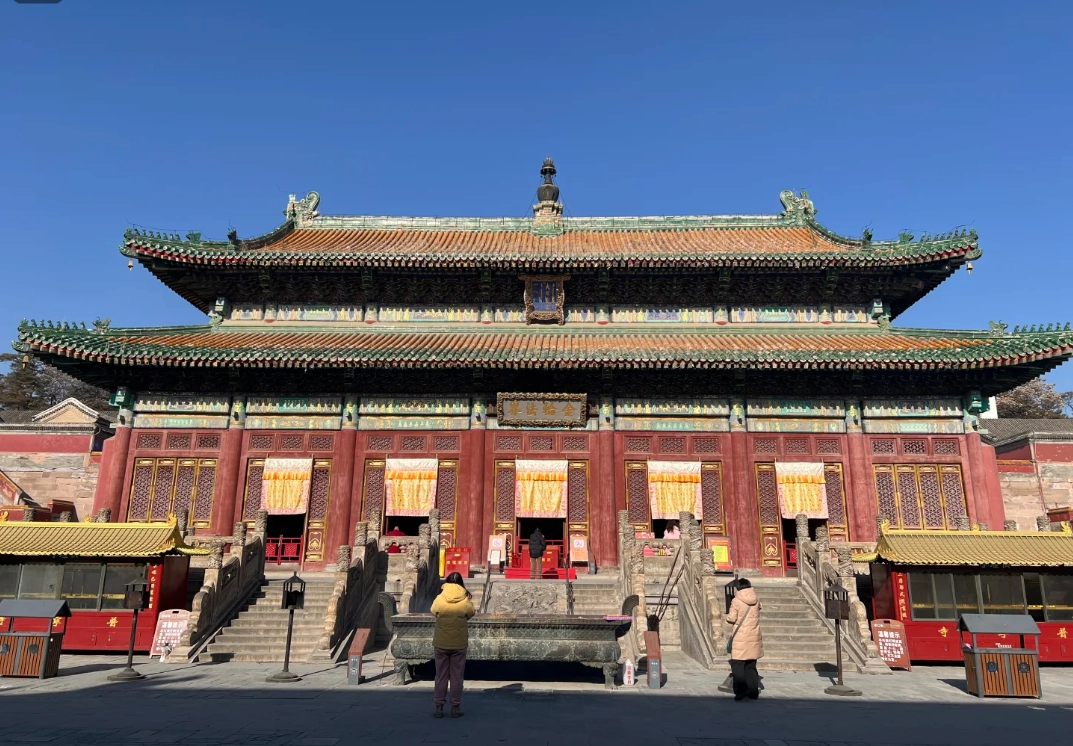
The Prayer Wheel Corridor
On the left side of the first courtyard, you'll find a row of bronze prayer wheels. Spin each one clockwise while walking — it's said to bring good karma. I always tell my groups: start from the east end and walk west, spinning each wheel with your right hand.
Monk's Quarters and Living Buddha Hall
These areas are often overlooked. In the back hall, you might see monks making offerings or chanting. Be respectful, keep your voice low, and don't enter areas marked 'private.'
Best Time to Visit
Golden hour: 3:30 pm – 5:00 pm. The low sun lights up the golden roof tiles and the red walls — perfect for photos. Plus, tour groups usually leave by 4 pm, so you'll have the courtyard almost to yourself. Morning (8 am) is also good if you want to catch the monks' morning chanting (around 6:30 am, but the temple opens at 8). Avoid midday in summer: the sun is harsh, and the shadowless courtyard offers little shade.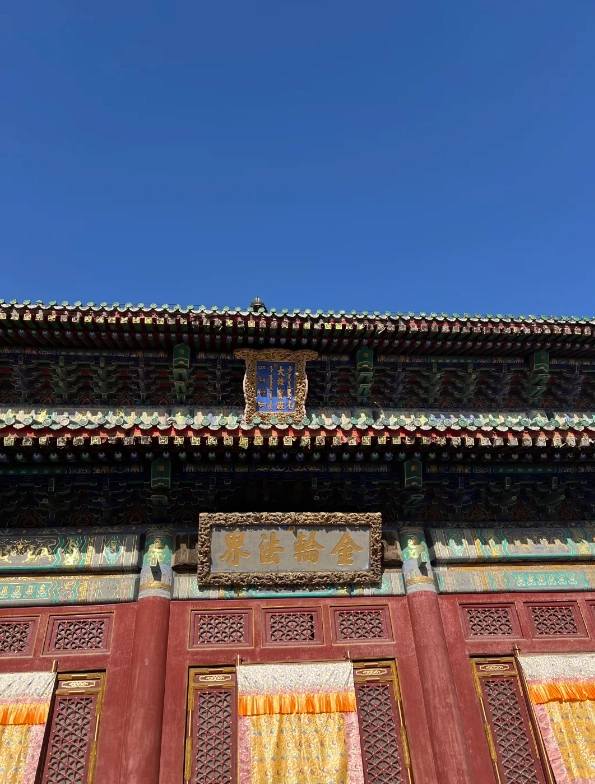
Tips from a Guide
- Shoes: You'll climb many steps inside the pavilion. Wear comfortable shoes — no flip-flops.
- Water: Bring your own bottle. There's a small shop near the entrance but it's overpriced (10 RMB for water).
- Bathroom: Use the restroom at the parking lot before entering. The toilets inside are squat-style and less clean.
- Audio guide: Available at the ticket office for 30 RMB. I actually recommend it — the English commentary is decent and points out details you'd miss otherwise.
- Dress modestly: It's an active temple. Avoid shorts above the knee or sleeveless tops. I once saw a guard politely stop a visitor for wearing a tank top.
Nearby Attractions
Puning Temple is part of a temple cluster. Within walking distance (15–20 minutes):
- Putuo Zongcheng Temple (the 'Little Potala') — similar Tibetan style, much larger. Combo ticket with Puning is not available; buy separately (80 RMB peak).
- Pule Temple — smaller but has a unique circular hall. Quiet and photogenic.
- Bishushanzhuang (Mountain Resort) — a 10-minute taxi ride. China's largest imperial garden. Allow half a day.
FAQ
This content has been fact-checked to ensure informational precision. Verified and fact-checked by the editorial team.





No comments yet.