 Bo Wu
Bo Wu
Quick Guide
Why Jinshanling?
I've hiked nearly every restored section of the Great Wall — Badaling, Mutianyu, Simatai — and I keep coming back to Jinshanling. Why? Because it strikes the perfect balance between wild authenticity and accessibility. Unlike Badaling, where you're elbowing through selfie sticks, Jinshanling offers long stretches where you can be the only soul on the wall. The restoration here is minimal — the brickwork is original Ming Dynasty, crumbling in places, which adds to the atmosphere. It's not a theme park; it's a real archaeological site.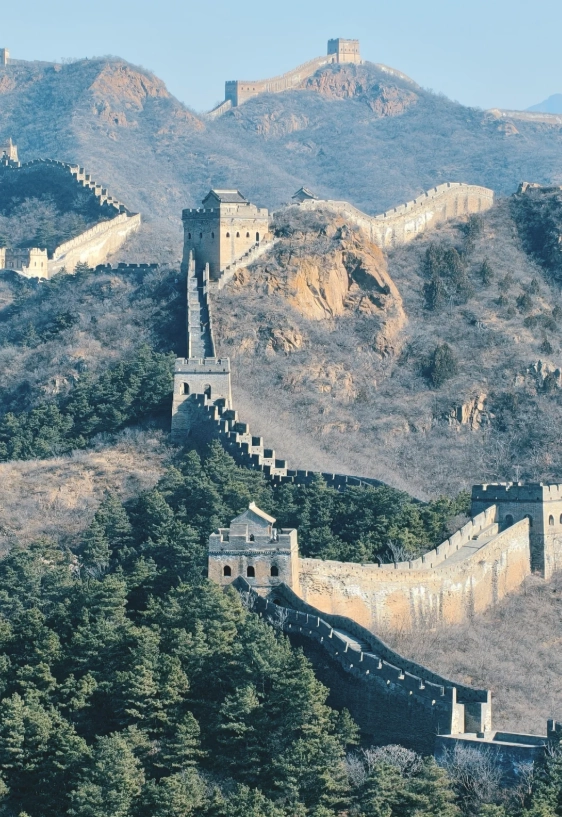
Most tourists flock to Mutianyu because it's closer to Beijing (about 1.5 hours) and has a cable car. But Jinshanling, about 2.5 hours from the city, rewards you with panoramic views that are less obstructed by trees. The wall snakes over steep ridges like a dragon's spine — the photos don't do it justice. If you're a serious hiker or photographer, this is your spot.
Getting There: Transportation Tips
From Beijing
Jinshanling is located in Luanping County, Hebei Province. The most straightforward way is to join a small-group tour or hire a private driver (costs around 800–1200 RMB for a round trip). But if you want to go independently, here's the step-by-step:
- Bus from Dongzhimen: Take bus 916 (Kuai) to Huairou — it drops you at Huairou Beidajie. Travel time: about 1 hour. Fare: 12 RMB (pay with Beijing Transit Card or cash). From there, transfer to a local bus or minibus heading to Jinshanling — look for buses marked to Luanping or Miyun. Alternatively, share a taxi (about 60–80 RMB per person).
- Train to Luanping: There are trains from Beijing North Station (Beijingbei) to Luanping. The slow train (K or 6xxx series) takes about 3 hours and costs around 30 RMB. From Luanping station, you can take a local bus or taxi (30 minutes, 50 RMB) to the wall entrance.
Pro tip: Avoid buses that stop at “Jinshanling Great Wall Scenic Area” if they are part of a shopping tour. Stick to public transport or a reputable driver from a platform like DiDi.
Entrance Fees and Opening Hours
| Item | Details |
|---|---|
| Adult ticket | 65 RMB (as of 2025, check the official site) |
| Student ticket | 35 RMB (with valid student ID) |
| Children under 1.2m | Free |
| Opening hours | 08:00–17:00 (summer); 08:00–16:30 (winter). Last entry 30 minutes before closing. |
| Online booking | Required one day in advance via WeChat mini-program “Jinshanling Great Wall” or booking platforms like Trip.com. |
| Cable car (optional) | Single 30 RMB, round trip 50 RMB. Operates 08:30–16:00. |
I always recommend buying tickets online — especially on weekends and public holidays (Chinese Golden Week, May Day). The ticket booth can have long lines even at 8:30 AM. The WeChat mini-program is in Chinese, but Trip.com has an English interface.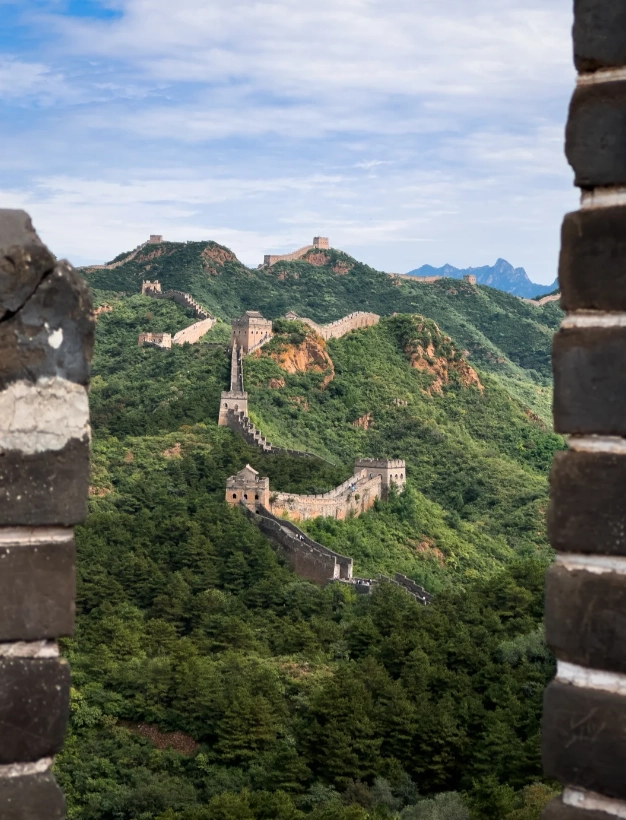
Best Time to Visit
Here's my non-consensus take: go in late October. The autumn colors (red and yellow leaves) contrast beautifully with the gray stone. The summer heat can be brutal (I've seen people heatstroke at noon), and the winter wind cuts through the wall's gaps. Spring is also good (April to May) but be prepared for occasional sandstorms.
As for time of day: start at 3 PM. I know most guides say early morning, but here's the thing — the tour buses all leave by 2 PM, so from 3 PM onward, you'll have the wall almost to yourself. Plus the late afternoon light is golden for photography. Just make sure you exit before the gates close at 5 PM (summer). If you want more time, consider staying overnight at a nearby guesthouse.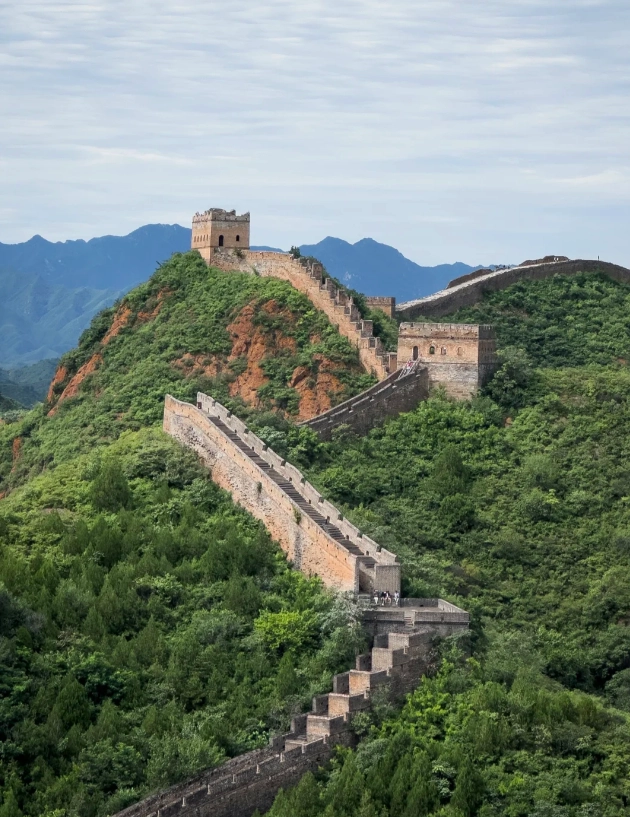
Hiking Routes and What to Expect
There are two main sections: the east route (from the main entrance to the partially restored Simatai section) and the west route (toward the crumbling unrestored part). I recommend the east route for first-timers because it's more maintained.
Typical hike: Enter through the main gate, take the cable car up (or walk 20 minutes up the paved path), then walk east along the wall. You'll pass about 8 watchtowers before reaching a barrier where the wall becomes too dangerous to continue. The round trip takes about 2–3 hours with stops for photos. If you want more challenge, go west — the wall becomes a scramble over broken bricks, and you'll need good hiking boots. I once saw a tourist in sandals trying to navigate it — not smart.
Key watchtowers to note: General Tower (Jiangjun Lou) and the Watchtower of Five Eyes (Wuyan Lou) offer the best 360-degree views. Most people miss the smaller tower beside the cable car exit — head there for a quiet spot.
Where to Stay
If you don't want to rush back to Beijing, stay at a guesthouse near the west gate (there are a dozen family-run places). I've stayed twice at Jinshanling Courtyard Guesthouse (address: near West Gate, Jinshanling Great Wall Scenic Area). Pros: very close to the entrance (you can see the wall from your window), the owner is a local farmer who can recommend hiking routes, and they serve home-cooked meals. Cons: basic facilities (thin walls, squat toilets), Wi-Fi is slow. Price range: 200–400 RMB per night.
For a more comfortable option, Jinshanling Hotel (on the main road, about 1 km from the east entrance) has standard rooms with en-suite bathrooms, Wi-Fi, and English-speaking front desk staff. Rates 400–700 RMB. Nearby: a convenience store and a few restaurants.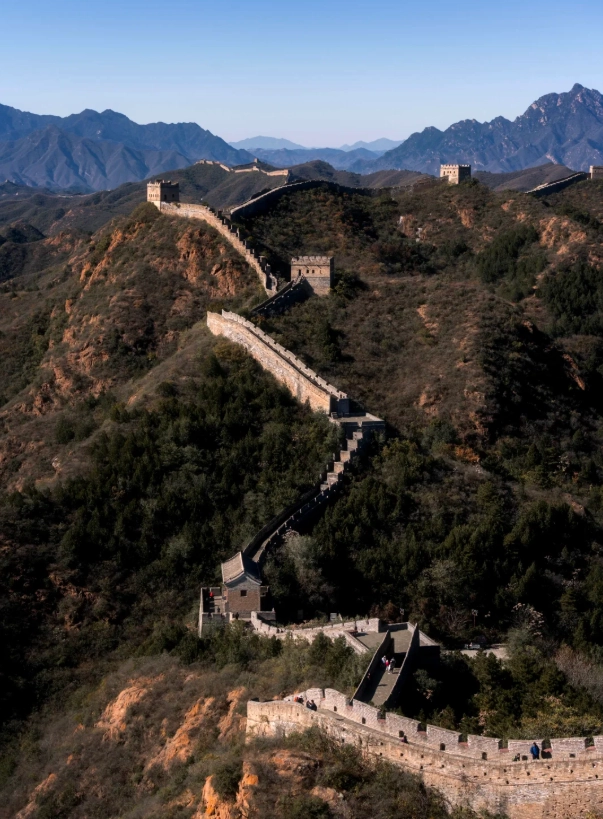
Food and Drinks
Inside the scenic area, you'll find small vendors selling instant noodles, water, and snacks — but they're overpriced (water 5 RMB vs 2 RMB outside). I always bring my own lunch and refillable water bottle. There's a clean restaurant at the east entrance called Great Wall View Restaurant (Google Maps rating: 4.2). Their specialty is “northern-style” lamb skewers (15 RMB each, a bit chewy but tasty) and hand-pulled noodles. They accept cash and WeChat Pay — but not international credit cards, so bring cash.
If you're staying overnight, the guesthouse where I stay offers a simple dinner set (80 RMB/person) including stir-fried vegetables, tofu, and rice. It's not fancy, but it's real food. The host once let me try his homemade plum wine — that was a highlight.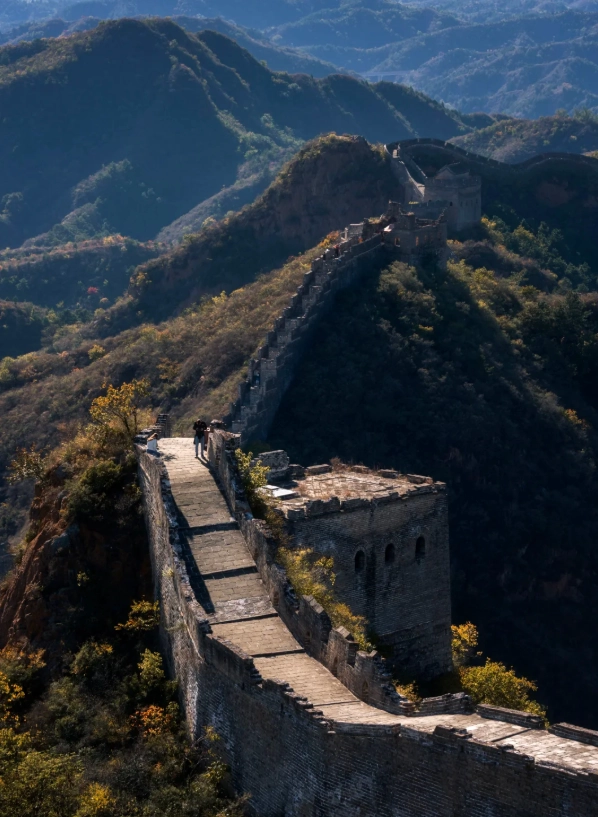





No comments yet.