 Wei Zhang
What’s Inside This Guide
I still remember the first time I walked into the Mahayana Hall at Puning Temple. My jaw literally dropped. A 22-meter tall wooden statue of Guanyin – carved from a single tree – stares down at you with calm, intricate detail. And the best part? Most tourists rush to the nearby Mountain Resort and miss this place. So you often get the hall almost to yourself.
Let me walk you through everything you need to know to make your visit smooth, memorable, and crowd-free.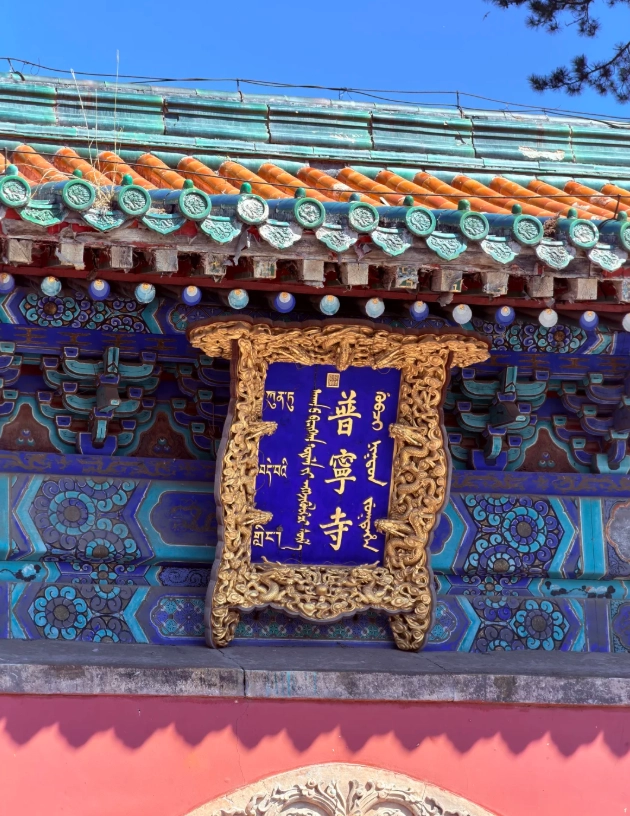
Why Puning Temple Matters
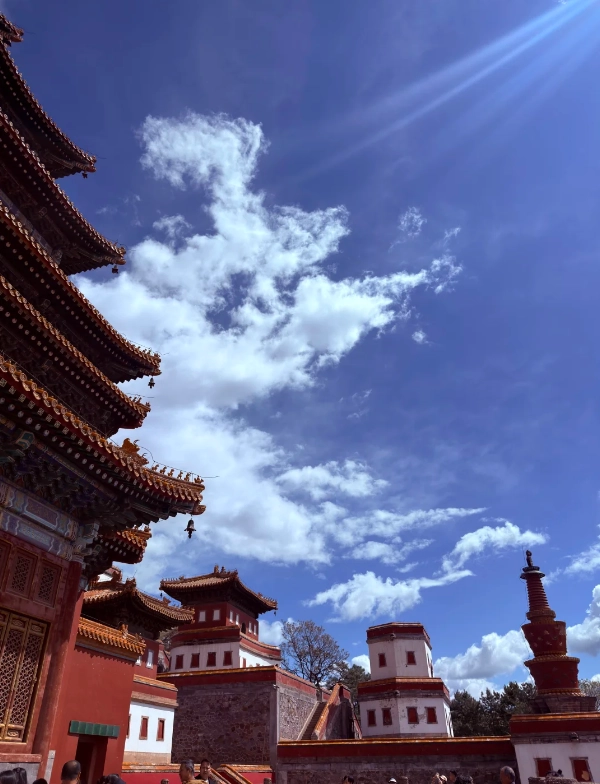
Built in 1755 under Emperor Qianlong, Puning Temple is one of the Eight Outer Temples of Chengde, a UNESCO World Heritage site. The name means “Temple of Universal Peace” – it was meant to symbolize the Qing dynasty’s control over the Dzungar Mongols. But beyond politics, it’s a masterpiece of Han and Tibetan architecture blended together.
The centerpiece is the Giant Wooden Buddha, actually a 22.28-meter (73 ft) statue of Avalokitesvara with 42 arms. It’s made from five types of wood – mainly pine, cypress, and elm – and took 15 years to complete. The sheer scale is humbling. And unlike many famous Buddha statues in China that are bronze or stone, this one is wood, which makes it rare and fragile.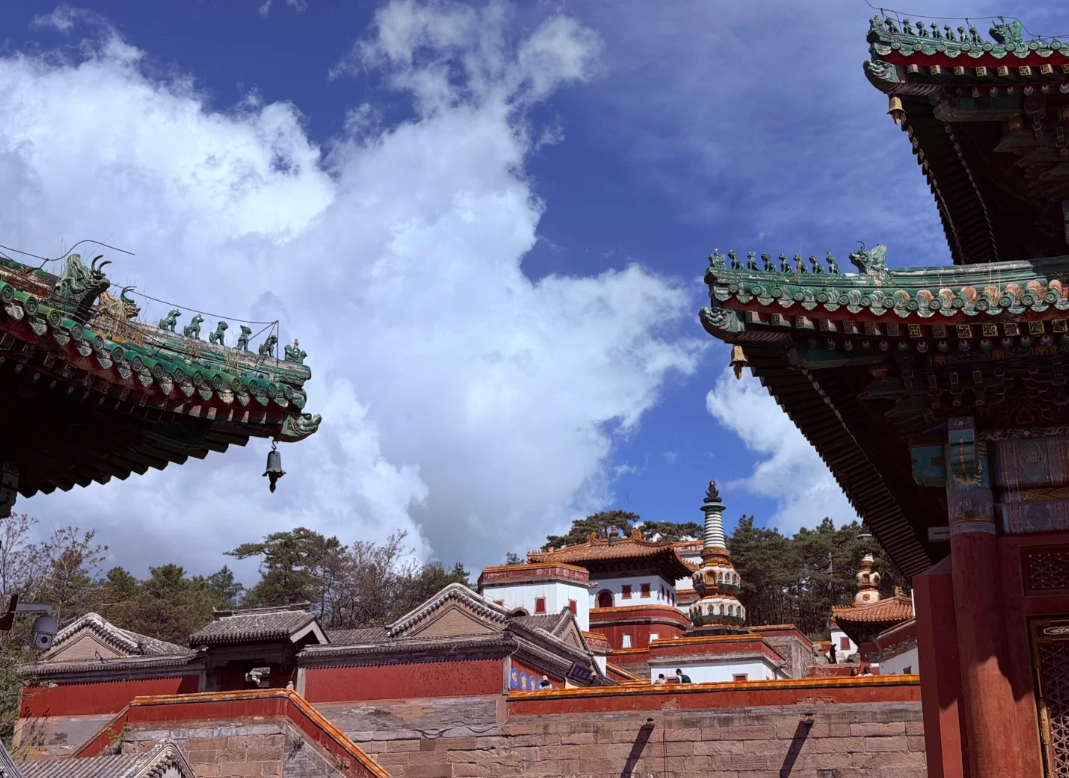
How to Get to Puning Temple
Puning Temple is located in the northern part of Chengde city, about 3 km from the Mountain Resort. Here’s how to reach it:
| Method | Details | Cost |
|---|---|---|
| By Taxi | From city center (e.g., Shuangqiao District), about 15–20 minutes. Show driver “普宁寺”. | ~15–20 RMB (metered) |
| By Bus | Take bus #6, #7, or #19 to “Puning Si” stop. The stop is a 5-min walk from the entrance. | 2 RMB |
| By Ride-Hailing | Didi app works well. Enter “Puning Temple” as destination. | ~12–18 RMB |
🚕 Taxi tip: Many drivers will try to take you to the Mountain Resort first. Insist on Puning if that’s your priority. English is limited, so have the Chinese name ready.
Tickets & Opening Hours – Don’t Get Stuck
Ticket pricing as of my last visit – always check official site or ask your hotel for updates: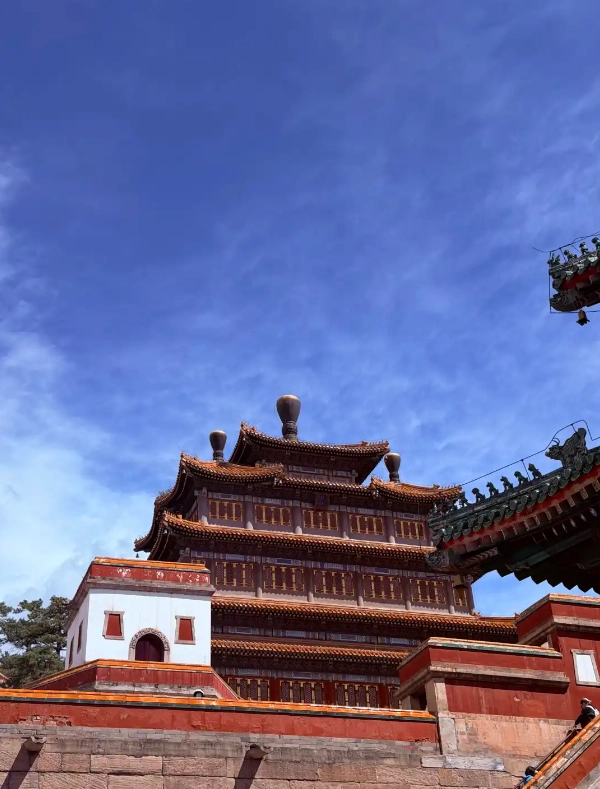
| Category | Price (RMB) | Notes |
|---|---|---|
| Adult (Peak Apr–Oct) | 80 | Includes main hall and all courtyards |
| Adult (Off-peak Nov–Mar) | 60 | Same coverage, but some outdoor areas may be limited |
| Child (6–18) | 40 | ID required |
| Senior (60+) | 40 | Must show passport |
| Free | Children under 6, disabled | ID needed |
Opening hours:
- Summer (Apr–Oct): 8:00 – 17:30 (last entry 17:00)
- Winter (Nov–Mar): 8:30 – 17:00 (last entry 16:30)
- Closed during major renovations? Rare, but check the official Chengde tourism site before going.
⏰ I always recommend arriving by 8:30AM. The tour buses start rolling in around 10AM. You get a solid hour of near-empty halls.
Best Time to Visit & Pro Tips
Best season: Late September to early October. The weather is cool, the autumn leaves around the temple create a stunning backdrop, and crowds are thinner than in summer. Summer (July–August) is hot and humid, plus it’s peak season for Chinese domestic tourists. Avoid Chinese public holidays (May Day, National Day in October) at all costs – the place gets swamped.
Time of day: 8:30AM–10AM is golden. After 2PM, the sun hits the Mahayana Hall from the west, creating glare for photos. I once took a French couple who insisted on a noon visit – the light was flat and the crowds were building. We retreated to the side courtyard and had a much better experience.
Insider tip: Most group tours enter through the main gate, then head straight to the Mahayana Hall. Instead, go to the right first: visit the Drum Tower, the Bell Tower, and the small exhibits. By the time you reach the Buddha, the first wave has moved on. You’ll have a quieter moment.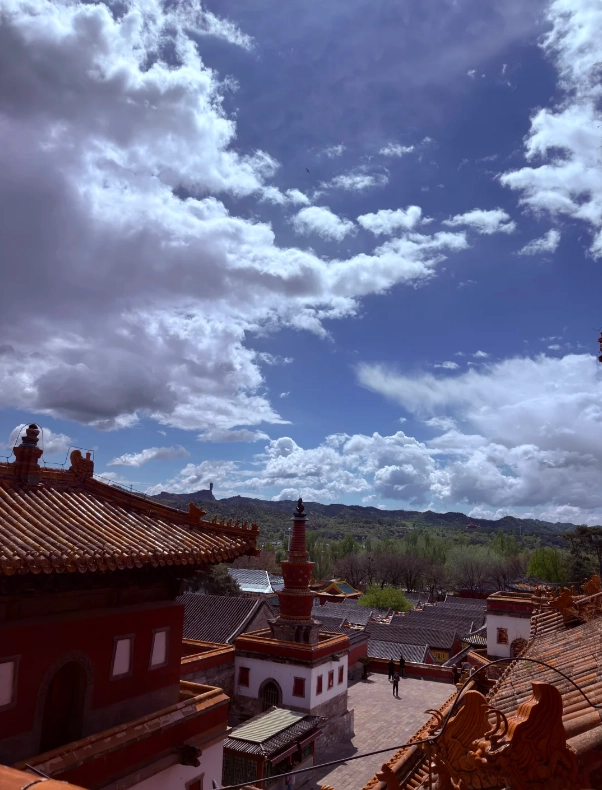
What You Can’t Miss Inside
The Mahayana Hall
This is the main building, six stories tall, housing the giant Buddha. The architecture combines Tibetan dzong style with Han brackets. Walk around the statue – you’ll see the 42 arms (each holding a different ritual object) and the thousands of smaller Buddha images on the surrounding walls. Lighting is dim; your phone camera may struggle. Bring a small tripod if you like – they allow photo without flash.
The Wheel of Life Mural
Located in the east corridor, this vivid painting depicts the cycle of rebirth in Tibetan Buddhism. Many visitors walk right past. Spend five minutes here – the detail is incredible.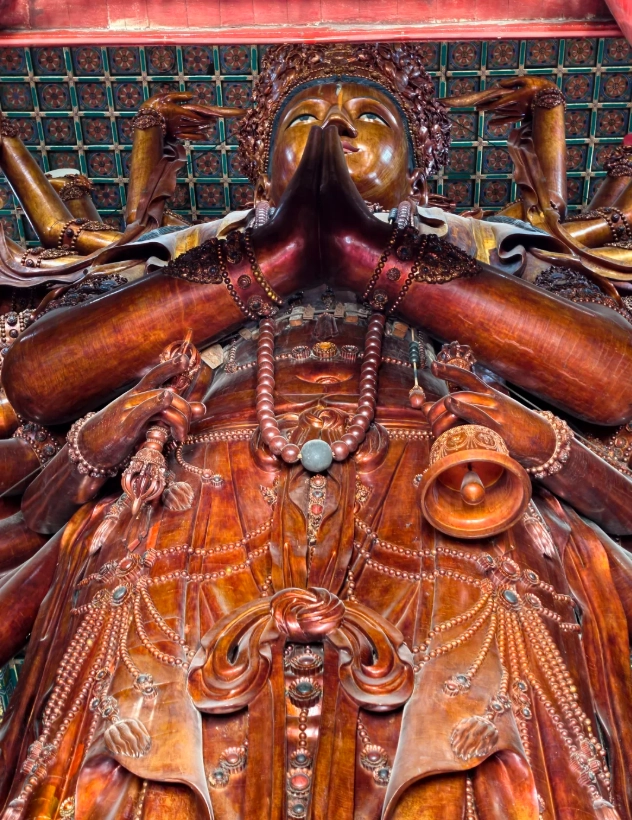
The Stele Pavilions
Two giant stone turtles (bixi) carry steles with inscriptions in four languages: Manchu, Han, Mongolian, and Tibetan. These record the temple’s purpose. If you’re into epigraphy, it’s a highlight.
The Side Halls
They exhibit Buddhist artifacts, thangkas, and an explanation of the temple’s history (in Chinese only, unfortunately). But even without reading, the items are beautiful.
Estimated visit time: 1.5 to 2 hours. You can easily stretch it to 3 if you linger.
Combine with Other Chengde Gems
Puning Temple is part of the Eight Outer Temples cluster. You can easily visit two or three in a day. Here’s my recommended combo:
| Order | Attraction | Time Needed | Distance from Puning |
|---|---|---|---|
| 1 | Puning Temple (start early) | 2 hrs | – |
| 2 | Putuo Zongcheng Temple (mini Potala) | 2–3 hrs | 2 km, 5 min taxi |
| 3 | Pule Temple (Temple of Universal Joy) | 1 hr | 1 km, walkable |
Or, if you prefer a half-day, just do Puning + Putuo Zongcheng. Both are stunning and less crowded than the Mountain Resort. For lunch, try local Chengde “liao” (steamed buns) at Laoma Fengwei restaurant near the east gate of the Mountain Resort – about 25 RMB per person.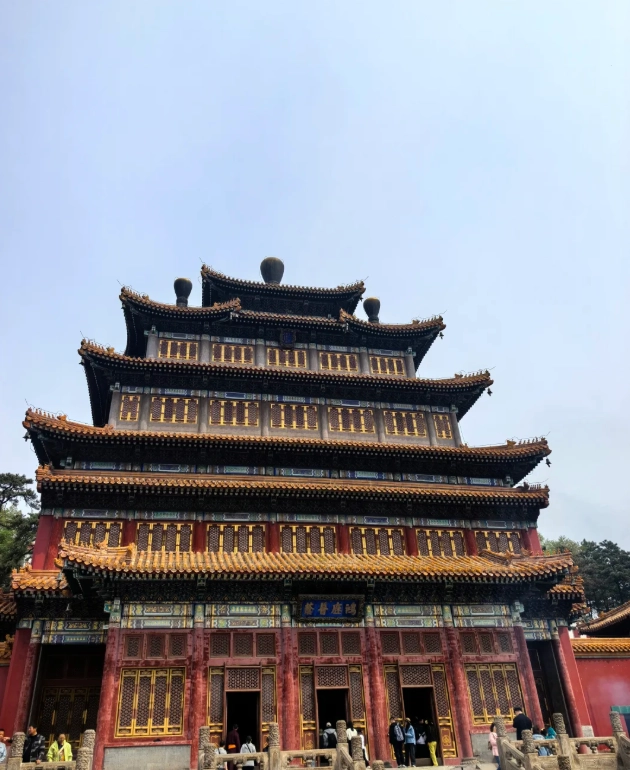
FAQ – Your Burning Questions Answered
Note: Prices and hours were verified with the Chengde Tourism Bureau. Always double-check official sources before your visit.





No comments yet.