.jpeg) Dr. Xue Zhao
Dr. Xue Zhao
What You'll Find Here
I've been leading groups through Chengde for over a decade, and Putuo Zongcheng Temple — often called the "Little Potala" — is the one place that consistently blows people away. Most visitors rush through in an hour, then wonder why they didn't feel the magic. The secret is pacing, knowing where to linger, and avoiding the tourist-trap timing. Let me walk you through exactly how to visit this masterpiece without wasting a second.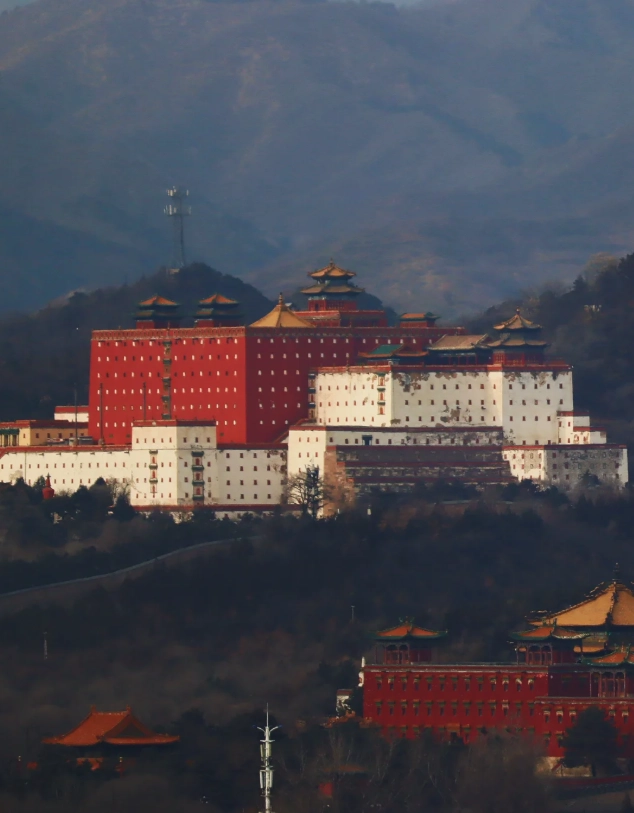
Why This Temple Matters
Built in the 18th century to celebrate the Qianlong Emperor's birthday and to impress visiting Mongolian and Tibetan leaders, Putuo Zongcheng is a near-exact replica of Lhasa's Potala Palace — but with Qing dynasty touches. The scale is enormous: the main hall sits on a 30-meter-high stone base, and the gold-plated copper roof gleams for miles. For history buffs, it's a window into how China unified diverse cultures. For photographers, it's a dream.
Getting There: Chengde Transport Options
Putuo Zongcheng Temple is about 3.5 km north of Chengde's city center. Most visitors come from Beijing, which is a 2-hour high-speed train ride. Here's how to plan the final leg.
| From | To Temple | Best Method | Time | Cost (CNY) |
|---|---|---|---|---|
| Beijing South Railway Station | that Chengde South Railway Station | High-speed train (G-trains) | 2 hours | 95–120 |
| Chengde South Railway Station | Putuo Zongcheng Temple | Take bus 9 or 29 to "Putuo Zongcheng" stop | 40 minutes | 2 |
| Chengde city center (e.g., from Mountain Resort) | Temple entrance | Taxi / DiDi | 15–20 min | 15–25 |
My advice: Don't take a taxi from the railway station without negotiating first — drivers often quote 50 yuan for a 20-yuan ride. Use DiDi (China's Uber) and input 普陀宗乘之庙 — the fare will be displayed upfront. Also, the bus stop is a 5-minute walk from the entrance; look for the giant white stupa, you can't miss it.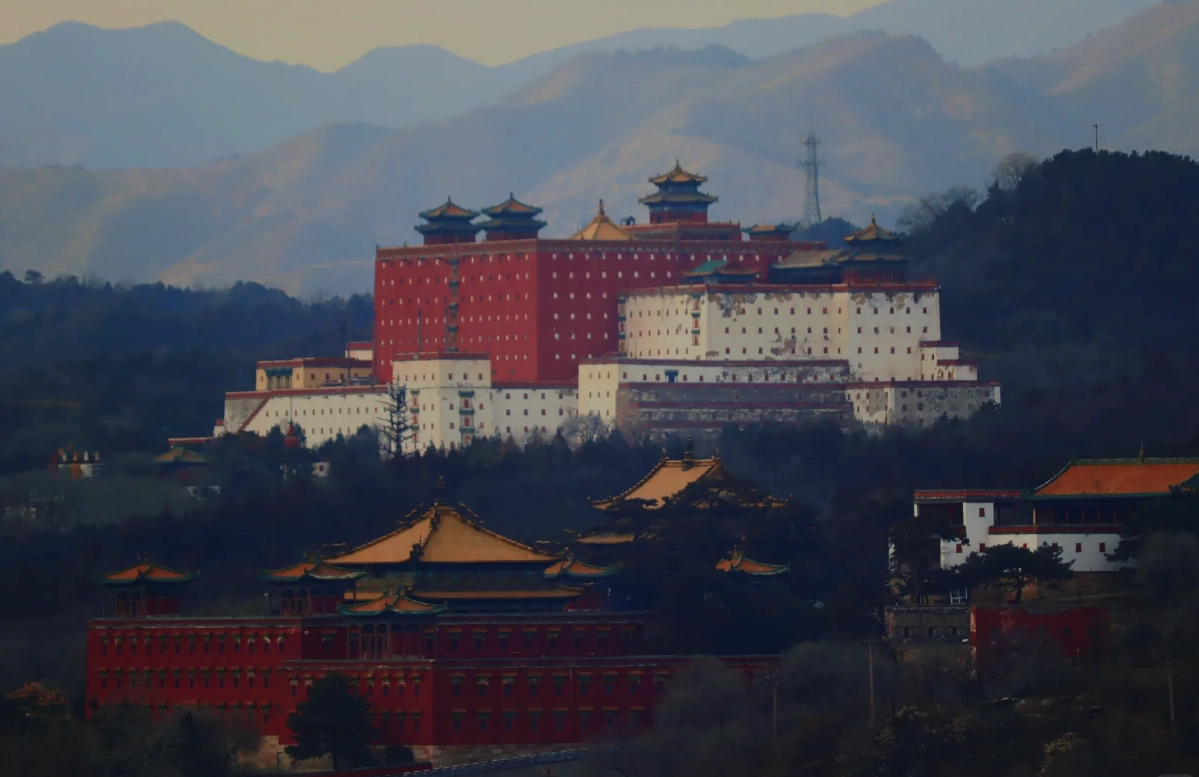
Tickets & Timing: Avoid the Rush
Tickets are 80 yuan for adults (as of 2025), with half-price for students and free for children under 1.2 meters. You do not need to book in advance on normal days, but during Chinese holidays (May Day, National Day, and summer weekends), the ticket office can have queues of 30+ minutes. I always tell my guests to buy tickets via the official WeChat mini-program called "普陀宗乘之庙" — it's in Chinese, but the interface is simple: you scan the QR code at the entrance, select date, and pay with WeChat or Alipay. Foreign credit cards are not accepted online, so carry cash or have a Chinese friend help.
Opening hours vary by season:
| Season | Opening Hours | Last Entry |
|---|---|---|
| Summer (Apr–Oct) | 8:00–17:30 | 17:00 |
| Winter (Nov–Mar) | 8:30–16:30 | 16:00 |
Here's a mistake almost every first-timer makes: they arrive at 9 AM, right when tour groups pour in. Go at 3:30 PM in summer, or 1:30 PM in winter. The light turns golden, the crowds thin, and you'll have the main hall almost to yourself. I once brought a family at 4 PM in June — we practically had the entire top terrace alone. Unforgettable.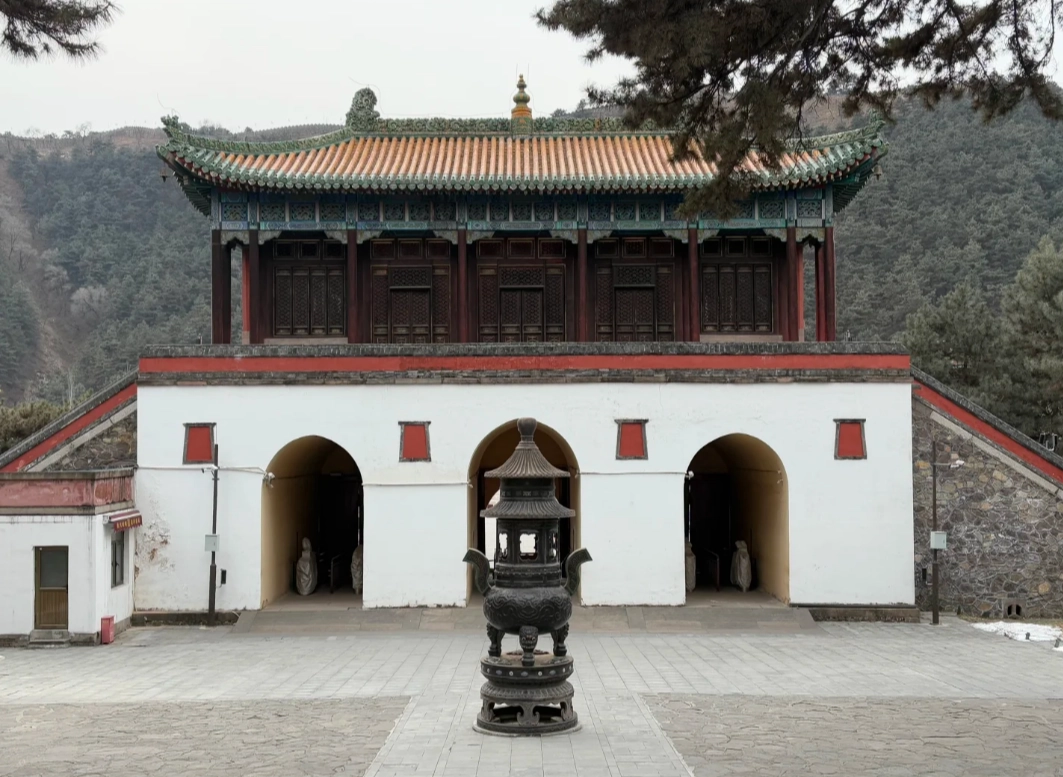
The Inside Scene: What to Expect
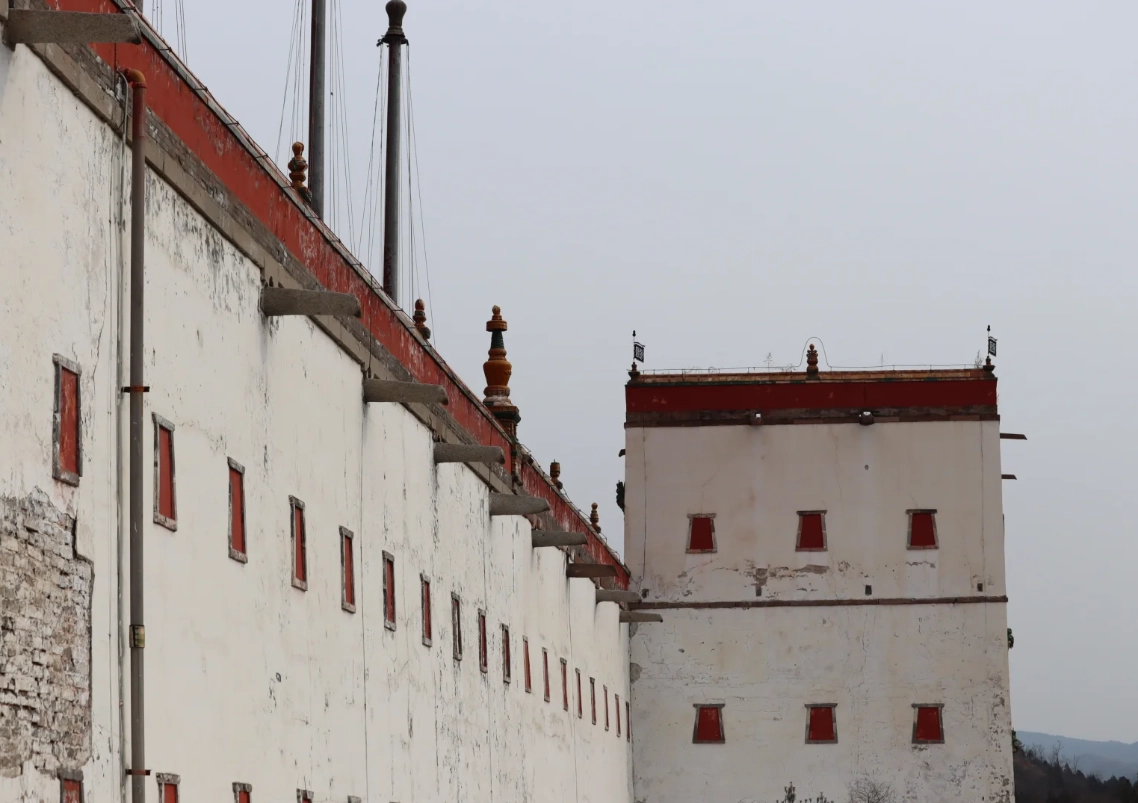
You'll first see a massive red-and-white wall with a gate in the middle — that's the entrance complex. Walk through, and you'll face a steep flight of 80 stone steps. Take breaks; the altitude isn't high, but the sun can be brutal. At the top, you'll enter a courtyard with the main hall, the Great Red Terrace.
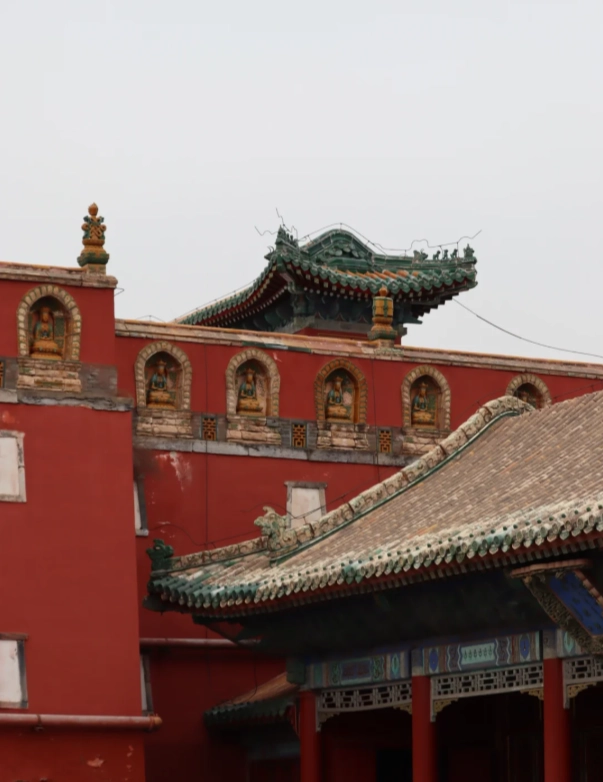
The main hall houses a huge statue of Tsongkhapa, the founder of the Gelug school of Tibetan Buddhism. The interior is richly painted with murals and tapestries. No photography inside the hall — there are guards who will shout at you. I've seen people get fined 200 yuan for ignoring that. Respect the rules.
Around the courtyard, you'll find smaller halls with rotating sutra wheels. Spin them clockwise — each spin is like chanting a prayer. The locals often bring butter lamps and offerings; don't be surprised if you smell yak butter.
The highlight for me is the gold-plated roof. On a sunny day, it's blinding. There's a small platform on the east side where you can get a close-up view. But be careful — the steps here are uneven and slippery after rain. I've had guests trip; keep your eyes on the ground.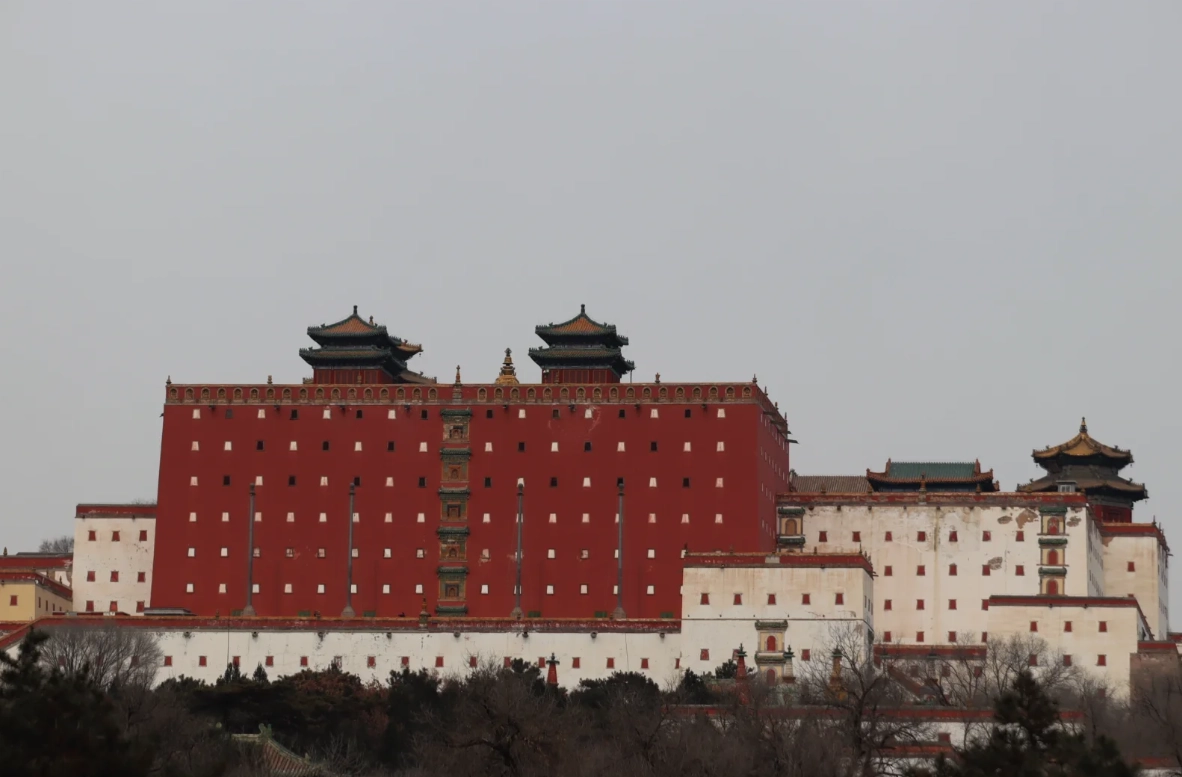
Best Photo Spots & Angles
Most people take the same shot from the front gate — boring. Here are three spots that'll make your Instagram pop:
- The side stairway (east side): About halfway up the main staircase, turn right onto a smaller path. This gives you the red wall framing the gold roof. Best in late afternoon light.
- The white stupa courtyard: Behind the main hall, there's a smaller white chorten. Position yourself so the stupa aligns with the temple roof — classic Tibetan vibe.
- The mountain trail above the temple: A 10-minute hike up the hill behind the temple (follow the dirt path behind the white stupa) gives you a panoramic shot of the entire complex. Not many tourists know this.
Common Mistakes I See Tourists Make
I've been doing this for eight years, and some mistakes keep repeating:
- Going to the toilet before entering: The public restroom outside the ticket gate is usually clean, but the one inside — near the main hall — is often out of paper and has a long line. Use the one at the entrance, or bring your own tissue.
- Carrying big backpacks: There are no lockers inside. You'll have to walk up the stairs with your bag. Leave extras in your hotel or car.
- Assuming a guide isn't needed: You can wander alone, but you'll miss 80% of the stories. I've had guests who spent 30 minutes and left saying "it's just a building." A good guide (or an audio guide from the ticket office) explains the symbolism and history. Worth 50 yuan.
- Not checking the weather: The temple is completely exposed. On a rainy day, the stone steps become dangerously slippery. The complex also closes temporarily during thunderstorms. Check the forecast and bring an umbrella — the gift shop sells cheap ones but they're flimsy.
Nearby Attractions Worth Your Time
Don't make Putuo Zongcheng a standalone stop. It's part of a cluster of eight outlying temples. The most notable ones:
| Temple | Distance from Putuo Zongcheng | Highlight | Admission |
|---|---|---|---|
| Puning Temple (Universal Peace Temple) | 2 km west | 22-meter tall wooden Guanyin statue with 42 arms | 80 yuan |
| Xumi Fushou Temple | 1.5 km east | Similar Tibetan style, quieter crowd | 30 yuan |
| Bishu Shanzhuang (Mountain Resort) | 3 km south | Massive imperial park with lake and grasslands | 130 yuan |
I usually arrange a day like this: morning at the Mountain Resort, lunch at a local mian guan (noodle shop) near the south gate, then 2–3 PM at Putuo Zongcheng, and finish with Puning Temple before sunset. If you only have one day, skip Xumi Fushou unless you're a hardcore temple fan.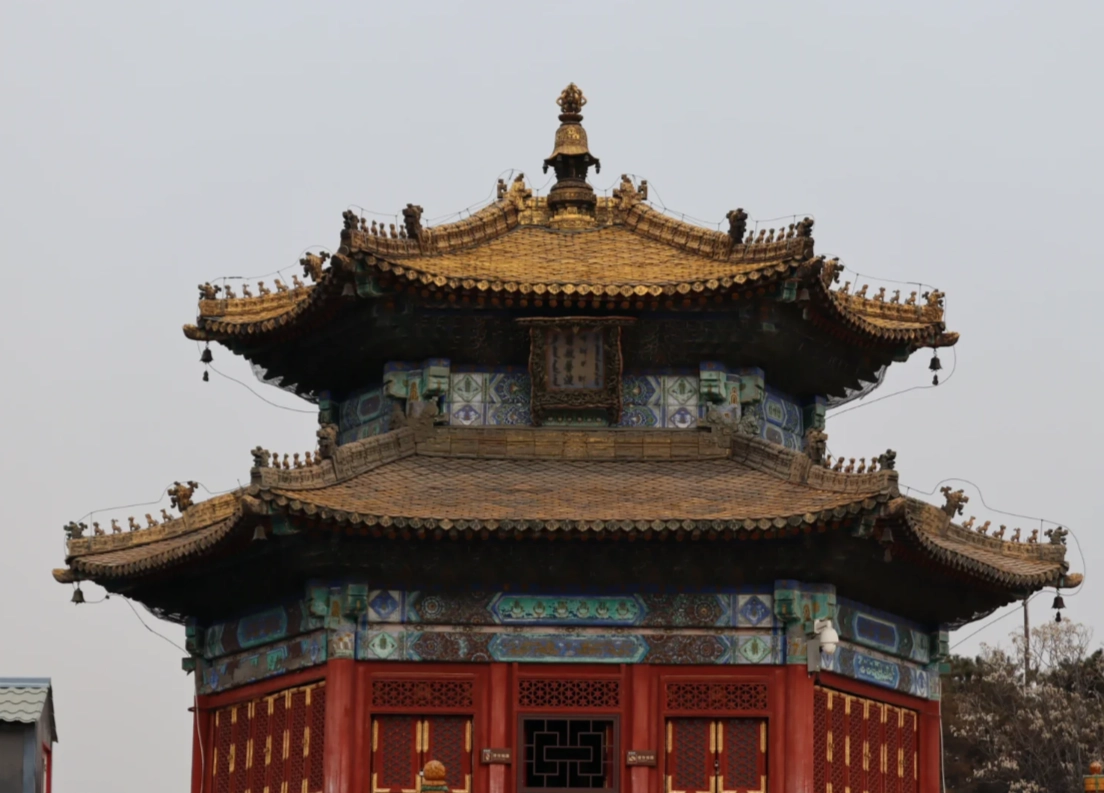
Frequently Asked Questions
Verified and fact-checked by the editorial team. This content has been fact-checked to ensure informational precision.





No comments yet.