 Su Lin
What's Inside
I've led dozens of groups through Chengde over the past eight years, and here's the truth: most visitors rush through the Mountain Resort in half a day and miss half the magic. This 5-day itinerary balances the iconic sites with local rhythm, avoids the worst crowds, and includes the pitfalls I've seen travelers fall into again and again.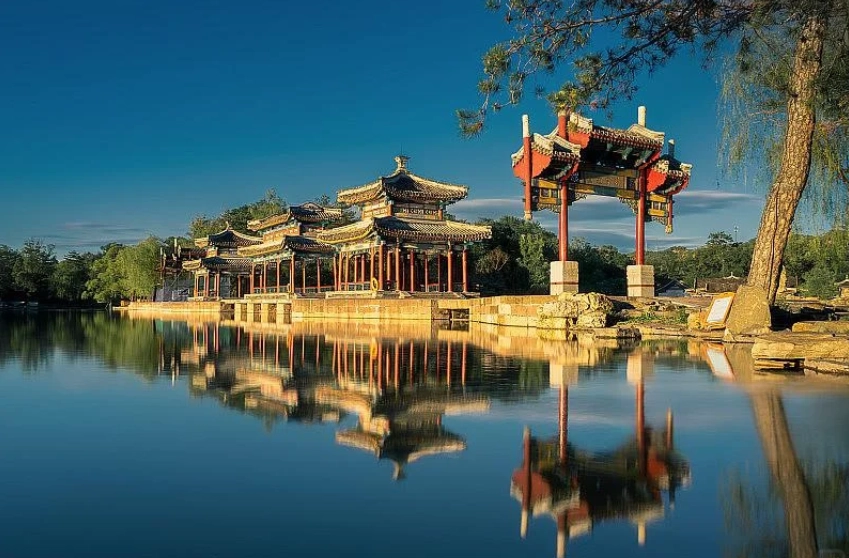
Day 1: Arrival & Bishu Shanzhuang Evening Stroll
Take the high-speed train from Beijing to Chengde (2 hours, around ¥100). From Chengde South Station, grab a taxi (¥20–25, 20 minutes) to your hotel. I usually recommend staying near the Mountain Resort (Bishu Shanzhuang) – it's the heart of everything.
Check in, then walk to the Mountain Resort South Gate around 4:30 pm. The ticket is ¥130 (adult), and the last entry is 5:30 pm, but if you enter after 4 pm, you'll catch the golden light on the lake pavilions and avoid the tour bus crowds. My favorite spot: the Wenyuan Lion Grove – a mini Suzhou garden that's almost empty at that hour.
For dinner, head to Qinghuai Lvye at 8 Shanqian Road. Order the steamed lamb with millet (not too gamey, mild spices) and the cold buckwheat noodles. Two people can eat well for ¥80–100. The waitress usually doesn't speak English, but pointing at the menu photos works fine.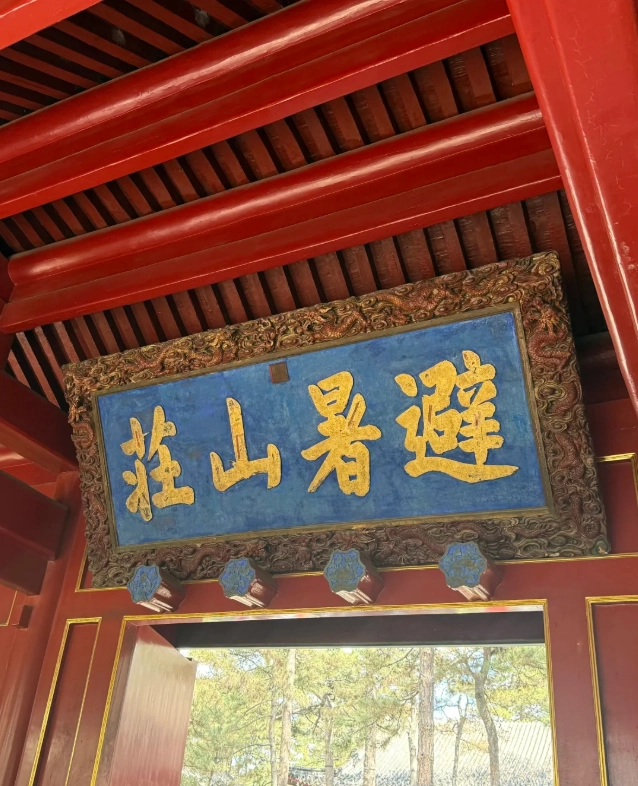
Day 2: Full Day at the Mountain Resort
Start at 8:30 am (opens at 8:00). Buy the combined ticket for the main resort plus the Summer Palace section (actually called the Wenjin Ge area) – ¥150 total. Don't miss the Qinzheng Hall (throne room) first, then walk west to the lakes.
The resort is huge – 5.6 km² – so pick a route. My tested path:
South Gate → Inner Court (audience halls) → Lake Area (Ruyi Island, Yanyu Tower) → Plain Area (grasslands and yurts) → Mountain Area (take the shuttle up to the highest point for a panorama of the whole resort). The mountain shuttle costs ¥50 and saves 2 hours of steep walking.
Lunch: Pack snacks or eat at Resort Restaurant inside the plain area – mediocre but convenient (¥40/plate). Better option: exit through the West Gate around 1 pm and walk 5 minutes to Lao Beijing Zhajiangmian at 12 Bishu Road. Their zhajiangmian is salty-savory, and the cucumber dip is refreshing.
Afternoon: go back to the resort (ticket valid for re-entry same day) and explore the Wenjin Ge library and the Ruyi Island pavilions. By 4 pm the tour groups thin out. I always tell my groups: stand on the east side of Yanyu Tower at 4:30 – the light reflects off the water onto the porcelain, and you'll get a shot that looks like a painting.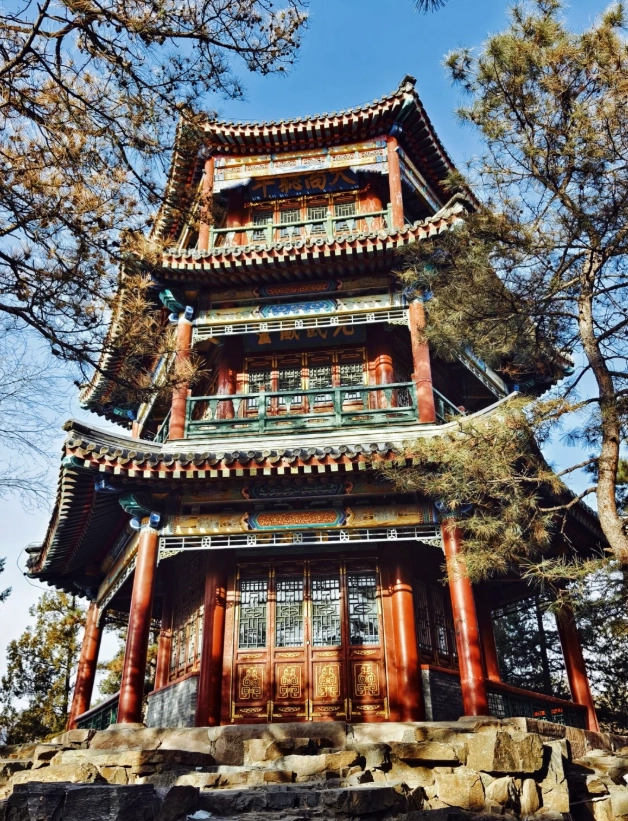
Day 3: Putuo Zongcheng & Puning Temple
Two massive temples demand a full day. Putuo Zongcheng Temple (mini Potala) opens at 8:00, tickets ¥80. Take bus 10 from the city center (20 min) or taxi (¥15). I suggest arriving at 8:15 – the tour buses start rolling in around 9:30.
The main hall, Wanfa Guiyi Hall, has a 22-meter gilded statue of Tsongkhapa. Climb to the top of the red terraces – the view over the city and the Mountain Resort is worth the steep stairs. There are no elevators, so go slow if you're not fit.
From Putuo, walk or take a rickshaw (¥10) to Puning Temple (ticket ¥60, 30-minute walk). The highlight: the world's tallest wooden statue of Avalokiteshvara (27.21 meters, five stories high). The temple is quieter in the afternoon;
Lunch tip: Between the two temples, grab lamb skewers from street vendors near the intersection of Puning Road – ¥3 each, spicy cumin flavor. Not fancy, but authentic.
In the evening, head to Erdao Pailou Night Market (opens 6 pm) on West Street. Try the tanghulu (candied hawthorn) and steamed buns with pork filling. Cash only for most stalls.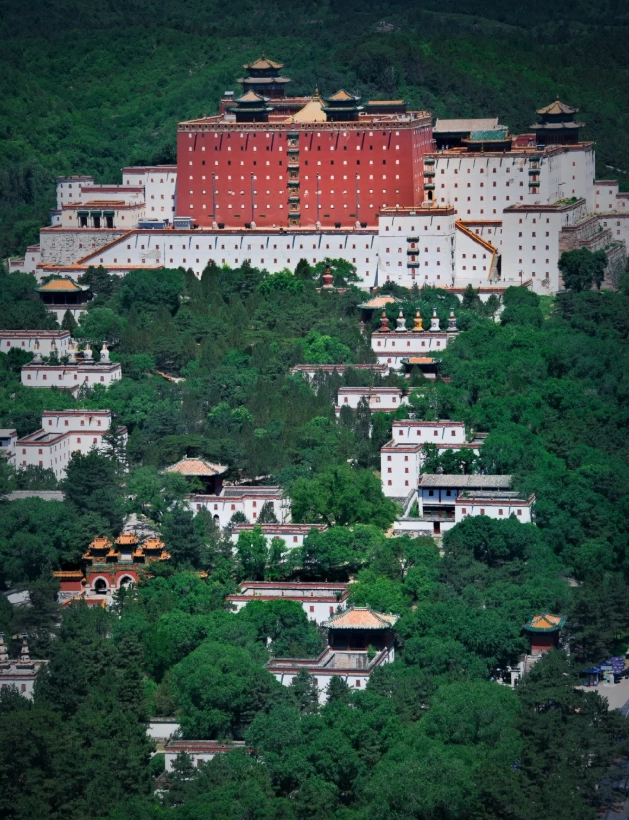
Day 4: Jinshanling Great Wall (or Alternative)
Jinshanling is about 1.5 hours drive from Chengde (book a private car for ¥300–400 round trip, or join a local tour for ¥200/person). The wall here is less restored than Badaling but has amazing watchtowers. Entrance ¥65, cable car one-way ¥40. I always hike from the east gate to the west – about 3 hours of moderate walking. The section around Dajinshan Tower has stunning views of the surrounding mountains.
Back in town, dinner at Manzu Feichang at 22 Nanyingzi Street. This is my go-to for Manchu hotpot – a copper pot with sliced lamb, tofu, and pickled cabbage. The broth is mild but rich. Two people: ¥120–150. No English menu, but they have picture cards.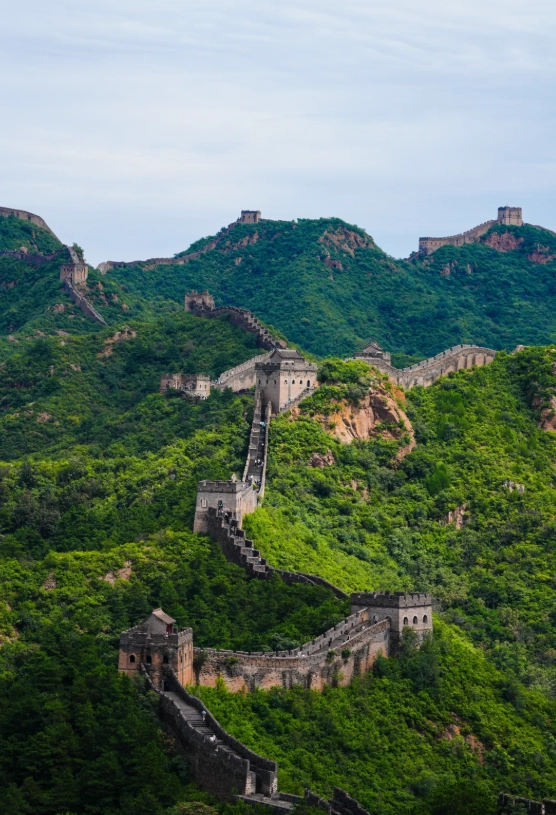
Day 5: Local Markets & Farewell
Spend your last morning at the Chengde Flower and Bird Market (7–11 am, near the West Gate of the resort). Great for souvenirs like dried hawthorn, local honey, and miniature pagodas. Prices are reasonable – a set of chopsticks costs ¥15–20.
If your train leaves after 2 pm, add a quick walk through the Summer Resort East Road – a shaded boulevard with old stores selling calligraphy brushes and jade seals (not high quality, but fun).
Lunch before departure: Yue Mei Xuan at 15 Bishu Road. Their braised pork with chestnuts (hóngshāoròu) is comfort food – sweet, tender, and pairs perfectly with rice. ¥30 per portion.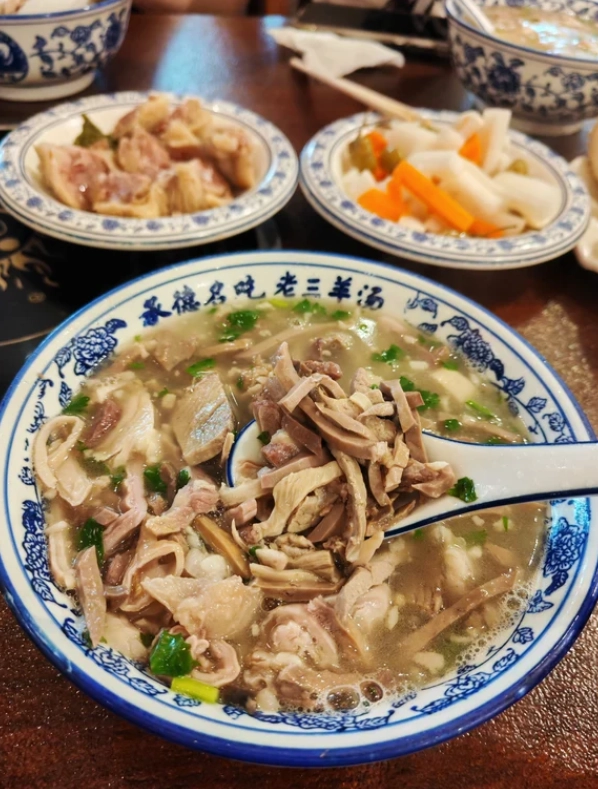
Head to the station at least 1 hour early; the line for security can be slow.
Where to Stay in Chengde
| Hotel | Zone | Price (per night) | Pros | Cons |
|---|---|---|---|---|
| Shangri-La Chengde | Near South Gate of Resort | ¥500–800 | Great service, English spoken, indoor pool | Pricey, breakfast is Chinese-heavy |
| Jinjiang Inn (Bishu Road) | City center | ¥180–250 | Clean, stable WiFi, elevator | Small rooms, no English |
| Boutique Manchu Courtyard | Old town alley | ¥300–450 | Charming courtyard, luggage storage, local host | No elevator, steps |
I usually put families at the Shangri-La for convenience, and solo travelers at the Manchu Courtyard for atmosphere. For budget backpackers, the Jinjiang Inn does fine.
What to Eat
Beyond the restaurants I mentioned, keep an eye out for Manchu pastries at street bakeries – the sachima (fried dough with maltose) is addictive. Avoid the tourist-trap restaurants inside the resort's main gate; they charge double for the same dumplings.
One more dish: donkey meat sandwich (lǘròu huǒshāo) at a hole-in-the-wall near the night market. It's lean, shredded meat in a crispy bun – ¥8 each. Trust me, it's a regional specialty you shouldn't skip.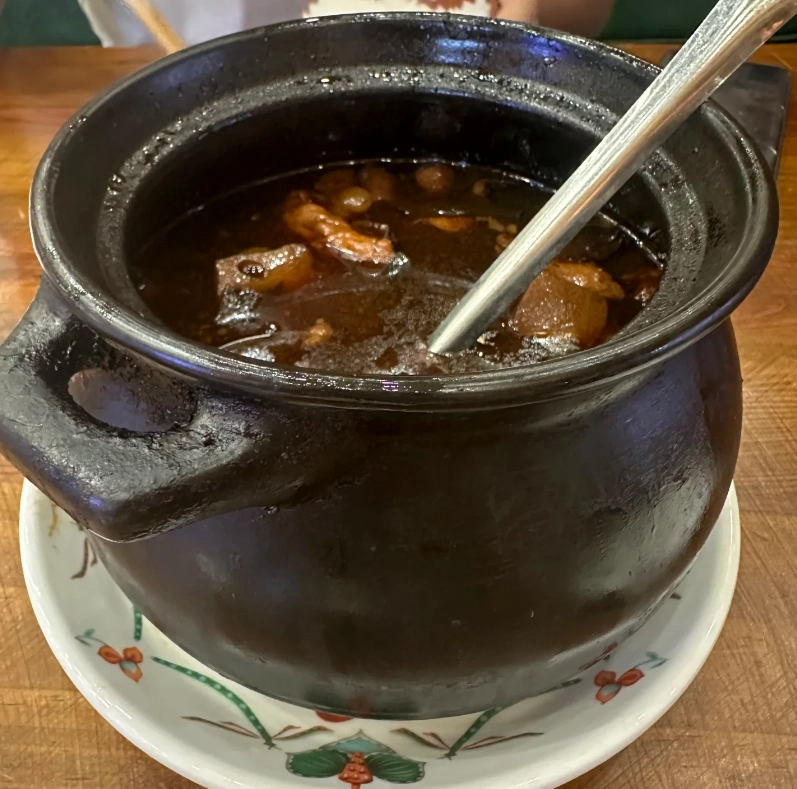





No comments yet.