 Hua Sun
Jump to the Good Stuff
I've led dozens of groups through Chengde, and every time I watch someone step off the bus and look up at the Mountain Resort's main gate, their jaw drops. This isn't just another Chinese imperial garden – it's the Qing dynasty's summer answer to the Forbidden City, sprawling over 5.6 square kilometers. And the best part? You can experience it without fighting through Beijing's crowds.
Here's my go-to 2-day plan that I've refined over years of trial and error – including the mistakes I made so you don't have to.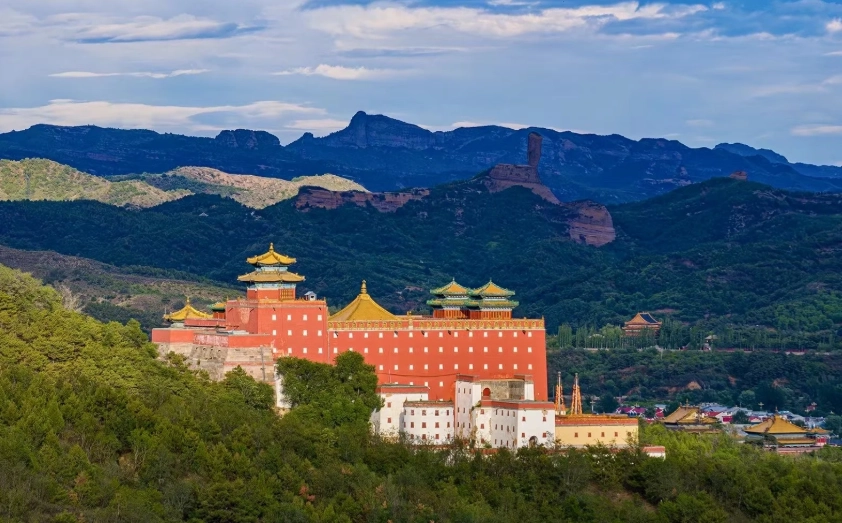
Why Chengde Deserves Your Attention
Most travelers skip Chengde on their first China trip. That's a mistake. This UNESCO World Heritage site (inscribed in 1994) was the summer playground of the Qianlong and Kangxi emperors. The architecture blends Han, Tibetan, Mongolian, and even European elements – a fusion you won't see anywhere else.
One afternoon I watched a first-time visitor from Texas stand speechless in front of the Potala Temple (yes, there's a smaller replica of Lhasa's Potala Palace). He later told me he'd almost swapped Chengde for an extra day in Beijing. “Don't do it,” I'd said. He thanked me three times that day.
Day 1: The Mountain Resort – Where Emperors Escaped the Heat
8:30 AM – Enter Through the Lizheng Gate
The main entrance is at the south end of the resort. I always tell my groups: arrive by 8:30. The ticket office opens at 8:00, but the first tour buses roll in around 9:30. That one-hour gap is your golden window. Buy tickets at the counter (about 130 RMB for adults, 65 RMB for students and seniors 60+), or pre-book on the official WeChat mini-program “避暑山庄” – though it's only in Chinese. If you don't have WeChat, the counter is fine. No overseas credit cards accepted at the counter, so bring cash or use Alipay/WeChat Pay.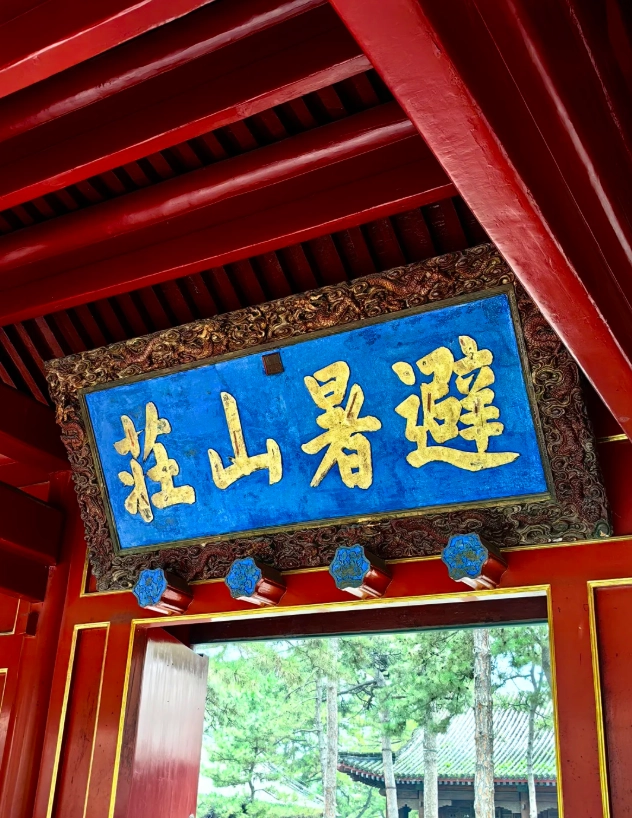
The Palace Area (1.5 hours)
Straight ahead lies the front palace complex. Don't rush. The Danbo Jingcheng Hall is made entirely of nanmu wood – 340 years old and still smelling faintly of sandalwood on humid days. I always whisper to my group: “This is where the emperor held court. Imagine the robes, the incense, the silence.”
Must see: The “Four Knowledge” Hall – Kangxi's personal study. The exhibits include original jade and porcelain. No photography allowed in some rooms, so keep your camera down until you see others snapping.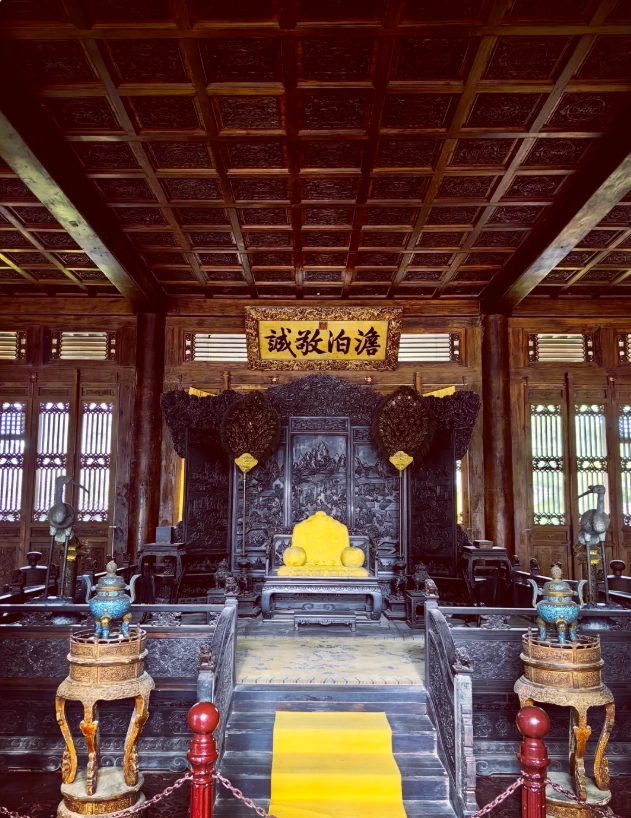
The Lake Area (2 hours)
Walk north past the main palace into the lake zone. This area mimics the West Lake in Hangzhou – eight interconnected lakes with islands, pavilions, and bridges. I recommend renting a pedal boat (60 RMB per 30 minutes) only if the water is calm. Otherwise, walk the western causeway for the best photo angles.
My favorite detail: The “Jinshan Pavilion” – a mini version of the Jinshan Temple in Zhenjiang. Climb to the top for a panoramic view. But watch your step – the stairs are steep and uneven.
Lunch Break – Binglang Yu, a Local Specialty
Exit the resort through the east gate (there's a side exit near the lake area) and walk 5 minutes to Lao Sijia Restaurant. Address: 54 Bishan Road. They serve Chengde's famous “Binglang Yu” – a fish dish with Chinese hawthorn and chili. Slightly sweet with a kick. Price: about 60 RMB per person. No English menu, but the staff are used to foreigners point at pictures.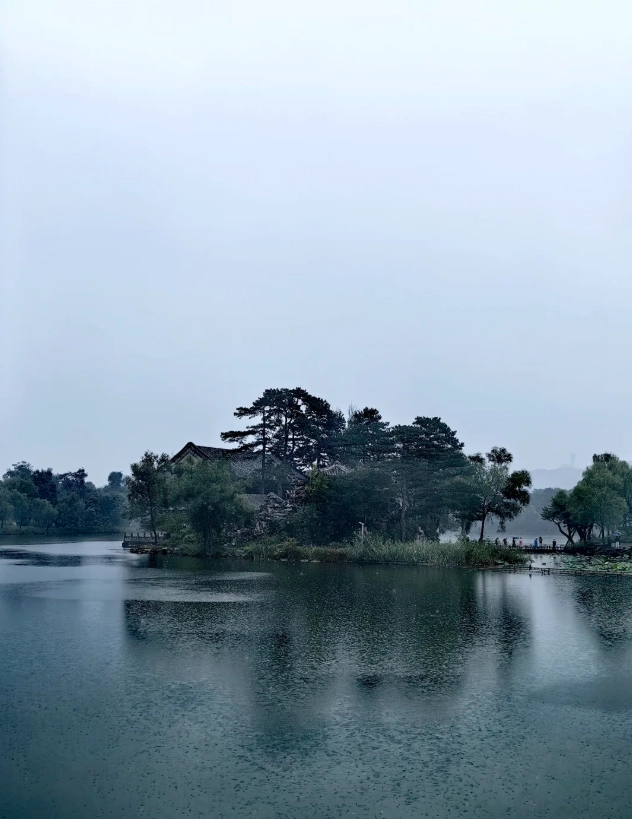
The Plain and Mountain Areas (2–3 hours)
After lunch, re-enter the resort (your ticket is valid for one entry only – make sure you've seen everything you want before leaving!) The plain area is a huge grassland dotted with Mongolian yurts. In summer, it's a riot of wildflowers. Take the shuttle bus (50 RMB round trip) to the mountain area – the highest point is the “Sipu” observation deck. The view of the entire resort and the surrounding Eight Outer Temples is worth the ride.
The mistake I see most: People try to walk the mountain area. Don't. It's 10 km of uphill paths. The shuttle is hot and bumpy but saves your legs.
Finish your day at the resort by 5:00 PM. The last shuttle leaves the mountain at 4:30.
Day 2: The Outer Temples – Tibetan Buddhism in Northern China
9:00 AM – Puning Temple (Putuo Zongsheng Temple)
The largest of the Eight Outer Temples, and the one that'll blow your mind. It's a 15-minute taxi ride from the city center (about 15 RMB). Tickets: 80 RMB for adults, half price for students/seniors. Buy at the gate – no advance booking needed, but verify the opening time: 8:30 AM to 5:00 PM (summer), 9:00 AM to 4:30 PM (winter).
The main hall houses a 22-meter-tall wooden statue of Avalokiteshvara – the “Thousand-Hand Guanyin.” It's carved from a single nanmu tree. I've seen people cry when they walk in. The scale is that overwhelming.
Insider tip: Go straight to the back hall first. Most crowds linger in the front; you'll have the main hall almost to yourself if you flip the order. Then double back.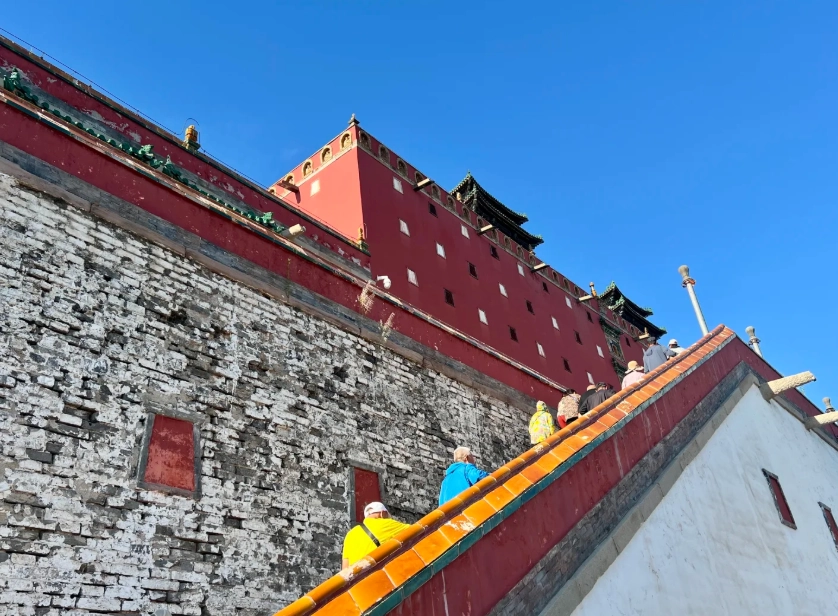
10:45 AM – Putuo Zongsheng Temple (Little Potala Palace)
Another 10-minute taxi (12 RMB) takes you to this smaller but equally stunning replica of the Lhasa Potala. The white and red walls pop against the blue sky. Tickets: 80 RMB for adults. I'd give it 1.5 hours.
Photo spot: Climb to the red terrace on the west side. At 3:00 PM, the light hits the golden roof tiles perfectly. But if you're here now (late morning), the front courtyard with the white stupa is your best bet.
Watch out for: The steps are uneven and steep. I've seen two tourists trip in one afternoon. Wear sturdy shoes.
12:30 PM – Lunch at Tuoluo Village
Between the two temples, a small village cluster has family-run restaurants. I always take my group to Wangji Noodle House. No English name, but just show the taxi driver the Chinese. Try the “Lamian” (hand-pulled noodles) with lamb broth – 25 RMB a bowl. The owner doesn't speak English but will smile and point at the menu with photos.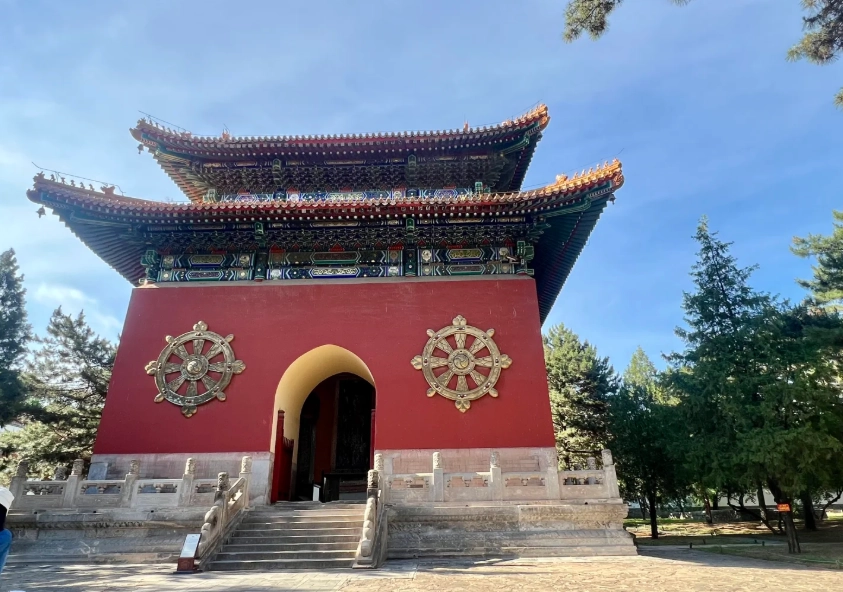
2:00 PM – Pule Temple (Temple of Universal Joy)
If you have energy, this is the hidden gem. Only 20 minutes by taxi from Putuo Zongsheng. Ticket: 30 RMB. It's smaller but has a unique octagonal hall called “Xuguang Ge,” where the ceiling painting mimics the night sky. I rarely see more than 10 tourists here.
Skip the temple if rain is pouring – the walkways get slippery and some halls close early in bad weather.
Evening: Chengde City Walk
Wrap up your day with a stroll along the Wulie River. The riverside promenade is lit with lanterns after dark. Stop at Fengwei Chengde for dessert – their hawthorn ice cream (6 RMB) is a local twist.
Practical Tips from My Years of Guiding
- Best season: Late May to early October. July and August are hot (35°C) but the resort's lake area stays breezy. Spring dust storms can be nasty.
- Getting to Chengde: High-speed trains from Beijing (2 hours, 65 RMB for second class). I always book through 12306.cn or the official app – the counter has queues. If you're coming from elsewhere, consider a flight to Beijing and then train.
- Where to stay: I recommend Jinjiang Inn (Chengde City Center branch) – clean, elevator, Wi-Fi works, about 200 RMB/night. For a splurge, the Pullman Chengde near the resort has English-speaking staff and a pool, 500–800 RMB. Both accept international credit cards at the front desk.
- Payment: Even in 2025, many small shops and taxis prefer cash or Alipay. Carry at least 500 RMB in small bills.
- What to pack: Hat, sunscreen, and a refillable water bottle (the resort has free water dispensers near the main halls). In summer, a light jacket – the mountain area can be 5°C cooler.





No comments yet.