 Wei Zhang
What's Inside
I've been taking groups to Anshun for years, and the number one question I get is always about timing. Most online advice is generic—"spring and autumn are nice"—but that doesn't help you dodge a sudden downpour or a sea of selfie sticks. Here's the truth from the ground: the Anshun best time to visit is April to June and September to October. Why those windows? Let me break it down.
Anshun sits in Guizhou, a province famous for misty mountains and waterfalls. That means rain—lots of it. If you show up in July or August, you'll fight crowds at Huangguoshu Waterfall and pay double for hotels. Come in winter, and the waterfalls shrink to a trickle. So get ready for some real talk about weather, money, and crowds.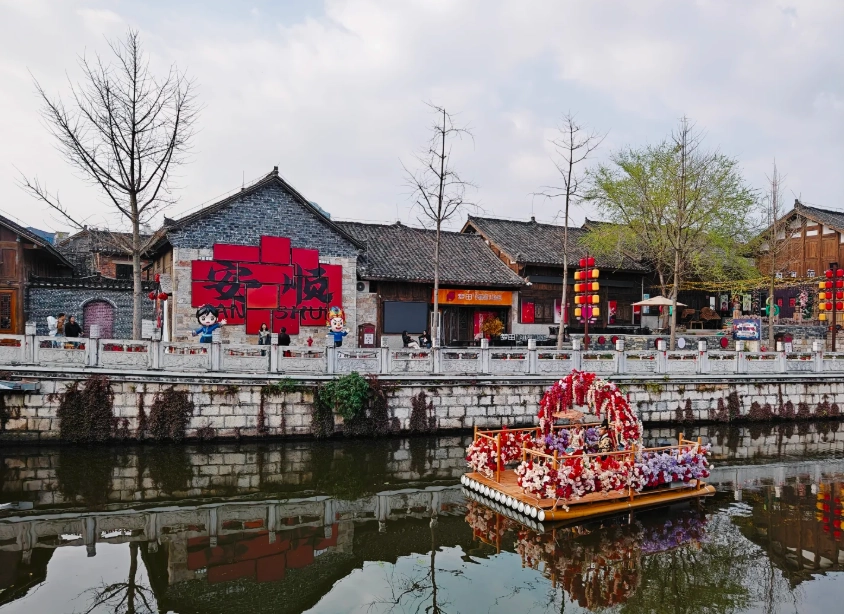
Weather Breakdown: What to Expect Each Month
| Month | Avg Temp (°C) | Rainfall (mm) | Crowds | Verdict |
|---|---|---|---|---|
| January | 4–10 | 30 | Low | Cold & dry; waterfalls diminished |
| February | 5–12 | 35 | Low | Still cold; Chinese New Year rush possible |
| March | 9–17 | 50 | Low | Spring starts; some rain but manageable |
| April | 14–22 | 80 | Moderate | ★ Best – flowers bloom, comfy weather |
| May | 18–25 | 150 | Moderate | ★ Best – waterfalls at full roar, not too crowded |
| June | 20–27 | 200 | Moderate | ★ Best – lush green, but carry an umbrella |
| July | 22–29 | 220 | High | Peak season – hot, humid, expensive |
| August | 21–28 | 200 | High | Same as July; avoid if possible |
| September | 18–25 | 120 | Moderate | ★ Best – rain tapers off, fewer people |
| October | 14–20 | 80 | Moderate | ★ Best – crisp air, golden light |
| November | 9–16 | 50 | Low | Cool, clear – but waterfalls start to slow |
| December | 5–11 | 30 | Low | Cold and dry; good for budget travelers |
Peak Season vs Low Season: The Real Difference
Peak season (July–August) means everything is expensive. A standard double room at a mid-range hotel like the Anshun Tianhe Hotel (near the train station) goes from about 250 RMB to 400 RMB per night. Flights from Beijing to Anshun Huangguoshu Airport double too. And the queues? I waited 90 minutes for the sightseeing bus inside Huangguoshu Park last August. Not fun.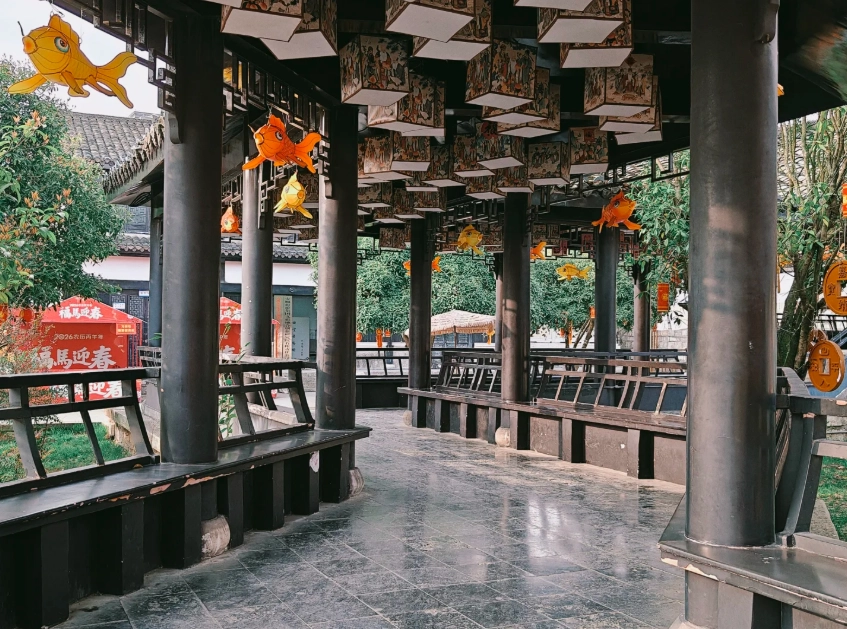
Low season (December–February) is cheap—rooms drop to 150 RMB—but the waterfalls are weak. Huangguoshu's main fall is about 70% smaller in winter. Also, some restaurants near attractions close early. You save money but lose the wow factor.
Shoulder months (April–June, September–October) give you the best balance. You'll pay roughly 20% less than peak, find empty walking paths, and still see roaring falls. Plus, the temperature is perfect for hiking—no heavy coats or sweat.
Festivals That Can Make or Break Your Trip
Chinese National Day (October 1–7) is a nightmare. The entire country travels, and Anshun gets packed. Avoid this period unless you love crowds.
The Huangguoshu Waterfall Festival (usually late June) is a local celebration with music and light shows. It's fun, but accommodation books out weeks in advance. If you want to go, reserve rooms at least a month ahead.
Spring Festival (Chinese New Year, late January or February) brings many travelers returning home, but sightseeing spots are quiet. Some attractions close for a few days around New Year's Eve, so check ahead.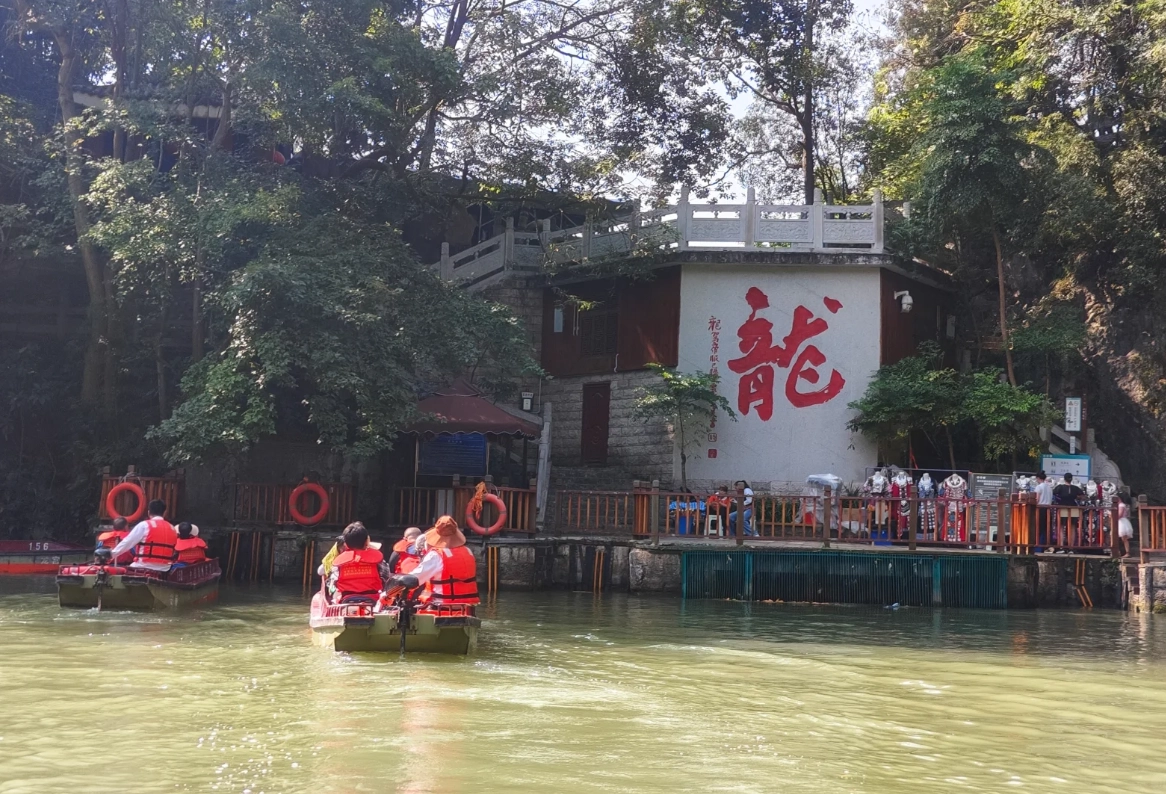
Best Time for Huangguoshu Waterfall Specifically
Huangguoshu is the main reason people visit Anshun. The waterfall's flow varies hugely. From May to October, it's at its most powerful. The mist can soak you from 50 meters away—bring a raincoat (they sell cheap ones at the gate, but they rip easily).
September is my personal favorite. The weather is clearer, so you get great photo light without the haze of summer. And the water is still loud.
Time of day matters too. Most tour buses arrive around 10 AM. If you enter the park right when it opens at 7:30 AM, you'll have the viewing platforms almost to yourself. By 11 AM, it's elbow-to-elbow.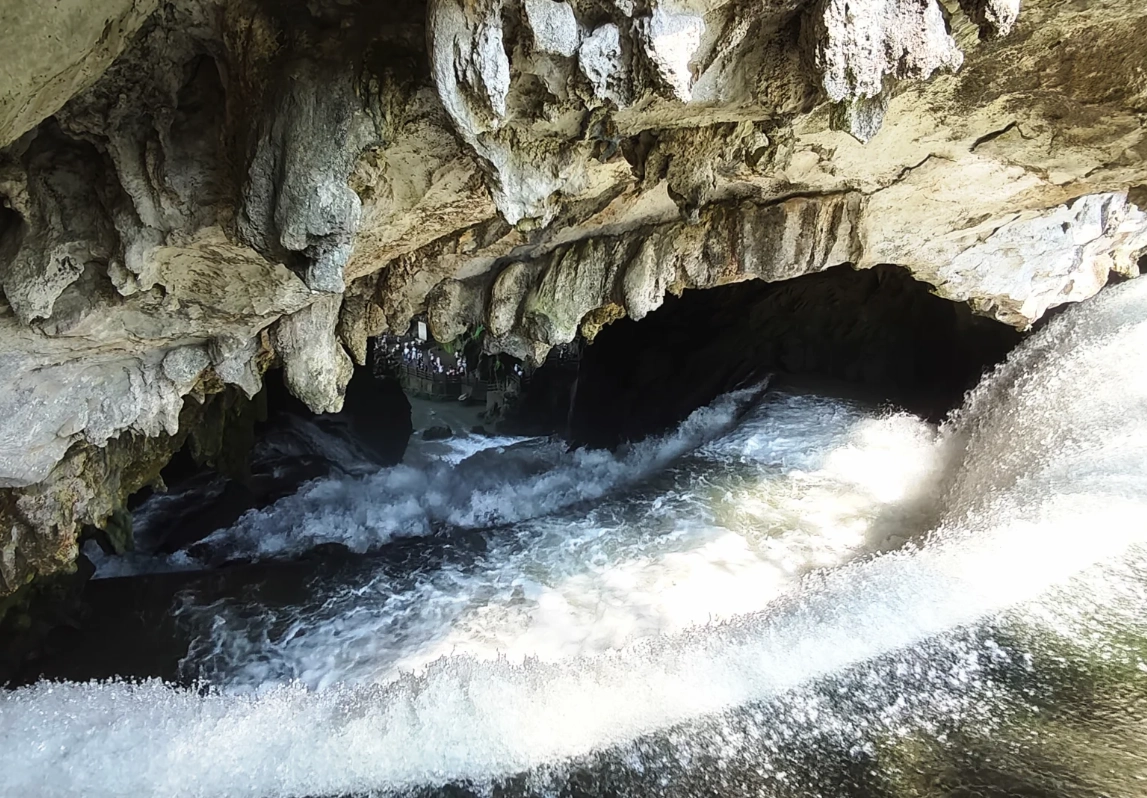
3-Day Sample Itinerary for the Best Times
Day 1: Arrival & Anshun Old Town
Fly into Anshun Huangguoshu Airport (AVA). Take a taxi (50 RMB, 30 minutes) to your hotel. I recommend Howard Johnson Pearl Hotel (68 Huangguoshu Street, ~300 RMB/night) because it's central and has English-speaking staff. Spend the afternoon strolling Anshun Old Town—it's a bit touristy but has cool Ming-era gates. Grab dinner at Laomao Hot Pot (172-2 Zhonghua East Road, Google Maps rating 4.3). Their sour-spicy fish broth is amazing. Price per person: 60–80 RMB. Pay with WeChat or cash—no foreign cards.
Day 2: Huangguoshu Waterfall
Leave your hotel by 7:00 AM. Take bus route 4 from the city center (2 RMB, 45 minutes) or a Didi (80 RMB). Arrive at the east gate before 7:30. Spend 4–5 hours exploring the main fall, the Water Curtain Cave (you'll get wet inside), and the lower falls. Lunch at the park's noodle stalls—a bowl of huangguoshu mian (15 RMB) is filling. Avoid the sit-down restaurants near the entrance; they overcharge. Head back to Anshun by 3 PM to rest.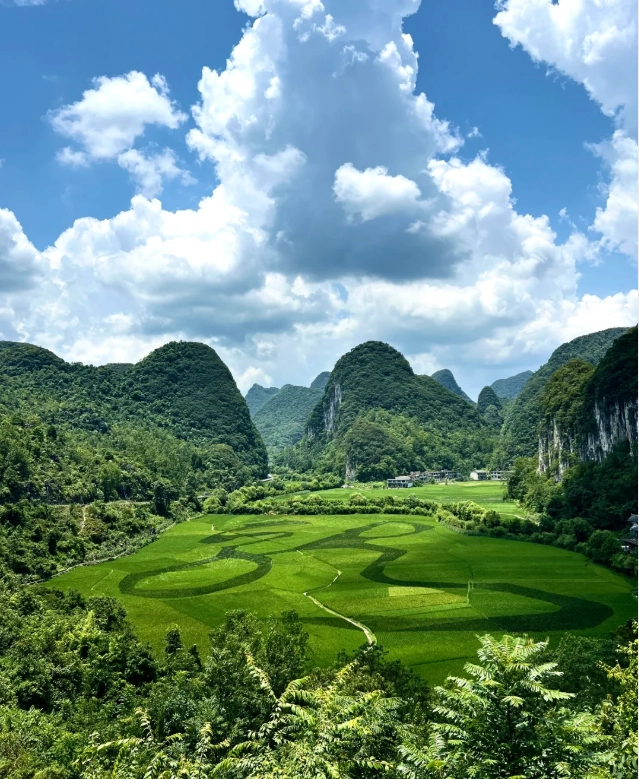
Day 3: Tianlong Tunpu & Departure
Take a taxi (60 RMB, 30 minutes) to Tianlong Tunpu, a 600-year-old Ming dynasty fortress. Entrance is 60 RMB. You'll see traditional stone houses and “living fossils” of Han culture. Return by noon, grab a quick lunch, and head to the airport. If your flight is late, visit the Anshun Market (on Tashan East Road) for dried mushrooms and local tea—perfect souvenirs.
Frequently Asked Questions
Verified and fact-checked by the editorial team.





Came in November expecting cold but got crisp, bright days instead. Honestly the best decision I made for a budget trip. No rain gear needed, no sky-high prices. I even got a last‑minute deal on a guesthouse near the Dragon Palace. If you time it right, Anshun delivers epic views without the wallet ache. Totally worth it.
We planned our trip around the monsoon avoidance advice and it paid off big time. Late September was perfect—sunny mornings, light jacket afternoons, and zero downpours. Every scenic spot from Huangguoshu to the caves felt like we had them to ourselves. And yes, we saved a ton on flights and hotels. Five stars, will repeat.
Absolutely nailed it by coming in mid-October. Clear skies, comfortable temps, and hardly any tourists. The waterfalls were roaring but the paths were dry. Plus my accommodation was half the price of peak summer. Anshun in autumn is a hidden gem—highly recommend skipping the rainy months and saving your cash for more dumplings!
Visited in early May and it was alright but not great. A few rainy afternoons kept me stuck in the hotel, and the crowds were already building up. The local food was good and cheap though, so I didn't totally regret it. Just wish I'd aimed for late April when the weather is more stable and flights cheaper.
Went in late March thinking it'd be quiet, but man was I wrong—still got hit with a surprise shower. The waterfall was impressive but the constant drizzle ruined my hiking plans. Definitely wish I'd checked the rain charts before booking. Could have saved money if I'd waited a month or two.