 Hong Ma
What's Inside
Why Most Travelers Miss the Real Fuzhou
I’ve been guiding tours in Fujian for over a decade, and every time I ask a group what they know about Fuzhou, I get blank stares. Most folks fly straight to Xiamen or Wuyi Mountain, treating Fuzhou as a mere transit hub. Big mistake. Fuzhou has a laid-back soul, ancient alleyways that smell of jasmine tea, and hot springs that’ll melt your travel fatigue. But here’s the catch: the city’s charm isn’t obvious. You need to know where to look. In this guide, I’ll walk you through the 6 spots that truly define Fuzhou, plus the rookie errors I’ve seen dozens of tourists make so you can skip them.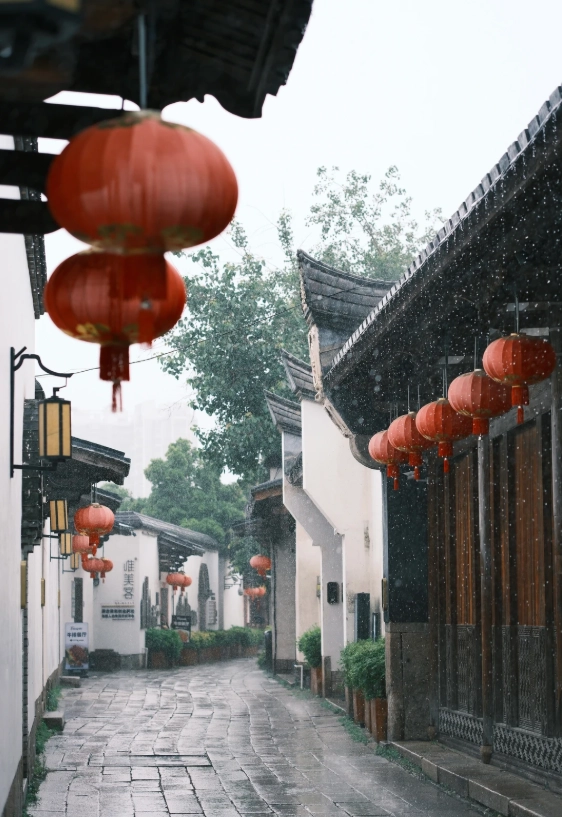
Top 6 Fuzhou Must-See Attractions (with Pro Tips)
1. Three Lanes and Seven Alleys (Sanfang Qixiang) – Ming Dynasty Living Museum
Address: Located in the heart of Gulou District, between Yangqiao Road and Dongjiekou.
Opening hours: The lanes are open 24/7; individual museum houses inside (like the Lin Juemin House) open 8:30–17:00. Last entry 16:30.
Tickets: Free to wander the lanes. To enter the small museums, you can buy a combo ticket for 120 RMB (adult), 60 RMB (student/senior 60+). But honestly, the street vibe is free and that’s where the magic is.
How to get there: Take Metro Line 1 to Dongjiekou Station, Exit C. Walk 5 minutes east – you’ll see the iconic arched gate. Or take a taxi – from Fuzhou Railway Station it’s about 20 RMB.
Recommended time: 2–3 hours if you’re a casual explorer; half a day if you photograph every doorframe.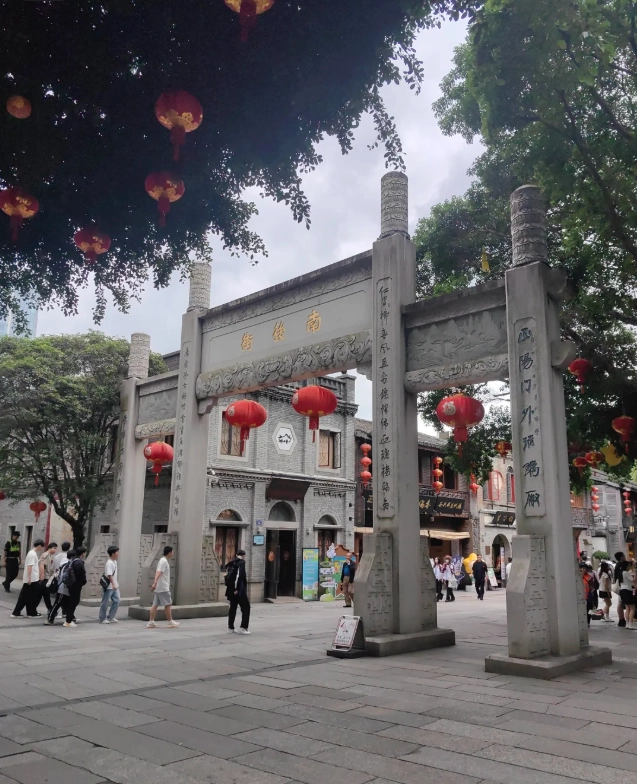
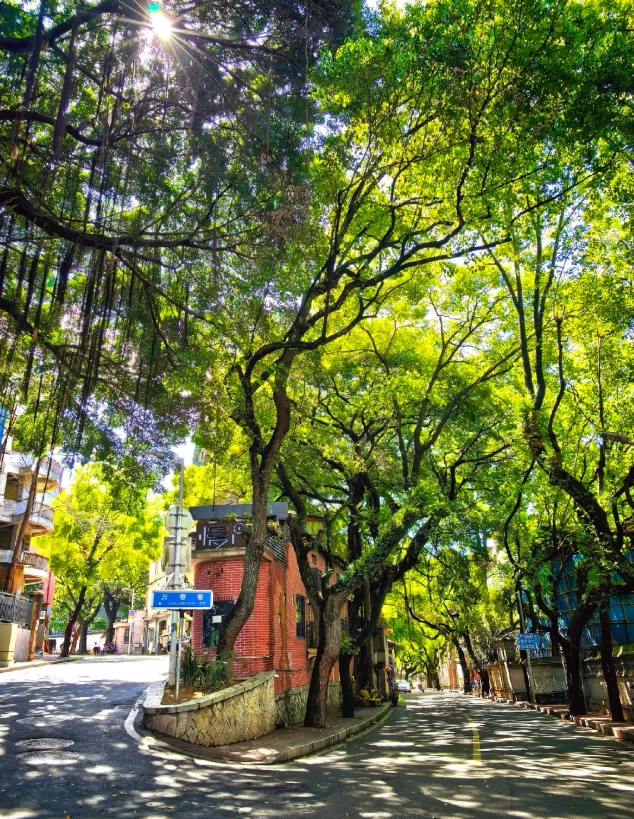
This is my favorite spot in Fuzhou. The network of three vertical lanes and seven horizontal alleys dates back to the Tang Dynasty. Most tourists rush through Nanhou Street (the main commercial strip) and miss the quiet side alleys. Don’t. Turn into Yi Jin Xiang (a narrow lane) – you’ll find a tiny workshop where an old man still carves Shoushan stone. He doesn’t speak English, but he’ll smile and let you watch for free. Photo tip: The best light hits the whitewashed walls around 3:30 p.m. in winter, 5 p.m. in summer. And whatever you do, avoid the noon sun – the shadows are harsh and the heat is brutal.
One more insider move: there’s a hidden rooftop café called “Chashan” on the second floor of a teahouse near the south gate. Order a cup of jasmine tea (20 RMB) and you get a view of the entire ancient roofscape. Most tourists walk right past it.
2. Drum Mountain (Gushan) – The City’s Backyard Escape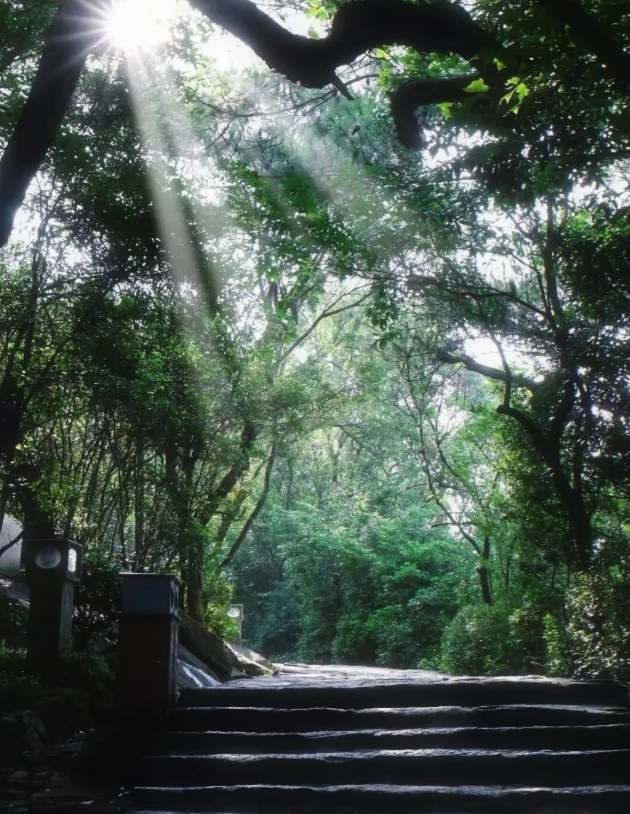
Address: On the southeastern outskirts of Fuzhou, about 10 km from city center.
Opening hours: 6:00–18:00 (gates close at 17:00 for uphill visitors).
Tickets: Free entry. Cable car round trip: 50 RMB (single 30 RMB). The cable car takes about 25 minutes and saves you a rather steep climb.
How to get there: Metro Line 2 to Gushan Station, Exit B. Then transfer to bus 29 or 70 to the mountain gate. The bus costs 1 RMB and runs every 15 minutes. Alternatively, a taxi from downtown is around 30 RMB.
Recommended time: 3–4 hours for the summit loop; 2 hours if you cable car up and down.
Drum Mountain gets its name from a massive stone drum at the peak – legend says it roars when the wind blows. I’ve never heard it, but the view of the Min River winding through the city is worth the trip alone. The Yongquan Temple at the top is a working Buddhist monastery. Don’t miss: the vegetarian noodle lunch served in the temple canteen (11:30–13:00, 15 RMB per bowl). It’s simple but delicious – I bring every group here and they love it.
Watch out: The cable car stops running if there’s lightning or high wind. Check the weather in the morning. If it looks stormy, do the climb on foot (about 1.5 hours up) – it’s a stone stairway, not too brutal. But if you have knee problems, skip the hike and go another day.
3. West Lake Park – A Classical Chinese Garden Gem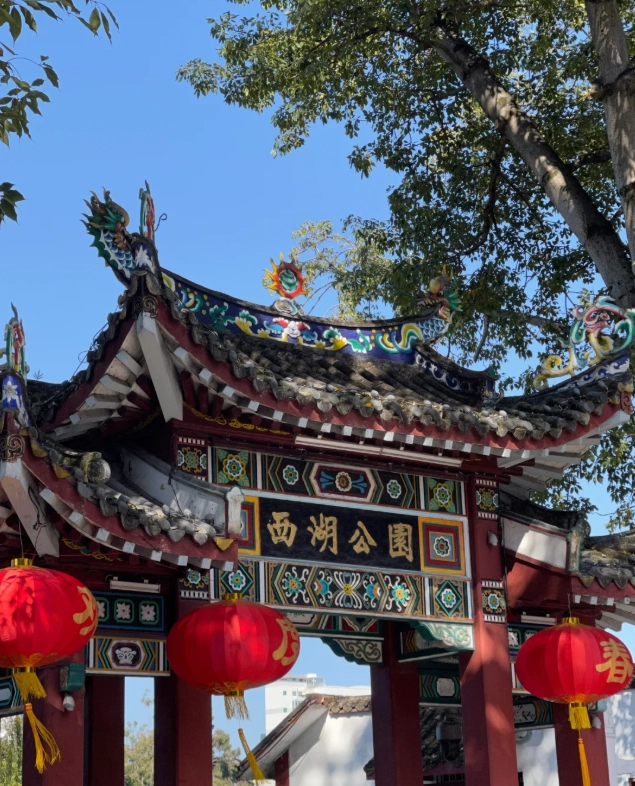
Address: Hubin Road, Gulou District. Right in the center.
Opening hours: 5:30–22:30 (gates close at 22:00).
Tickets: Free. The park also has a small aquarium and a historic pavilion area – those cost 10 RMB each, but the park itself is free.
How to get there: Metro Line 1 to Ping Shan Station, Exit C. Walk south for 8 minutes. Or bus 66, 70 to West Lake stop.
Recommended time: 1–1.5 hours for a relaxing stroll.
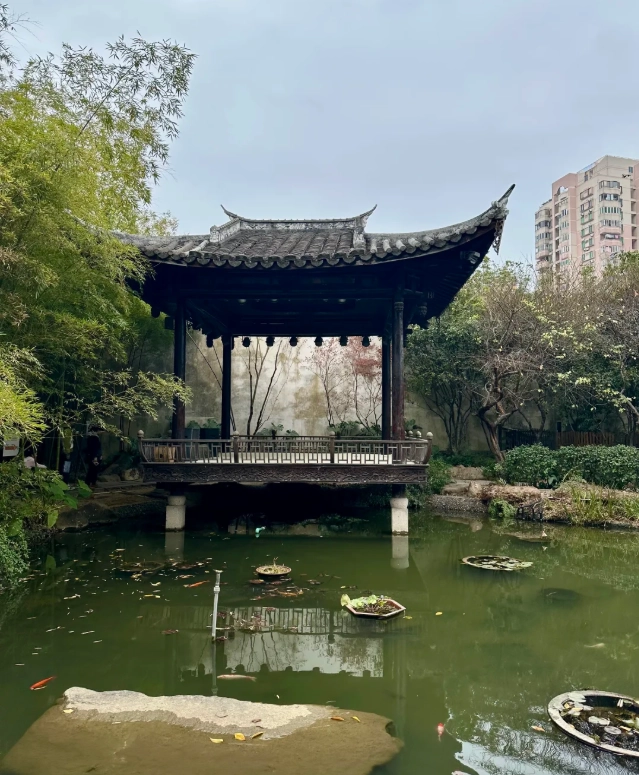
Don’t mistake this for Hangzhou’s West Lake – Fuzhou’s version is smaller, but it has a local charm that’s hard to beat. Old folks practice tai chi under the banyan trees, and on weekends you’ll hear folk opera singers warming up by the water. The highlight for me is the Kaihua Temple on an island in the lake, connected by a zigzag bridge. Best timing: Come at 7 a.m. to see locals with their songbirds in cages – a dying tradition elsewhere. By 9 a.m., the tour groups arrive and the peace is gone.
4. Fuzhou Hot Springs – Soak Like a Local
Where: The main hot spring area is around Wuyi Square and Wulidian. Two reliable options:
- Yuanquan Hot Spring Resort – 6 Yanshan Road, Gulou. Open 10:00–23:00. Entrance: 198 RMB on weekdays, 238 RMB on weekends. Contains indoor and outdoor pools, a sauna, and a restaurant. I recommend the outdoor sulfur pool – it smells awful but does wonders for your skin.
- Fuzhou Hot Spring Hotel – 38 Liuhe Road, Gulou. Open 14:00–23:00. Entrance: 128 RMB (includes a towel and locker). More basic but great value.
How to get there: From Dongjiekou take a taxi for about 15 RMB to either place. Or bus 52 to Wulidian stop. Important: Fuzhou’s hot springs are natural – the water comes out at around 80°C and is cooled to 40°C. But they’re not like Japanese onsen; you wear a swimsuit. So bring one or buy at the counter for 30 RMB.
I bring every group here on the last day of their trip. After days of walking, a 2-hour soak loosens every muscle. Pro tip: Go on a weekday afternoon. Weekends are packed with local families, and the water gets cloudy.
5. Shangxiahang Historical Street – Food & Architecture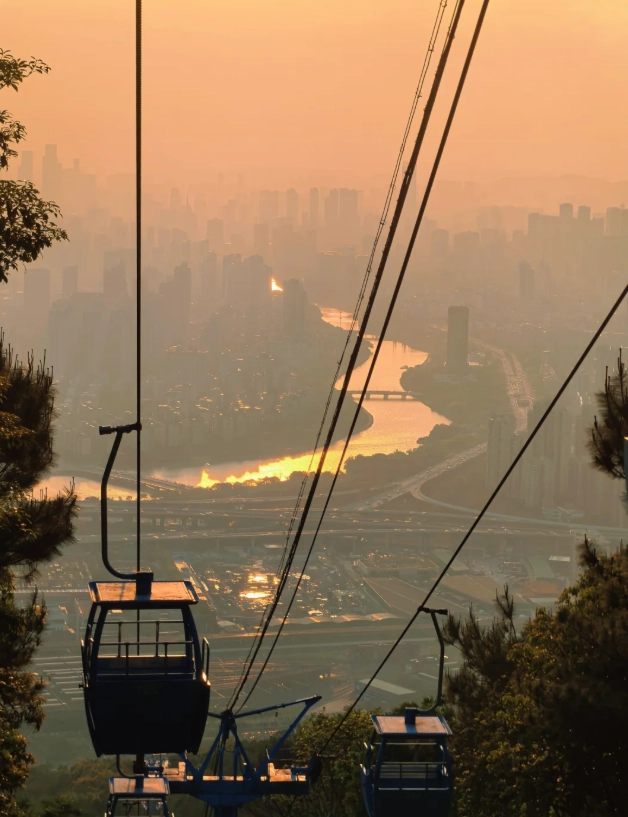
Address: Shangxiahang Road, Taijiang District. Near the Min River.
Opening hours: The street is always open; shops usually open 10:00–21:00.
Tickets: Free.
How to get there: Metro Line 1 to Dadao Station, Exit A. Walk east 10 minutes. Or take bus 1, 2 to Zhongting Street stop.
Recommended time: 1.5–2 hours for walking and eating.
This restored historical street is where I send everyone who asks for local food without tourist pricing. The architecture mixes Ming-style wooden facades with Western neoclassical details – a legacy of Fuzhou’s port history. Must-eat stops:
- Bian Rou Ji – No. 38. Their pork wontons in peanut sauce (12 RMB) are the best in town. I’ve tried at least 20 shops, this one never disappoints.
- Lao Fuzhou Fish Ball King – No. 105. Giant fish balls stuffed with pork (18 RMB for 4). Be careful – they’re piping hot inside.
Crowd alert: Evenings are packed. Go around 2 p.m. for a quieter experience, but some food stalls might be closed. The best balance is 4:30 p.m. – stalls are open and the afternoon heat has faded.
6. Lin Zexu Memorial Hall – Learn About China’s Anti-Opium Hero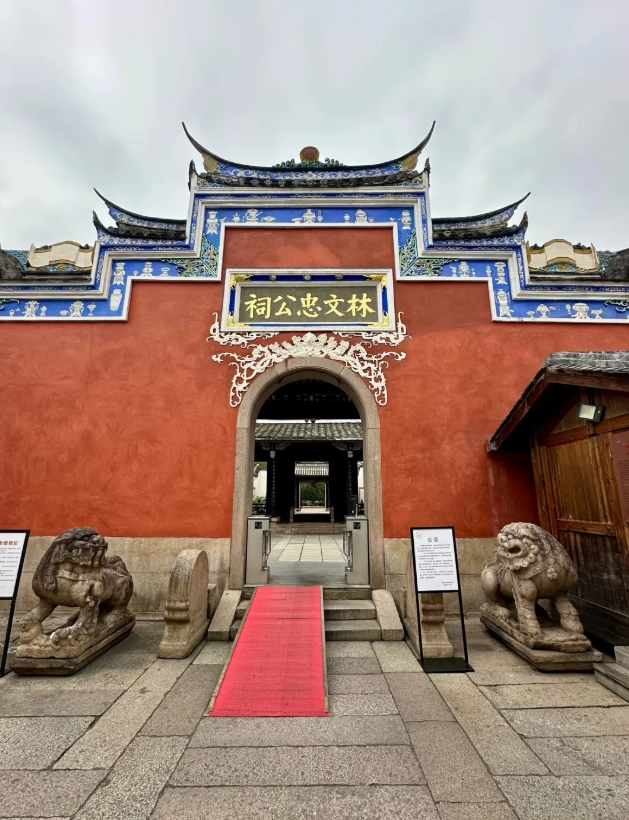
Address: 16 Macao Road, Gulou District.
Opening hours: 8:30–17:30 (closed on Mondays). Last entry 16:30.
Tickets: Free (bring your passport for entry registration).
How to get there: Metro Line 1 to Nanmen Dou Station, Exit B. Walk north 6 minutes.
Recommended time: 1 hour.
Lin Zexu is a national hero who led the crackdown on opium trade in the 1830s. The memorial hall is housed in his former residence – a quiet courtyard with bonsai trees and old wells. Exhibits are in Chinese, but there’s an English audio guide (free with deposit of 100 RMB). Why I bring tourists here: It gives context to Fuzhou’s role in China’s history. Most foreigners skip it, but those who come tell me it was one of the most meaningful stops. Plus, the garden is a perfect shady spot to rest your feet.
How to Plan Your Perfect Fuzhou Itinerary
If you have only 1 day (tight but doable):
- 8:00 – 10:30: Three Lanes and Seven Alleys (with a jasmine tea break at Chashan).
- 11:00 – 12:30: Lin Zexu Memorial Hall (walk from the lanes – it’s only 15 minutes).
- 12:30 – 13:30: Lunch at Shangxiahang (grab fish balls and wontons).
- 14:00 – 16:00: Drum Mountain (take cable car, visit the temple, enjoy the view).
- 16:30 – 18:00: West Lake Park for a sunset stroll.
- Evening: Hot springs (choose Yuanquan if budget allows).
If you have 2 days (more relaxed):
- Day 1: Morning at Three Lanes, afternoon at Shangxiahang + Lin Zexu, evening hot springs.
- Day 2: Morning at Drum Mountain (take the hike down instead of cable car to see the ancient inscriptions), afternoon at West Lake Park + Fuzhou Museum (located next to the park, free).
Where to Eat Near These Attractions (Avoid Tourist Traps)
Most restaurants right on Nanhou Street (the main tourist drag) are overpriced and mediocre. Walk 5 minutes west to Yuanhong Road – a street packed with local joints. My go-to: Fuzhou Bian Rou Wang (No. 88 Yuanhong) for hand-pulled noodles in anchovy broth (15 RMB). For a nicer dinner, Lao Fuzhou Restaurant (300 meters east of West Lake) serves authentic “Buddha Jumps Over the Wall” (Fo Tiao Qiang) – the signature Fuzhou soup. It’s pricey (from 298 RMB per person) but unforgettable. Payment: Cash is accepted everywhere, but WeChat/Alipay is king. Credit cards are rarely taken, so carry enough RMB.
Practical Tips: Transportation, Money & Best Times
Transportation: Metro lines 1 and 2 cover all these attractions. Buy a single-trip token at the machine (cash only) or get a Fuzhou Metro card (20 RMB deposit, refundable). Taxis are cheap – starting at 10 RMB. DiDi (Chinese Uber) works well with English interface if you have the app. Best time to visit: October to December is perfect – cool, dry, and clear skies. March to May is also good but rainy. Avoid July and August unless you love sauna-level humidity. Language: Very little English spoken. Download a translator app or write down addresses in Chinese. I always give my guests a card with “Please take me to…” written in Chinese.
FAQ: Fuzhou Must-See Attractions Answered
Verified and fact-checked by the editorial team.
This content has been fact-checked to ensure informational precision. Prices and hours may change; always confirm on official channels before visiting.





Honestly, Sanfang Qixiang was a letdown for me. I'd seen so many stunning photos online, but in reality it's an overly commercialized tourist trap—same souvenir shops, same crowd, and the ‘authentic’ tea houses felt like staged photo ops. We queued 20 minutes just to get into a courtyard that was packed with influencers posing. Maybe if you go at 7am it's better, but for a Saturday midday visit? Not worth the hype.
Shangxiahang Pedestrian Street is a nice place to get a feel for old Fuzhou—restored shophouses, local snacks, and some interesting museums tucked in. I liked the vibe but it was way too crowded on a Saturday afternoon. Hard to enjoy the architecture when you're shuffling shoulder to shoulder with selfie sticks. The peanut soup and fish balls were tasty though. Good for a quick visit, but go early or on a weekday.
West Lake Park might not be grand like Hangzhou's, but it has a quiet, local charm that I fell in love with. Early morning tai chi groups, old men playing chess under banyan trees, and the gentle breeze off the water—it felt like I was living in a postcard. The pagoda and little bridges are photogenic, but what I really loved was just sitting on a bench watching life go by. Perfect for a relaxing afternoon break.
Hiked up Gushan early on a weekday and it was the best decision I made in Fuzhou. The trail is well-maintained, shaded by bamboo groves, and the temple at the top (Yongquan Temple) is serene and beautiful. I caught the sunset from the summit overlooking the Min River—words can't describe it. Bring water and good shoes. This place alone made my trip worth it. 10/10 would do again.
I spent an entire afternoon wandering through the ancient alleyways of Sanfang Qixiang, and it was absolutely magical. The preserved Ming and Qing architecture, the quiet courtyards with blooming jasmine, and the little tea houses tucked away—every corner felt like stepping back in time. If you're into Chinese history or just want to take stunning photos without the tourist mobs I've seen elsewhere, this is your spot. A total hidden gem in the middle of the city.