 Bo Wu
Bo Wu
Quick Guide: What You'll Find Here
I've lost count of how many times I've strolled through the cobblestone lanes of Three Lanes and Seven Alleys with travelers from all over the world. Every time, someone asks the same thing: "Is this really worth visiting?" So let me give it to you straight – not a scripted brochure, but the real deal from someone who's been here in rain, heat, and the occasional typhoon.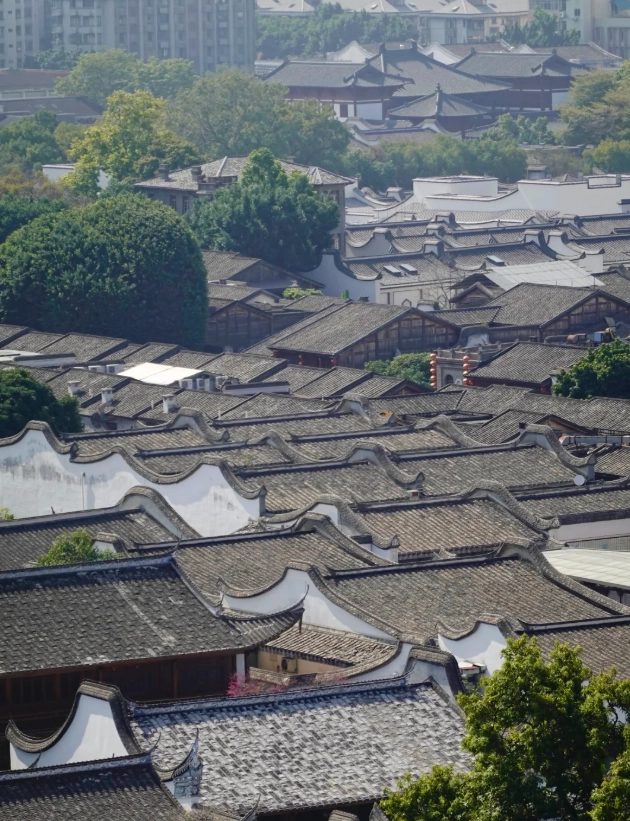
Three Lanes and Seven Alleys is not just another "old street" rebuilt for tourists. It's the historic heart of Fuzhou, with a layout that's remained unchanged for over a thousand years. But is it worth your limited vacation time? The answer depends on what you're after. Let's break it down.
What Exactly Is Three Lanes and Seven Alleys?
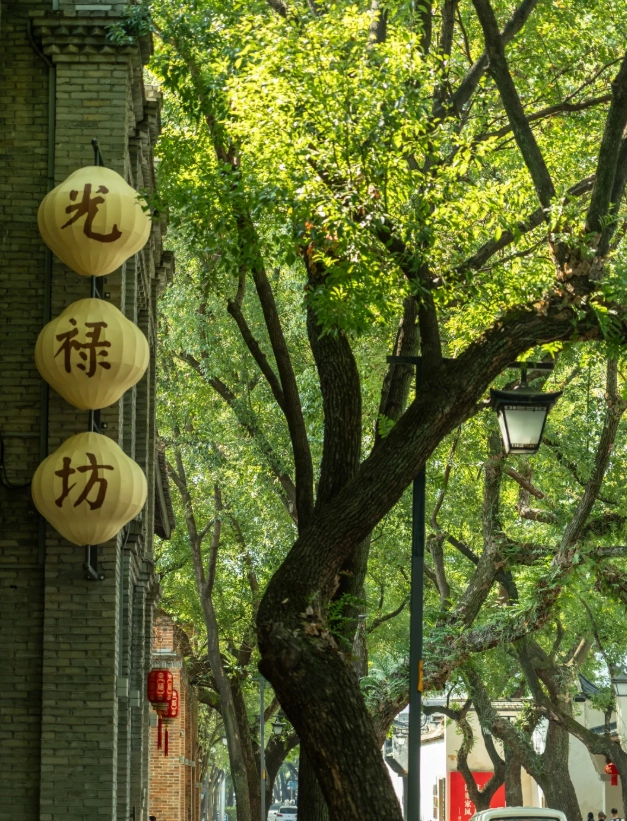
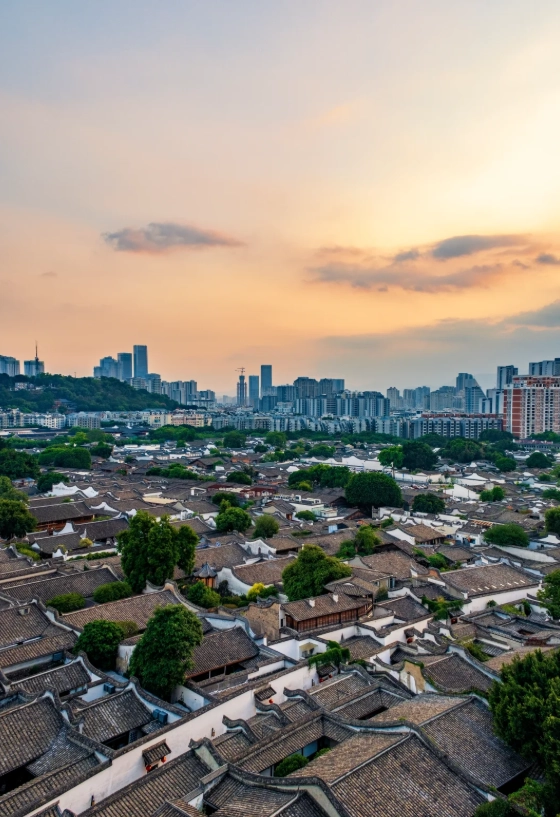
The name comes from the three north-south lanes (Yijin Lane, Wenru Lane, Guanglu Lane) and seven east-west alleys (Yangqiao Alley, Langguan Alley, Ta Alley, Huang Alley, Anmin Alley, Gong Alley, Jipi Alley). This grid covers about 40 hectares in downtown Fuzhou. It's a living museum of Ming and Qing dynasty architecture – think courtyards, wooden carvings, and grey brick walls. But it's not frozen in time: locals still live here, kids kick soccer balls in the alleys, and grandmas hang laundry between century-old banyan trees.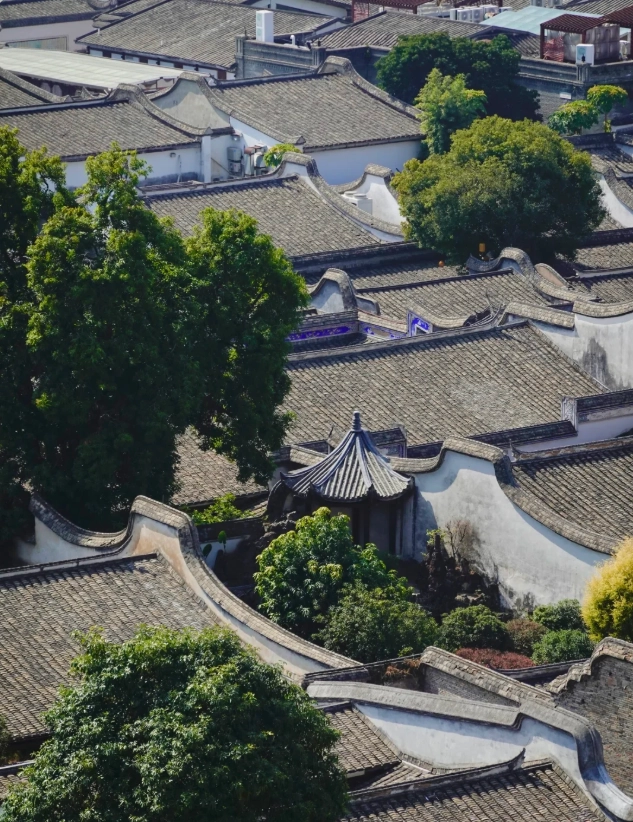
Quick heads-up: the main commercial strip is Nanhou Street, which runs north-south through the middle. That's where you'll find most shops and crowds. The magic happens when you duck into the side lanes.
Why It's Worth Visiting (and When It's Not)
The Pros (Why I keep bringing people here)
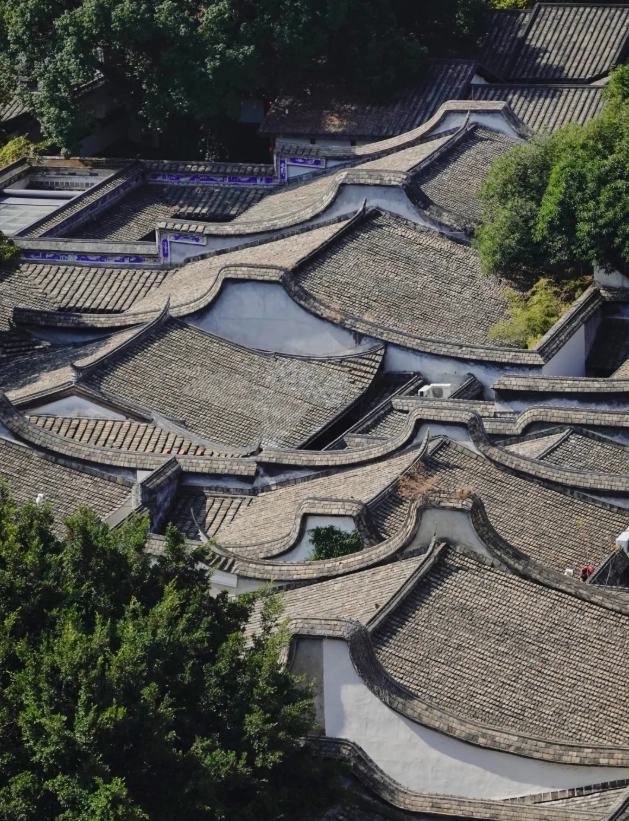
- Authentic atmosphere – Unlike many "ancient towns" in China that are complete reconstructions, most structures here are original. You can feel the history.
- Free to wander – The main area is open-air and free. You only pay for a few specific museums inside.
- Great photo ops – The alleys are photogenic in early morning light (7–9 AM) or late afternoon golden hour. Midday sun creates harsh shadows.
- Local life – I love watching residents play Chinese chess under the trees or hearing the clatter of mahjong tiles from open windows.
- Food scene – Some genuinely good Fuzhou snacks can be found here, not just overpriced tourist junk.
The Cons (Be honest)
- Crowds on weekends – Saturday afternoons can be shoulder-to-shoulder on Nanhou Street. Go on a weekday if you can.
- Commercialization – Some alleys are lined with generic souvenir shops. Stick to the side lanes to escape them.
- Not a full-day activity – Most visitors spend 2–3 hours. If you're expecting a whole day, you might be disappointed.
- Some attractions cost extra – The small museums (like the former residences of famous scholars) charge entry fees. Decide if they interest you.
So, is it worth visiting? For most travelers, yes – especially if you're in Fuzhou for more than a day. It's a pleasant way to spend a morning or late afternoon, combine with a visit to nearby West Lake Park or the Fuzhou Museum. But if you're on a whirlwind China tour with limited time, you might skip it for something more iconic like Gulangyu Island in Xiamen.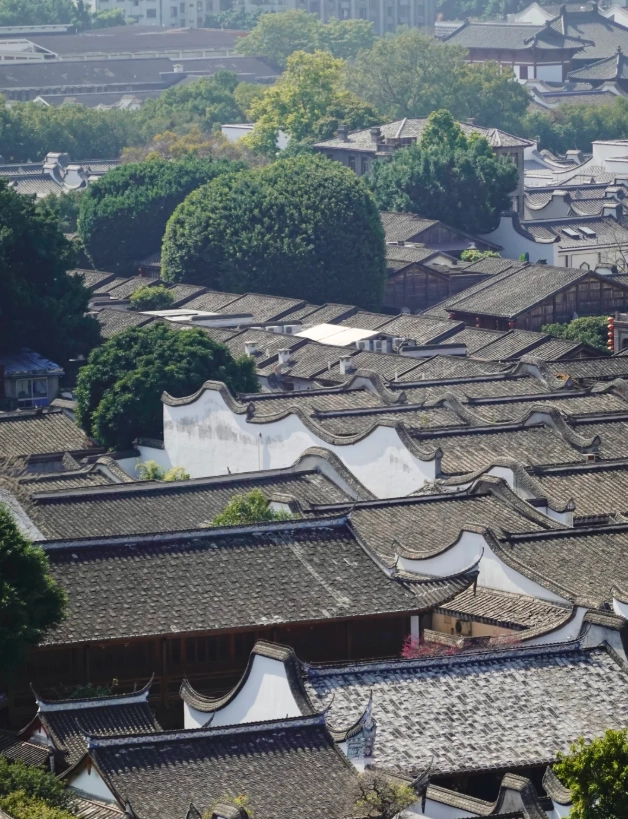
How to Get There
Address: Nanhou Street, Gulou District, Fuzhou. The entire block is walkable.
By Metro: Take Line 1 to Dongjiekou Station. Exit C – you'll see the entrance to the lanes immediately. The ride from Fuzhou Railway Station is about 15 minutes.
By Bus: Bus routes 5, 18, 22, 27, 55, 61, 75, 118, 128, 301, 317, and 327 all stop at Nanhou Street Station. Check a map app for real-time arrivals.
By Taxi/Ride-hail: From Fuzhou city center, a ride costs around 10–15 RMB. Tell the driver "Sanfang Qixiang" (pronounced san-fang chee-shiang).
Walking: If you're staying in the Gulou district, it's a pleasant 15–20 minute walk from the Fuzhou government area.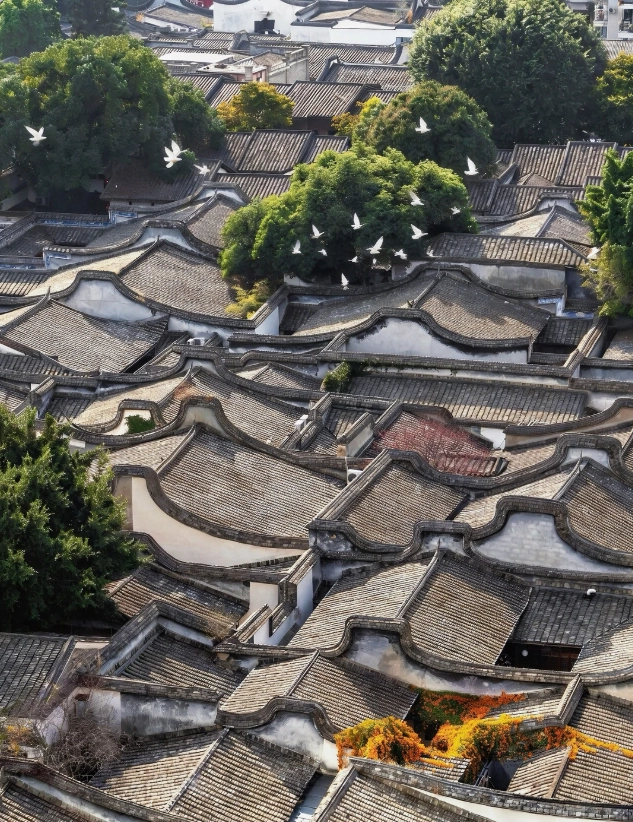
Ticket Prices & Opening Hours
| Area | Price | Notes |
|---|---|---|
| Main streets and alleys | Free | Open 24/7, but shops close around 10 PM |
| Former Residence of Lin Zexu | 20 RMB (adult) | Free for children under 1.2m, seniors 60+ with ID |
| Former Residence of Yan Fu | 15 RMB | Same discount policy |
| Other small museums (about 5) | 10–20 RMB each | Or buy a combo ticket for 60 RMB covering all |
Opening hours for paid sites: 8:30 AM – 5:00 PM (last entry 4:30 PM). Closed on Monday mornings for maintenance (but this changes – check the official WeChat mini-program before going). Pro tip: The free area is always open, so you can wander anytime. But if you want to enter the residences, arrive before 4 PM.
Prices fluctuate slightly depending on the season, so I recommend pulling up WeChat to scan their official mini-program right before you Uber over.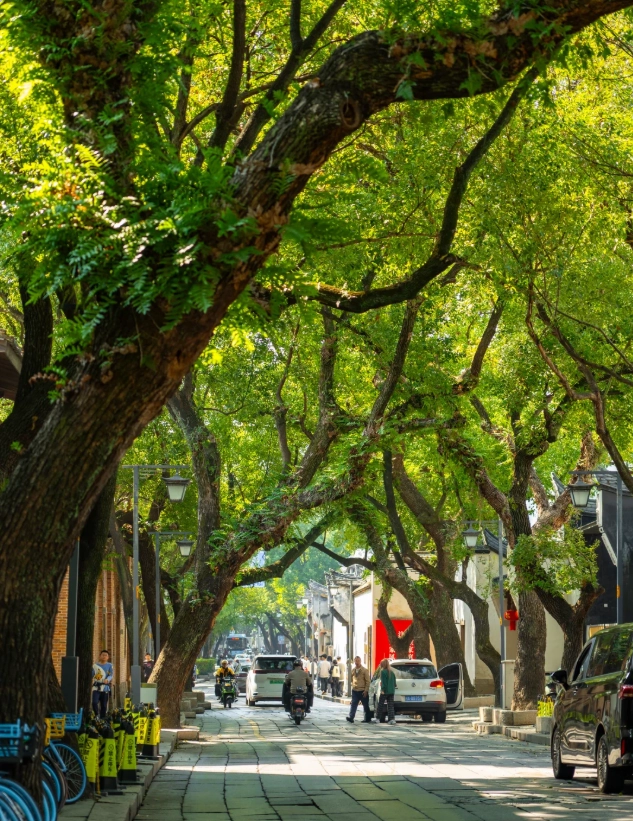
What to Do – The Insider Route
Most tourists walk straight down Nanhou Street and leave. Big mistake. Here's my personal 2-hour walking route:
- Start at the southern entrance (near Yangqiao Alley). Grab a coffee from the tiny shop hidden in a courtyard – the owner roasts beans himself.
- Head east into Huang Alley. It's quieter and has beautiful old walls. Look for the carved stone lions guarding a private residence.
- Cut through to Wenru Lane. This lane has the best-preserved scholar homes. The wood lattice windows are stunning.
- Reach the Former Residence of Lin Zexu – a must for history buffs. He was the official who fought against the opium trade. The garden is a peaceful oasis.
- Loop back via Taa Alley. There's a small temple at the end called Dingguang Pagoda – free to enter, and you can climb three stories for a rooftop view of the lanes.
- Finish at the northern end near Fuzhou's famous Banyan Tree, a 500-year-old giant. Perfect photo spot.
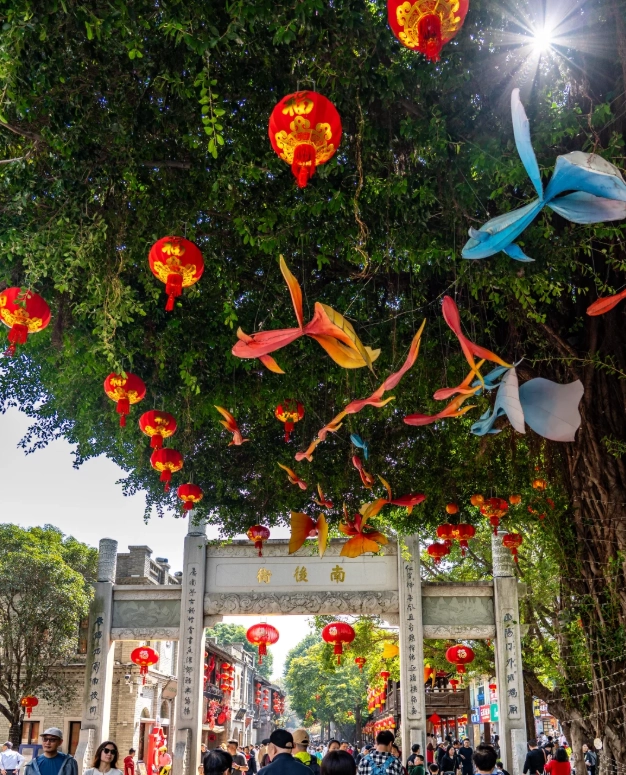
Best photo timing: arrive at the banyan tree around 4:30 PM when the sun filters through the aerial roots.
Where to Eat (Without Tourist Traps)
I've tried nearly every food stall here. Here's what's actually good:
- Lao Fuzhou Yuyuan – Classic fish balls in clear broth. Chewy, fresh, with a hint of pork filling. 15 RMB for a bowl. Their Fuzhou-style oyster omelette is also decent.
- Yonghe Fish Balls – Another branch, but their shark fin fish balls (fake, but tasty) are unique. 20 RMB.
- Minyue Snacks – Try the bianshi, a noodle soup with wonton-like dumplings. 12 RMB.
- Tangyuan shop at Nanhou Street No. 95 – Sweet sesame glutinous rice balls in ginger syrup. Perfect for a cold day. 8 RMB for 6.
Avoid: The "street food" stalls selling skewers of dubious meat – they're not local, and I've seen tourists get upset stomachs. Stick to sit-down shops with Chinese characters only (usually a good sign they serve locals).
Frequently Asked Questions
 Can I pay with credit cards or only mobile payment?
Verified and fact-checked by the editorial team.
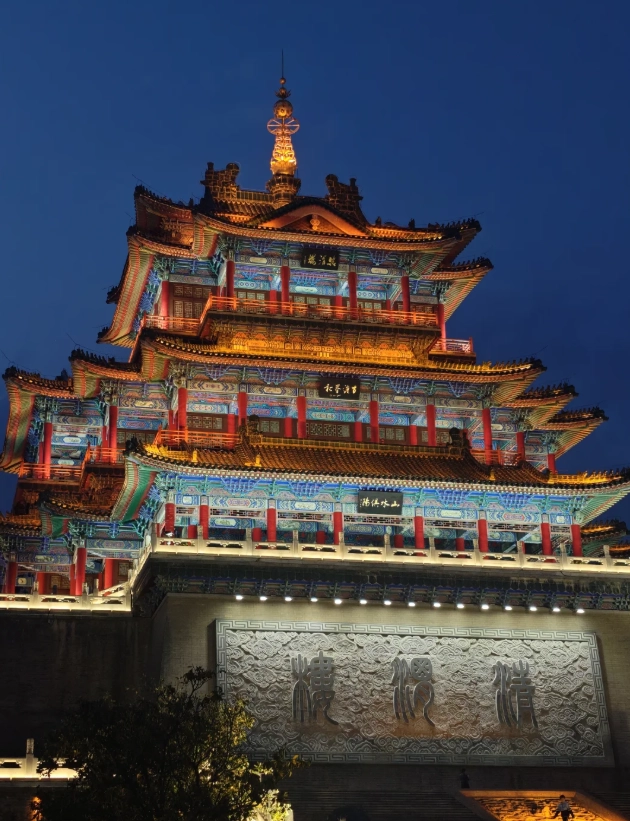
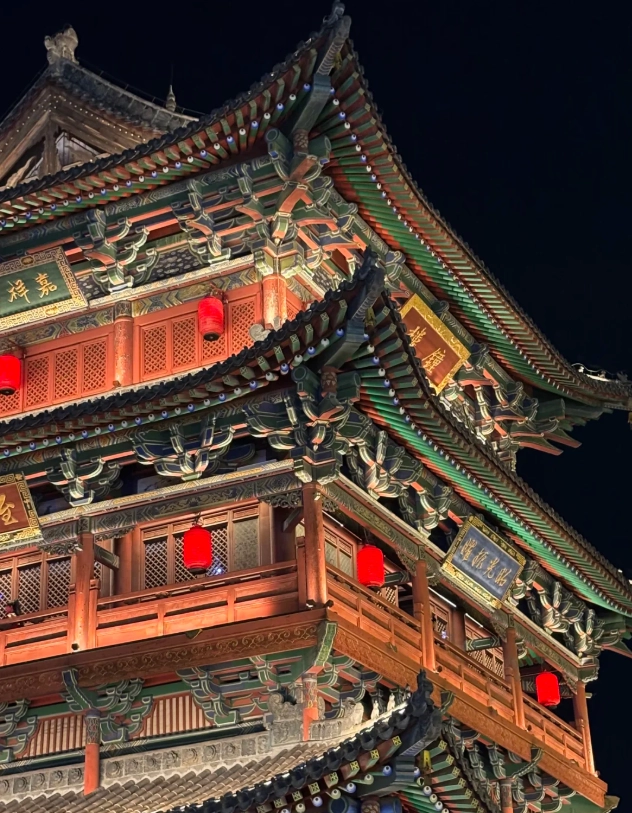





I've been to many ancient streets in China, and this one stands out for its authentic atmosphere. Even though it's a tourist hotspot, I found quiet spots away from the main flow, like the flower and bird market tucked in a side lane. The calligraphy shops and wood carving workshops let me chat with real craftsmen. If you have limited time in Fuzhou, don't skip this — it's a living museum.
Three Lanes and Seven Alleys totally exceeded my expectations! The night view with all the red lanterns lit up is magical. I stumbled upon a small opera performance in one of the courtyards — the singing gave me goosebumps. Also tried the local fish balls and oyster omelet from a street vendor; both were delicious. Perfect blend of history and foodie heaven!
Honestly, I was a bit underwhelmed. Too many souvenir shops selling the same cheap trinkets, and the crowds were insane even on a weekday. The historical houses are pretty from the outside, but you can't go into most of them without paying extra. I grabbed a bubble tea and left in an hour. Not my kind of vibe — maybe if you're into shopping it's better.
As a photographer, this place is a dream. The mix of Ming and Qing dynasty buildings with modern street art creates incredible contrasts. I visited early morning to avoid crowds and got some amazing shots of the cobblestone lanes and ancient banyan trees. The only reason I'm giving 4 stars is that some alleys felt a bit too polished for my taste, but overall it's a fantastic cultural spot.
Absolutely loved my visit to Three Lanes and Seven Alleys! The ancient architecture is stunning, and I spent hours wandering through the narrow alleys, discovering hidden tea houses and local artisan shops. The smell of freshly baked mochi and the sound of traditional music in the background made the experience so immersive. Definitely a must-see in Fuzhou!