 Fang Wang
What You'll Find Here
Why Timing Matters More Than You Think
I've been leading tours in Fuzhou for over eight years, and if there's one question I hear constantly, it's "When is the best time to visit Fuzhou?" New travelers often think any time works – until they step out of the airport into 35°C summer heat with 90% humidity, or arrive during a typhoon that shuts down the Three Lanes and Seven Alleys. Trust me, picking the right season transforms your trip from a sweaty struggle into a relaxed cultural immersion.
Fuzhou, the capital of Fujian province, has a subtropical monsoon climate. That means mild winters, hot and rainy summers, and two glorious shoulder seasons where the weather is just perfect. In this guide, I'll share exactly what you'll face each month, plus insider hacks to dodge crowds and save money. Let's dive in.
Month-by-Month Weather Breakdown
| Month | Avg Temp (°C) | Rainfall (mm) | Humidity | Pros | Cons |
|---|---|---|---|---|---|
| Jan | 10–15 | 50 | Moderate | Cool, few tourists | Overcast possible |
| Feb | 10–16 | 80 | Moderate | Chinese New Year celebrations | Cold, many businesses closed during CNY |
| Mar | 13–19 | 120 | High | Blooming flowers, mild | Drizzly |
| Apr | 17–24 | 150 | High | Warm, pleasant | Rainy days common |
| May | 21–28 | 160 | High | Perfect warmth, greenery | Humidity rising |
| Jun | 24–31 | 200 | Very High | Lychee season | Hot, heavy rain |
| Jul | 26–34 | 160 | Very High | Summer energy | Scorching, typhoon risk |
| Aug | 26–34 | 180 | Very High | Less rain than June | Peak typhoon season |
| Sep | 24–31 | 130 | High | Typhoons start to fade | Still hot early month |
| Oct | 19–26 | 50 | Moderate | Golden weather, low humidity | None |
| Nov | 15–22 | 40 | Moderate | Cool, clear skies | Slightly chilly evenings |
| Dec | 11–17 | 40 | Moderate | Mild winter, few tourists | Can get damp |
I always tell my groups: if you only have one week, come in October or November. The temperature hovers around 22°C, the sky is a brilliant blue, and you can walk through the ancient alleys without sweating through your shirt.
Best Seasons: Spring & Autumn (March–May & October–November)
These two windows are universally the best time to visit Fuzhou. Let me break them down.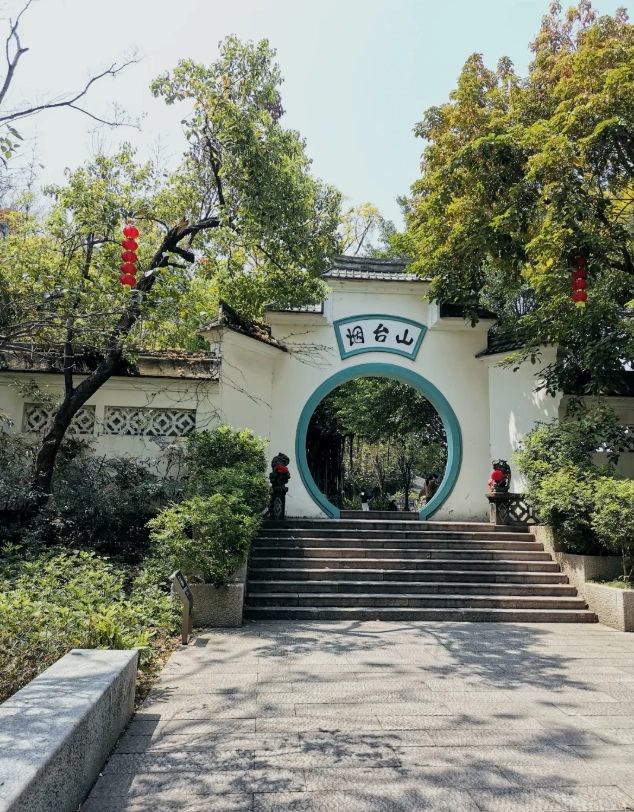
Spring (March–May)
Spring in Fuzhou is a botanical wonder. The city's parks – especially West Lake Park and the Fuzhou National Forest Park – explode with azaleas and cherry blossoms. The temperature is mild, usually 15–25°C. You'll need a light jacket in March, but by May you're in T-shirt weather.
What to expect:
- Rain: Yes, it rains more in spring – about 12–15 rainy days per month. But the showers are often short and leave the air fresh. Always carry a compact umbrella.
- Tourists: Moderate. April sees a bump because of the Qingming Festival (early April) when domestic travelers visit ancestral tombs, but it's still manageable.
- Costs: Hotel prices are moderate, not peak yet.
My pro tip: Aim for early March if you want to catch the plum blossoms at Gushan (Drum Mountain). The mountain is a 30-minute bus ride from city center (line 29 from Wuyi Square) and the hike up takes about 45 minutes. Bring water – there's a tea house halfway, but it's a bit overpriced.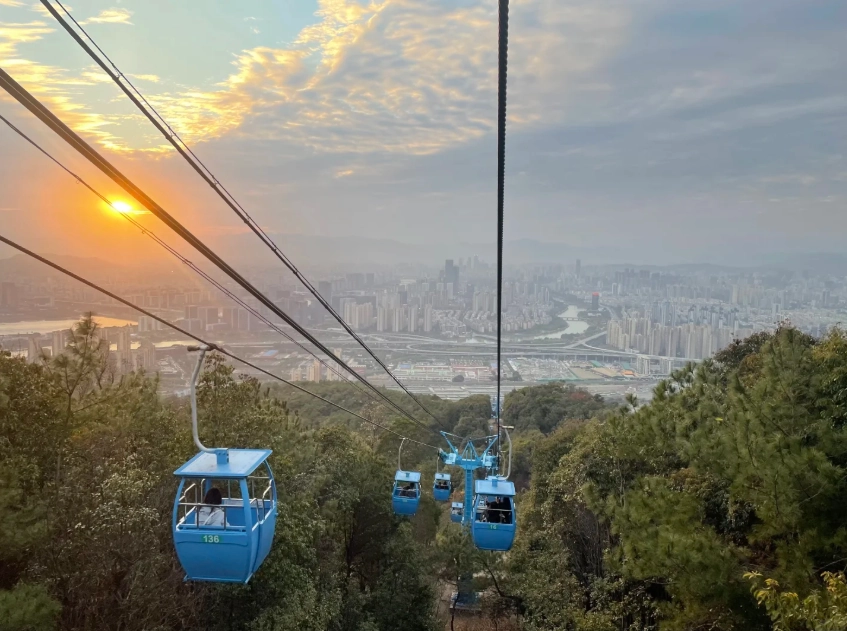
Autumn (October–November)
This is the absolute best time to visit Fuzhou, hands down. October and November bring crisp air, blue skies, and virtually no rain. Temperature sits perfectly between 18–26°C. You can comfortably explore all day without breaking a sweat.
What to expect:
- Weather: Sunny and dry. The humidity drops to comfortable levels.
- Crowds: Still manageable, though October's National Day holiday (Oct 1–7) packs the major sights. Avoid that week if you hate lines.
- Events: The Fuzhou International Marathon often happens in November, and local tea markets showcase fresh oolong harvests.
Insider hack: Head to the Three Lanes and Seven Alleys in late October – the ancient banyan trees are still green, and the afternoon light casts golden shadows on the white walls. I always take my guests to the Lin Zexu Memorial (free entry) around 3 PM to catch the best photo light.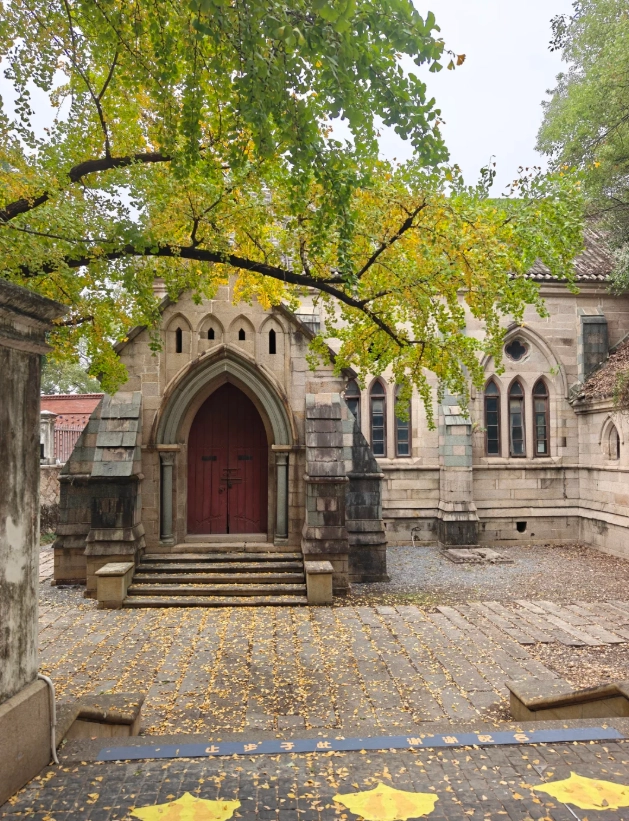
Summer & Winter: Can You Still Visit?
Sure, but you need the right mindset. Let me level with you.
Summer (June–September)
Summer is hot, humid, and typhoon-prone. July and August average 34°C but feels like 40°C with the humidity. Rain is heavy but usually comes in short bursts.
- Pros: Lowest room rates (except for school holidays), fresh lychees and longan fruit, and the Fuzhou Hot Springs are still enjoyable if you go in the evening.
- Cons: Typhoons can ground flights and flood streets. If you come, always check the National Meteorological Center typhoon forecast (nmc.cn). Also, many temples close early during extreme weather.
- What to do: Stick to indoor attractions like the Fujian Museum (free, air-conditioned) or the Fuzhou Shenfu Culture Museum. For a local treat, try the Bing Tang Hulu (candied hawthorn) from street vendors – it's a summer staple.
Winter (December–February)
Winter is mild compared to northern China. Temperatures rarely drop below 8°C, but the lack of indoor heating (common in many older buildings) makes it feel colder.
- Pros: Very few tourists – you'll have temples almost to yourself. Clear days are stunning. Hot springs are at their best. The Fuzhou Hot Springs Street has dozens of bathhouses (entrance around 80–150 RMB).
- Cons: Some outdoor attractions like Drum Mountain can be foggy and slippery. Chinese New Year (late January or February) brings massive crowds and many restaurants close for a week. I'd avoid the first 5 days of CNY unless you want to experience the festivities.
What to wear: A warm jacket and layered clothing. Most locals wear down jackets. And don't forget an umbrella – winter drizzle is common.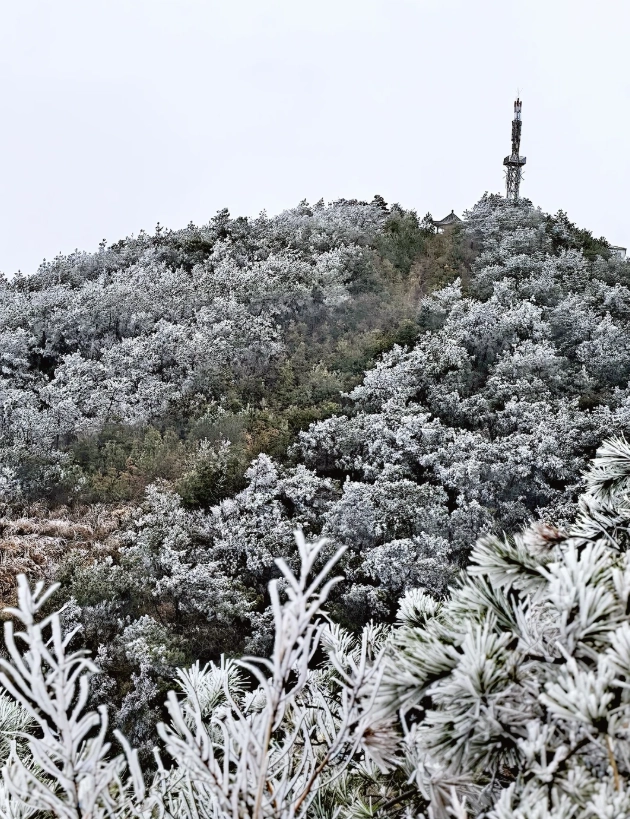
Festivals & Events That Affect Your Visit
Timing your trip around a festival can be magical – or a nightmare if you don't plan.
- Chinese New Year (Late Jan–Mid Feb): Lantern displays at Three Lanes and Seven Alleys are spectacular. But book hotels months ahead and expect everything to be crowded.
- Qingming Festival (Early April): Domestic travel peak. Roads near cemeteries are jammed. Skip the city outskirts this day.
- Dragon Boat Festival (June): Watch dragon boat races on the Min River. Best viewpoint: the riverside promenade near the Fuzhou Strait International Convention Center.
- National Day Holiday (Oct 1–7): Worst time for crowds. I once waited 45 minutes just to enter the West Lake Park. If you must come, go early morning (before 8 AM) or late afternoon.
- Fuzhou Jasmine Tea Festival (Usually September): A niche event for tea lovers. Held at the Fuzhou Tea Culture Park, you can sample fresh jasmine tea and watch tea processing.
One more thing: most Chinese museums and government-run sites are closed on Mondays (except public holidays). Plan accordingly.
How to Pick the Best Time Based on Your Trip Style
Not all travelers are the same. Here's my quick recommendation matrix.
- You love photography: Come in October or November for golden light and clear skies.
- You're on a budget: Winter (December–early February) for low accommodation prices, but avoid CNY week.
- You want to see flowers: Late March to early April for plum and peach blossoms.
- You enjoy hot springs: Any time from November to February, with cool air making the soak even better.
- You're a foodie: Summer for fresh lychee and longan; spring for bamboo shoots and wild vegetables; autumn for hairy crab (imported from Shanghai, but available).
- You hate crowds: Come in November (after National Day) or December. January is also quiet, but watch for cold snaps.
Remember that most attractions in Fuzhou are easily accessible by metro (lines 1 and 2 cover the downtown core). For example, to reach Three Lanes and Seven Alleys, take Line 1 to Dongjiekou Station, Exit B. The walk is 3 minutes. The metro runs from 6:30 AM to 11:00 PM, and a single ride costs between 2–7 RMB depending on distance.
A Quick Word on Packing
No matter when you visit, these items are your best friends:
- A lightweight, quick-dry shirt (humidity + cotton = disaster).
- Comfortable walking shoes (you'll explore ancient lanes with cobblestones).
- A reusable water bottle (tap water isn't safe, but many hotels and attractions have filtered water dispensers).
- Sun protection: sunglasses, sunscreen (SPF 30+), and a hat – even on cloudy days the UV can be strong.
If you're coming in summer, add a small portable fan and a rain poncho. Winter visitors need lip balm and moisturizer (the dry indoor air can crack skin).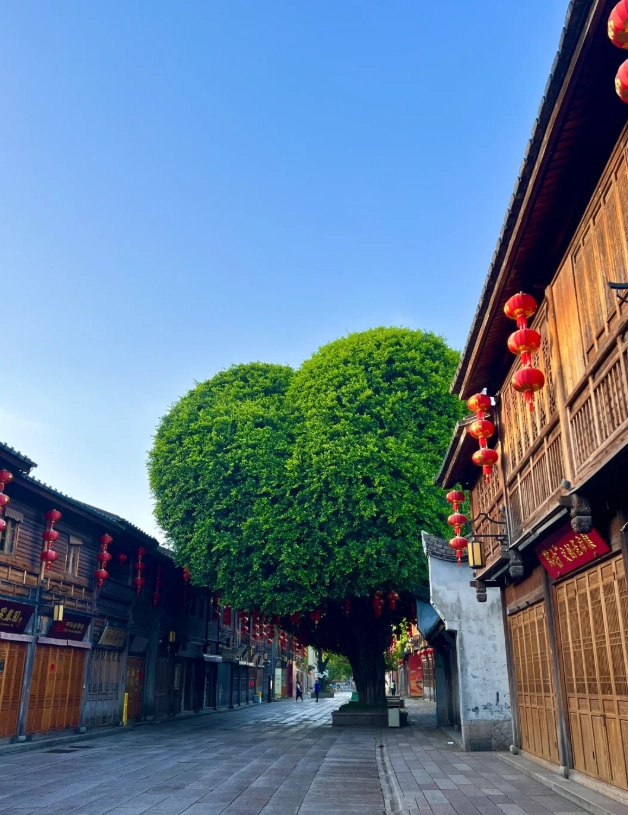
FAQ: Your Burning Questions About Fuzhou Timing
Verified and fact-checked by the editorial team. This content has been fact-checked to ensure informational precision.






I’m a weather-sensitive traveler and this article saved my trip. I came in late October based on the recommendation and everything matched—no typhoon, blue skies, and comfortable temps for exploring the ancient alleys and hot springs. The humidity was so low that my camera lens didn't fog up for once! If you're planning a Fuzhou visit, trust the timeline here. Absolutely worth every penny.
After reading this guide, I scheduled my trip for early November and it was a game changer. No typhoon threats, perfect 20°C weather, and the skies were crystal clear. I hiked up the Drum Mountain and the view was breathtaking. Fuzhou really shines when you avoid the rainy and hot seasons. Even locals told me I picked the best time. 5 stars for the advice!
Spent a week in Fuzhou last March and it was lovely—mild temperatures, blooming flowers, and very few tourists. The article mentions avoiding typhoons, and spring is definitely safe. I especially enjoyed walking along the Min River at sunset without feeling sticky. Only minor complaint: occasional drizzle, but that’s typical for spring. Overall a fantastic visit, just pack a light rain jacket!
Came to Fuzhou in mid-August because of work and honestly, it was rough. Super humid and we got hit by a tropical storm that shut down outdoor attractions for two days. The article is right—summer is not the time. I wished I had checked the typhoon forecast better. The city itself is nice, but the weather really dampened the experience. Would only come back in autumn or spring.
Visited Fuzhou in late October and the weather was absolutely perfect—cool breezes, clear skies, no humidity at all. I was a bit worried about typhoons since fall is still typhoon season, but we lucked out. The city parks were stunning with autumn colors. Definitely the best time to come if you want to avoid the scorching summer and unpredictable storms. Highly recommend planning around October-November!