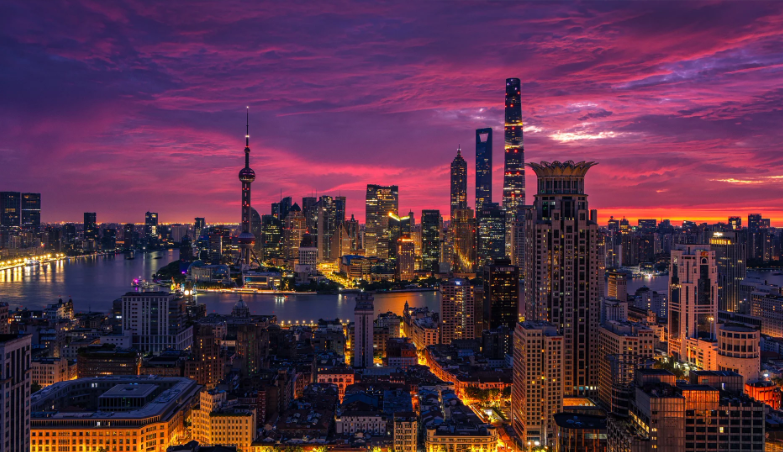
Shanghai, a global financial hub and cultural melting pot, is known for its modern skyline, historical landmarks, and vibrant waterfronts.
Shanghai Travel FAQ
I'm on a tight budget — can I still find foreigner friendly hotels in China under $50 a night?
Yes, but you'll need to be strategic. Look at international chains like Ibis or Holiday Inn Express in second-tier cities (e.g., Chengdu, Hangzhou). They usually accept foreign cards and have decent WiFi. Book via Trip.com and filter by 'Credit Card Accepted' — though even that filter isn't 100% accurate. Call ahead. Also consider hostels like 'The Loft' in Shenzhen or 'Captain's Hostel' in Beijing — they're used to backpackers and may accept cards or cash only. Always bring enough RMB.
Do I need to print hotel vouchers? Will digital confirmations work?
Digital works fine. I always keep a screenshot of the booking confirmation on my phone. Hotels in China prefer to see the confirmation number and passport. That said, some smaller hotels might ask for a printed copy if their internet is down. Save a PDF on your phone just in case. Also, ensure your phone has the booking app (Trip.com) installed and logged in — they can look up your reservation there.
What if the hotel loses my reservation? What's the best backup?
It happens. Chinese hotels sometimes overbook or their system crashes. My protocol: have Trip.com's 24/7 hotline saved (+86-21-34064888) — they can call the hotel directly. As a last resort, walk into any Marriott or Hilton nearby. They almost always have rooms, and they'll match or slightly beat the online price if you're standing at the desk. I've done this three times with clients, and it worked every time.
How important is it to have a hotel with a physical front desk? Can I use Airbnb?
I strongly recommend a front desk for first-time visitors to China. Why? Because you'll need help with taxis, takeout food, and sometimes even minor translation. Airbnbs can be tricky: many require you to meet a host who doesn't speak English, and the WiFi may be locked. If you insist on Airbnb, book a 'Plus' property or one with multiple English reviews. Also confirm they accept passport registration (required by law). Some Airbnb hosts don't know how to register foreigners, which can cause problems with police.
I hear hotels in China often require a deposit in cash — is that true for foreigners?
Yes, it's common. Many hotels, even international chains, may ask for a deposit of 200–500 RMB in cash upon check-in. This is for incidentals. They'll return it at checkout. If you don't have cash, they may put a hold on your credit card, but that hold can take weeks to release. I always keep about $100 equivalent in RMB for deposits. Also, never rely on a debit card — it may not work. Cash is king for deposits.
What about hotels in smaller cities or rural areas? Any hope for foreigner friendly options?
Tougher, but not impossible. In smaller cities, stick to well-known local chains like Jin Jiang or Vienna Hotel. They have a standardized process and may accept foreign cards. Avoid family-run guesthouses unless you read Chinese reviews confirming foreigner friendliness. Also, carry a printed address in Chinese to show taxi drivers. I helped a client book a Vienna Hotel in Lijiang recently — they took Visa and had one English-speaking staff member. But it required three calls to confirm.
Can I bring a backpack and a rolling carry-on for China flights?
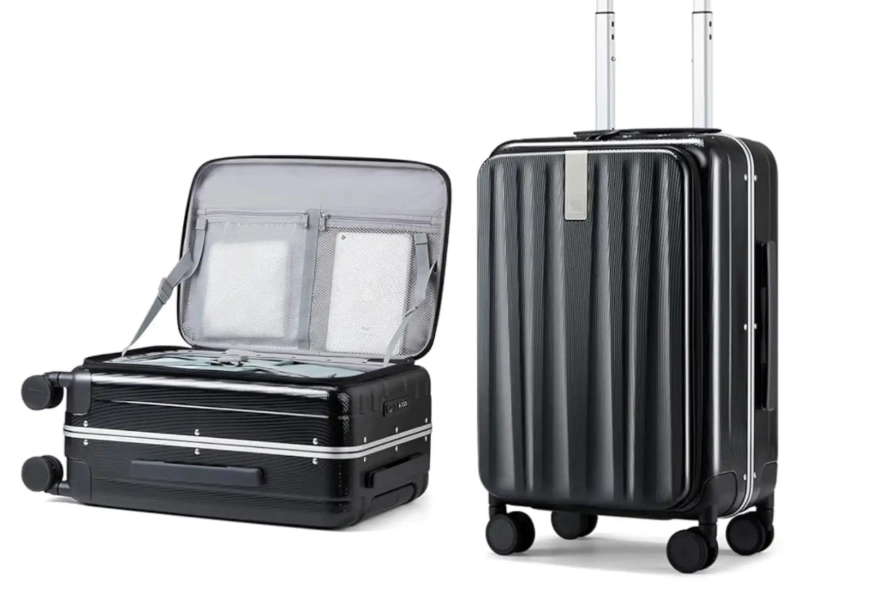
Yes, as long as the second bag is small enough to count as a personal item. Most U.S.-based airlines allow a full carry-on a personal item like a backpack. But Chinese carriers often define 'one piece' strictly. On Air China, for example, your personal item must fit under the seat, and it must be a purse, laptop bag, or a small backpack (about 25 liters or less). If in doubt, choose a slim laptop bag rather than a full backpack.
What if my carry-on is 1 cm over the limit?
You entered the danger zone. Many gate agents will eye it, but some measure. If it's just 1 cm, you may squeeze it in — but don't bet on it. I've seen a 1.5 cm overage lead to a $100 gate check. Always aim for at least 1-2 cm margin. If your bag is full, push the side pockets inward with your knees to compress it before you get to the gate.
Are there different carry-on rules for domestic flights within China?
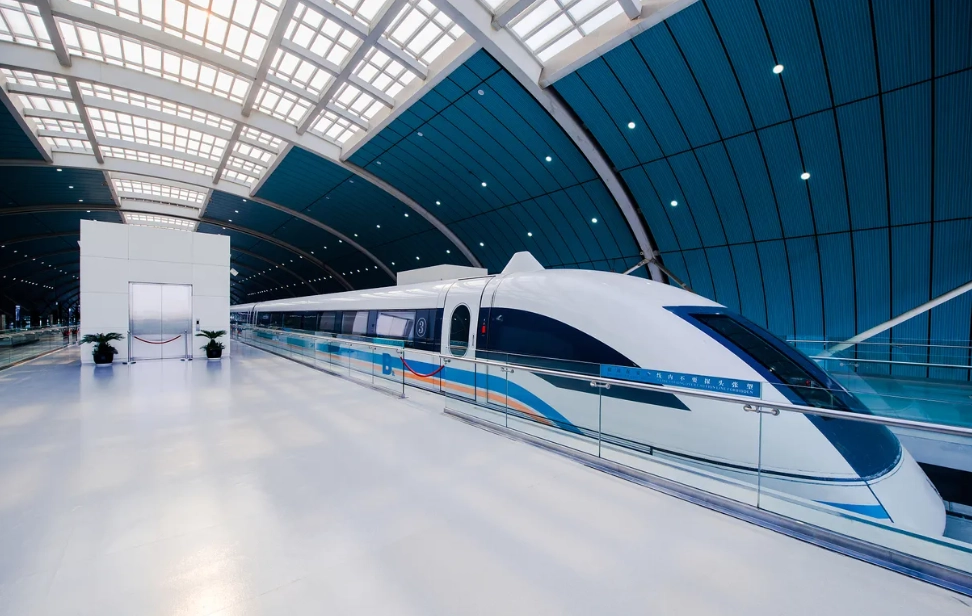
Yes. On domestic routes, Chinese carriers often allow 7 kg instead of 5 kg, though size stays the same. Budget carriers like Spring Airlines are much stricter — limit 30 x 40 x 50 cm, and they usually weigh right at boarding. If you're flying a train too, note that high-speed rail has no strict size limit, but the overhead racks fit typical luggage.
Can I take a power bank on a plane to China?
You must take it in your carry-on — it's banned from checked luggage. The power bank must be clearly marked with capacity. If it's 100Wh or less, you're fine. Between 100-160Wh, you need airline approval. Above 160Wh, no way. I always bring a label maker to put a clear Wh sticker on my power banks to avoid confusion.


Recent Reviews
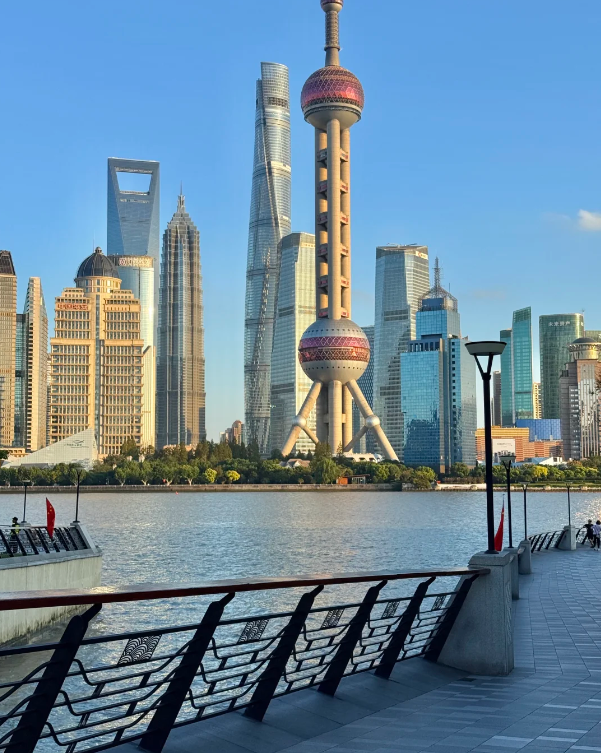
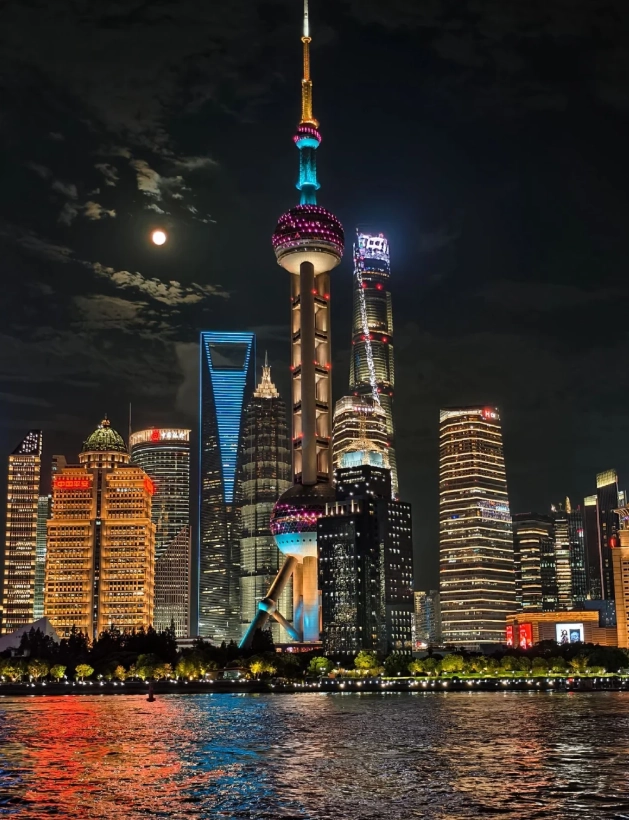
Shanghai exceeded every expectation. The food alone is worth the trip - I still dream about the xiaolongbao at Din Tai Fung and the spicy crayfish at a random night market. But the city itself is a spectacle: the Pudong skyline at night, the historic waterfront, the hidden temples squeezed between skyscrapers. Everywhere I looked there was something new. If you love cities with energy and flavor, Shanghai is a must.
I've been to a lot of big cities, but Shanghai has my heart. There's so much to unpack: the smell of sizzling scallion pancakes from street carts, the hum of e-bikes on tree-lined roads, the absurdly good coffee in Xuhui. I visited the Shanghai Museum and the exhibits were world-class. Even getting lost in the rain one evening ended with a friendly shopkeeper walking me to my hotel. Not a single dull moment. Can't recommend it enough.
Shanghai completely blew me away. The mix of old and new is unlike anything I've seen - one minute you're in a futuristic financial district, the next you're wandering through narrow lanes with laundry hanging overhead. I went to the observation deck of Shanghai Tower at golden hour and honestly felt like I was on top of the world. The city is clean, the metro is world-class, and people were kinder than I expected. Already planning my next trip.
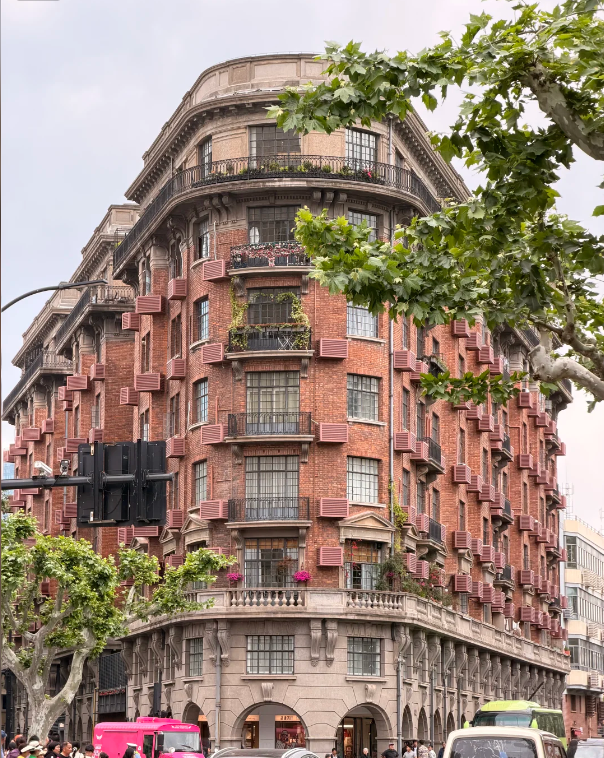
I spent four days in Shanghai and left with a mostly great impression. The skyline from the Bund is unreal, especially at sunset. I loved walking through the former French Concession - the plane trees and little cafés felt like another world. Only drawback: taxis were hard to flag at rush hour and I got turned around in the subway once. Still, the food scene is amazing, from soup dumplings at a tiny local shop to late-night skewers off a side street. Definitely coming back.
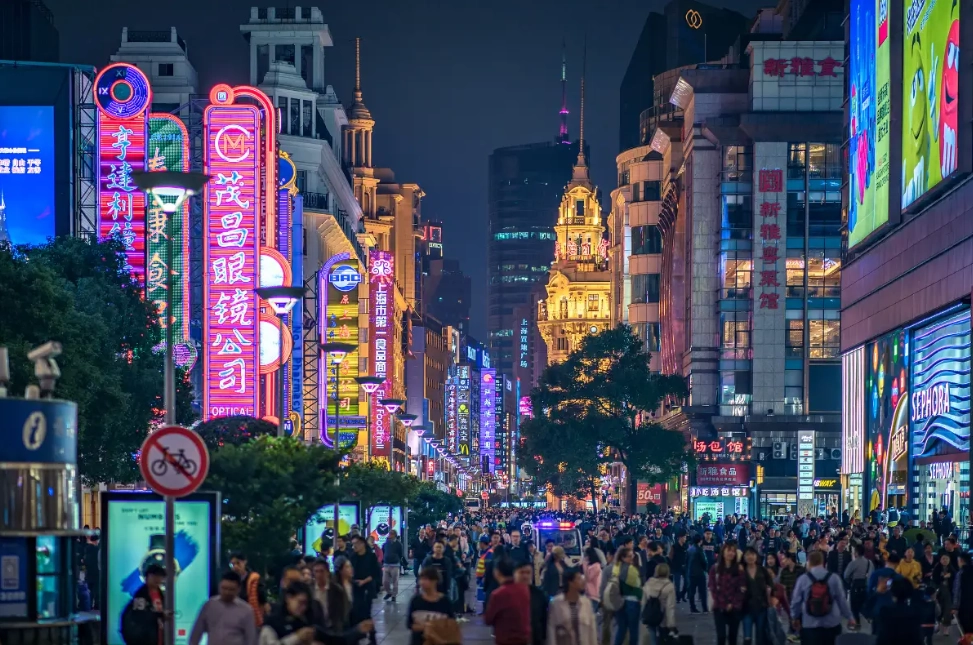
Shanghai is overwhelming in a way I wasn't prepared for. The Bund at night is stunning, but the crowds and noise made it hard to enjoy. We tried a local dumpling place near Yuyuan that was cheap and tasty, but the service felt rushed and a little dismissive. The metro is efficient, but plenty of signs are only in Chinese, and my phone data kept dropping inside the stations. It's a city that never stops, and I think I'd appreciate it more with a guide. Not a bad trip, just not the relaxing getaway I hoped for.
I really wanted to love Shanghai, but honestly it just didn’t wow me the way I expected. The Bund is nice, but the whole time I felt like I was being pushed along by the crowds, and a lot of the old streets have been replaced by identical luxury malls. My hotel was fine, but the staff seemed rushed and the breakfast didn’t have much local flavor. A few moments, like the river breeze at night, were nice, but I left feeling a bit neutral. Maybe I just had bad luck.
Leave a Review