 Lei Li
Quick Navigation
Sweating under the Shanxi sun, I watched my group of 12 squint at the towering Buddha—most of them speechless. That’s the moment I knew: Yungang Grottoes is not just worth visiting; it’s a pilgrimage for the soul. But is it worth your time and money? I’ve navigated the digital ticket maze, dodged the mid-day crowds, and watched tourists miss the best spots because they followed outdated advice. After 50+ tours, I can tell you: Yes, but only if you go at the right time and know where to look. Skip the usual 3-day Datong itinerary—it’ll burn you out. Here’s everything I wish someone had told me.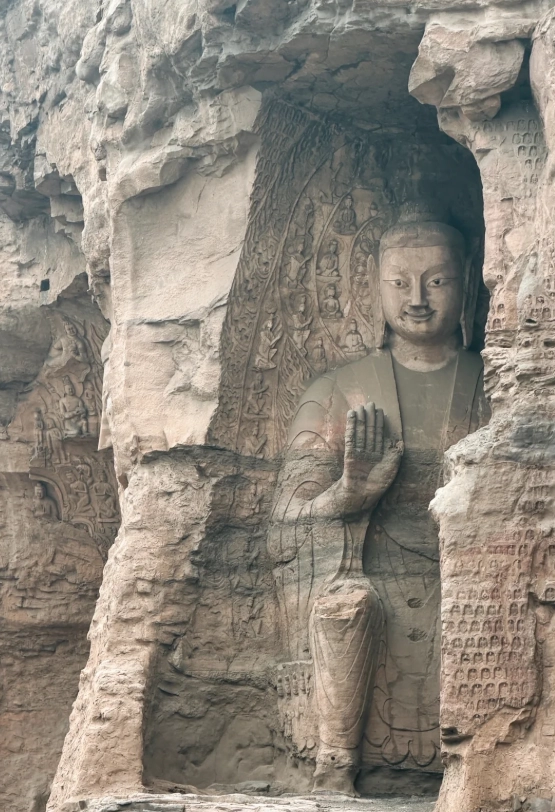
Why Yungang Grottoes Stands Out: A UNESCO Gem
Carved into the sandstone cliffs of Datong between the 5th and 6th centuries, the Yungang Grottoes house over 51,000 statues spread across 45 main caves. It’s a masterpiece of Buddhist art and a UNESCO World Heritage site (2001). What makes it unique is the sheer scale—Cave 20’s sitting Buddha is 13.7 meters tall—and the fusion of Indian, Persian, and Chinese styles. Most tourists who come are blown away by the craftsmanship.
The Real Challenges: What Nobody Tells You
Let’s be real. Yungang has some headaches. First, the ticketing system is a pain—you must book via WeChat mini-program (in Chinese) unless you have a tour guide. Second, the site gets absolutely packed between 10 AM and 2 PM. I once stood in a 30-minute queue just to enter Cave 5. Third, there’s almost no English signage; you’ll need a good guide or audio tour.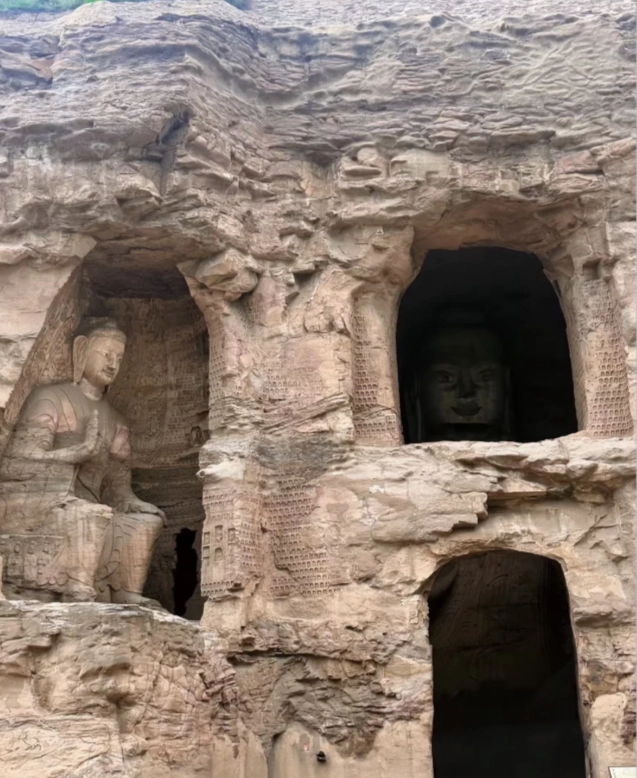
How to Get the Best Experience: Insider Tips
Best Time to Visit
Arrive by 8:30 AM (opens at 8:30 in peak season). The light is perfect for photos, and you’ll beat 80% of the crowd. By 11 AM, tour buses roll in. Also, avoid Chinese public holidays (like National Day Golden Week) unless you enjoy pushing through human traffic.
Optimal Route
Start with Cave 1–4 (smaller, less crowded), then hit Caves 5–13 (the most spectacular), finish with Caves 16–20 (the famous giant Buddhas). Skip the modern museum if you’re short on time—it’s okay but not essential.
Photography Spots
The best shot of Cave 20’s outdoor Buddha is from the wooden platform to its left, around 9 AM when the sun hits its face. Avoid noon—harsh shadows ruin the details.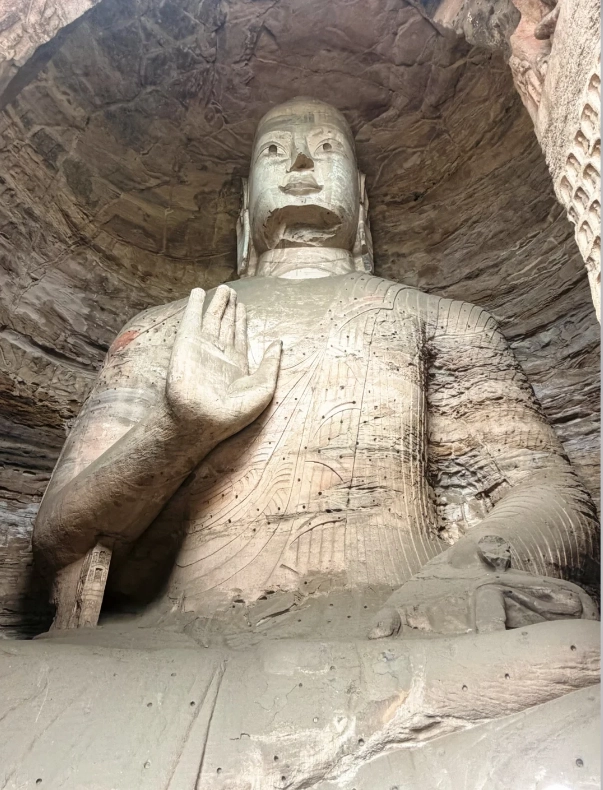
Yungang Grottoes Tickets: Step-by-Step Booking Guide
| Category | Price (CNY) | Notes |
|---|---|---|
| Adult (Apr–Oct) | 120 | Peak season |
| Adult (Nov–Mar) | 100 | Off-peak, some caves may close |
| Student (with ID) | 60 | Half price |
| Senior (60+) | Free | Requires ID |
| Child under 1.2m | Free | No ticket needed |
Booking channel: Official WeChat mini-program named "云冈石窟" (search in WeChat). Alternatively, use Trip.com (China’s version of Expedia) or ask your hotel to book. Pro tip: Book at least 1 day ahead during peak season; same-day tickets sometimes sell out by 11 AM.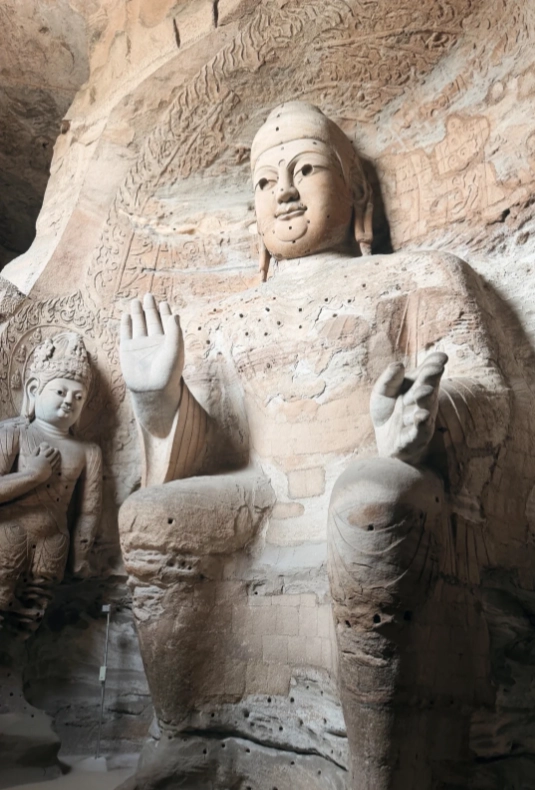
How to Get There from Datong
| Method | Cost | Duration | Notes |
|---|---|---|---|
| Taxi / Didi | ~60 CNY | 25 min | From Datong city center; show driver "云冈石窟" |
| Bus 3 | 2 CNY | 45 min | From Datong Bus Station; drops at south gate |
| Private tour | 200-500 CNY | ~4 hours | Includes hotel pickup & guide |
Warning: International ride-hailing apps don’t work well in Datong. Download Didi in advance (it has an English interface now) or ask your hotel to call a taxi. Avoid motorbike taxis—they’re unsafe on the highway.
How Much Time Do You Need?
At least 3 hours for a quick walkthrough. For a thorough visit (with audio guide and all main caves), budget 4–5 hours. If you’re a photography enthusiast, you’ll want the full day because the light changes dramatically. My rule: Don’t cram it into a half-day with other Datong attractions—you’ll be too rushed to appreciate the detail.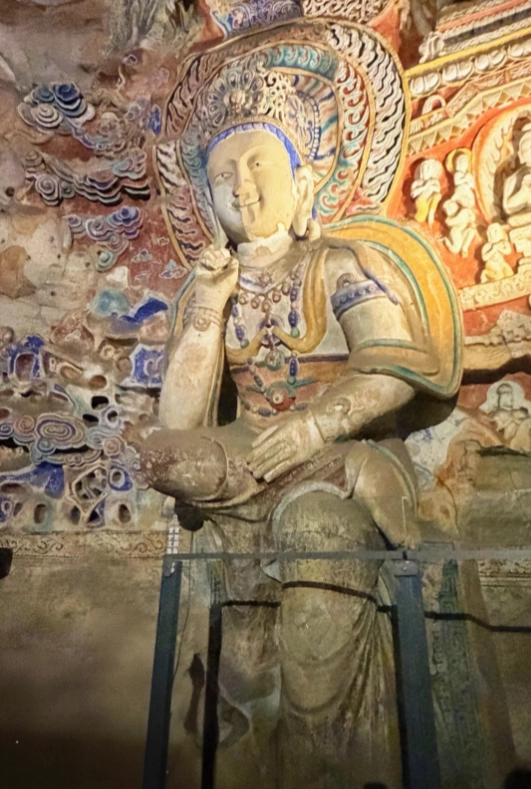
What to See: Must-Visit Caves
Cave 5 & 6 (The Pair)
This is the highlight. Cave 5 has a 17-meter seated Buddha—the largest indoor statue. Cave 6 is a pagoda filled with intricate carvings of Buddha’s life. Both are breathtaking. Insider tip: Go early; these two caves form a bottleneck by 10 AM.
Cave 9 & 10 (The Twin Flowers)
Known for its front-chamber columns and musical carvings. The stone still retains traces of original paint—look closely at the ceiling.
Cave 16–20 (The Outdoor Giants)
Cave 20 is the iconic outdoor Buddha, partially collapsed but majestic. Cave 18 has a thousand-Buddha motif. These are the most photogenic.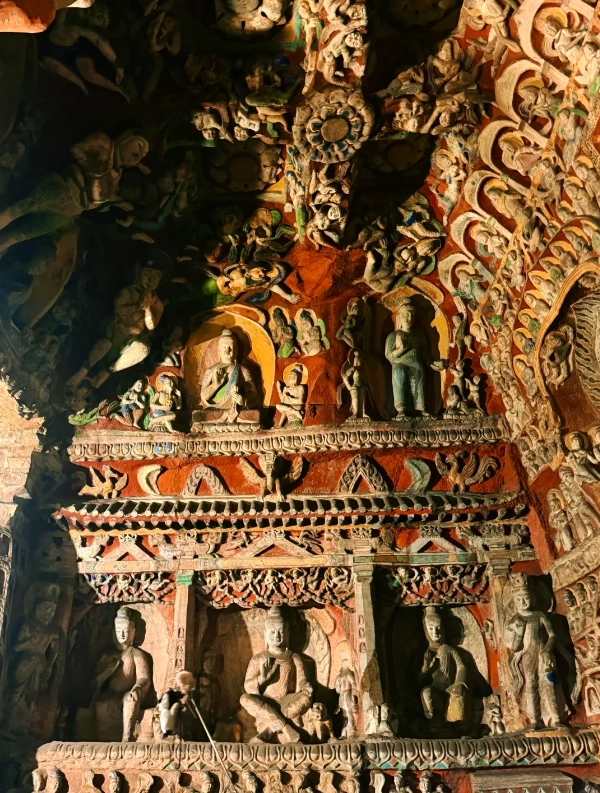
Yungang Grottoes vs. Longmen Grottoes: Which Is Better?
I get this question a lot. Here’s my take: Yungang is older (5th century vs. 6th), more concentrated, and easier to visit in a half-day. The statues are larger and more weathered—they feel raw and spiritual. Longmen (near Luoyang) is spread along a river, has more inscriptions, and is more commercialized. If you only have one choice and care about raw historical power, choose Yungang. If you want a scenic riverside walk with more variety, pick Longmen.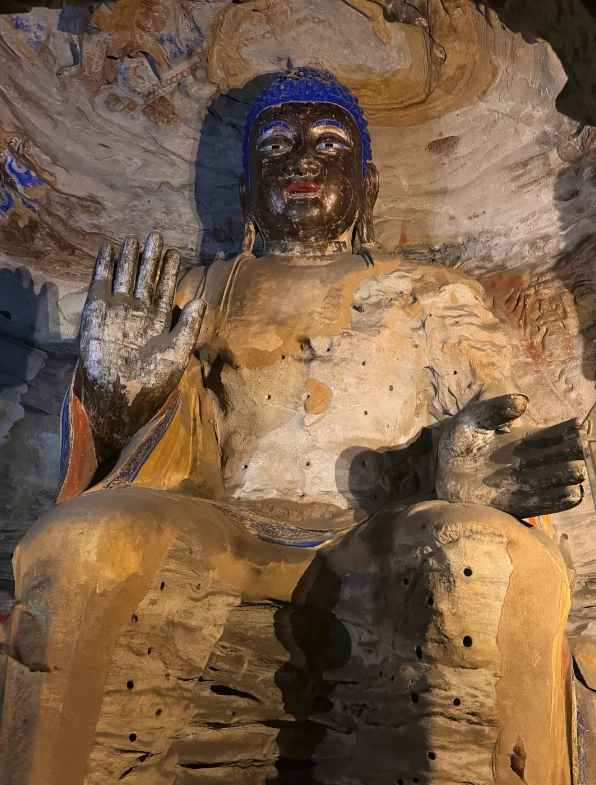
FAQs About Visiting Yungang Grottoes
Final Verdict: Is Yungang Grottoes Worth It?
If you’re in northern China and have any interest in art, history, or just standing in awe, absolutely yes. It’s one of the top 3 cave temple sites in China (along with Longmen and Mogao). The authentic, unpolished atmosphere beats many curated tourist spots. Just go prepared—know the ticketing quirks, arrive early, and manage your time. I’ve never had a guest regret it. In fact, most tell me it was the highlight of their trip to Shanxi.





No comments yet.