 Yan Zhou
- Why Season Matters More Than You Think
- Spring (March–May): The Sweet Spot
- Autumn (September–November): Runner-Up With a Twist
- Summer (June–August): Crowded and Sticky
- Winter (December–February): Quiet but Cold
- Time of Day: The Hidden Factor
- Ticket Prices & Practical Tips
- FAQ: Your Quick Questions Answered
I've been leading groups through Shanghai's Old City for over a decade. And every single time, someone asks: "When is the best season to visit Yu Garden?" The answer isn't as simple as "spring"—because what works for a solo traveler might be a nightmare for a family with kids. Let me break down the real experience behind each season, including the ugly truths most guides won't tell you.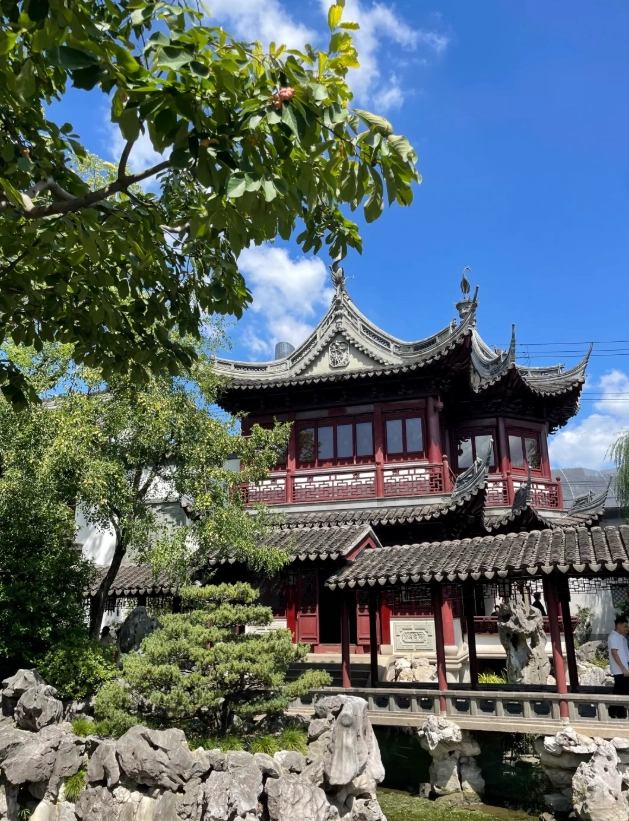
Why Season Matters More Than You Think
Yu Garden is a tiny, delicate maze of rockeries, pavilions, and ponds. During peak seasons, the pathways get so packed you can barely move. I've seen people abandon their visit halfway because the crowd stress outweighed the beauty. On the other hand, come during the right window, and you'll have quiet corners that feel like a private Ming dynasty escape.
Beyond crowds, weather plays a huge role. The garden is mostly outdoor—you'll be walking on stone paths, crossing bridges, and standing in courtyards. Rain, heat, or cold can ruin the experience fast. So let's cut to the chase.
Spring (March–May): The Sweet Spot
Best season to visit Yu Garden? For 90% of travelers, spring wins. The weather is comfortable (15–25°C / 59–77°F), the flowers are blooming, and the humidity is low. But here is the catch: April hosts the Shanghai Cherry Blossom season, which draws extra visitors. Yu Garden itself doesn't have cherry blossoms, but the surrounding Yuyuan Bazaar becomes insanely crowded on weekends.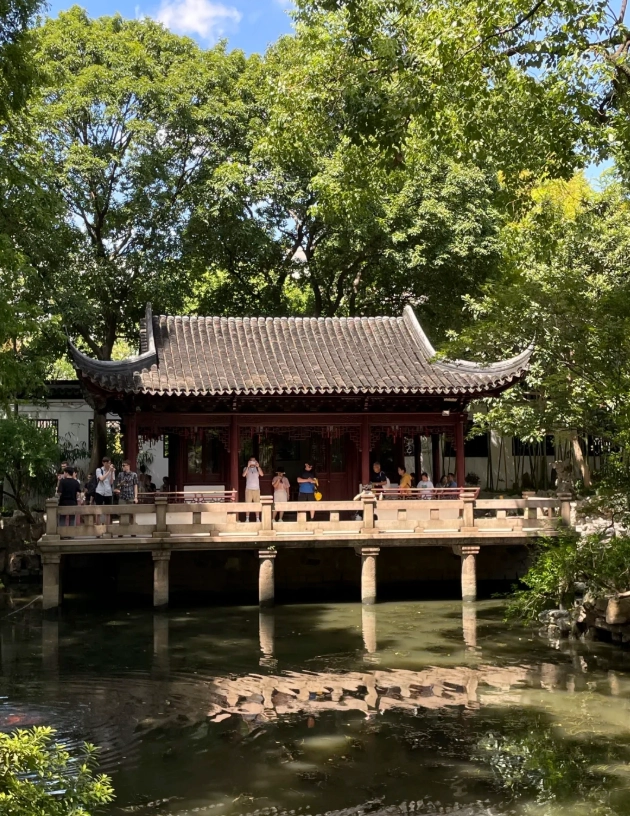
I once brought a group on a Tuesday in early April. We had the famous "Exquisite Jade Rock" courtyard all to ourselves for a solid 20 minutes. That's rare gold.
Autumn (September–November): Runner-Up With a Twist
Autumn offers similar mild temperatures (15–22°C / 59–72°F) and lower humidity. The garden's maple leaves turn red, making the scenery even more photogenic. October, especially the first week of October (China's National Day holiday), is absolutely jam-packed. Avoid that week at all costs.
Late November can be a bit chilly, but crowds thin out dramatically. I often recommend late October to mid-November for the best balance of pleasant weather and manageable visitors. The key difference from spring: autumn has fewer flowers but more dramatic foliage.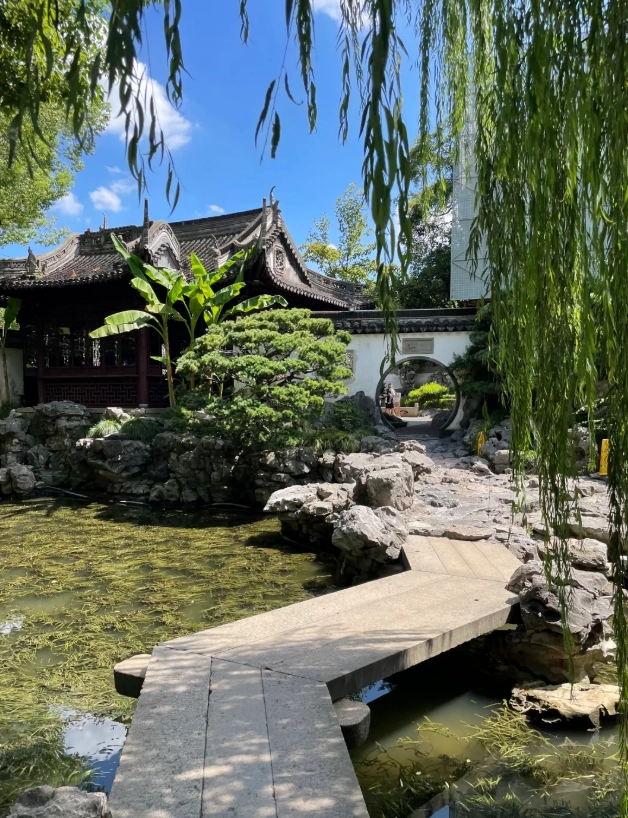
Summer (June–August): Crowded and Sticky
Let me be blunt: Summer is the worst season to visit Yu Garden for most tourists. Temperatures hit 35°C (95°F) with suffocating humidity. The garden's ponds and trees offer some shade, but the stone paths radiate heat. Moreover, summer is peak domestic travel season—the place is packed from morning until closing.
I once had a couple from Australia insist on visiting in July. After 30 minutes, they were drenched in sweat and barely looked at the pavilions. Not worth it.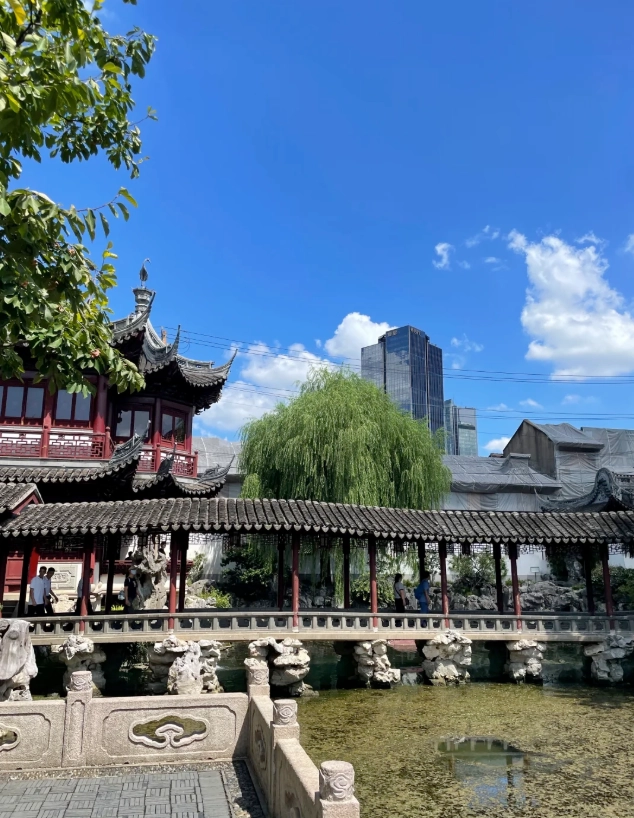
Winter (December–February): Quiet but Cold
Winter is the least crowded season. On a cold weekday, you might feel like the entire garden is yours. Temperatures range from 0–8°C (32–46°F), often damp. The garden lacks green foliage—it's mostly bare branches and grey stone. For photography, the soft winter light can be beautiful, but the atmosphere feels less vibrant.
The real downside: indoor halls (like the Sansui Hall) are unheated. You'll need a heavy coat and good shoes. I like winter for solo travelers who want contemplation, not for families. Also, Chinese New Year (late January or February) brings huge crowds to the bazaar for lantern displays, but the garden itself is usually calm that day (most locals stay outside).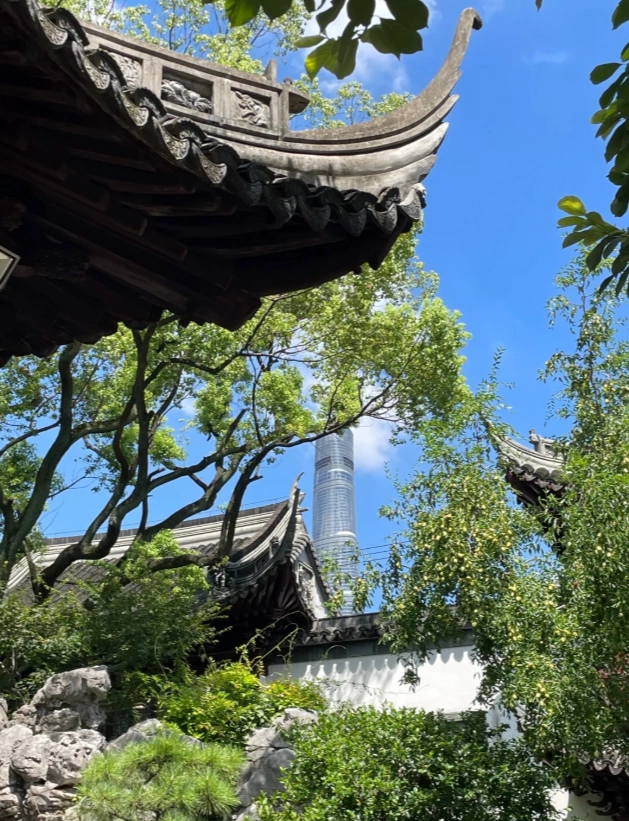
Time of Day: The Hidden Factor
No matter the season, the time of day can make or break your visit. The garden opens 8:45 AM and closes 4:30 PM (last entry 4:00 PM) in winter, and 5:00 PM in summer (last entry 4:30 PM). I always tell my groups: go for the first slot. Here's why:
- 8:45–10:00 AM: Lowest crowd density. The light is gentle for photos, and you can hear birds.
- 10:00 AM–2:00 PM: Peak crowds. Tour groups flood in. The inner corridors get single-file traffic.
- 2:00–4:00 PM: Crowds thin slightly, but the light becomes harsh (especially in summer). Good for a relaxed stroll.
One more thing: avoid 12:00–1:30 PM because many visitors stop for lunch, but the garden actually stays busy because of overlapping schedules.
Ticket Prices & Practical Tips
| Category | Price (CNY) | Notes |
|---|---|---|
| Adult (peak season Apr–Jun, Sep–Nov) | 40 | Same price year-round as of 2024 |
| Adult (off-peak Jul–Aug, Dec–Mar) | 30 | Actually off-peak pricing applies (confirm at gate) |
| Senior (60+ with ID) | 20 | Half price, but ID required |
| Child (height | Free | Must be accompanied by adult |
| Student (full-time) | 20 | With valid student ID |
Important: You must buy tickets via the official WeChat mini-program (search "Yu Garden Tickets" in WeChat). No on-site ticket booth? Actually there is a small counter, but it often has long lines. I always ask my hotel concierge to book for me. International credit cards? Not accepted at the mini-program. You need Alipay or WeChat Pay. For foreign visitors, I recommend asking a local friend or using a travel agency.
Address: 218 Anren Street, Huangpu District, Shanghai. Metro: Line 10, Yuyuan Garden Station, Exit 1. Walk 3 minutes east—you'll see the main entrance on your right. Bus: Routes 11, 26, 64, 926. Get off at Yuyuan Garden stop.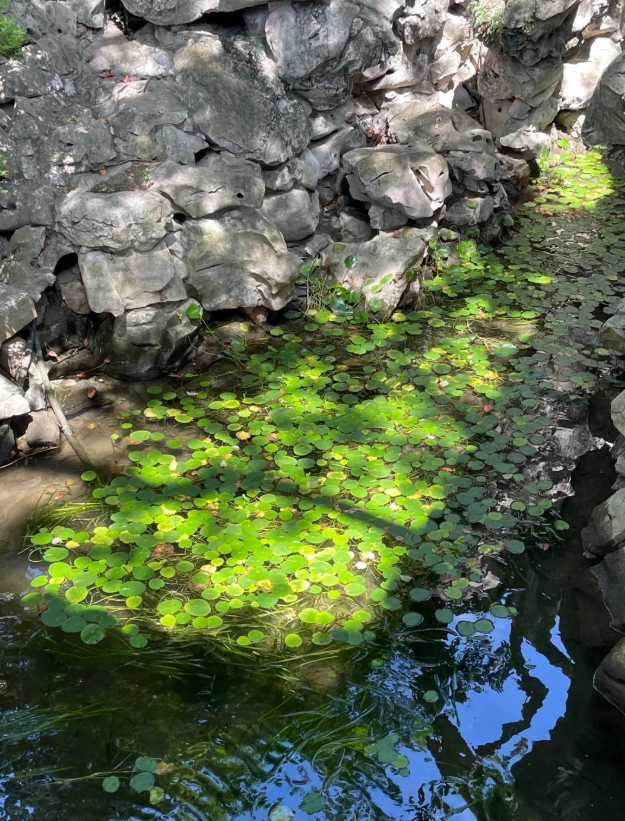
FAQ: Your Quick Questions Answered
After all these years, my final verdict: the best season to visit Yu Garden is late March to early April (spring) or late October to mid-November (autumn). Pick a weekday, arrive at opening time, and you'll have a memorable experience without the crowds. Avoid summer and Chinese public holidays unless you enjoy queuing.





No comments yet.