 Hong Ma
Standing on the flat plains of central Shaanxi, the Maoling Mausoleum doesn't shout for attention like the Terracotta Army. It's a quiet, imposing earth mound. But that quietness is deceptive. This is the tomb of Emperor Wu of Han, arguably one of the most consequential rulers in all of Chinese history. His 54-year reign expanded the empire to its zenith, opened the Silk Road, and cemented Confucianism as state ideology. Visiting Maoling isn't just about seeing an old tomb; it's about standing at the foot of a hill that represents an entire era's ambition and power.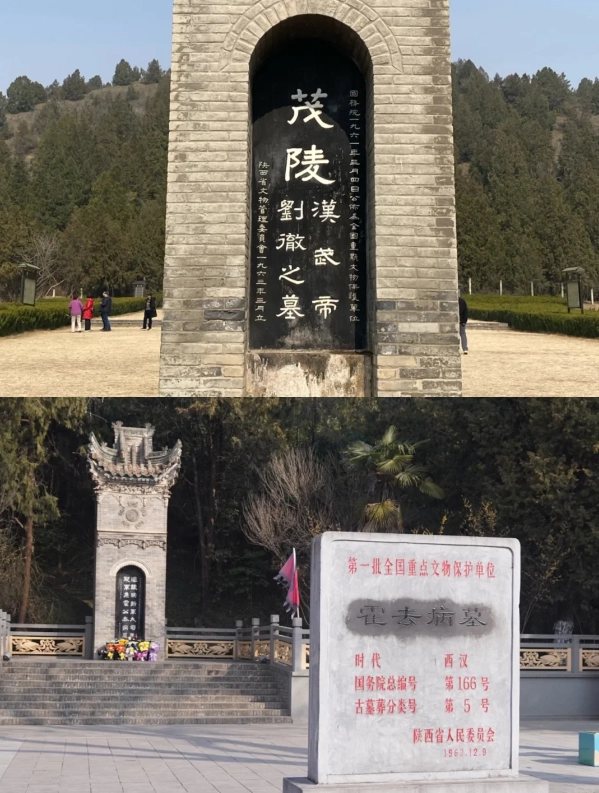
I've been to Maoling twice, once on a rushed tour and later for a full, slow exploration. The first time, I made all the classic mistakes—arrived late, missed the museum, and left feeling I'd only scratched the surface. This guide is built from what I learned the hard way, so you can connect with the site's history without the hassle.
What You'll Find in This Guide
Planning Your Visit: Tickets, Hours & Location
Let's start with the basics. Maoling is administratively in Xianyang, not Xi'an, though it's closer to Xi'an's airport. This is a key detail for navigation apps.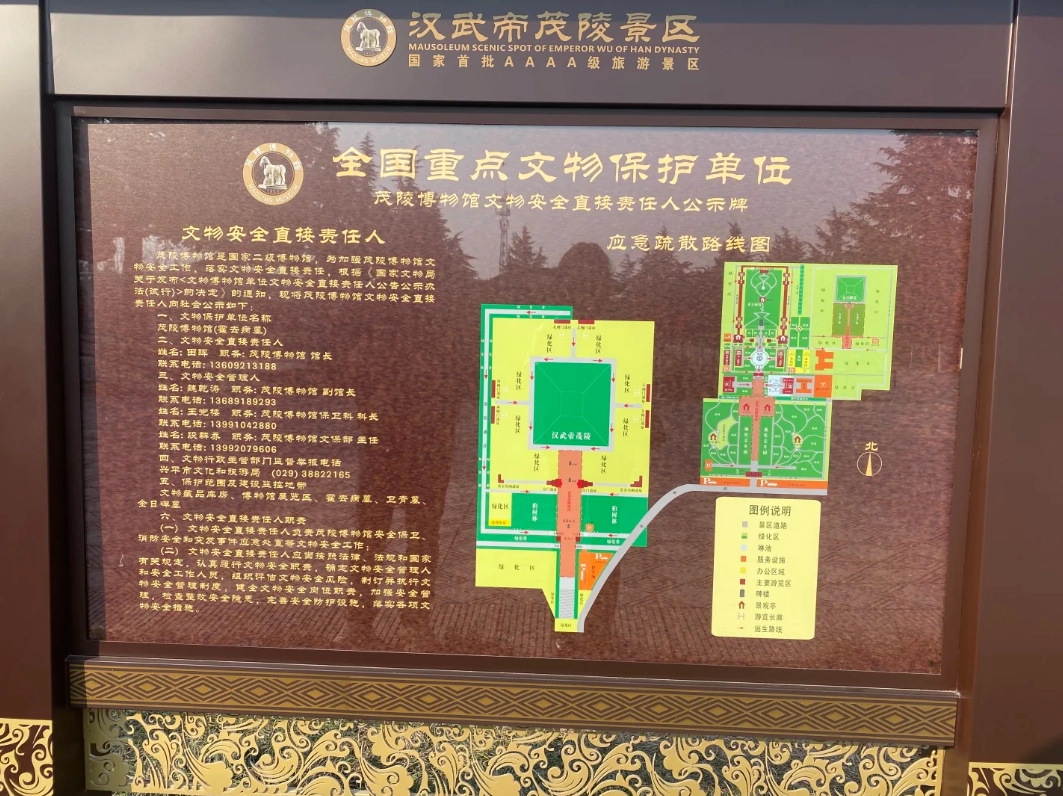
Address: Maoling Town, Xingping City, Xianyang, Shaanxi Province. If you're telling a taxi driver, “Maoling” is usually enough.
Opening Hours: 8:30 AM – 6:00 PM (March to November), 8:30 AM – 5:30 PM (December to February). Last entry is usually one hour before closing. The on-site museum follows the same schedule.
Recommended Visit Duration: A comfortable, thorough visit takes 2.5 to 3.5 hours. This allows time to walk around the mound, visit the museum, and see the surrounding satellite tombs without rushing. If you're pressed for time, you can see the main mound and museum in 90 minutes, but you'll be skipping a lot.
The ticket situation is straightforward.
| Ticket Type | Price (approx.) | Notes |
|---|---|---|
| Adult Ticket (Peak Season) | 80 RMB | Covers entry to the mausoleum park and the Maoling Museum. |
| Adult Ticket (Off-Peak) | 60 RMB | Usually applies from December to February. |
| Student / Child Ticket | 40 RMB | Valid student ID required. Children under 1.2m are often free. |
| Senior Citizen (70+) | Free | ID/passport required for verification. |
You can buy tickets at the gate. I didn't see online booking options specifically for Maoling when I was there, but it's always worth checking platforms like Ctrip or Meituan closer to your travel date. The queue is rarely long.
How to Get to Maoling Mausoleum from Xi'an
This is where most visitors get tripped up. There's no direct metro. You have three main options, each with a different balance of cost, time, and convenience.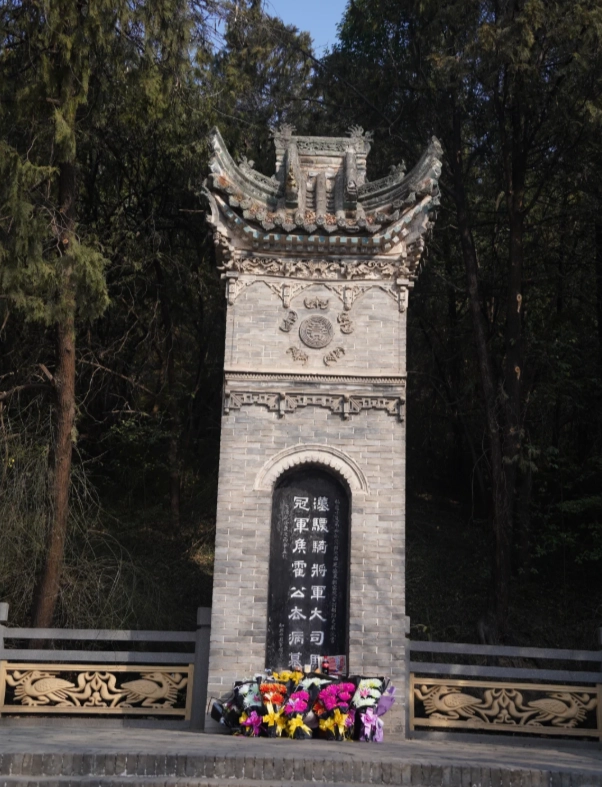
Option 1: Private Car or Taxi (Most Flexible)
This is what I did on my second, better visit. Booking a car for a half-day (4-5 hours) through a ride-hailing app like Didi or your hotel costs between 300-450 RMB round-trip from central Xi'an. The drive takes about 1 hour and 15 minutes each way, depending on traffic.
The big advantage? You go directly to the entrance. You control your time. You can easily combine it with the nearby Yang Mausoleum (Han Jingdi's tomb), which has an incredible underground museum with figurines. Most drivers are willing to wait for a combined trip for an added fee. If you're in a group of 3-4, this becomes very cost-effective.
Option 2: Public Bus (Most Economical)
This requires patience and a bit of Mandarin or a good translation app. Take the metro to Fengxi New City Station (Line 1) in western Xi'an. From the bus station nearby, look for a long-distance bus heading to Xingping (兴平). Tell the driver or conductor “Maoling” and they'll drop you off at the nearest point on the highway. From there, it's a 15-20 minute walk or a quick 5-10 RMB motorbike taxi ride to the actual gate.
The total journey can take 2 hours one-way. Buses are frequent but can be crowded. The cost is under 20 RMB each way. Only choose this if you're confident with local transport and have plenty of time.
Option 3: Organized Tour (Hands-Off)
Many Xi'an-based tour operators offer half-day or full-day trips that combine Maoling with other Han Dynasty tombs like the Yang Mausoleum. This solves the transport and guide problem in one go. The downside is a fixed schedule and potential stops at tourist shops. If you value historical context, a knowledgeable guide here makes a world of difference, as the site's significance isn't always visually obvious.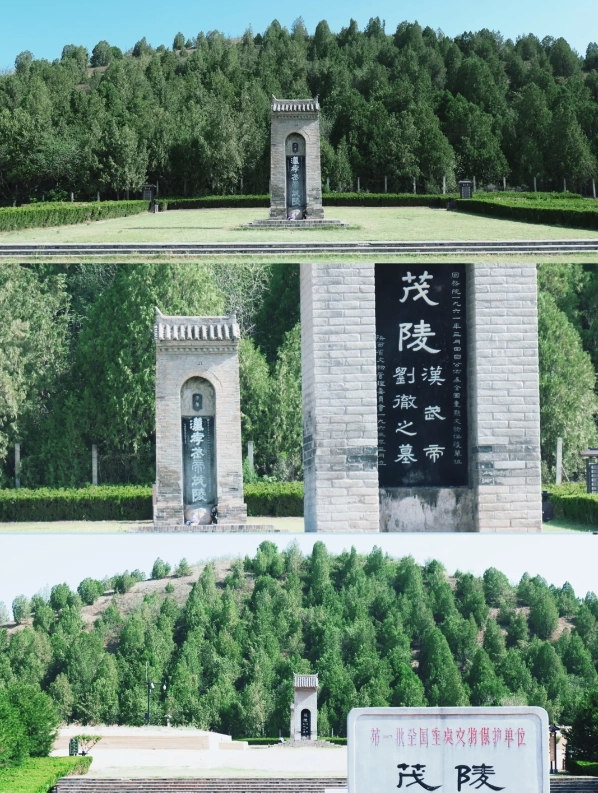
My Take: For a first-time visitor wanting a stress-free, deep experience, Option 1 (private car) paired with some pre-reading is the sweet spot. The freedom to wander at your own pace is worth the extra cost. Start early (aim to arrive by 10 AM) to avoid the midday sun on the exposed mound.
What to See and Explore at the Site
Maoling is a vast funerary complex. Don't just look at the big hill and leave. The site has distinct zones, and missing the museum is a major loss.
The Main Mound
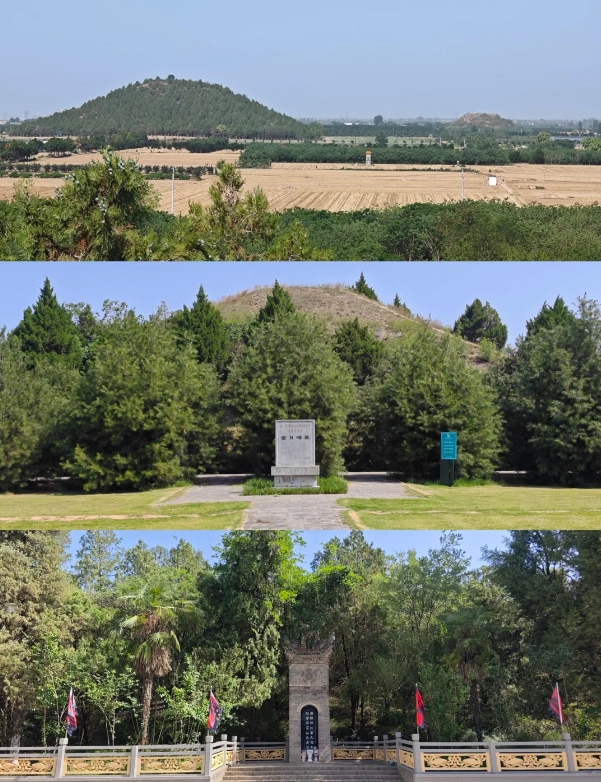
Emperor Wu's tomb is a truncated pyramid of packed earth, about 46.5 meters high today (originally taller). You can't climb it, but a paved path circles the base. Walking this full circle takes 30-40 minutes and gives you a real sense of its scale. Look for the stone tablet inscribed with “Han Wudi Maoling” at the south side—the traditional main entrance. The mound is covered in grasses and small trees. It feels ancient and natural, not a manicured park. There are no grand staircases or temples on top; its power is in its sheer, silent mass.
The Maoling Museum (The Essential Stop)
Located a few hundred meters southeast of the mound, this museum is where the story comes alive. It houses artifacts excavated from the satellite tombs of Emperor Wu's family and generals. The collection isn't huge, but it's exquisite.
- The Gilded Bronze Horse: This is the star. A stunningly detailed, life-sized horse statue discovered in a general's tomb. The craftsmanship is breathtaking and speaks to the wealth and connections of the Han elite.
- Stone Sculptures: Look for the crude but powerful stone statues of animals—a tiger, a ram—that once lined the spirit path. They have a primal, protective energy you don't get from later, more refined Ming/Qing statues.
- Pottery Figurines & Tiles: Hundreds of miniature pottery servants, animals, and dancers meant to serve the emperor in the afterlife. The museum does a good job explaining burial customs.
Spend at least 45 minutes here. The explanations are in Chinese and English.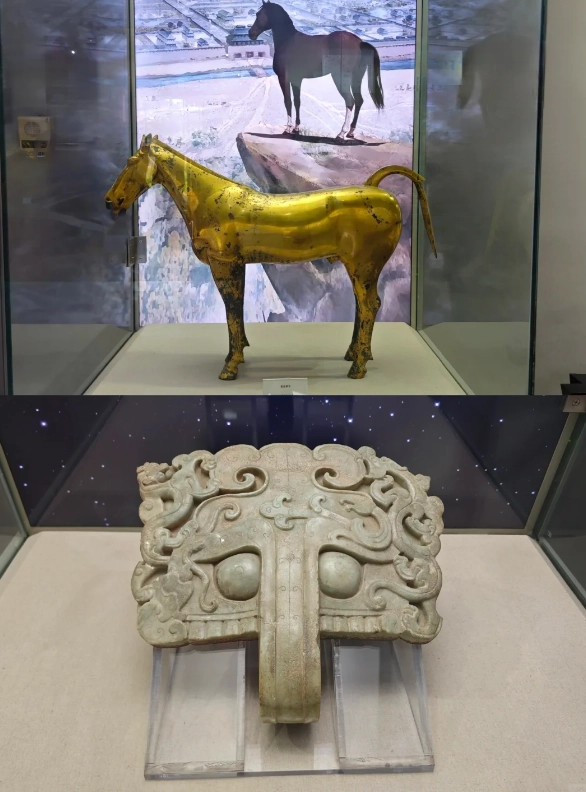
Satellite Tombs and the Park Grounds
Scattered around the main mound are about 20 smaller burial mounds for Empress Wei Zifu, General Huo Qubing (the military genius who defeated the Xiongnu), and other nobles. The most famous is Huo Qubing's tomb, to the east, which historically had magnificent stone sculptures (many originals are now in museums, including the “Horse Stepping on a Xiongnu Soldier” in Shaanxi History Museum). Some replicas or remnants might be on-site. The park is large, green, and peaceful—more like a historical landscape than a crowded tourist spot.
A common misconception is expecting a lavishly decorated underground palace you can enter, like the Ming Tombs near Beijing. That's not the case here. The imperial tomb itself is unexcavated and likely will remain so for generations. The experience is about context, scale, and atmosphere.
Common Questions Answered
 Are there food options or facilities at Maoling?
Standing before Maoling, you're not just looking at a pile of dirt. You're facing the physical legacy of the emperor whose decisions echo through Chinese history. It’s a place that asks for a bit of imagination and rewards it with a tangible connection to the past. With the right planning—getting there comfortably, allocating enough time, and focusing on the museum—your visit will move from a simple checkbox on an itinerary to a meaningful historical encounter.
This guide is based on personal visits and cross-referenced with official site information. For the latest details, you can consult resources from the Wikipedia page for Maoling or the Shaanxi Cultural Heritage Administration.






This place blew my mind! Not as crowded as the Terracotta Army, but equally impressive in its own way. The way the mound rises out of the flat farmland is dramatic. I walked all the way around the perimeter—about 3 kilometers—and the views of the countryside are serene. The museum has some beautiful jade pieces and a great explanation of Emperor Wu’s reign. If you like history without the tourist crush, Maoling is perfect. 10/10 would recommend.
A well-preserved site with a lot of hidden charm. I loved walking along the ancient pathways and seeing the statues of horses and warriors scattered around. The highlight for me was the bronze chariot replica in the museum—so detailed! The ticket price felt fair and the crowd was thin on a weekday morning. My only minor complaint: the restrooms could be cleaner. Still, four stars—definitely worth a half-day trip from Xi’an.
I really enjoyed the visit but honestly found it a bit underwhelming compared to the Qin Terracotta Warriors. The tomb itself is just a big hill—you can’t go inside—and the museum, while interesting, is quite small. It took me about an hour to see everything. The staff were friendly and entry fee was reasonable. If you’re a hardcore Han dynasty fan, it’s worth a stop. For casual tourists, maybe skip if you’re short on time.
Maoling is definitely one of the highlights of my trip to Xi’an. The main mound is huge and the surrounding landscape is very photogenic, especially in the late afternoon light. The on-site museum has a nice collection, though some labels are only in Chinese. I joined a small tour group and our guide gave us great context about Emperor Wu’s military campaigns. Only downside: very few shaded areas, so bring water and a hat. Overall, a fantastic experience for history lovers!
Absolutely stunning historical site! The sheer scale of Maoling is awe-inspiring, and the museum displays some incredible artifacts from the Han dynasty. I spent over three hours walking around the grounds and still felt like I missed half of it. The peaceful atmosphere gives you time to really imagine what life was like during Emperor Wu’s reign. Highly recommend hiring a guide if you can—they bring the stories to life. Best tomb complex I’ve visited in Shaanxi so far!
A fascinating piece of history, but be prepared for a lot of walking. The parking area is quite far from the actual tomb, and there's no shuttle — we walked about 20 minutes under the blazing sun. Once you get there, the scale is impressive. I loved the stone carvings of mythical beasts along the spirit path. The site is well kept, but the lack of shade is brutal in summer. Bring a hat and plenty of water. Worth seeing if you're in the area, but I'd rate it 4 stars mainly because of the heat and distance.
This place blew my mind. It was almost empty when I visited — just me, the wind, and the tomb of one of China's greatest emperors. The museum attached to the site has incredible artifacts including a jade suit and bronze chariot replicas. The staff member at the ticket booth spoke a little English and kindly pointed me to the best photo spots. It feels raw and authentic, not overly commercialized. If you love history and solitude, you'll adore it. 11/10 would recommend.
Honestly, I was a bit underwhelmed. Maybe I built it up too much in my head, but all you really see is a big grassy mound with a few modern statues in front. The exhibition hall is small and not very well maintained — some displays were dusty and the lighting was poor. Getting there without a car is a hassle too: two bus transfers and then a long walk along a dusty road. For the effort, I expected more. Not terrible, but I wouldn't go out of my way again.
Very impressive archaeological site, no doubt. The sheer scale of the mausoleum complex is jaw-dropping. However, I wish there were more English explanations on the signage — most info boards are only in Chinese. I ended up using a downloaded audio guide, which helped. The surrounding countryside is beautiful and peaceful. Not crowded at all on a weekday afternoon. Overall a solid 4-star experience, just come prepared with your own research.
Absolutely incredible site! Standing at the foot of Emperor Wu's tomb, you can literally feel the weight of 2,000 years of history. The mound is massive — way bigger than I expected from photos. The hike up the grassy slope is a bit steep but totally worth it for the panoramic views of the surrounding plains. There's a small museum on-site with some original pottery and bronze artifacts. If you're a history buff, this is a must-do. Bring water and wear good shoes!