 Jian Zhao
Quick Navigation
I've been guiding groups through Xining for seven years. Every season, someone shows up in flip-flops or a thin cotton shirt—and regrets it by dinner. The key to packing for Xining is embracing contrast: dry air, strong UV, cool evenings, and sudden rain. Here is what I tell every traveler before they step off the plane.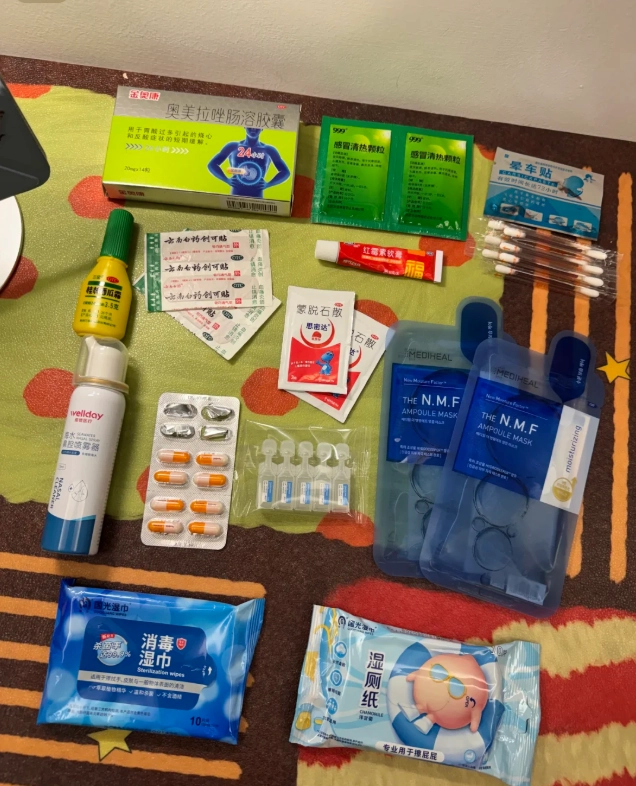
Clothing: The Layer Game
Xining sits at 2,200 meters (7,200 ft). The temperature can swing 15°C (27°F) between noon and night. I always say: dress like an onion, not a cabbage.
Base Layer (Moisture-Wicking)
Cotton is your enemy here. It gets damp with sweat and then chills you when the wind picks up. Pack two merino wool or synthetic tops (long-sleeve). I personally carry a Uniqlo Heattech lightweight tee—works for both summer and autumn.
Mid Layer (Insulation)
A fleece jacket or a thin down vest. In July, you might only need it in the evening, but from September onward it's essential. Pro tip: choose a zip-up so you can ventilate mid-hike.
Outer Layer (Wind & Rain Protection)
A waterproof shell jacket with a hood—Xining's rain is sudden and often accompanied by gusty winds. I've seen cheap ponchos rip in minutes. Invest in a proper Gore-Tex or comparable jacket. Don't forget a pair of lightweight rain pants if you plan to walk around Qinghai Lake.
Footwear: Don't Blister
Most streets in Xining city are paved, but the Qinghai Lake area involves gravel, dirt, and some marshy sections. Here is my honest take:
- Hiking shoes: Low-cut waterproof shoes are fine for city + easy trails. You don't need heavy boots unless you're doing multi-day treks.
- Sandals or slip-ons: Only for hotel/lounge. I've seen tourists try to wear them to the Kumbum Monastery—the steps are uneven and you'll regret it.
- Extra socks: At least three pairs of wool or synthetic blend. Thick cotton socks get wet and cause blisters.
My personal rule: Never wear new shoes on a trip. Break them in for a week at home.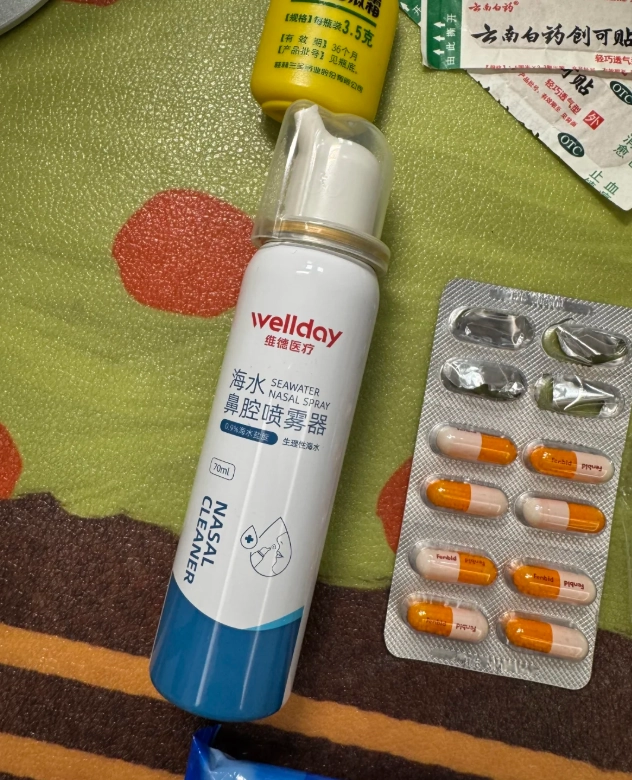
Sun & UV Protection
The UV index in Xining is fierce—often 8-10 even on cloudy days. I learned this the hard way after a sunburned nose day one. Pack these non-negotiable items:
- Sunscreen SPF50+, water-resistant. Reapply every 2 hours.
- Lip balm with SPF—chapped lips are a common complaint.
- UV-blocking sunglasses (polarized if possible).
- A wide-brim hat or a cap with a neck flap. Baseball caps alone leave your ears and neck exposed.
- Lightweight scarf or buff for neck protection and to cover face in dusty conditions.
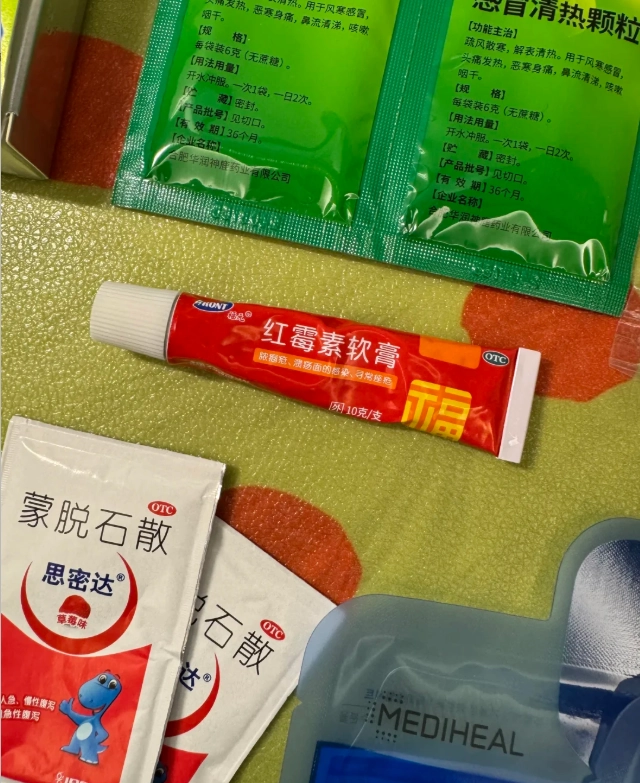
Health & High Altitude Gear
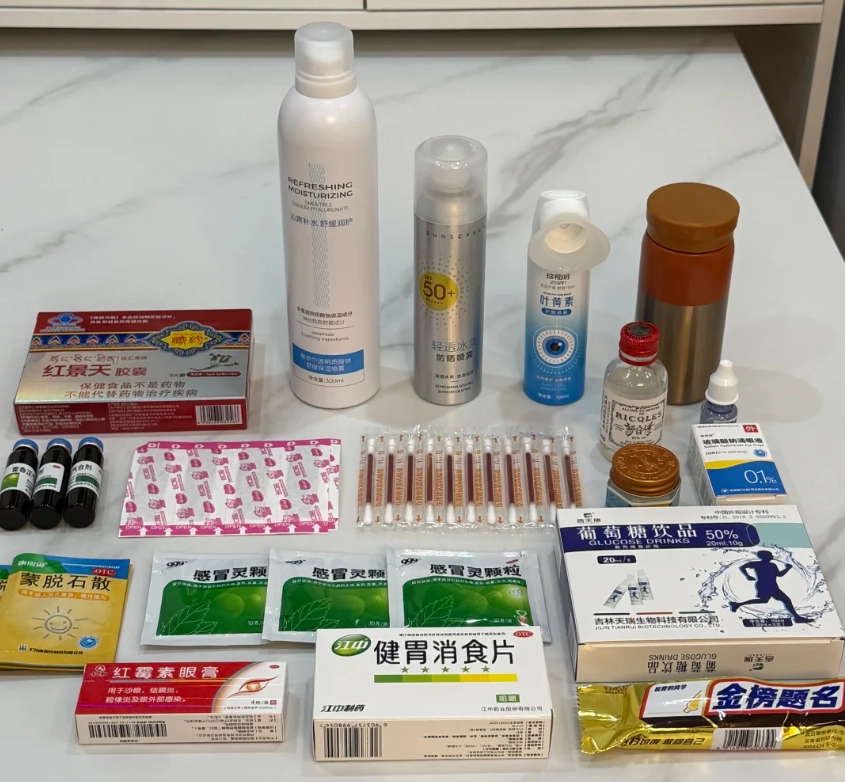
Altitude sickness can hit even fit travelers. Symptoms: headache, nausea, dizziness. Here's what I bring for my groups:
Medication & Supplements
- Diamox (Acetazolamide)—only with a doctor's prescription. I take half a pill the night before arrival and continue for 2 days.
- Ibuprofen or paracetamol for headaches.
- Electrolyte powder or tablets—dehydration worsens altitude effects.
- Antidiarrheal and stomach meds (local food can be heavy on oil and spice).
Hydration & Snacks
Bring a 1-liter reusable water bottle (insulated if possible). Tap water isn't safe; buy bottled water or use a hotel kettle. Carry energy bars or nuts—you'll burn more calories at altitude.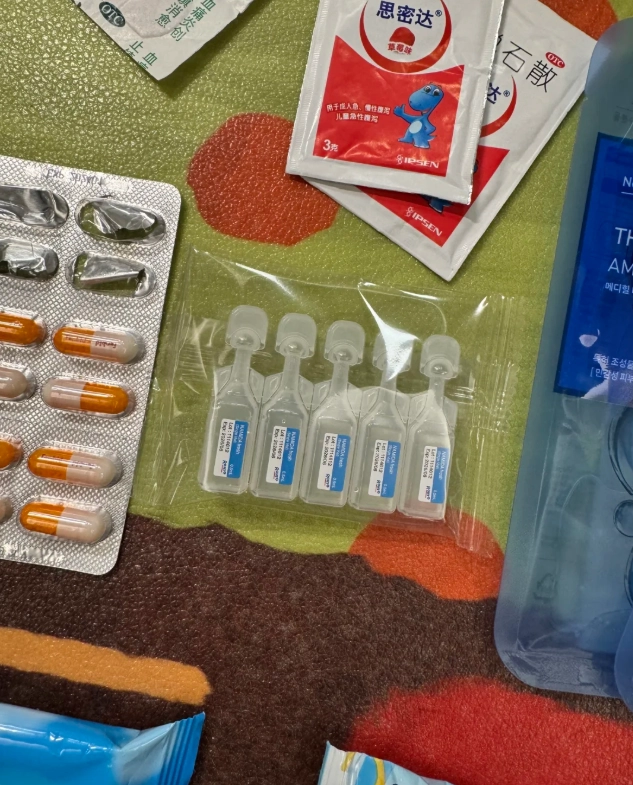
One thing I always tell clients: avoid alcohol for the first 48 hours. It messes with your acclimatization.
Documents & Money
Xining is not like Beijing or Shanghai. Many small shops and even some ticket offices do not accept international credit cards. Alipay and WeChat Pay are ubiquitous, but you'll need cash (RMB) as a backup—especially for street food, taxi tips (though not required), and entry to minor sites.
- Passport (with a few color copies).
- Visa—must have a valid Chinese visa if required.
- Travel insurance documents—print them.
- Hotel booking confirmations (some border checkpoints may ask).
- Cash: at least 500 RMB in small bills (10s and 20s).
- International debit/credit card—works at Bank of China ATMs. Avoid unionpay-only ATMs.
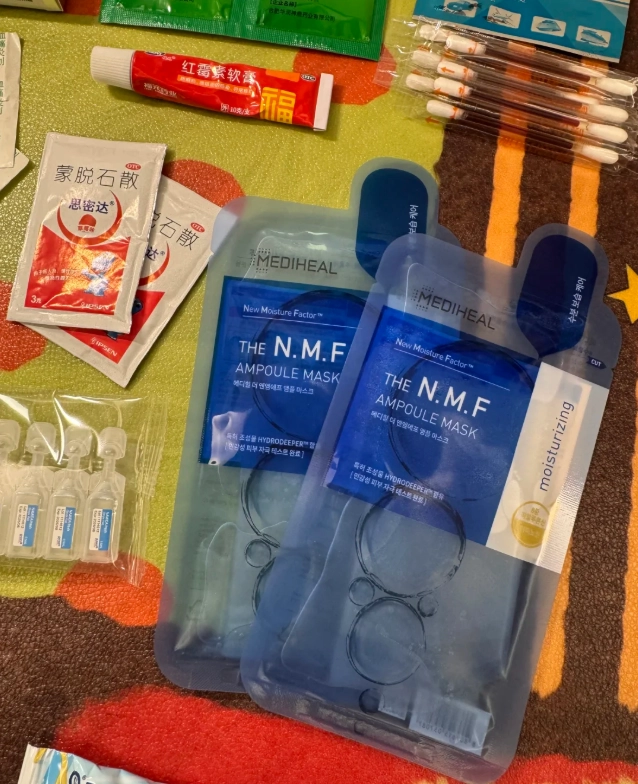
Electronics & Connectivity
Power sockets are the same as mainland China: Type A (two flat pins) and Type I (three flat pins). Voltage 220V. Bring a universal adapter with surge protection.
- Portable power bank (10,000mAh+). Long bus rides to Qinghai Lake drain phones.
- VPN—install before you leave. Google, Facebook, WhatsApp are blocked. A reliable VPN is a must.
- Offline maps (download Amap or Baidu Maps before arrival—these work without VPN).
- Camera with extra SD card. The scenery is breathtaking.
- Headlamp or small flashlight—some temple areas have poor lighting.
FAQ
Verified and fact-checked by the editorial team.





Absolutely brilliant! I'm a first-time traveler to high altitude and this article gave me so much confidence. I packed exactly what was recommended—sun hat, moisturizer, electrolyte tablets, and a pair of water-resistant shoes—and I felt prepared for everything from the scorching midday sun to the chilly evening rain. The mistake about not bringing a power bank because 'you'll be in nature' is so true; many scenic spots have zero outlets. Saved me from being stuck with a dead phone. Five stars, no hesitation.
I followed this guide religiously and still ended up freezing my butt off. The article says 'a light down jacket' for summer, but honestly, even a medium-weight parka wasn't enough for the nights on Qinghai Lake. Also, the tip about packing cotton socks? Bad advice if you're doing any hiking—cotton kills, you want merino wool. The rest was okay, but I feel like the author assumed everyone is just sightseeing in the city. Disappointing, especially for the price of some of those suggestions.
A must-read before any trip to the plateau. I'm a seasoned hiker and even I missed a couple things. The tip about high-SPF sunscreen and lip balm with zinc oxide was crucial—I never thought the sun could burn so fiercely at altitude. And the suggestion to bring a neck gaiter instead of a scarf? Perfect for blocking wind and dust without getting tangled. Only reason I'm not giving 5 stars is that I wish the article had included a sample packing list with quantities. Other than that, solid info.
Pretty good list overall, but I felt like the article overemphasized altitude sickness gear. Yes, the elevation is no joke, but you don't need to pack three different types of medication unless you're really prone to it. A simple pack of acetazolamide from your doc and some ibuprofen got me through just fine. The clothing advice was solid though—especially the windproof jacket recommendation. That Qinghai Lake wind is brutal. I'd give it a 4, mostly because the packing list felt a bit paranoid for a normal traveler like me.
Honestly, this article saved me from a total wardrobe disaster. I was about to pack only summer clothes because I checked a generic weather app—thank goodness I read this first. The tip about layering for sudden temperature drops in the afternoon was spot on. I wore a base layer, a fleece, and a windbreaker almost every day and never felt underdressed. Also, the reminder to bring a reusable water bottle with a filter? Genius. The tap water in Xining really does taste weird. Highly recommend to anyone heading there.