 Fang Wang
What You'll Find Here
Three hours. That’s how long a family from Australia stood in the wrong queue at the Sun Yat-sen Mausoleum last August. Why? Because they followed an old blog that said “buy tickets at the gate.” Forget that. Most tickets in Nanjing now require a WeChat mini-program that only shows in Chinese. And the number of days you need? One is a joke, two leaves you panting, three is the sweet spot for a relaxed yet complete visit. Here’s exactly how to nail it.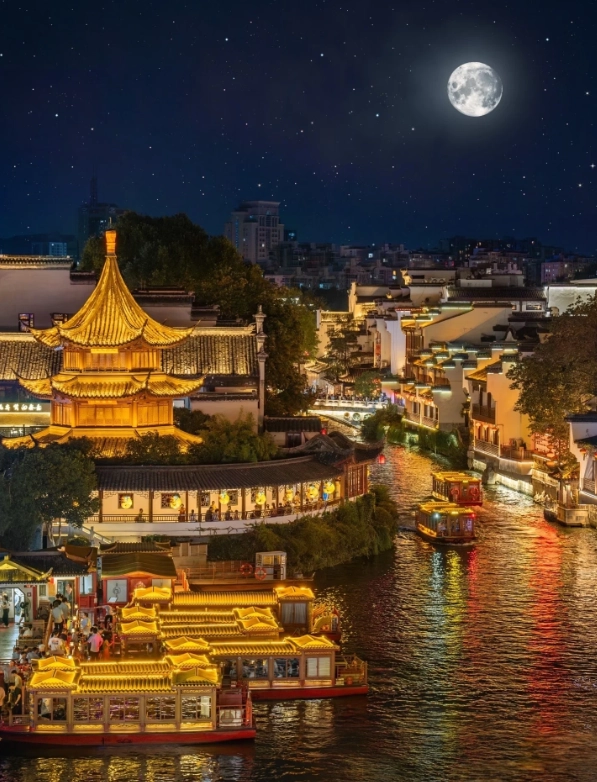
The Short Answer: 3 Days Is Perfect
I’ve guided dozens of trips in Nanjing, and I always tell my groups: plan for three full days. Day one covers the iconic Purple Mountain area. Day two dives into the Ming Dynasty wonders. Day three mixes city history and modern life. If you only have 48 hours, cut the Confucius Temple night market and Qinhuai River cruise—they’re nice but not essential.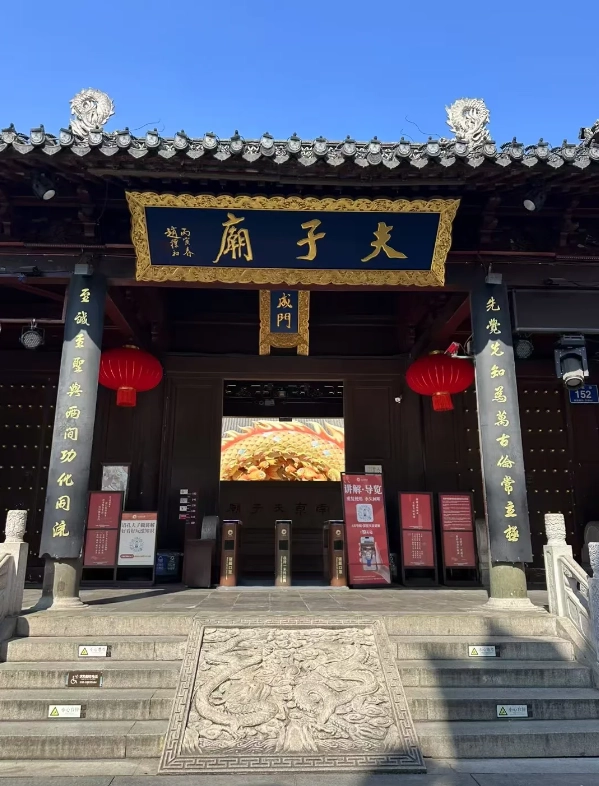
A Proven 3-Day Itinerary (With Backup Plans)
Day 1: Purple Mountain & the Grand Mausoleum
Morning: Start at Sun Yat-sen Mausoleum (中山陵). Address: 7 Shixiang Road, Xuanwu District. Open 8:30–17:00 (last entry 16:30). Free entry but need to reserve via the official WeChat mini-program “中山陵景区”. The English interface exists but is buried—ask your hotel to help. Walk up the 392 steps; it’s worth it for the view of the whole city. Stick to the left side for shade.
Lunch break: Grab a quick bowl of Nanjing salted duck noodle soup at a shop called “魏家老鸭粉丝汤” near the east gate. It’s about 25 RMB, cash or WeChat only.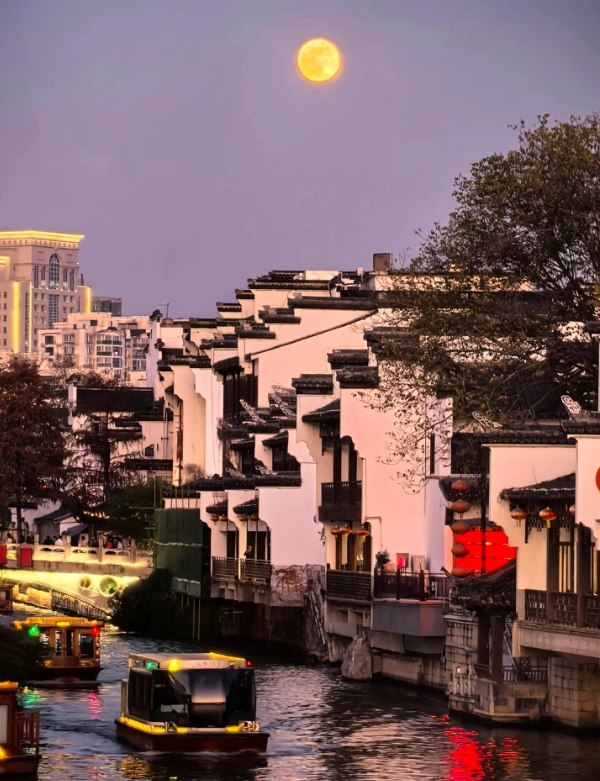
Afternoon: Hit Ming Xiaoling Mausoleum (明孝陵). Address: on the same mountain, entrance near Sun Yat-sen. Ticket: 70 RMB (adult), 35 RMB (student). You can buy at the gate with a passport, but the digital queue is shorter via the “钟山风景区” mini-program. The Sacred Way (神道) with stone animals is the highlight—go around 15:30 for golden light. The entire walk takes 2–3 hours. Here is the catch: there is almost no shelter from the sun between the animals. Bring water, or you'll pay 10 RMB for a small bottle at the only kiosk halfway.
Evening Plan B (rainy): Skip the mausoleum and spend 2 hours in the nearby Nanjing Botanic Garden (中山植物园). South gate entrance is 15 RMB, the tropical greenhouse is warm and dry. Perfect for a downpour.
Day 2: Ming City Wall, Presidential Palace & Night River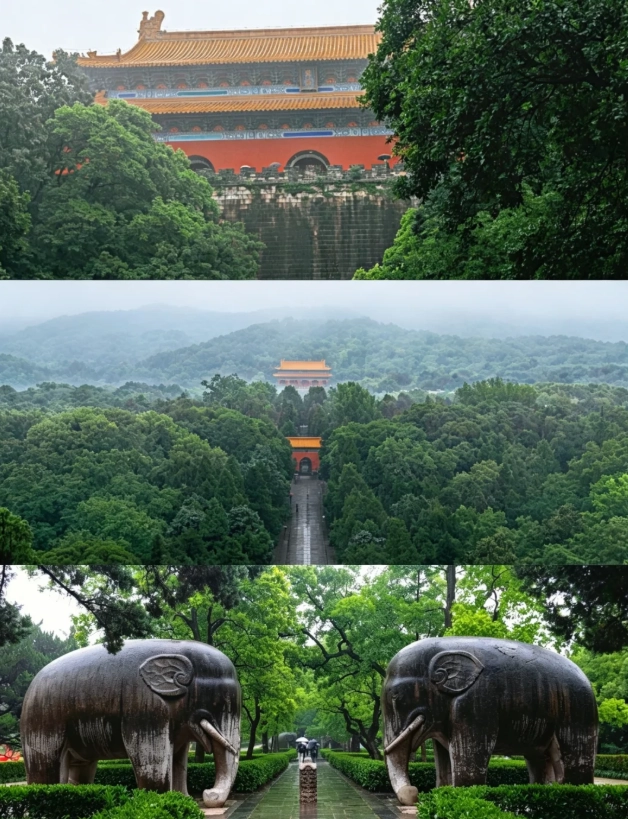
Morning: Walk the Ming City Wall from the Zhonghua Gate (中华门). Entrance at 32 Beidajie, Qinhuai District. Ticket: 50 RMB. The best segment is the 2 km section from Zhonghua Gate to Wuding Gate—easy 40-minute stroll with great photo ops of the old town. Do it before 10 AM to avoid tour groups.
Lunch: Head to 四川酒家 (Sichuan Restaurant) near Xinjiekou. Not fancy but authentic. Their mapo tofu (18 RMB) and boiled fish (68 RMB) are killer. Cash only—no cards.
Afternoon: The Presidential Palace (总统府). Address: 292 Changjiang Road. Open 8:30–17:00. Ticket: 40 RMB. I always book online via Trip.com to skip the line. It’s huge—you need at least 2 hours. The garden is surprisingly quiet if you cut through the back buildings.
Evening: Confucius Temple (夫子庙) area. It’s touristy, I won’t lie. But the Qinhuai River night cruise (80 RMB, 40 minutes) is genuinely magical when the lanterns light up. Skip the overpriced snacks on the main street—walk two blocks into a side alley for real locals’ stalls.
Day 3: Xuanwu Lake, Nanjing Museum & Art District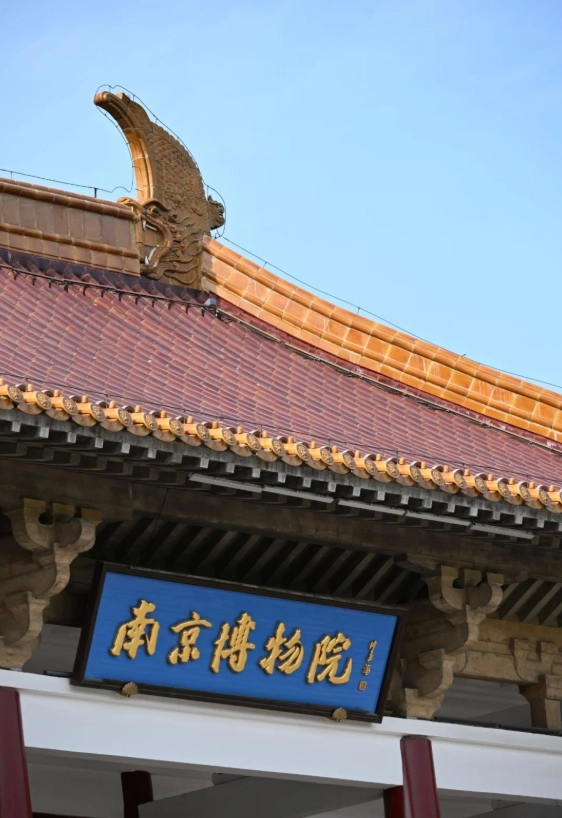
Morning: Xuanwu Lake Park (玄武湖). Free entry. Rent a pedal boat (60 RMB/hour) near the south gate. It opens at 6 AM, and I love going at 7:30 when the locals do tai chi. The cherry blossom avenue in late March is packed, but the east side is less crowded.
Late morning: Nanjing Museum (南京博物院). Address: 321 Zhongshan East Road. Free but reserve online via the official platform “南京博物院”. The “Digital Exhibition” hall is a must—it’s a 360-degree projection of ancient life. Spend 1.5 hours here max.
Lunch alternative: If the museum queue is too long (it happens), abandon it and go to 1912 Block near the Presidential Palace. A bunch of trendy cafés with good Western-friendly food.
Afternoon: Beijing West Road Art District. More of a hidden gem—a few independent galleries and ceramic studios. The Jinling Art Museum (金陵美术馆) at 12 Changjiang Road has free exhibitions. Perfect for a slow afternoon.
Where to Stay in Nanjing (For Different Budgets)
| Hotel Name | Price Range (per night) | Best For | Key Feature |
|---|---|---|---|
| Jinling Hotel (金陵饭店) | 600–1,000 RMB | First-time visitors | Next to Xinjiekou metro; English speaking staff; elevator |
| Zhi Hotel (质馆) | 300–500 RMB | Couples / design lovers | Quiet lane near Confucius Temple; luggage storage |
| Hello Nanjing Hostel | 80–150 RMB | Solo backpackers | Next to Hanzhongmen metro; free walking tours |
Avoid staying near Nanjing South Railway Station unless you have a very early train—it’s far from all attractions and taxis cost 40+ RMB to the center.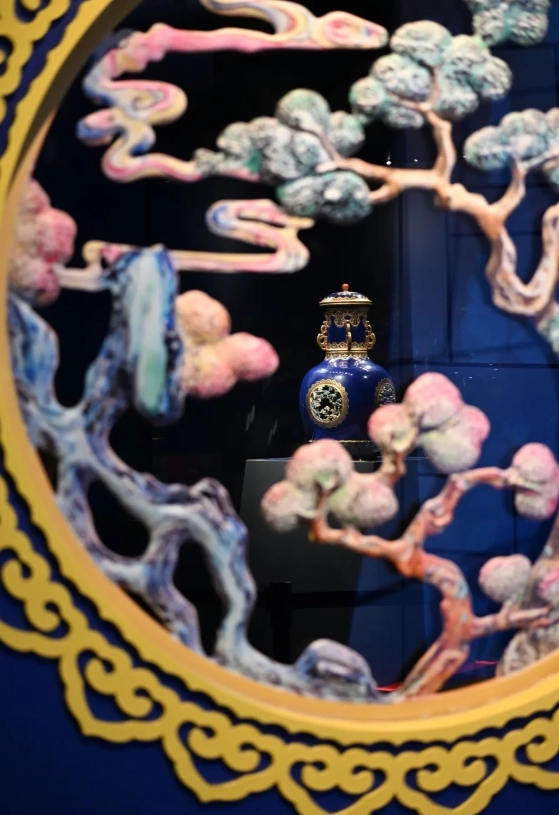
Must-Eat Local Foods (With Addresses)
- Salted duck (盐水鸭): Han Fu Yuan (韩复兴) at 100 Zhongshan North Road. 50 RMB for a quarter duck. Slightly salty, tender. I always ask for the breast part.
- Soup dumplings (汤包): Yin Du (尹氏汤包) at 29 Shizi Bridge. 12 RMB for 8. Juicy, but watch out—the soup is scalding hot inside. Peak lunch wait is 20 minutes.
- Pancake roll (鸭血粉丝汤): Yixianxiang (一鲜香) near the Drum Tower. 18 RMB. The duck blood curd is an acquired taste, but the vermicelli is excellent. They accept WeChat only.
Most of these places have no English menu, so point at pictures on your phone. Don’t worry, they’re used to it.
Money & Ticket Tips (Save Time & Avoid Scams)
Cash is still king at small eateries and street stalls. Bring 500–1,000 RMB in small bills. Most hotels and major attractions accept Visa at the counter, but many online booking platforms do not. Use Trip.com for tickets (they accept international cards).
Beware of fake ticket touts near Sun Yat-sen Mausoleum. They’ll offer “skip-the-line” for 100 RMB—the line is already free and they just take your money. Only buy from the official window or the mini-program.
Transport: Metro lines 1, 2, and 3 cover all major spots. Buy a rechargeable Nanjing Tong card at any metro station (20 RMB deposit, refundable). Taxis from the airport to city center cost about 150 RMB fixed (with the meter). Didi works well but the app is Chinese-only—ask a local to help flag one.
FAQ
This content has been fact-checked to ensure informational precision.





Honestly one of the best travel blog posts I've come across for Nanjing. The author clearly knows the city—things like which entrance to use at the Presidential Palace and the best time to visit the Nanjing Museum made a real difference. I also loved the little cultural notes sprinkled in. Bookmarked this for future trips and already shared it with two friends. Five stars!
A well-structued guide that hit all the right notes for me. The only thing keeping it from a perfect score is that the section on transportation could be a bit more detailed—especially how to navigate the metro to the Purple Mountain attractions. Otherwise, the historical context added nice depth, and the 3-day flow worked perfectly for my family. Would use again.
I’ve been living in Shanghai for a while and wanted a weekend escape. This article gave me exactly what I needed: clear day-by-day suggestions, realistic time estimates, and even advice on avoiding crowds at the Sun Yat-sen Mausoleum. The writing is straightforward and not overly promotional. Used it as my main reference and had a fantastic trip. Highly recommend!
Solid 3-day plan overall, but I wish there were more food recommendations. The article mentions a few local dishes but doesn't point to specific restaurants or street stalls, which is a bit of a letdown for a foodie like me. The itinerary itself is logical and well-paced, but the pro tips felt a bit generic. Still a decent read if you just need a basic structure.
I used this itinerary last month for a quick solo trip and it was super helpful! The pacing felt just right—not too rushed, but I still hit all the major spots like the Ming Xiaoling Mausoleum and Confucius Temple. The pro tip about buying a Nanjing City Pass saved me a good chunk of change. Definitely recommend this guide for first-timers.