 Tao Xu
So you've got three days in Shenzhen. Good choice. Most tourists fly straight to Beijing or Shanghai, but they're missing out. Shenzhen is where you feel China's pulse—fast, innovative, and relentlessly modern. I've been guiding groups here for over a decade, and I can tell you, three days is perfect to scratch beyond the skyscrapers. This isn't a list of every monument; it's a battle-tested plan that mixes iconic sights with places where the city actually lives. Let's get you moving.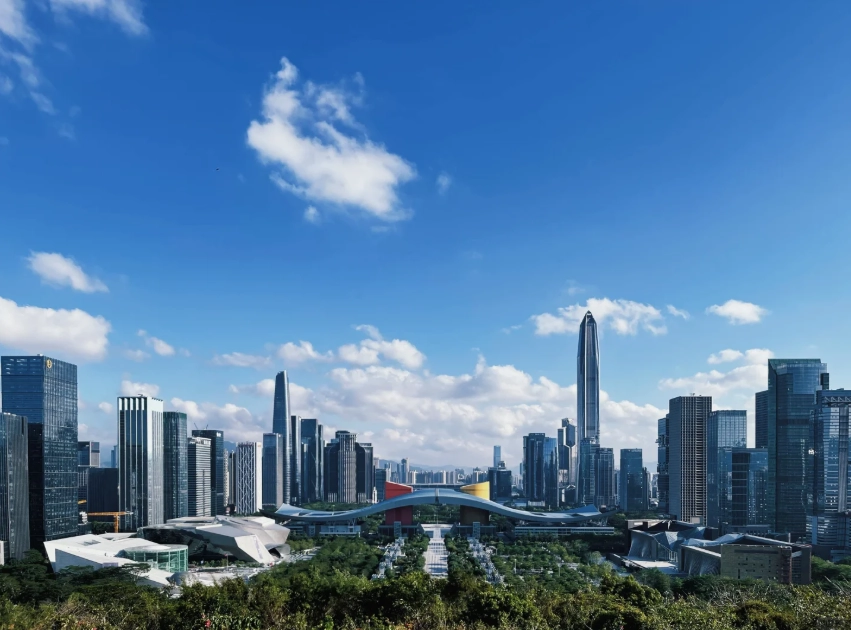
Your 3-Day Shenzhen Game Plan
Day 1: Modern Icons & Electronics
We start with the postcard views and dive into the city's famous tech heart. Wear comfy shoes.
Morning: Lianhuashan Park & Civic Center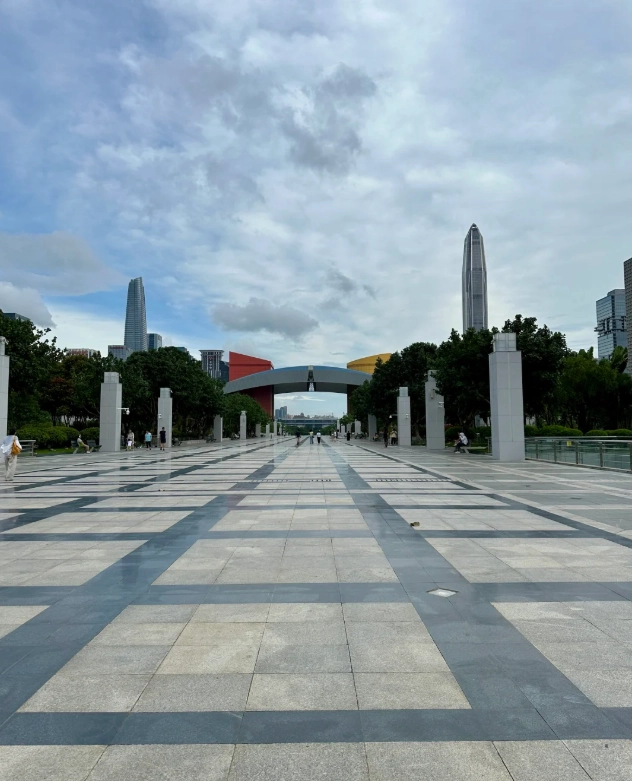
Head to Lianhuashan Park (Lotus Hill Park). It's free, opens at 6:00 AM, and gives you the classic skyline photo with Deng Xiaoping's statue. Take Metro Line 3 or 4 to Shaoniangong Station, Exit F1. From there, it's a 5-minute walk to the south gate. The climb to the summit plaza takes 20-30 minutes at a steady pace. Go early. By 10 AM, tour groups arrive. The light is best for photos before 9 AM or after 4 PM.
Walk down the north side towards the Civic Center. The building's giant roof is impressive, but the real move is to walk underneath it. The scale is dizzying. The plaza here is dead on weekdays but packed with families flying kites on weekends.
Afternoon: Huaqiangbei Electronics Market
From Civic Center, take Metro Line 2 for two stops to Huaqiang Road Station. Welcome to the world's most intense electronics bazaar. Huaqiangbei isn't one mall; it's a district of dozens. For first-timers, I recommend SEG Plaza or Huaqiangbei SEG Electronics Market. You'll see everything from phone parts to drones.
Here's the local know-how: The ground floors are for finished goods. The real deals (and chaos) are on the higher floors with components. Don't expect polite haggling. Know what you want, check prices on your phone, and offer 60% of the first quote. Most vendors only accept Alipay, WeChat Pay, or cash. Very few take cards.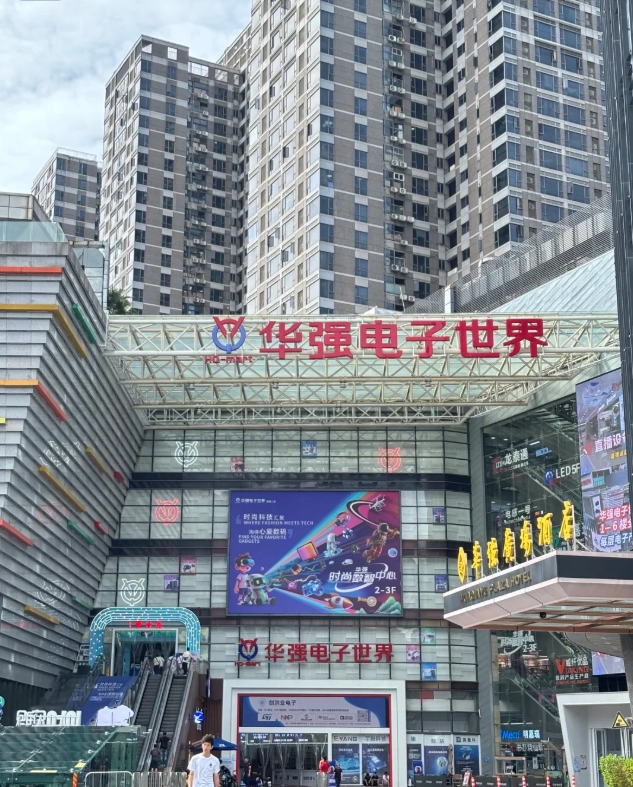
Evening: Futian CBD & Shenzhen Bay
For dinner, head to COCO Park in Futian (Metro Line 1, Shopping Park Station). This open-air mall has endless options. For reliable Cantonese food, try Jade Garden (average spend ¥150-200 per person). They have an English picture menu. Tell them you want the roast goose—it's crispy, not too fatty.
After eating, take a taxi (about ¥25) or the metro to Shenzhen Bay Park. This 13km coastal park is where locals jog, bike, and relax. Rent a shared bike (use the Meituan or Hello apps) and cycle towards the Shenzhen Bay Bridge. The city lights reflecting on the water around 7:30 PM are magic.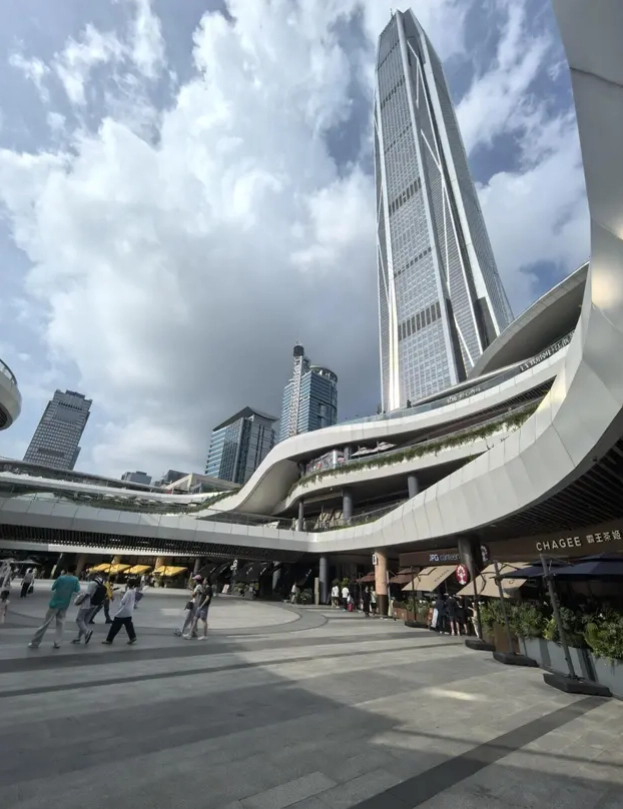
Day 2: Art, History & The Waterfront
Today we look at Shenzhen's creative and historical layers, ending by the sea.
Morning: Dafen Oil Painting Village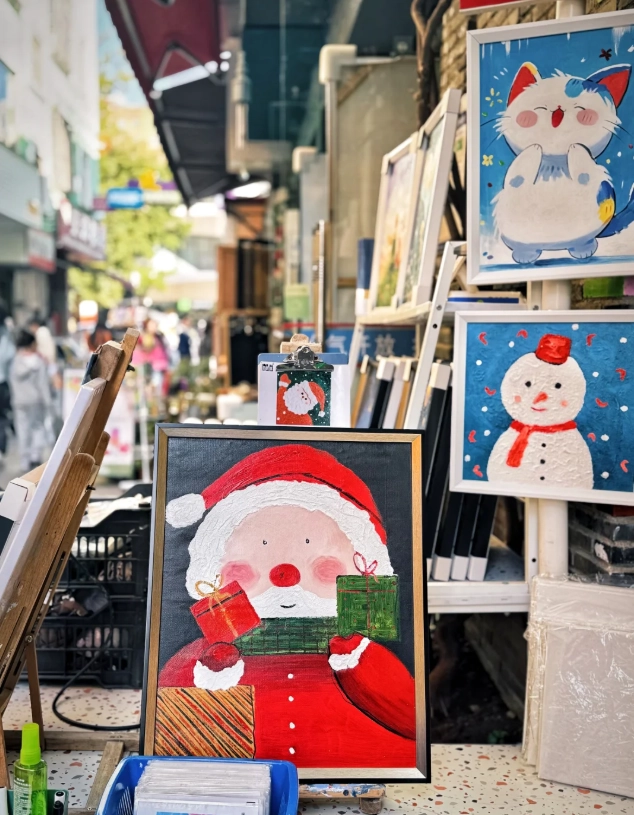
Take Metro Line 3 to Dafen Station, Exit A2. Walk 10 minutes south. Dafen is surreal—a village of alleyways where artists reproduce Van Gogh and Monet while you watch. It's not a museum; it's a working artists' colony.
You can buy paintings, but the better experience is to paint your own. Many studios offer 1-2 hour sessions for about ¥100-200. Yajia Gallery on Dafen Old Street is used to foreigners. Booking isn't needed; just walk in. Allow 2-3 hours here to wander and create.
Afternoon: Nantou Ancient City
From Dafen, take a taxi (¥35-45, 25 mins) to Nantou Ancient City. This is the "old Shenzhen," a walled town dating back 1700 years, now swallowed by the metropolis. Entrance is free. It's a mix of restored alleys, small museums, and trendy cafes.
Most visitors stick to the main renovated street. Go deeper. Find the remaining sections of the old city wall behind the museum. Climb up. You'll see a jarring contrast: ancient stone against a forest of apartment towers. It's the best visual summary of Shenzhen's story. Grab a simple lunch here—there's a great clay pot rice place just inside the east gate.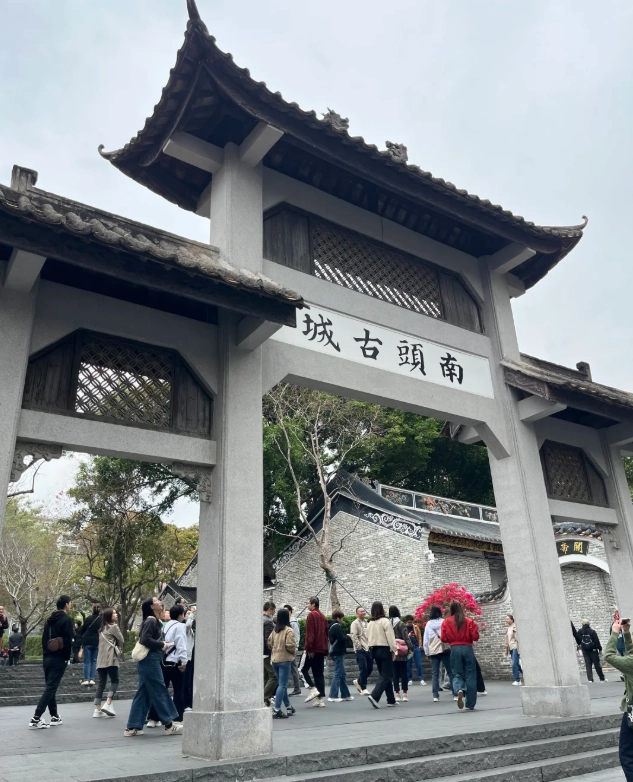
Evening: Sea World & Shekou
From Nantou, take the metro (Line 1 to Window of the World, transfer to Line 2 to Sea World). Sea World is centered around a grounded ship, the Minghua. The area is packed with international restaurants and bars. It feels more expat-heavy.
For dinner, I prefer the quieter Shekou Food Street, a 10-minute walk from Sea World. It's less glamorous but has authentic regional Chinese food. Look for the Lanzhou noodle shops—you can watch them hand-pull the noodles. A huge bowl costs about ¥25.
Day 3: Creativity & Retail Therapy
Your last day is for design and shopping before you fly out.
Morning: OCT-LOFT Creative Culture Park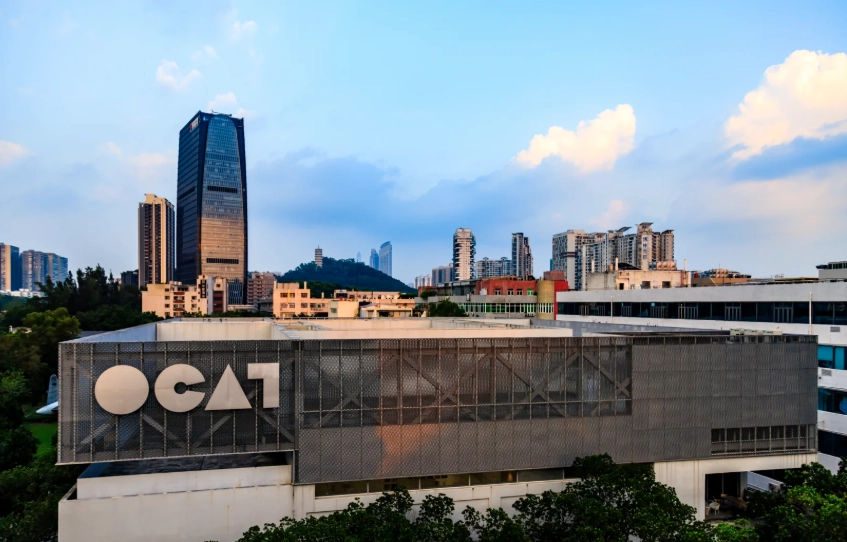
Take the metro to Qiaocheng North Station (Line 1), Exit A. OCT-LOFT is a transformed factory complex filled with art galleries, design studios, bookshops, and coffee roasters. It's Shenzhen's hipster heart. Nothing opens before 10 AM, so arrive leisurely.
Must-visits: Old Heaven Books (for music and art books) and See+ Gallery. Wander without a map. The murals and installations change constantly. This is where I bring clients tired of concrete and glass.
Afternoon: MixC World or One Avenue
For your final shopping blast, you have two choices.
Option A (Luxury & High-End): MixC World (Metro Line 2, Daya Bay Station). This is a sprawling, high-end mall with all the international brands. It's clean, organized, and has clear tax-refund counters for tourists. Good for stress-free, air-conditioned shopping.
Option B (More Local & Diverse): One Avenue (Yifangcheng) in Bao'an (Metro Line 1, Bao'an Center Station). This is bigger, messier, and more local. You'll find Chinese brands, massive food courts, and a general sense of buzzing energy. If you want to see how Shenzhen shops, come here.
Both malls have supermarkets in the basement where you can buy local snacks like pangzai (wife cakes) as souvenirs.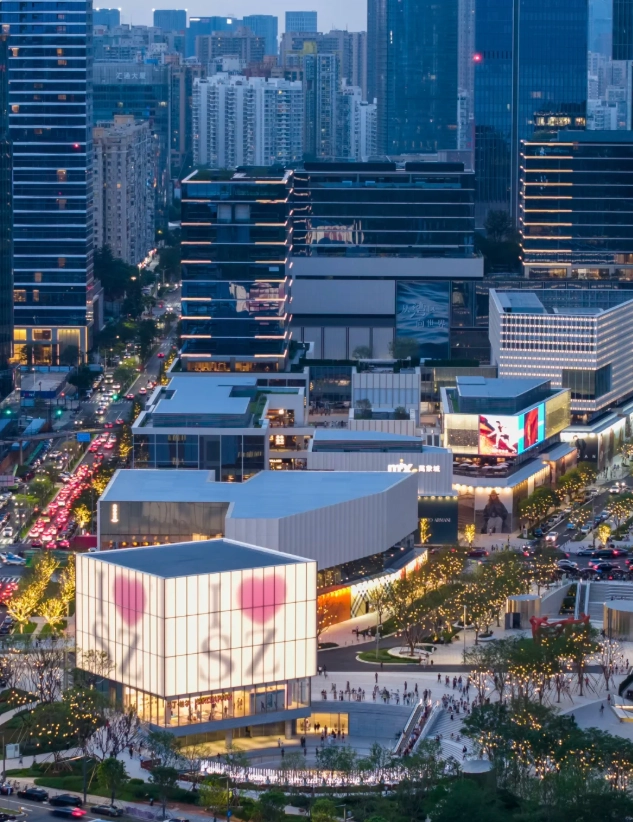
Evening: Departure or Last Bite
If your flight is late, have a farewell dinner near your hotel. If you're near Futian or Luohu, venture out for clay pot congee (baozaifan). It's a comforting Cantonese classic. Xinxing Restaurant (multiple locations) does it well for about ¥50 per person.
Where to Stay in Shenzhen
Location is everything. Here’s my breakdown based on who you are.
Futian CBD: Best for first-timers. Centrally located, best metro access, next to shopping and dining. The Langham, Shenzhen (¥1,200+/night) is top-tier with impeccable service. Citadines Galaxy Shenzhen (¥500-700/night) offers great serviced apartments for longer stays or families. You're a 5-minute walk from multiple metro lines.
Luohu (Near Lo Wu/Luohu Port): The old center. More local flavor, cheaper, but slightly worn. Convenient if arriving by train from Hong Kong. Shenzhen Shangri-La (¥900+/night) is the reliable upscale choice here. The area feels lived-in, with great local food streets a block away from the main roads.
Shekou: Best for a relaxed, almost resort-like vibe. Close to Sea World, great for families. Further from the metro, so you'll rely more on taxis. Hilton Shenzhen Shekou Nanhai (¥1,000+/night) has pools and sea views. It's quieter.
Nanshan (Hi-Tech Park): Where the tech workers live. Modern, clean, but can feel sterile at night. Good if you're here for business. Lots of new, boutique hotels like MUJI Hotel Shenzhen (¥800+/night) for minimalist lovers.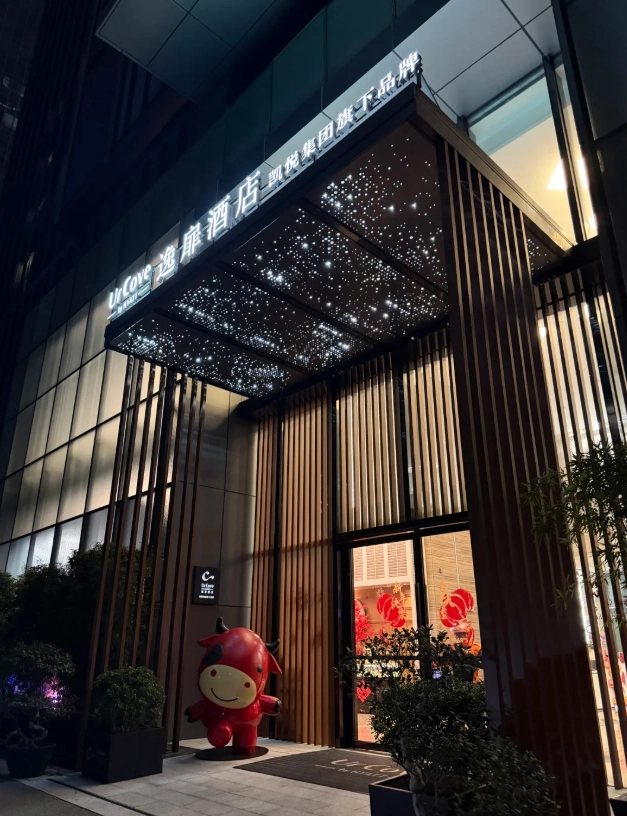
Shenzhen Travel FAQ
That's my playbook for three solid days in Shenzhen. It's a city that rewards curiosity. Skip the generic tour groups, use the metro, try the street food, and don't be afraid to get a little lost in a market. That's where you'll see the real energy that built this place in 40 years.
This article has been fact-checked based on my on-the-ground experience and latest local updates. Safe travels.






As someone who hates planning, this was exactly what I needed. Day 2's afternoon tea at a traditional teahouse in Nanshan was a hidden gem—the guide didn't mention how cheap it was compared to touristy spots. One star off because the 'local tips' should include which metro exits lead to each attraction (some exits are looong walks). But overall, a stress‑free way to see Shenzhen.
Honestly, this itinerary saved me from tourist trap hell. I almost booked a guided tour but this free guide gave me better results. The metro tips alone saved hours. Only complaint: the restaurant suggestions are too generic—'local noodle shop' isn't helpful. Still, for a quick city visit, I'd say 9/10 useful. My wallet thanked me.
Solid 4-day crammed into 3, but hey, that's what I needed. The tip about visiting Lianhua Mountain Park in the early morning was gold—no crowds and amazing city views. I tweaked Day 2 to skip Dafen Oil Painting Village (didn't interest me) and added a seafood dinner in Shekou. The structure is flexible enough to customize. Worth the read before packing.
Decent guide but heavily focused on shopping and tech markets. I was hoping for more food recommendations, especially vegetarian-friendly spots. The itinerary says 'local tips' but most were about apps and queues. The third day felt like filler—window of the World isn't that special. Okay for a quick overview, but I'd rather explore on my own next time.
I used this itinerary for my first trip to Shenzhen and honestly, it was a lifesaver. The local tips about using WeChat for metro tickets and avoiding peak hours at Huaqiangbei were spot on. Day 1 felt a bit rushed though—I wish there was more time at the OCT Loft. Still, great overall pace and very practical. Would recommend to anyone on a tight schedule.