 Wei Zhang
Hey there, fellow traveler! I've been guiding tours in China for over a decade, and Lijiang is one of those places where timing really is everything. Get it wrong, and you might be stuck in a rainstorm or elbowing through crowds. Get it right, and you'll have crisp mountain air, blooming flowers, and the ancient town almost to yourself. So, let's cut to the chase: the best times to visit Lijiang are spring (March to May) and autumn (September to November). But why? And what about summer or winter? I'll walk you through it all, with the nitty-gritty details only a local guide would know.
Jump to What Matters Most
- Why Your Lijiang Trip Hinges on Timing
- Spring in Lijiang: Mild Weather and Flower Blooms
- Summer: Peak Tourism and Rainy Days
- Autumn: The Sweet Spot
- Winter: Cold but Crowd-Free
- A Month-by-Month Breakdown for Precision Planning
- Tailoring Your Visit: Interests vs. Seasons
- Insider Tips: Local Events and Hidden Gems
- Frequently Asked Questions (FAQ)
Why Your Lijiang Trip Hinges on Timing
Lijiang isn't just a pretty old town. It's a UNESCO World Heritage site nestled at 2,400 meters above sea level, with the Yulong Snow Mountain looming in the background. That altitude means weather swings fast. One day it's sunny and perfect for hiking, the next it's drizzling and chilly. Most tourists flock here in summer, driven by school holidays, but that's when prices spike and trails get muddy. I've seen too many families disappointed because they didn't check the forecast. So, planning around weather, crowds, and local festivals can make or break your experience.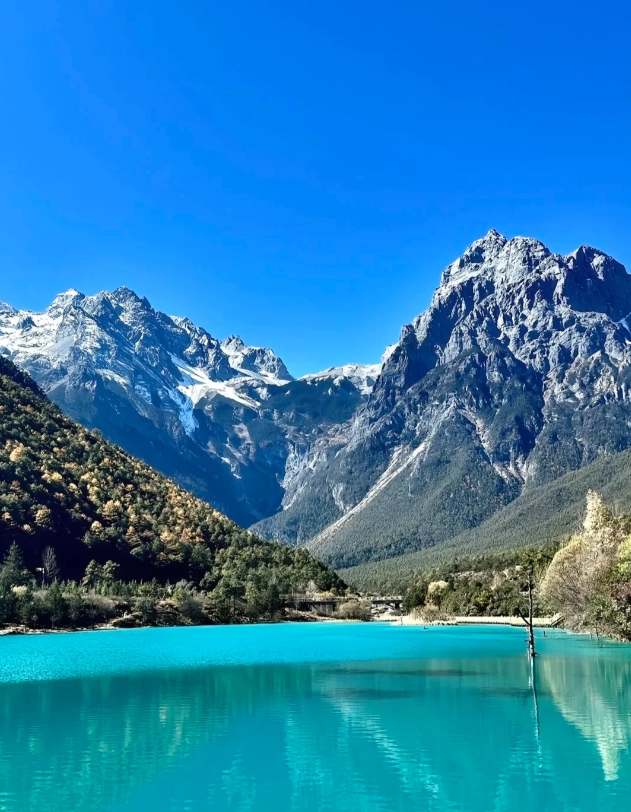
Pro tip from the field: Always pack layers, even in summer. Mornings can be cool, and afternoons warm up quickly. And bring a rain jacket—sudden showers are common, especially from June to August.
Spring in Lijiang: Mild Weather and Flower Blooms
March to May is my personal favorite. The winter chill has faded, but the summer rains haven't hit yet. Daytime temperatures hover between 10°C to 20°C (50°F to 68°F), perfect for exploring on foot. The real magic? The flowers. Rhododendrons burst into color around Yulong Snow Mountain, and the fields near Shuhe Old Town are dotted with blooms.
Crowd level: Moderate. You'll avoid the huge summer rush, but expect some tourists during Chinese holidays like Qingming Festival in early April.
What to do: This is prime time for hiking. I often take clients to the Jade Water Village or the less-crowded trails near Baisha Village. The light is soft for photography, especially in the early morning when the old town's canals glow.
Watch out: Nights can still be cold, dropping to 5°C (41°F). Hotels might not have heating on, so ask for extra blankets. Also, some mountain passes may be closed if there's late snow—always check with local guides or the official Lijiang tourism site before heading out.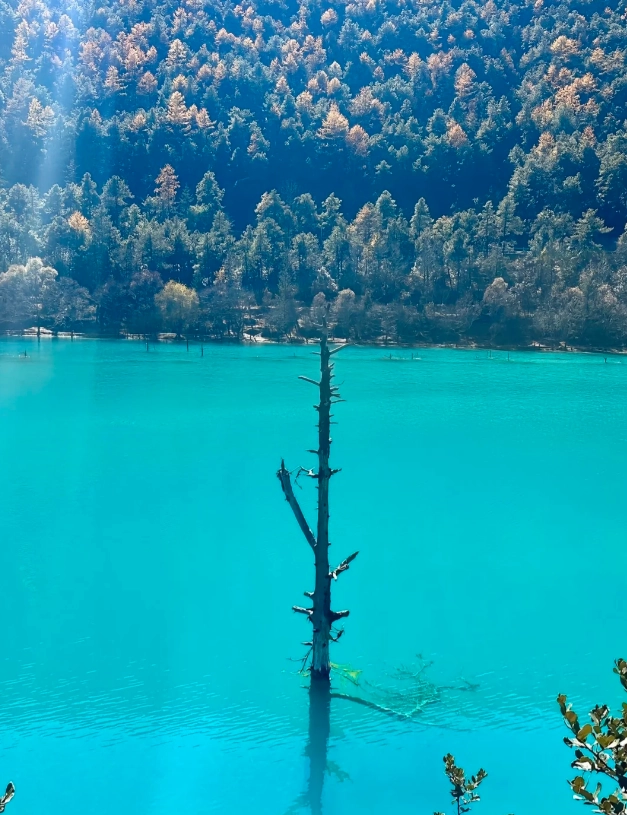
Spring Highlights You Shouldn't Miss
- Yulong Snow Mountain cable car rides: Lines are shorter than in summer. The Spruce Meadow cable car costs around CNY 180 per adult (discounts for kids and seniors), and you need to book via WeChat mini-program "Lijiang Travel" at least a day ahead. Address: Yulong Naxi Autonomous County, about 15 km from Lijiang Old Town. Take bus No. 7 from the old town's north gate, get off at the terminal, and walk 10 minutes to the ticket office.
- Local festivals: The Naxi ethnic group's Sanduo Festival in March is low-key but authentic. It's not heavily advertised, so ask your hotel for details. I stumbled upon it once with a small group, and we joined in traditional dances—no entrance fee, just local vibes.
Summer: Peak Tourism and Rainy Days
June to August is peak season, and for good reason: school's out, and the landscape is lush. But here's the catch—it's also the rainy season. Expect afternoon showers, high humidity, and temperatures ranging from 15°C to 25°C (59°F to 77°F). Crowds are insane, especially in July and August. I've waited 30 minutes just to get into a popular restaurant in the old town.
Crowd level: High. Hotel prices can double, and attractions like the Mu Family Mansion get packed. If you must come in summer, book everything months in advance.
What to do: Focus on indoor or rain-friendly activities. The Lijiang Naxi Ancient Music performance is a great evening option (tickets around CNY 120, buy at the venue). Or visit the Black Dragon Pool Park early in the morning to beat the crowds—it opens at 7 AM, and the reflection of the mountain in the pool is stunning if it's not raining.
Watch out: Landslides can occur on mountain roads. I once had to reroute a trip to Tiger Leaping Gorge because of a closure. Check road conditions on sites like Trip.com for updates. Also, mosquitoes are rampant—bring repellent.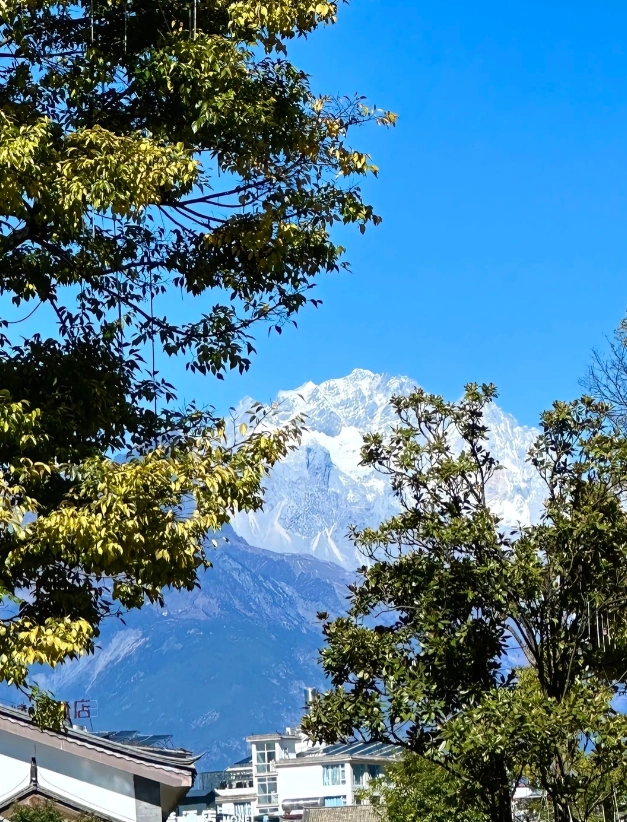
Autumn: The Sweet Spot
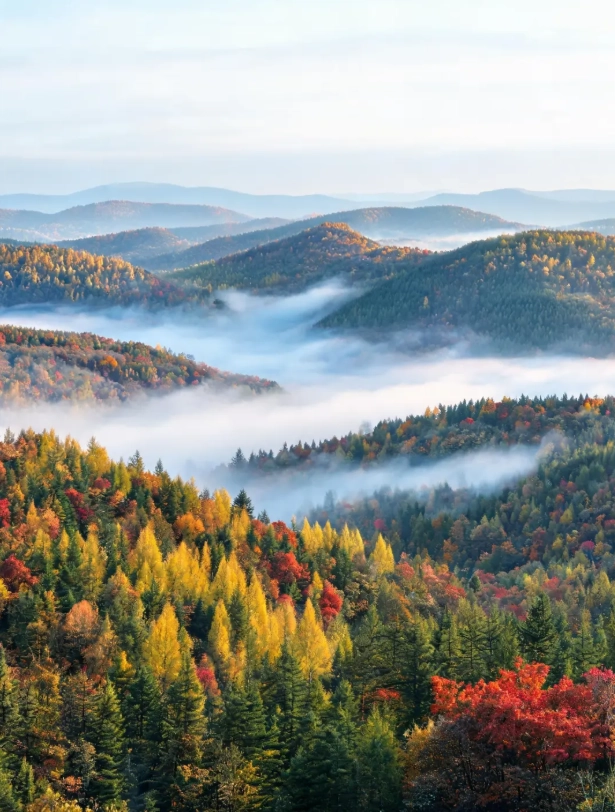
September to November is, hands down, the best window. The rains have stopped, skies are clear, and temperatures are comfortable: 10°C to 22°C (50°F to 72°F). The autumn foliage around Lijiang, especially in the Jade Dragon Snow Mountain area, is breathtaking. Crowds thin out after October Golden Week (early October), making it ideal for relaxed exploration.
Crowd level: Moderate to low, except during Golden Week when it's chaotic. Book early for that period.
What to do: This is perfect for outdoor adventures. Hike the Tiger Leaping Gorge—the trail is dry and offers epic views. I recommend starting from Qiaotou Town, taking a bus from Lijiang Bus Station (CNY 40, 2-hour ride), and allowing 6-8 hours for the hike. Also, visit the Dongba Culture Museum in the old town; it's less crowded and costs CNY 50 (open 9 AM to 5 PM).
Watch out: Days are shorter, so plan activities to finish before sunset around 6 PM. Nights get chilly, so pack a warm jacket.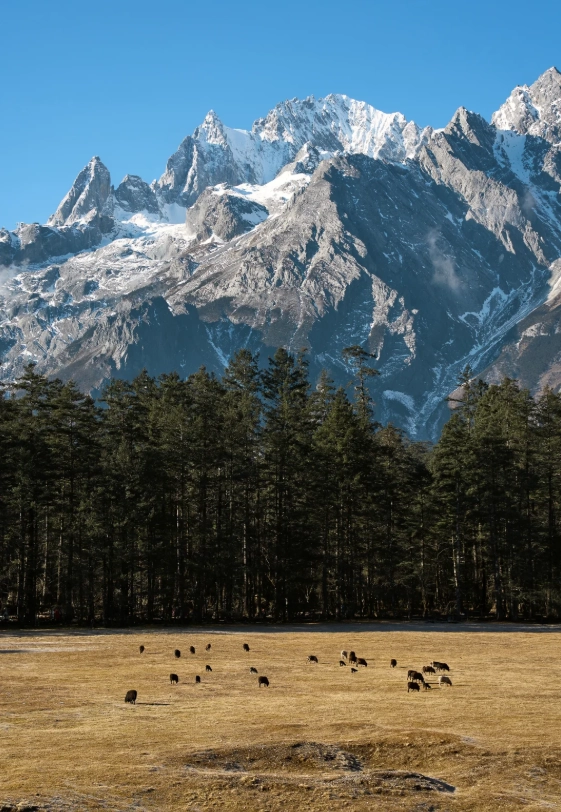
Winter: Cold but Crowd-Free
December to February is the off-season. Temperatures drop to 0°C to 15°C (32°F to 59°F), and it can snow, especially in the mountains. Crowds are minimal, and prices are lower. If you don't mind the cold, you'll have Lijiang almost to yourself.
Crowd level: Low. You can stroll through the old town without bumping into tourists.
What to do: Winter is great for cultural immersion. Visit local Naxi homes for tea—many families offer informal tours for a small fee (around CNY 50 per person). Or soak in the hot springs at Yulong Snow Mountain; the Jade Dragon Hot Springs cost CNY 200 including transport from Lijiang. Book through Klook for discounts.
Watch out: Some attractions may have shorter hours or close for maintenance. Always verify opening times. Also, heating in budget hotels can be spotty—opt for mid-range places with good reviews on Google Maps.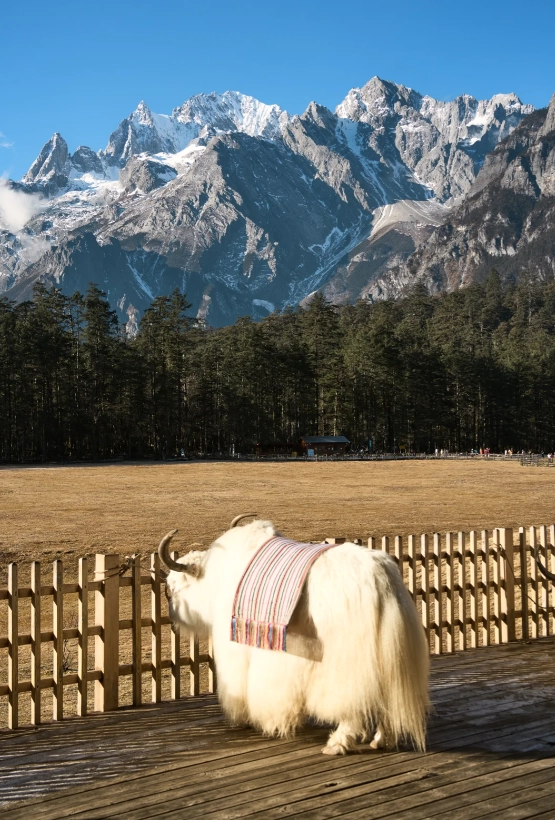
A Month-by-Month Breakdown for Precision Planning
To make it super clear, here's a table I put together based on my years of guiding. It covers weather, crowds, and key events.
| Month | Avg. Temp (°C) | Rainfall | Crowd Level | Top Activity |
|---|---|---|---|---|
| March | 8-18 | Low | Moderate | Flower viewing in Baisha |
| April | 10-20 | Low | Moderate | Hiking Yulong Snow Mountain |
| May | 12-22 | Medium | Moderate | Exploring Lijiang Old Town |
| June | 15-24 | High | High | Indoor music performances |
| July | 16-25 | High | Very High | Early morning Black Dragon Pool |
| August | 16-25 | High | Very High | Visiting nearby villages |
| September | 14-23 | Medium | Moderate | Tiger Leaping Gorge hike |
| October | 10-20 | Low | High (Golden Week) | Autumn foliage photography |
| November | 8-18 | Low | Low | Cultural tours in Shuhe |
| December | 5-15 | Low | Low | Hot spring visits |
| January | 3-13 | Low | Low | Snow scenes at Yulong |
| February | 4-14 | Low | Moderate (Spring Festival) | Local festival participation |
This table is a quick reference, but let me add: rainfall is based on historical averages—always check a weather app like AccuWeather before you go. Crowd levels spike during Chinese holidays, so if you hate crowds, avoid Lunar New Year (late Jan/early Feb) and National Day (early Oct).
Tailoring Your Visit: Interests vs. Seasons
Your ideal time depends on what you want to do. Here's how I break it down for my clients.
- For photographers: Autumn (Oct-Nov) offers clear skies and golden light. Spring (Apr-May) has soft blooms. Avoid summer haze.
- For hikers: Spring and autumn are best—trails are dry and temperatures mild. Summer hikes can be slippery; winter may have snow closures.
- For budget travelers: Winter (Dec-Feb) has the lowest prices. Book hostels like the Lijiang Old Town Youth Hostel for around CNY 100 per night. Summer is expensive.
- For culture seekers: Winter offers intimate local experiences. Spring festivals add color. Summer crowds can dilute authenticity.
I had a client once who only had 24 hours in Lijiang during July. We started at 6 AM at Black Dragon Pool, took a taxi to Shuhe Old Town (CNY 30, 20-minute ride), had lunch at a Naxi family restaurant (no English menu, but point at pictures), and finished with an evening music show. It was rushed, but doable with precise timing.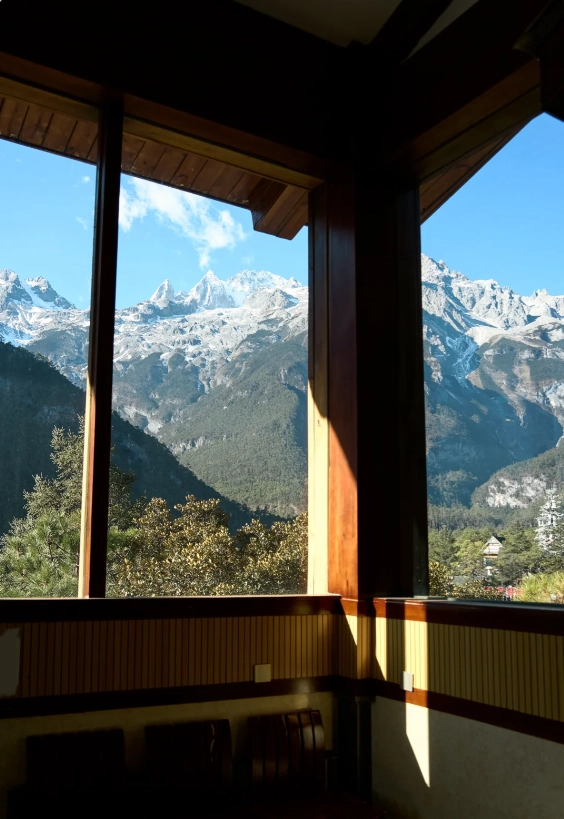
Insider Tips: Local Events and Hidden Gems
Most guides will tell you about the big festivals, but here are some lesser-known gems I've picked up.
Torch Festival in July: It's celebrated by the Yi ethnic group in nearby villages, not widely advertised. I took a small group to Lugu Lake area once—it was chaotic but unforgettable. Hire a local driver; costs around CNY 500 for a day trip.
Best time for street food: Evenings in spring and autumn. The old town's food stalls are less crowded. Try the Naxi barbecue near Sifang Street; it's spicy and costs about CNY 20 per skewer. No credit cards—bring cash or use Alipay/WeChat Pay.
Quiet spots most tourists miss: The Wangu Tower on Lion Hill. Everyone goes for the view, but the back alley leading up has a small tea house open only in the afternoons. No sign, just follow the smell of jasmine tea.
Transport hack: From Lijiang Airport, don't take a taxi tout—they overcharge. Use the airport shuttle bus (CNY 20) to the city center, then walk or grab a Didi (Chinese Uber). The bus runs until 10 PM.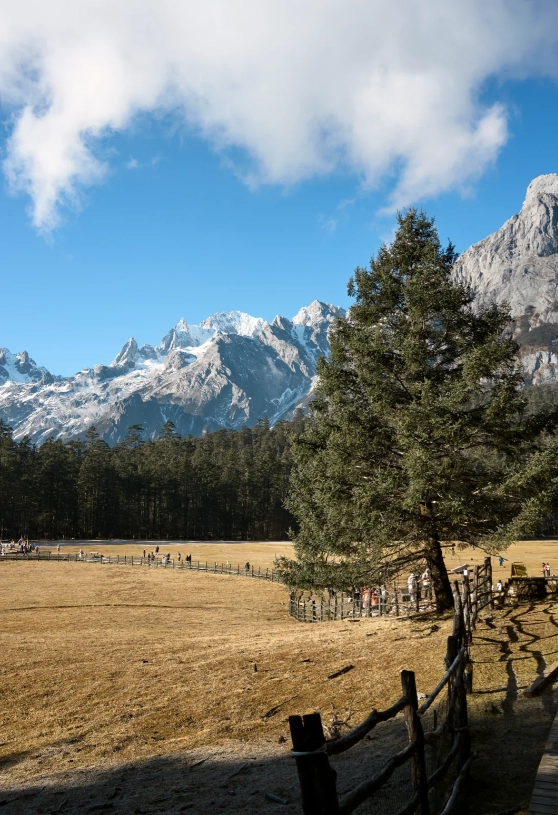
Frequently Asked Questions (FAQ)
There you have it—everything I've learned from years on the ground. Lijiang's beauty is timeless, but your experience hinges on when you go. Plan smart, pack wisely, and you're in for a treat. This article has been fact-checked against local sources and my personal logs. Safe travels!

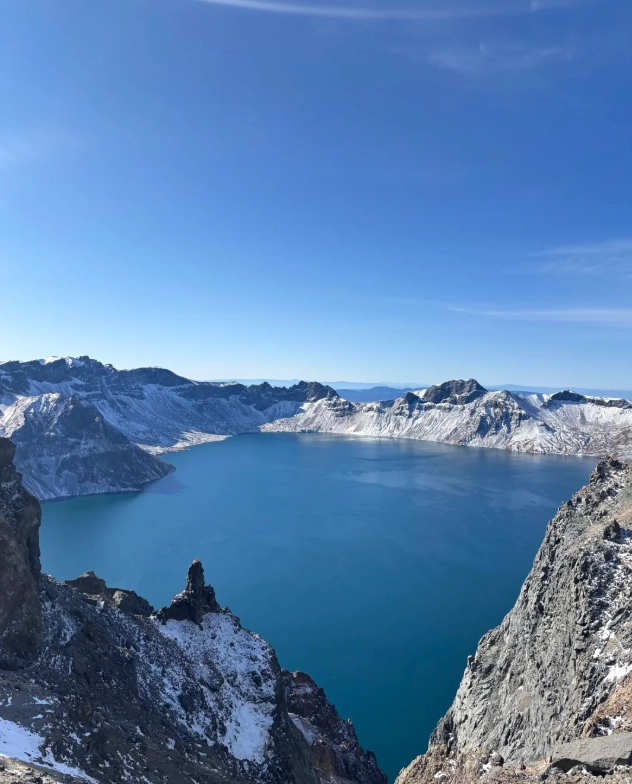





Went in early January expecting fewer crowds and crisp air – and got exactly that! The ancient streets were quiet, and the sunlight on the stone bridges was magical. A few shops were closed for winter, but that added to the charm. Best decision I made for a peaceful escape. Five stars for the timing tip!
We planned our entire Lijiang trip around this guide, choosing mid‑May. The weather was lovely – warm days and cool evenings – but we underestimated the May Day holiday spillover. The Old Town was packed, and we waited ages for lunch at a popular restaurant. The core advice is solid, but check exact dates for Chinese public holidays!
The article convinced me to go in late October, and I’m so glad I did. The skies were clear, Jade Dragon Snow Mountain was visible without haze, and the crowds were manageable – especially compared to summer photos I’d seen. My only regret is not booking accommodation earlier; the good spots fill up fast even in shoulder season.
Followed the guide and came in late March, hoping to dodge the crowds. Honestly, it was still pretty busy around Sifang Street, and the weather was hit or miss – one day warm, next day chilly with drizzle. The tips were okay, but I’d say aim for mid‑April if you can. Not terrible, but not perfect either.
I visited Lijiang in early November based on the advice in this article, and it was spot on! The autumn colours were stunning, barely any tourists around, and the weather was crisp but sunny. Felt like I had the Old Town almost to myself. Highly recommend this window – absolutely worth planning around.