 Wei Zhang
So you've got 3 days in Dali. Great choice. Most first-timers make one big mistake: they treat Dali Old Town as just another pretty ancient street and rush through it. After a decade of guiding families and solo travelers here, I can tell you the magic is in the pace. Dali is for slowing down, for getting lost in alleys that smell of fresh flowers and baking bread, and for understanding the Bai people who built this place against the backdrop of Cangshan and Erhai. This isn't a checklist; it's a rhythm. Let me show you how to feel it.
Your Dali Roadmap at a Glance
The Perfect 3-Day Dali Itinerary
This schedule balances must-sees with local immersion. It builds logically from the town center out to the lake and mountains. Times are realistic, including transport.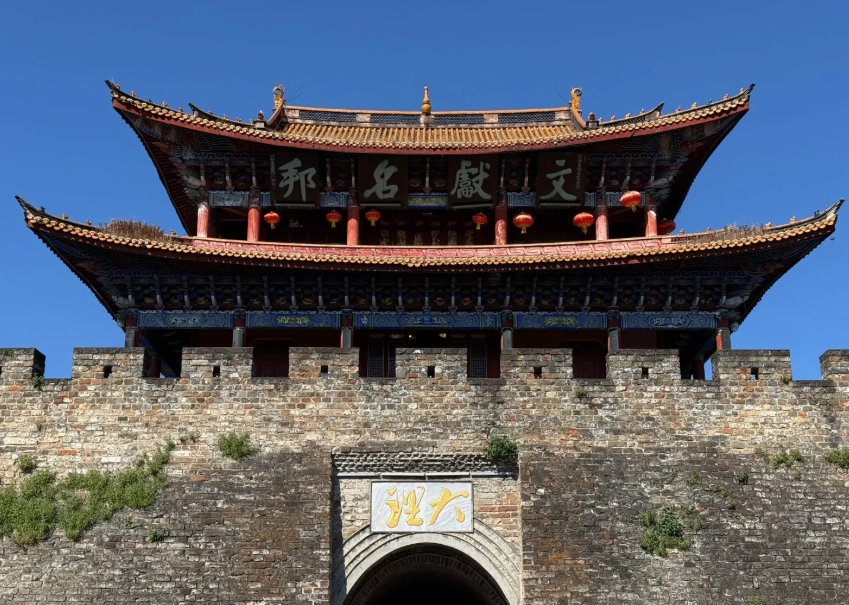
Day 1: Bai Culture & Old Town Charm
Morning (9:00 AM - 12:30 PM): Start at the Three Pagodas of Chongsheng Temple (San Ta Si). Why so early? The morning light hits the pagodas perfectly for photos, and the tour buses haven't arrived yet. Tickets are 75 RMB (adults). Buy them at the official counter or on platforms like Trip.com. The site opens at 9:00 AM. Don't just snap the classic front shot. Walk to the reflection pond behind the main hall – that's the postcard view most people miss. Budget 1.5 hours here.
Afternoon (1:30 PM - 6:00 PM): Head to Dali Old Town (Dali Gucheng). Enter through the South Gate (Nan Men). Your goal isn't to walk down Foreigner Street (Yangren Jie) immediately. Instead, get deliberately lost in the grid of alleys north of Fuxing Road. Look for the intricate wood-carved gates on traditional Bai houses. For lunch, duck into Shi Ping Restaurant (near 92 Bo'ai Road). No English menu, but point at the clay pot fish (tian shao yu) – it's their signature, mildly spicy and herbal. Cost: 60-80 RMB per person.
Evening: As the day-trippers leave, the town's atmosphere changes. Walk on the ancient city walls near the West Gate for sunset views over the rooftops towards Cangshan. For dinner, try Jian Xiang Yuan Restaurant for their amazing mushroom hotpot (jun guo). Tell them "wei bu wei" (not spicy) if you can't handle heat. They accept Alipay and cash.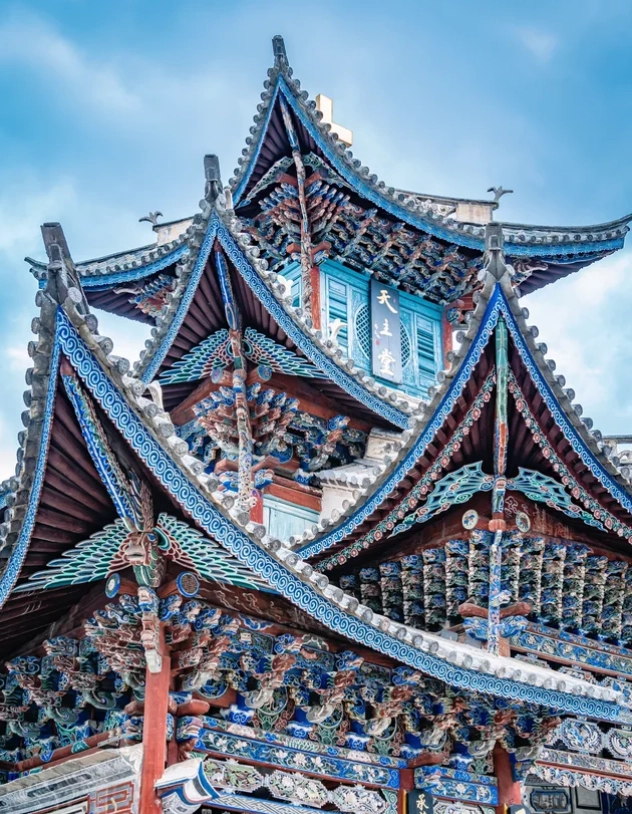
Day 2: Erhai Lake Serenity
Today is about the lake. The classic mistake is taking a big tourist boat from the dock. We're doing it the local way.
Morning (9:00 AM - 1:00 PM): Hire a car or taxi for the day (approx. 300-400 RMB). Drive to Xizhou Town, 18 km north. This is where you see authentic, lived-in Bai architecture, not just shops. Visit the Yan Family Compound (Yan Jia Yi) (50 RMB). The guide here (often English-speaking) explains the "three rooms and one wall screening" layout and the meaning behind the murals. Afterwards, find a street vendor selling Xizhou baba, a savory or sweet flaky bread. The one with minced meat and scallions is my favorite.
Afternoon (2:00 PM - 5:30 PM): Continue south along the Erhai Lake Ecological Corridor. This is a dedicated cycling and walking path that runs for miles. Rent a bicycle (15 RMB/hour) or an electric scooter (30 RMB/hour) in Xizhou or at Haixi village. Cycle south towards Haixing Park. You'll pass through wetlands, small villages, and have unobstructed lake views. It's peaceful and stunning. You can turn back anytime.
Evening: Return to Dali Old Town. Tired? The bars on Honglongjing Street have live music. Prefer quiet? Sip local tea at a teahouse overlooking a quiet alley.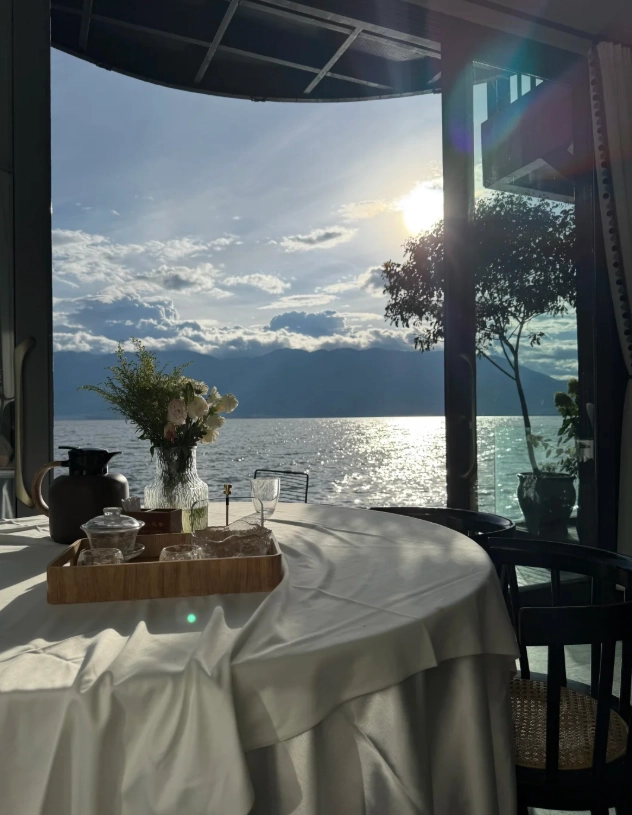
Day 3: Cangshan Mountain Adventure
You've seen the mountain from below. Now go up.
Option A (Most Scenic): Take the Gantong Cable Car to the summit area (280 RMB round-trip, includes entrance). It opens at 8:30 AM. Go early to avoid clouds. At the top, walk the 11-km Jade Belt Road, a mostly flat pedestrian path carved into the mountainside. You'll get breathtaking, panoramic views of Erhai Lake 2,000 meters below. The walk takes 2-3 hours one-way. Dress in layers; it's much cooler up there.
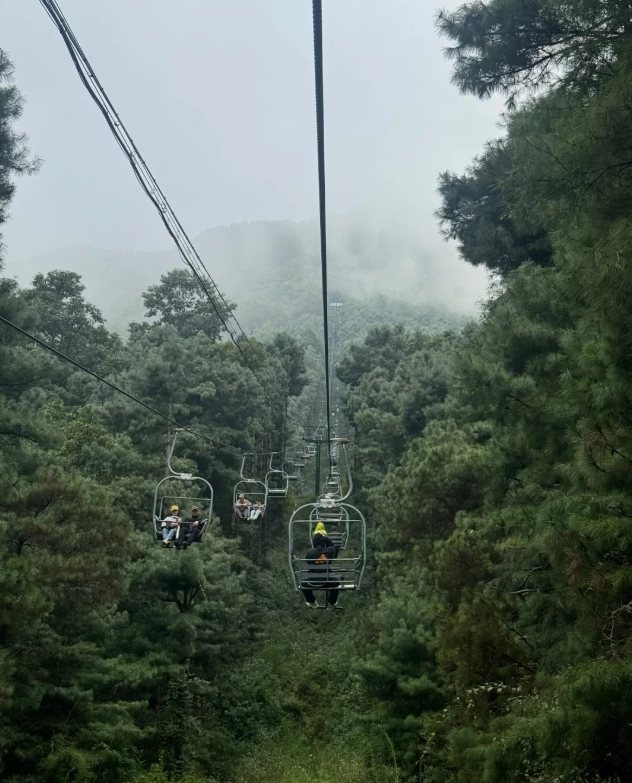
Option B (More Active & Cheaper): Take the Zhonghe Temple Cable Car (90 RMB round-trip). It's an old-fashioned open-chair lift (a fun experience itself!). At the top, you can hike to various temples and streams. This area feels more rugged and less crowded.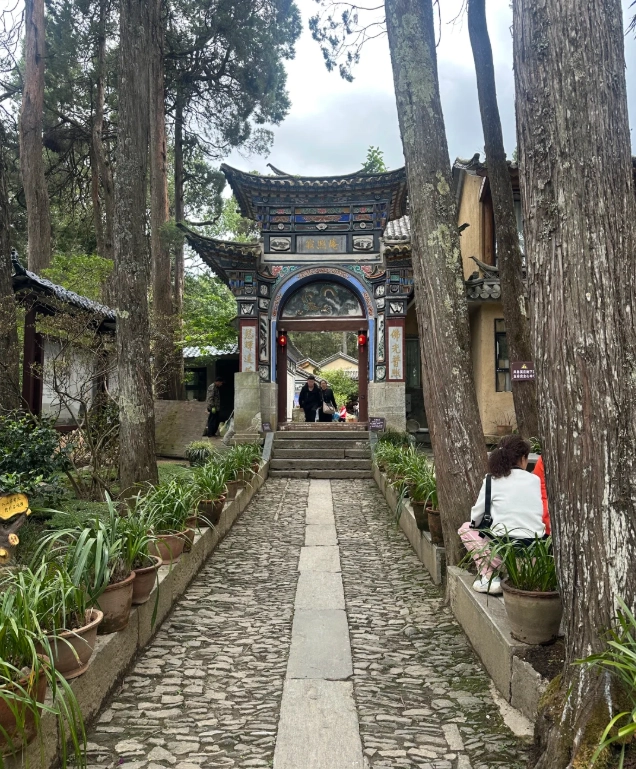
Afternoon (Last Hours): Use your final hours for last-minute shopping. For quality souvenirs, skip the generic trinkets. Look for hand-painted tie-dye fabrics or silver jewelry from local artisans. Wenhua Lane in the old town has several reputable shops.
Where to Stay in Dali
Location is everything. Here’s a breakdown based on who you are.
| Area | Best For | Vibe & Convenience | Price Range (per night) | My Top Pick |
|---|---|---|---|---|
| Inside Dali Old Town | First-timers, nightlife lovers, foodies. | You're in the heart of it. Can be noisy at night, especially near main streets. Everything is walkable. | 250 - 600 RMB | The Jade Emu Inn: Australian-Chinese run. Clean, great communal area, excellent travel advice. Speaks fluent English. |
| Outside the South Gate | Families, travelers wanting quiet. | Quieter, more space. A 5-10 minute walk to the action. Often better value for money. | 200 - 450 RMB | Dali Spring Garden Hotel: Has a lovely courtyard garden. Family rooms available. Basic English at reception. |
| Erhai Lake Lakeside (Caicun area) | Romance, photography, tranquility. | Stunning sunrise views over the lake. Isolated. You'll need a bike/taxi to get to town (15-20 mins). | 400 - 1000+ RMB | Sky Valley Heritage Boutique Hotel: A splurge. Beautifully restored Bai house with modern comforts. Impeccable service. |
Booking Tip: Use Trip.com or Booking.com for international cards. Many smaller guesthouses only accept payment via Alipay/WeChat upon arrival. Always message them on the platform to confirm payment methods and if they can hold luggage before check-in/after check-out.
Getting Around Dali
- To/From Airport/Train Station: Dali Airport (DLU) is 30 mins east. A taxi costs 80-100 RMB. The high-speed train station (Dali Station) is about 20 mins from the old town. Taxi: 40-50 RMB. Use DiDi (China's Uber) if you have the app set up.
- Within Dali Basin: For the Day 2 itinerary, hiring a private car with a driver for 6-8 hours is the most efficient and comfortable choice. Negotiate the price and stops before getting in. For shorter trips (e.g., Old Town to Three Pagodas), taxis are plentiful and cheap (10-15 RMB).
- Public Buses: Bus #C2 goes from the old town to Xizhou (3 RMB, ~40 mins). It's cheap but slower and can be crowded.
- Bicycles/E-Bikes: Perfect for the Erhai lakeside path. Rentals are everywhere. Test the brakes and battery before you pay.
Essential Dali Travel Tips
These are the things I repeat to every group.
Altitude & Sun: Dali is at 2,000 meters. You might feel slightly more tired. The sun is intense and the UV high. Wear a hat, sunglasses, and SPF 50+ sunscreen. I've seen more sunburns here than anywhere else in Yunnan.
Payment: While Alipay and WeChat Pay are king, most tourist spots and hotels now accept international credit cards (Visa/Mastercard). However, for small vendors, street food, and taxi drivers, you need cash (RMB). Withdraw at ATMs in the old town (Bank of China, ICBC).
Bargaining: Expected in markets and for souvenirs. Start at 50-60% of the asking price and meet in the middle. Be polite and smile. For fixed-price shops or restaurants, don't bother.
Water: Do not drink tap water. Buy bottled water or use a filter bottle. Even locals boil their water.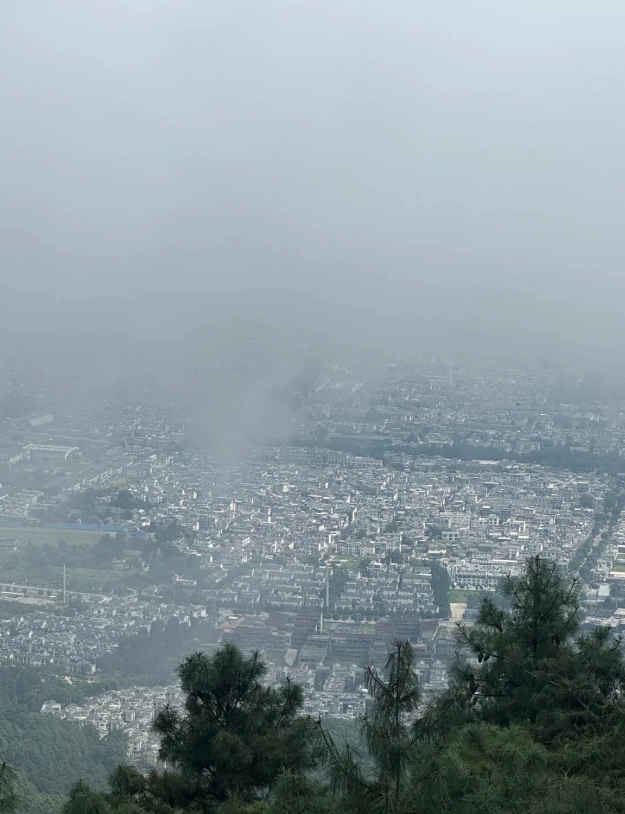
Dali FAQs Answered by a Guide
This article is based on my extensive, first-hand experience guiding in Dali over the past decade. Details regarding prices, operating hours, and travel conditions are regularly verified with local contacts. Travel smart and enjoy every moment of your 3 days in Dali.






I traveled alone and this itinerary gave me a great framework to meet other travelers and soak in Dali’s laid-back vibe. The sunset boat trip on Erhai was the highlight – the guide even pointed out hidden Bai minority villages. However, the accommodation recommendations were too vague; I spent a good hour digging through reviews to find the exact hostel mentioned. Also, the night market street was a bit chaotic for a solo female at 10pm. Overall a wonderful 4-star experience – I’d just add more practical tips for soloists.
Took my wife and two kids (7 and 10) on this 3-day plan. The scenery is undeniably beautiful – the kids loved feeding the seagulls at Erhai – but the pace was relentless. We were exhausted by day 2, and when a sudden downpour cancelled the morning cable car ride to Cangshan, there was zero backup plan mentioned. The itinerary assumes you’re a super fit solo adult. We ended up skipping half of day 3 just to rest. Disappointing for a family; needs more flexibility and kid-friendly notes.
Solid itinerary overall – the views are stunning and the local tips (like which alley to eat roast chicken) saved me from tourist traps. But I found Dali Old Town suffocatingly crowded in the afternoon, and the one ‘must-try’ restaurant they recommended was way overpriced for what it was. Also, the day hikes felt a bit rushed for my slow travel style. Give it a 4 – mostly great, but could use a few budget-friendly alternatives and crowd-avoidance suggestions.
As a travel photographer, I’ve seen my share of itineraries – this one is a goldmine. Every sunrise and sunset spot was perfectly timed: the pagodas reflected in the Three Pagodas Reflection Pond at golden hour, the fishing boats on Erhai draped in soft morning light. The writer clearly knows where to stand and when. Only tiny thing: I wish there’d been a note on the best angle for shooting the ancient city walls. Still, I came home with my memory card full and a big smile. 5 stars.
I followed this itinerary to the letter and it was pure magic! Biking around Erhai Lake at sunrise was absolutely breathtaking – the mist rising off the water and the distant Cangshan peaks were straight out of a painting. The local farmer’s market in Xizhou had the freshest fruit I’ve ever tasted, and the steaming bowl of cross-bridge noodles at the recommended spot was a hug in a bowl. If you want to truly feel Dali’s soul, this plan is a gift. Can’t recommend enough!