 Wei Zhang
So you've decided on Dali. Good choice. After a decade of guiding families, backpackers, and everyone in between through Yunnan, I still get a kick out of seeing someone's face light up when they first catch the sun glinting off Erhai Lake with the Cangshan mountains behind it. But here's the thing most generic guides won't tell you: you can easily waste half your trip stuck in traffic, eating overpriced, mediocre food, or queuing for the "must-see" spot at the worst possible time.
This Dali itinerary for first-timers is different. It's the plan I wish I could hand every client when they step off the plane or train. We're going to focus on the essence of Dali—the laid-back old town vibes, the stunning lake-and-mountain combo, and the unique Bai culture—without the frantic rush. I'll show you how to structure 2 or 3 perfect days, where to eat like a local (not a tourist), and the little tricks that save you money and sanity.
Your Dali Trip at a Glance
How to Get to Dali (The Smart Way)
Dali has an airport (DLU) and a high-speed train station. Forget the airport unless you're flying from another part of Yunnan like Xishuangbanna. For 95% of you, the train is king.
From Kunming: Take the high-speed train (Gaotie). It takes about 2 hours. Book your tickets on Trip.com or the China Railway app. Aim for a morning departure to maximize your first day. The train arrives at Dali Station (not the old one). From there, a taxi to the Old Town costs about 40-50 RMB and takes 30-40 minutes depending on traffic.
From Lijiang: The train is even quicker, around 1.5 hours. Again, super convenient.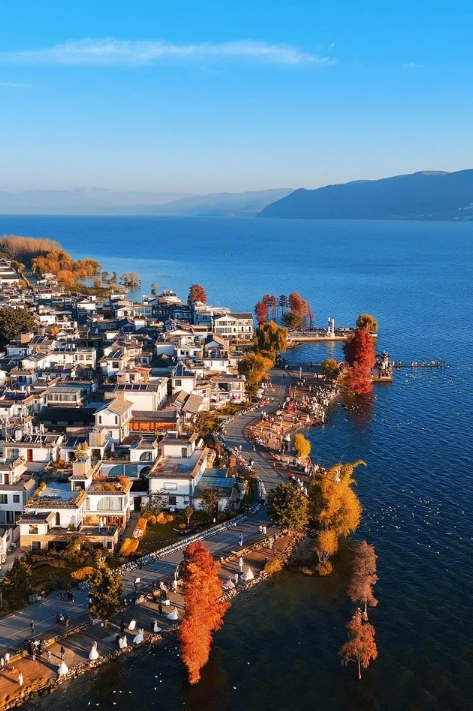
Where to Stay in Dali: Old Town vs. Lakeside
This is your first big decision. Each area gives a totally different experience.
Dali Old Town (Gucheng): Perfect for first-timers. You're in the heart of the action, surrounded by ancient architecture, cafes, and shops. It's incredibly convenient, especially if you have only 2 days. You can roll out of bed and be exploring in minutes. The downside? It can be noisy at night near the main streets.
My Old Town Pick: Look for guesthouses in the quieter lanes between Renmin Lu and Fuxing Lu. You're still close to everything but can actually sleep. A decent boutique guesthouse with a courtyard will run you 250-500 RMB per night.
Erhai Lake Lakeside (Haixi or Haidong): This is for relaxation and epic views. You'll wake up to lake vistas from your balcony. The villages along the lake, like Caicun or Shuanglang, are more serene. The trade-off? You'll need to take a taxi or rent a bike/e-bike to get to the Old Town or other sights (15-40 minutes). Better for a longer, slower trip.
My Lakeside Advice: If you choose lakeside, stay on the western shore (Haixi). It's closer to the Old Town and Cangshan. The eastern shore (Haidong, near Shuanglang) is more remote and better for a second visit.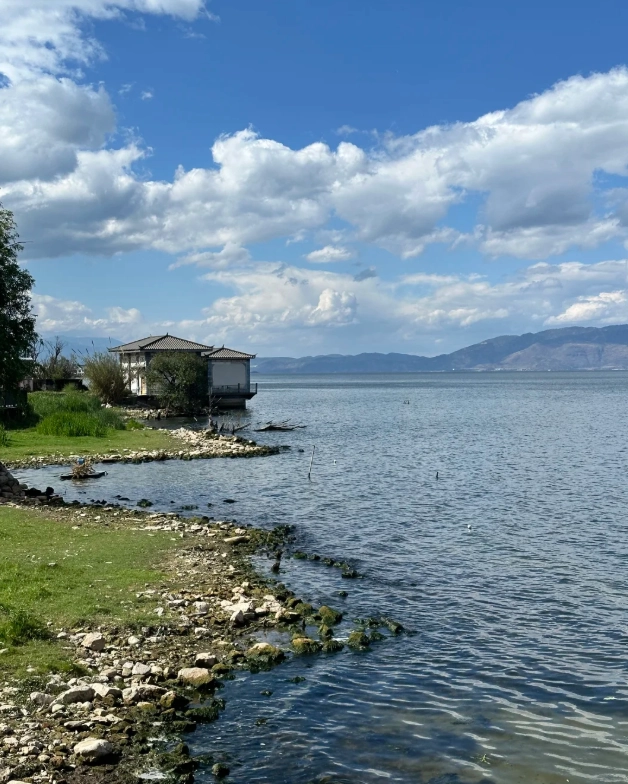
A Sample 2-Day Dali Itinerary for First-Timers
This is a paced, logical flow I've refined over hundreds of trips. It balances sightseeing, culture, and that essential Dali chill.
Day 1: Old Town Charm & The Iconic Pagodas
Morning (9:00 AM - 12:00 PM): Settle in and explore Dali Old Town. Don't just walk down the packed main commercial street (Foreigner Street - Yangren Jie). Instead, get lost in the parallel alleyways. Look for the Catholic Church on Beimen Street—a fascinating blend of Bai and European architecture. Head towards the South Gate (Wuhua Lou) to climb up part of the city wall for a classic photo op looking up the main axis. (Free to walk on certain sections).
Lunch (12:30 PM): Eat outside the Old Town. I'm serious. The food inside is mostly for tourists. A 5-minute walk south of the South Gate are local noodle shops. Look for a place with "Eryuan Tuoguo" in its name—a clay-pot noodle dish that's hearty and cheap (15-25 RMB).
Afternoon (2:00 PM - 5:30 PM): Visit the Three Pagodas (Chongsheng Temple). This is Dali's postcard sight. Take a taxi (10-15 RMB from the South Gate).
Key Info: Adult ticket is 75 RMB. You must book online in advance via their official WeChat channel or platforms like Klook. The site closes at 6:30 PM. Spend 2-3 hours here. The pagodas are stunning, but the real gem is the temple complex rebuilt behind them, scaling the mountain. The view back over the pagodas to Erhai Lake is unbeatable. Most tours leave by 4 PM, so the late afternoon light is magical and crowds thin out.
Evening (7:00 PM onwards): Back to the Old Town. Now it's time for Renmin Lu. This street comes alive at night with food stalls, bars, and music. Try the grilled cheese rolls (rushan), a local Bai snack. For a sit-down dinner, see my food section below.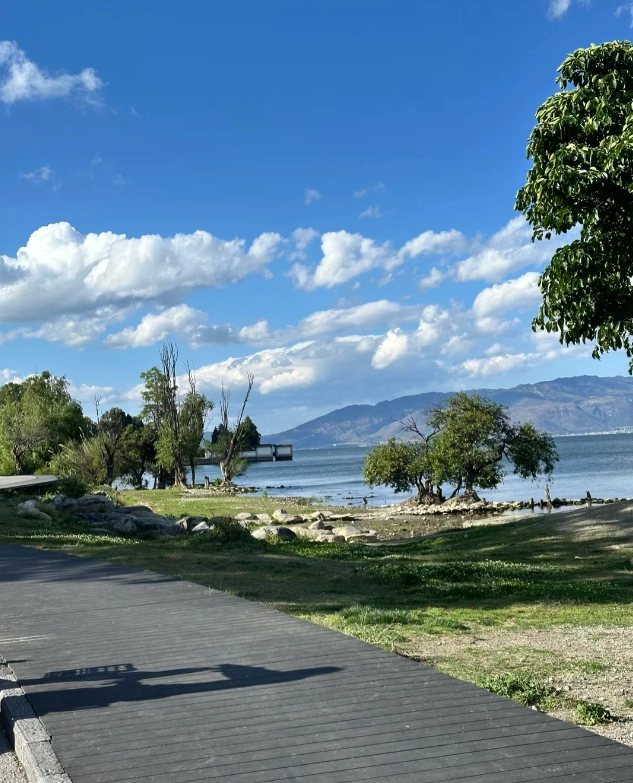
Day 2: Erhai Lake & Bai Culture
Morning (9:00 AM - 1:00 PM): Explore a traditional Bai village. Skip the overly commercialized Dali and head 18km north to Xizhou Town. A taxi costs 50-60 RMB one way. Xizhou is where you'll see the best-preserved Bai courtyard houses (Siheyuan). Wander the market, peek into the courtyards (some charge 5-10 RMB to enter), and visit the Yan Family Compound (about 20 RMB). The intricate woodcarvings and marble fittings are incredible. This is real, working town, not just a tourist stage.
Lunch (1:00 PM): In Xizhou, you must try Xizhou Baba, a flaky, savory or sweet bread. The most famous spot is "Fuzhenghao" on the main street. Grab one to go (about 10 RMB).
Afternoon (2:30 PM - Sunset): Erhai Lake Ecological Corridor. From Xizhou, take a taxi south to the Caicun section of the lakeside corridor (about 15 RMB). This is a dedicated pedestrian and cycling path stretching for kilometers along the western shore. Rent a bicycle (5-10 RMB/hour) or an electric bike (20-30 RMB/hour). Ride south towards the Old Town. The view of the water with mountains behind is constant and breathtaking. You'll pass through reeds, small villages, and photo-worthy "glass ball" seats. There are cafes along the way to stop for a coffee. This is the relaxing, scenic Dali you dreamed of.
Evening: Have dinner at a lakeside restaurant in Caicun or head back to the Old Town.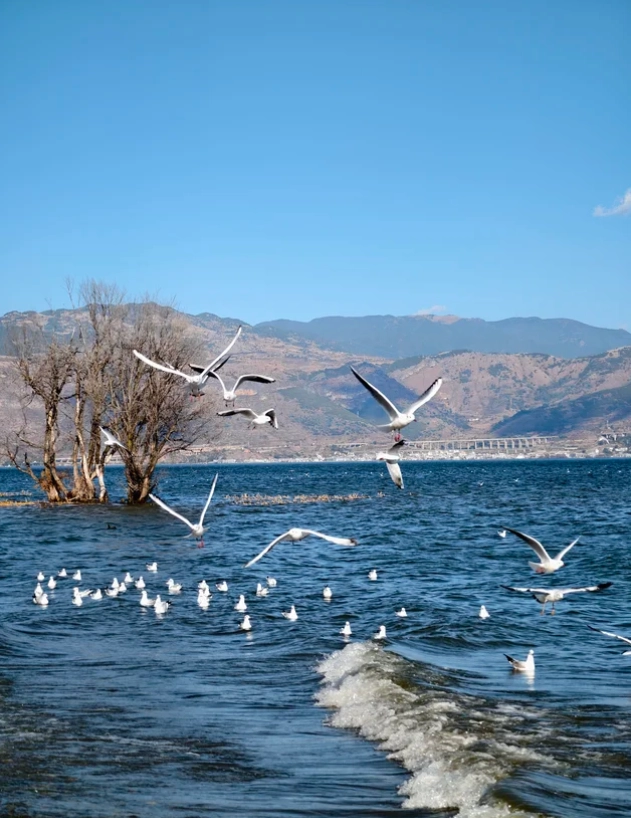
If You Have a Third Day: Digging Deeper
With an extra day, you can escape the core circuit. Here are two solid options:
Option A: The Cangshan Mountain Hike. Take the Gantong Cable Car (about 280 RMB round trip) up the mountain. At the top, there's a stunning 11km plank walk along the mountainside with insane views of Erhai Lake 2000 meters below. It's moderate walking. Bring a jacket—it's much cooler up there. The whole trip takes 4-5 hours.
Option B: The Eastern Shore & Shuanglang. Hire a car for the day (around 300-400 RMB) to drive around the entire lake. Stop at Shuanglang, an artsy village on the eastern shore with chic cafes and galleries. Visit Jinsuo Island (a short boat ride from Shuanglang) for a quiet, fishing village feel. This gives you the full Erhai perspective.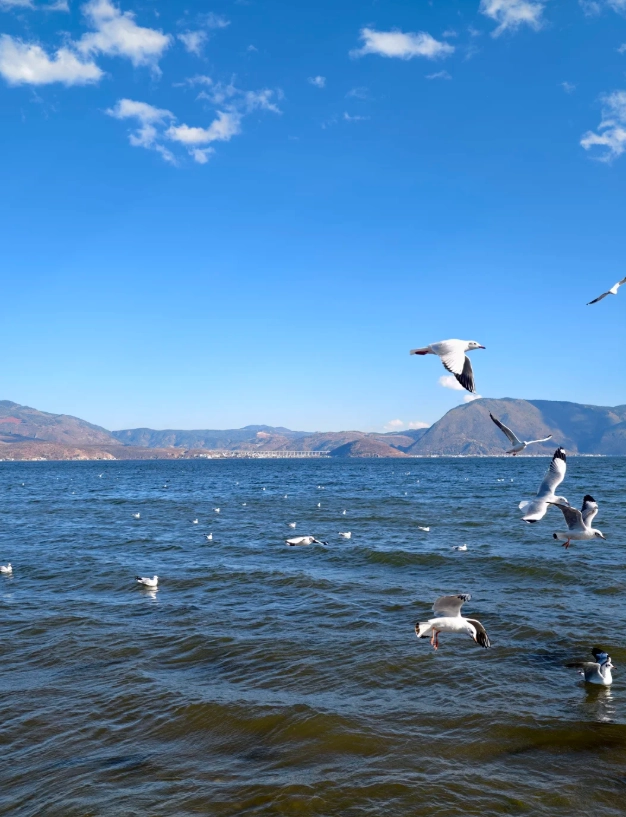
What (and Where) to Eat in Dali
Dali food is hearty and flavorful. Here’s my shortlist of must-tries and where to find them without the tourist markup.
| Dish | What It Is | My Recommended Spot & Tips |
|---|---|---|
| Xiangla Yu (Steamed Fish with Chilies) | Erhai Lake fish, mildly spicy, incredibly fresh. The signature dish. | Yunnan Xiaoguan (near the Old Town South Gate). They have an English picture menu. A whole fish feeds 2-3, costs 80-120 RMB. Go before 7 PM to avoid a wait. |
| Rushan (Grilled Milk Fan) | A stretchy, grilled dairy product, often rolled with sweet or savory fillings. | Street stalls on Renmin Lu at night. The rose jam filling is classic. About 5-10 RMB each. It's an acquired texture—be prepared for chewiness! |
| Eryuan Tuoguo Mi Xian | Rice noodles stewed in a clay pot with meat and veggies. | Any small, busy shop south of the Old Town South Gate. Look for locals slurping. 15-25 RMB. They rarely have English menus, just point at what others are having. |
| Bai Style BBQ | Various skewers and meats, marinated with local spices. | Ye Zi BBQ on Bo'ai Road, just outside the Old Town walls. Bustling, smoky, authentic. Order the pork ribs and mushrooms. About 50-80 RMB per person. Cash or Alipay only. |
Common Mistakes First-Timers Make
Let me save you from these pitfalls I see every week.
Mistake 1: Renting an e-bike to circle the entire Erhai Lake in one day. The full loop is over 120km. The eastern shore highway has heavy truck traffic and is dangerous for bikes. You'll spend 8 exhausting hours. Do this instead: Stick to the protected Ecological Corridor on the western shore for a safe, beautiful ride.
Mistake 2: Expecting perfect, sunny weather year-round. Dali's weather is fickle, especially around Cangshan. A sunny morning can turn into a rainy afternoon. Do this instead: Always pack a light rain jacket and layers. If it rains, your Plan B is exploring the Old Town's museums or cozying up in a cafe with a book—that's the Dali vibe anyway.
Mistake 3: Only staying inside Dali Old Town. You'll miss the true scale and beauty of the region. Do this instead: Force yourself out to Xizhou and the Erhai lakeside. That's where the magic is.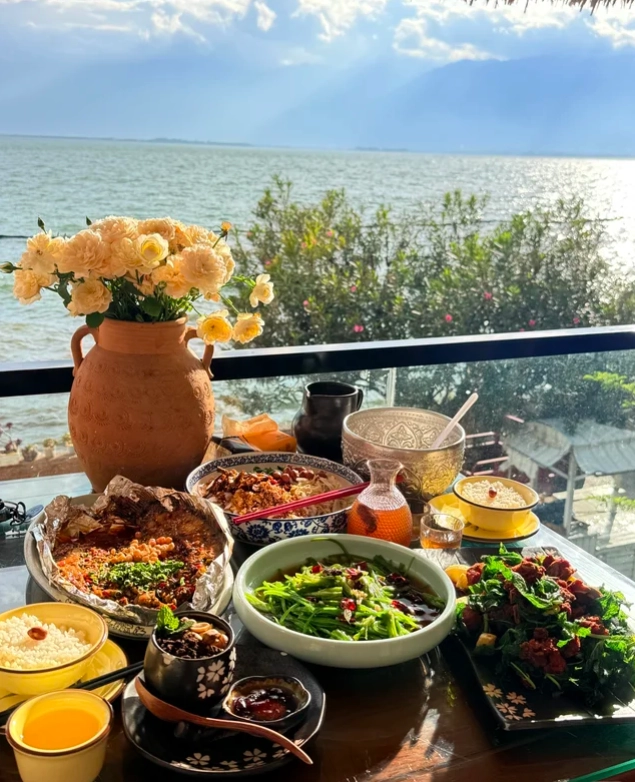
Your Dali Itinerary FAQ
Is 2 days enough for Dali?
For a first visit, 2 full days is the sweet spot. You can cover the Old Town, Erhai Lake, and the Three Pagodas without rushing. It gives you the flavor. If you want to hike Cangshan or do a full lake loop at a relaxed pace, add a third day.
What's the best time of year to visit Dali?
March to May and September to November. You avoid the summer rains (June-August) and the winter chill (December-February), though winter has crystal-clear skies. The shoulder seasons offer the best mix of good weather and manageable crowds.
Is Dali Old Town too touristy?
The main arteries are, yes. But it's still functional and beautiful. The trick is to step one alleyway off the main drag. You'll find quiet residential lanes, local shops, and the authentic atmosphere quickly returns. Don't write it off—just explore smarter.
Do I need to book accommodation and tickets far in advance?
For tickets to the Three Pagodas, yes, book online a day or two ahead, especially for weekends. For accommodation, booking a few days in advance is wise for good guesthouses. During major Chinese holidays, book everything weeks ahead.
Can I get by with just English in Dali?
In the Old Town's main shops, hotels, and tourist restaurants, basic English is common. In local restaurants, taxis, and villages like Xizhou, it's very limited. Have your hotel's name and address written in Chinese. Use translation apps (like Google Translate or Pleco) for menus. A smile and pointing go a long way.
There you have it. A Dali itinerary for first-timers that focuses on experience over checklist tourism. Pack comfortable shoes for the stone streets, a sense of curiosity, and don't over-schedule. The best moments in Dali often happen when you're just sitting by the lake, watching the light change on the mountains. That's the real souvenir.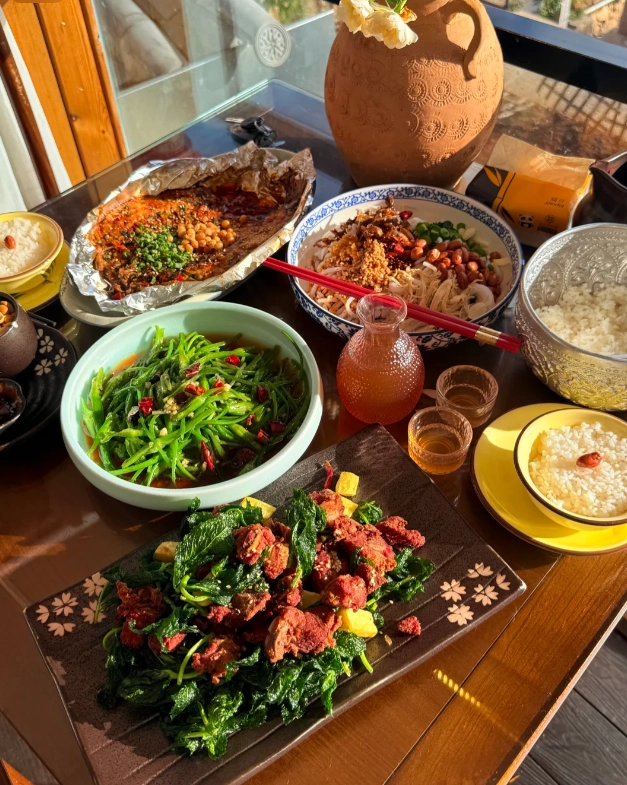
This article is based on my personal, on-the-ground experience guiding in Dali over the past ten years. Details like prices and opening hours are checked regularly for accuracy.






Used this as a starting point and tweaked a few things — glad I did. The 2-day plan is too ambitious if you’re not an early bird; we skipped the morning temple visit and still felt rushed. But the accommodation recommendations were solid (we stayed at the hostel mentioned in the tips). One complaint: the article says ‘walkable distances’ but the old town cobblestones killed my feet. Bring good shoes! Overall helpful but not perfect.
Loved how this itinerary balanced the cultural spots with nature. I’m a tea lover so the stop at the Three Pagodas and the brief mention of the local tea market was enough to make me wander off the beaten path. Ended up spending an extra afternoon in Xizhou just sipping pu’er. The writing is clear and practical, perfect for first-timers who want a mix of planning and spontaneity.
Honestly, I was disappointed. The itinerary claims to show 'the best in 2-3 days' but almost all places are super touristy — think crowded squares and souvenir shops. The morning hike to Cangshan mentioned in the article was actually closed when we went (no mention in the text). And the map links didn’t work on my phone. If you want real local tips, look elsewhere. This reads like a generic copy-paste job.
Decent guide overall, but I found the 3-day schedule a bit rushed for my liking. The section on Dali Old Town felt generic — I’ve seen similar advice in dozens of blog posts. Also, the restaurant suggestions were okay, but the one near the South Gate was overpriced for what we got. Still, it helped us hit the main spots without missing anything crucial. Give it a solid 4 if you don’t mind moving fast.
Followed this itinerary exactly for my first trip to Dali and it was spot-on! The 2-day plan is well-paced, we even had time to cycle around Erhai Lake in the morning and catch the sunset at the Three Pagodas. The author’s tip about skipping the cable car queue by going early saved us an hour. Absolutely recommended for solo travelers or couples who want a no-stress experience.