 Ming Yang
Your Quick Route Map
I've been guiding tours in Chengdu for over a decade, and let me tell you, most first-timers make the same mistake: they try to cram everything into a chaotic list. Chengdu isn't about ticking boxes; it's about flowing through experiences. Last month, I had a couple from New York who followed a generic online plan and ended up exhausted, missing the soul of the city. That's why I'm sharing my must-do routes—curated, tested, and designed to give you the real Chengdu, whether you have 24 hours or a week. These aren't just places; they're journeys that weave together pandas, spice, history, and those quiet moments only locals know.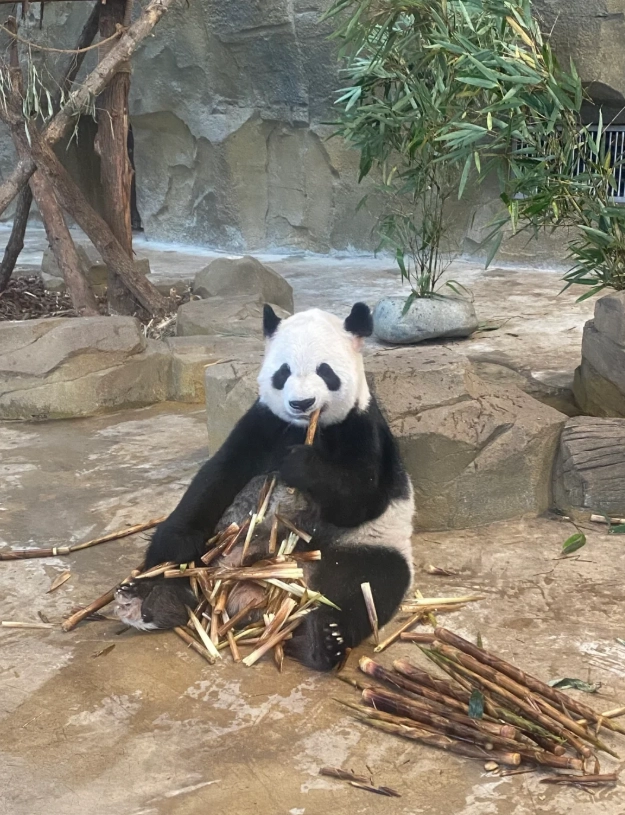
The Panda & Temple Route: A Full-Day Classic
If you only have one day in Chengdu, this is the route I always recommend. It balances wildlife, culture, and a taste of old Chengdu, all without rushing. I've timed it perfectly based on crowd patterns I've observed year after year.
Morning: Chengdu Research Base of Giant Panda Breeding
Address: 1375 Panda Road, Chenghua District, Chengdu, Sichuan. Don't confuse it with other panda centers; this is the main one.
Opening Hours: 7:30 AM to 6:00 PM daily, but ticket sales stop at 5:00 PM. In summer, they might open earlier—check the official website for updates.
Ticket Prices: Adult: 55 RMB; Child (under 1.3m): 27 RMB. Seniors over 65 with ID get free entry, but you still need to collect a ticket at the window.
How to Get There: Take Metro Line 3 to Panda Avenue Station. Exit A, and you'll see signs. From there, it's a 10-minute walk or a 5-minute shuttle bus (2 RMB) that drops you right at the gate. I always tell my groups to skip the taxi—traffic on Panda Road can be a nightmare after 8 AM.
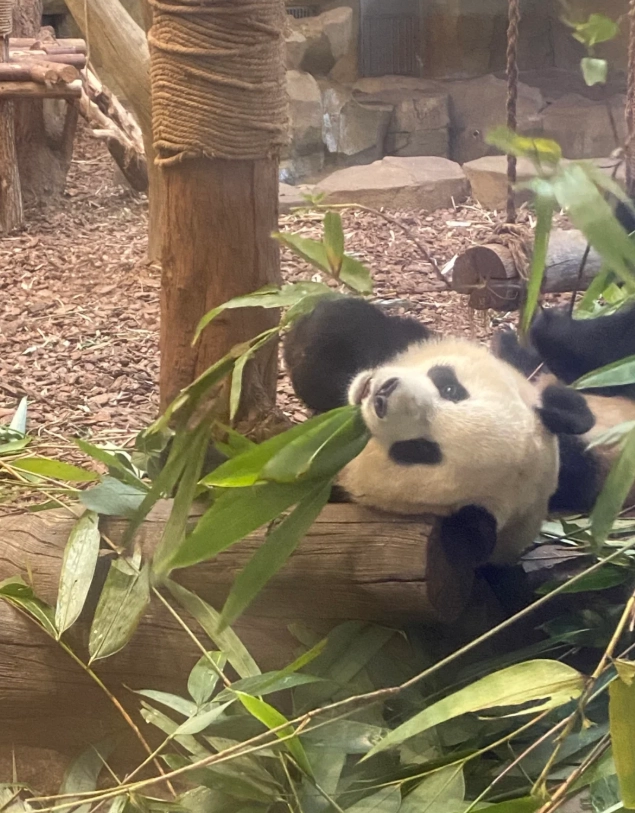
My Pro Tip: Be at the gate by 7:45 AM. The pandas are most active during feeding time, around 8:30 to 10:00 AM. After 11 AM, they often nap, and you'll just see fluffy lumps. Once, I took a family who arrived at noon, and the kids were disappointed. Also, the indoor nurseries are less crowded in the early afternoon if you want to see baby pandas up close.
Afternoon: Wenshu Monastery and Jinli Ancient Street
After the pandas, head back to the city center. Take Metro Line 3 from Panda Avenue to Xinnanmen Station, then transfer to Line 1 to Wenshu Monastery Station. Exit C, and you'll smell incense—follow that.
Wenshu Monastery: Free entry, open 8:00 AM to 5:00 PM. It's a working Buddhist monastery, not just a tourist spot. I love the tea house in the courtyard; for 15 RMB, you get unlimited tea and a serene hour watching locals play mahjong. The vegetarian restaurant here is decent, but I prefer to eat later.
Jinli Ancient Street: A 15-minute walk from the monastery. No entry fee, open 24/7, but shops close around 10 PM. This street recreates old Chengdu, but go for the snacks, not the souvenirs. My must-try here is the zhangcha duck (tea-smoked duck) from a stall near the main entrance—it's 20 RMB for a portion, and I've never had a tourist complain.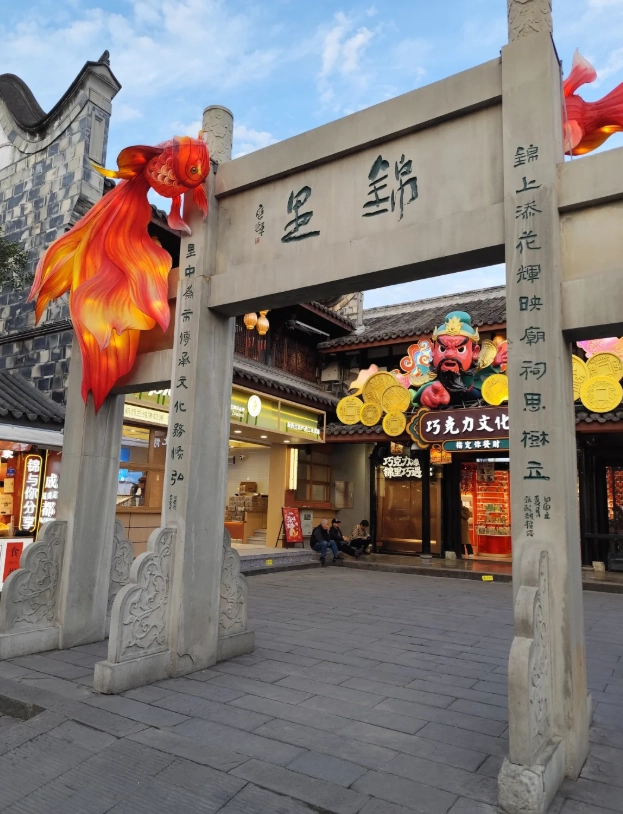
Route Timing: Start at 7:45 AM at Panda Base, spend 3 hours there. Arrive at Wenshu Monastery by 12:30 PM, relax for an hour. Hit Jinli by 2:30 PM for snacks and stroll. This avoids the midday heat and crowds.
The Spice Trail: Chengdu's Foodie Pilgrimage
Chengdu's food isn't just about heat; it's about layers of flavor. Many tourists stick to hotpot and miss out. This route covers key spots, with my personal favorites where I take my foodie tours.
Lunch at Chen Mapo Tofu: Address: 197 Yulin East Road, Wuhou District. Google Maps rating: 4.2. This place is legendary for a reason—their mapo tofu (45 RMB) is the benchmark. I always order it with a side of kung pao chicken (58 RMB). It's bustling, so go before 12 PM or after 1:30 PM to get a table. The waitstaff speak basic English, but pointing at pictures works.
Afternoon Snack at Long Chao Shou: Address: 28 Zhai Xiangzi, Qingyang District. This dumpling spot has been around for decades. Their hongyou chaoshou (red oil wontons, 25 RMB) are a must. Portions are small, so it's perfect for a snack. Open 10 AM to 9 PM.
Dinner Hotpot Experience: Skip the chains. I recommend Shuijingfang Hotpot at 88 Qintai Road. Address is precise—it's near the Culture Park. Expect to spend 80-120 RMB per person. Their broth has a subtle herbal note, and the beef tripe is fresh. Book via Dianping (the local app) or arrive by 5:30 PM. Last time I went with a group, we got the courtyard seating—it feels like old Chengdu.
For a deeper dive, here's a quick table of my top food stops:
| Spot | Specialty Dish | Price Range (RMB) | Best Time to Visit |
|---|---|---|---|
| Chen Mapo Tofu | Mapo Tofu | 40-60 | 11:30 AM or 2 PM |
| Long Chao Shou | Hongyou Chaoshou | 20-30 | 3-5 PM for snack |
| Shuijingfang Hotpot | Beef Tripe Hotpot | 80-120 per person | 5:30 PM for dinner |
| Yulin BBQ Street | Various Skewers | 50-80 | 7 PM onwards |
Beyond the City: Essential Day Trips
Chengdu is a gateway to Sichuan's wonders. If you have an extra day, these trips are worth every minute. I've arranged them by travel time.
Leshan Giant Buddha
How to Get There: Take a high-speed train from Chengdu East Station to Leshan Station (about 1 hour, 50 RMB). From Leshan Station, bus 3 takes you to the entrance in 30 minutes. Alternatively, book a private car for 300 RMB round-trip—I often do this for families to save hassle.
Ticket: 80 RMB for adults, 40 RMB for kids. The Buddha viewing area is open 7:30 AM to 6:30 PM. A little secret: the boat tour (70 RMB) gives the best full-view photos, but it gets crowded after 10 AM. Go early, see the Buddha from the boat by 9 AM, then explore the mountain paths.
My Advice: Pack snacks; the food inside is overpriced. And wear comfortable shoes—the stairs down to the Buddha's feet are steep.
Mount Qingcheng
This Taoist mountain is serene but often overlooked by foreigners. Address: Qingchengshan Town, Dujiangyan City. Take a train from Chengdu to Dujiangyan (30 minutes, 15 RMB), then bus 101 to the front gate.
Ticket: 90 RMB for the front mountain (more cultural); 20 RMB for the back mountain (more hiking). Open 8 AM to 6 PM. I prefer the front mountain for its temples—the cable car (35 RMB one-way) saves time if you're not a hiker. Last fall, I guided a couple who spent the whole day here; they said it was their highlight for the peace.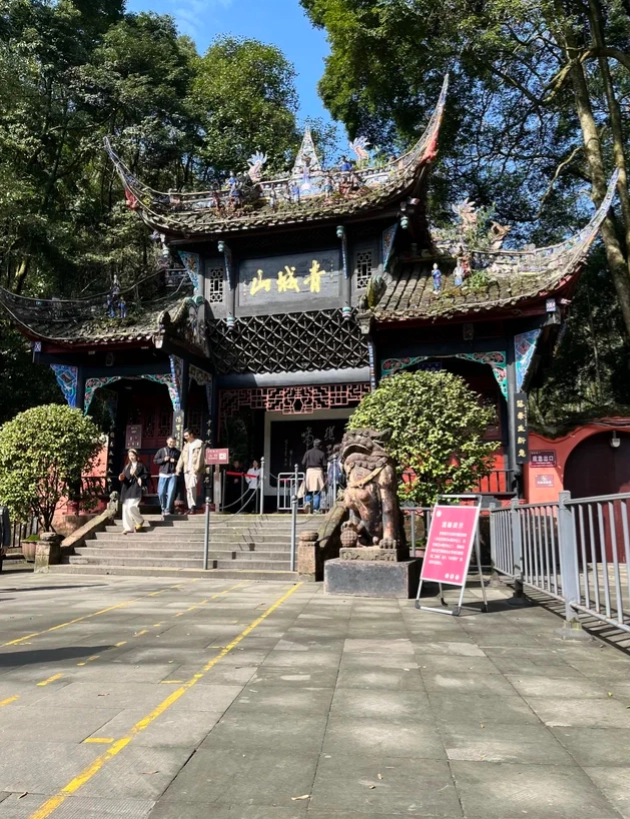
How to Customize Your Chengdu Itinerary
Based on your time and interest, here are my tailored routes. I've tested these with dozens of tourists.
If You Have 24 Hours: Do the Panda & Temple Route above. Skip the day trips. For evening, add a hotpot dinner at Shuijingfang. Start early, end with a stroll along the Jinjiang River—it's lit up at night, and locals gather there for dancing. I once had a solo traveler from London who did this; he said it felt immersive without being rushed.
If You Have 3 Days: Day 1: Panda & Temple Route. Day 2: Foodie Pilgrimage in the morning, then visit Wide and Narrow Alleys (Kuanzhai Xiangzi) in the afternoon—it's touristy but has cool cafes. Address: Qingyang District, near People's Park. Free entry. Day 3: Day trip to Leshan Giant Buddha. Return by 4 PM, and if you have energy, catch a Sichuan opera show at Shufengyayun Theater (180 RMB per ticket, book ahead).
For Families with Kids: Focus on pandas and easy walks. Add the Chengdu Zoo (near the Panda Base) if the kids want more animals. Avoid spicy food overload—order mild versions. I always recommend staying near Tianfu Square for convenience; hotels like Holiday Inn Chengdu Tianfu have family rooms for 500-800 RMB per night.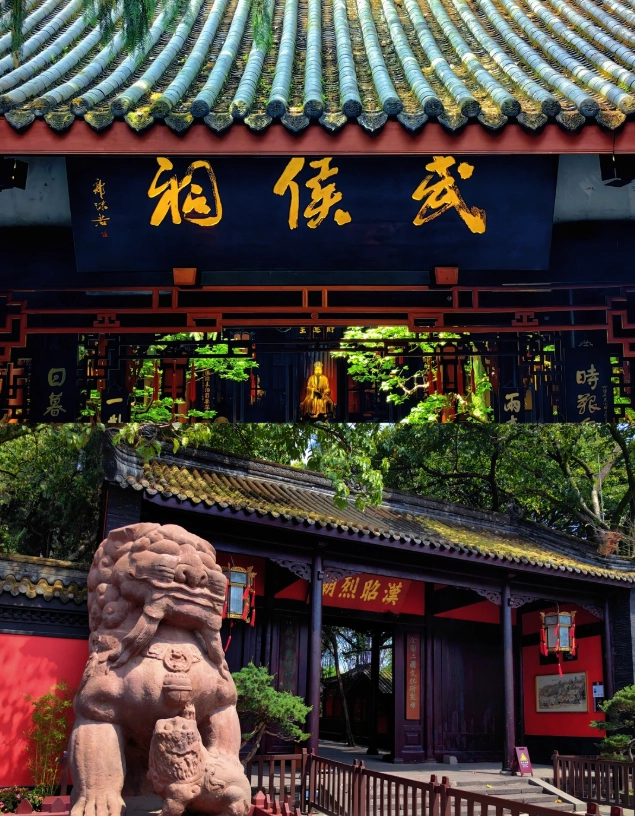
Insider Tips for Navigating Chengdu
These are things most guides won't tell you, but I've learned from years on the ground.
- Transport: Use the Chengdu Metro—it's clean and covers most spots. Download the "Tianfu Tong" app for QR code tickets. Taxis are cheap, but during rush hour (7-9 AM, 5-7 PM), stick to the metro. Didi (China's Uber) works well; have your hotel help set it up.
- Money: Cash is rarely used. Get Alipay or WeChat Pay linked to your card. For small vendors, have some RMB notes—50s and 20s are best.
- Crowd Avoidance: Major sites are packed on weekends and holidays. Visit on weekdays if possible. At Jinli Street, the far ends are quieter than the main drag.
- Weather Prep: Chengdu is humid. Summer (June-August) can be rainy; pack a lightweight rain jacket. Winter (Dec-Feb) is chilly but not freezing—layers work. I've seen tourists show up in shorts in January and regret it.
FAQs: Your Chengdu Route Questions Answered
This article has been fact-checked based on my recent visits and local updates. Chengdu changes slowly, but these routes have stood the test of time. Remember, the goal isn't to see everything—it's to feel the city's rhythm. Pack comfy shoes, an open mind, and don't be afraid to wander down a side street. That's where the real Chengdu hides.





Decent overview but felt like it was written for a very generic audience. I’m a budget backpacker and the “insider” tips weren’t that insider — things like “eat at a local noodle shop” are common sense. The route for the second day was too packed; I ended up skipping half. Would be better if they offered a slow-travel alternative. Okay for a quick skim, but I’ve seen better guides for free.
I read this before my weekend trip and it actually made my planning stress-free! The logic of grouping attractions by proximity is brilliant — I didn’t waste any time backtracking. I especially appreciated the note about which metro exits to use at different stations. My only minor complaint: the map screenshots were a bit blurry on mobile. Otherwise, highly recommend for any first-timer!
Not bad, but a bit too basic for someone who’s already read a few blogs. The routes are fine, but I was hoping for more off-the-beaten-path suggestions, like the little teahouse alley near Kuanzhai. Also, the section on getting around felt repetitive. If you’re totally new to China travel, this might help; otherwise, you can skip it.
This article saved me hours of research! The ‘must-do’ routes are exactly what I needed as a solo traveler. I followed the Wuhou Temple + Jinli combo and it flowed perfectly. The writing is clear and not overly touristy. I did find one tiny error — they said the Panda Base opens at 8 but online it says 7:30 now. Still, 5 stars for effort and actual usefulness!
Just finished reading this guide ahead of my first trip to Chengdu. Honestly, the suggested routes are super practical — I loved how they broke down day plans by neighborhood. The insider tip about skipping the midday crowds at Jinli was spot on. Only wish there were more food recommendations with specific vendor names instead of just street names. Still, great starting point for a newbie!