 Ming Yang
Look, after a decade of guiding folks through Sichuan, I've seen it all. The couple who came in July and spent half their trip hiding from the heat in a mall. The family who visited in March and caught the plum blossoms just right. The truth about the best season to visit Chengdu isn't a one-word answer. It's about matching the weather to what you actually want to do. Forget generic advice. Let's talk real seasons, real pros and cons, and how to make any trip work.
What's in This Guide?
- Season-by-Season Breakdown: The Good, The Bad, The Humid
- Why Autumn is the Clear Winner (and What to Do Then)
- Spring as a Strong Contender: Flowers, Festivals, and a Few Caveats
- How to Survive (and Even Enjoy) a Summer Visit
- Winter Considerations: Is the Cold Worth It?
- A Practical 3-Day Itinerary for the Best Season
- Your Questions, My (Sometimes Blunt) Answers
Season-by-Season Breakdown: The Good, The Bad, The Humid
Here’s the quick verdict. I’ve put this table together based on my own calendar of guiding trips, noting when clients are happiest and when I see the most complaints.
| Season | Months | Weather & Feel | Best For | Biggest Downside |
|---|---|---|---|---|
| Spring | March - May | Mild, warming up. Some rain. Everything turns green. | Flower viewing, comfortable city walks, lower pre-summer crowds. | Unpredictable showers, potential for smoggy days. |
| Summer | June - August | Hot, humid, and rainy. Often feels heavy and sticky. | Lush greenery, vibrant night markets, escaping to nearby mountains. | Intense heat/humidity, peak tourist crowds, afternoon thunderstorms. |
| Autumn | September - November | Cool, crisp, sunny. The most stable and pleasant weather. | Everything. Panda viewing, day trips, hiking, outdoor dining. | Can be the most popular, so book ahead. |
| Winter | December - February | Chilly, damp, grey. Rarely snows in the city. | Hot pot culture, indoor museums, fewer tourists, cheap flights. | Gloomy skies, bone-chilling damp cold, some gardens look bare. |
Why Autumn is the Clear Winner (and What to Do Then)
From mid-September to late November, Chengdu puts on its best show. The oppressive humidity vanishes, replaced by dry, sunny days and cool evenings. This is prime time for the city's main attraction: the pandas.
Panda Viewing Perfected
At the Chengdu Research Base of Giant Panda Breeding, the cool weather means the pandas are far more active. In summer, they just lie on ice blocks. In autumn, you'll see them climbing, playing, and munching bamboo with gusto. Go as soon as they open at 7:30 AM. Take the tourist bus from the main gate straight to the top (Sunshine Nursery House) and walk downhill. You'll beat 90% of the crowds.
Address: 1375 Panda Ave, Chenghua District.
Getting There: Metro Line 3 to Panda Avenue Station, Exit A. You'll see signs for the shuttle bus (5 RMB, 10 mins) or you can walk 1.5km. I recommend the bus.
Ticket: 55 RMB (Adult). Worth every yuan in this season.
Day Trips Without the Sweat
Autumn is when I recommend my clients take those iconic day trips. Leshan Giant Buddha involves a lot of stairs and walking; doing it in 25°C (77°F) versus 35°C (95°F) is a different experience. The same goes for hiking in Qingcheng Mountain. The foliage starts to turn in late October, adding another layer of beauty.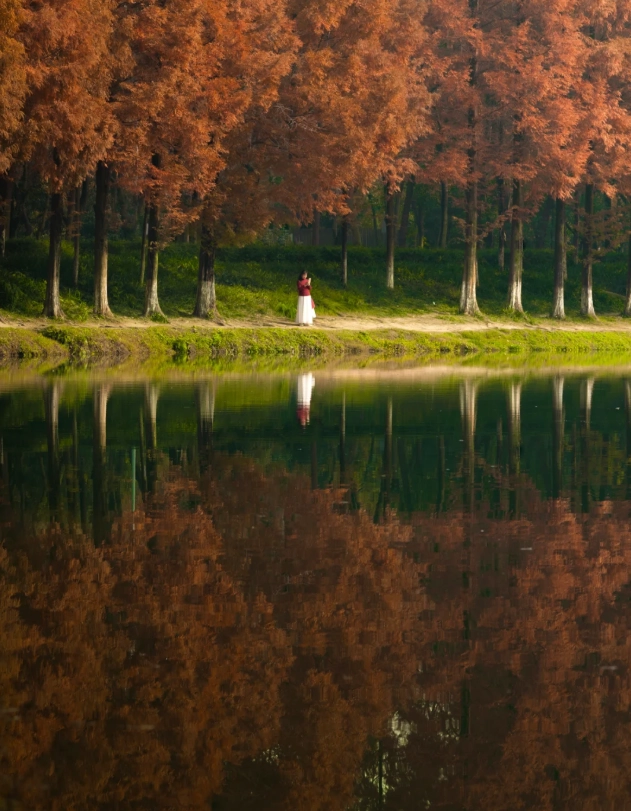
The Autumn Food Shift
This is when hot pot transitions from a meal to a social ritual. Sitting outdoors in a huoguo (hot pot) place on a cool evening is magical. My go-to spot in autumn is Shu Jiuxiang Hotpot (Baishuitiao Store). It's popular with locals, has an English menu, and their outdoor seating area is fantastic. Order the yuanyang (split) pot so you can try both spicy and mild broths. Their fresh duck intestine and beef slices are my must-orders.
Address: 8 Baishuitiao Street, Wuhou District.
Price: 80-120 RMB per person.
Tip: Go around 5:30 PM to snag an outdoor table without the long wait that starts by 6:30 PM.
Spring as a Strong Contender: Flowers, Festivals, and a Few Caveats
March to May is a lovely second choice. The city wakes up from winter. The key here is timing within the season.
Late March to April is for flower lovers. Wangjianglou Park is famous for its bamboo, but in spring, its plum and peach blossoms are stunning. It’s far less crowded than some of the bigger tourist gardens. For a real local experience, head to the Chunxi Road/Tai Koo Li area. The streets are lined with blooming trees, and the contrast with modern architecture is perfect for photos.
May is probably the best month of spring. Warm but not hot, with more consistent sunshine. It's ideal for exploring traditional alleys like Kuanzhai Xiangzi (Wide and Narrow Alley). Yes, it's touristy, but go early in the morning (before 10 AM) and you'll have the stone courtyards and tea houses almost to yourself.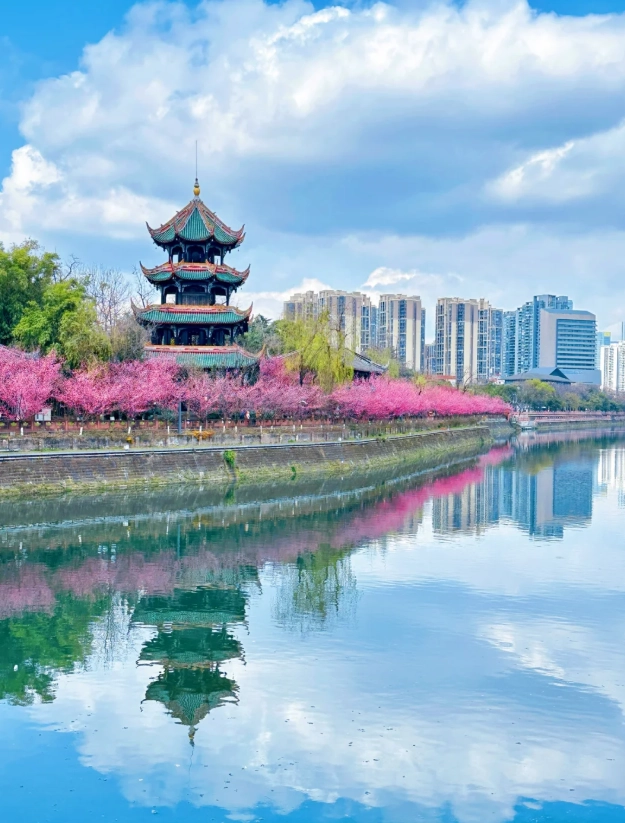
How to Survive (and Even Enjoy) a Summer Visit
Okay, you're locked into a summer trip. Maybe it's a conference, maybe it's the only school holiday. Don't panic. You can make it work with a strategic approach.
Embrace the Indoor-Outdoor Flip. Plan your days in reverse. Mornings (7 AM - 11 AM) are for major outdoor activities. Hit the panda base at opening. Then, from 11:30 AM to 4 PM, when the sun is brutal, go indoors. This is the time for the Sichuan Museum, Du Fu's Thatched Cottage (which has many shaded areas and indoor halls), or shopping in air-conditioned malls like Taikoo Li. After 4 PM, you can re-emerge for temple visits or river walks.
Escape to the Mountains. This is my top tip for summer groups. A day trip to Mount Qingcheng (the front mountain) is a temperature drop of 5-8°C (9-14°F). The forest shade and mountain streams are a lifesaver. Take the high-speed train from Chengdu to Qingchengshan Station (about 30 mins), then a short taxi to the entrance.
Summer Food Strategy: This is the season for bingfen (ice jelly) and cold noodles. A bowl of spicy, sweet, vinegary liangfen (cold bean jelly) from a street vendor is the most refreshing lunch you can have. Look for the stalls with locals queueing.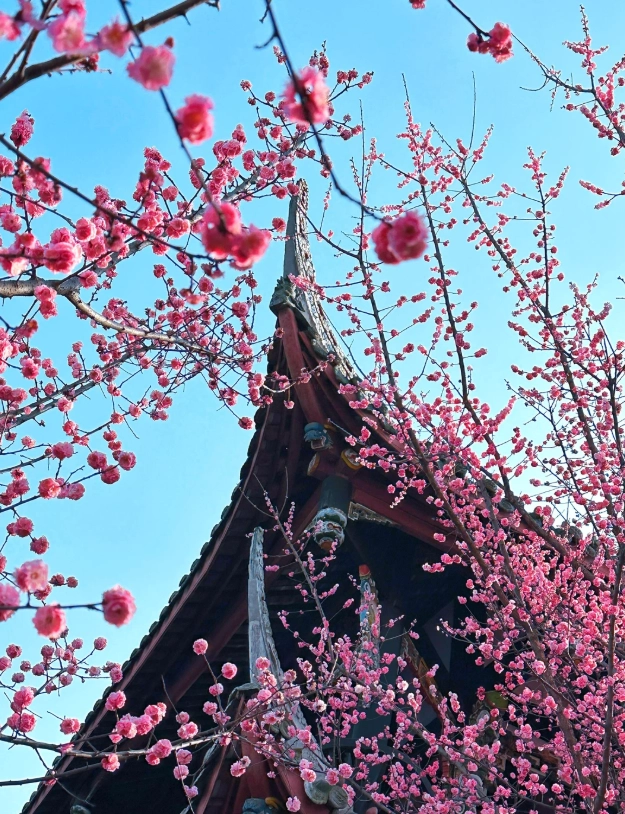
Winter Considerations: Is the Cold Worth It?
Chengdu's winter is damp. The humidity makes 5°C (41°F) feel much colder. Central heating is not standard in most buildings, so restaurants and hotels rely on AC units for heat, which can be uneven.
The Pros: Crowds are thin. You'll have the pandas mostly to yourself (though they are still less active in the cold). This is the ultimate hot pot season. The experience of gathering around a boiling pot of broth while the world outside is chilly is authentic Chengdu life. Flight and hotel prices are often at their lowest.
The Cons: The grey skies can be persistent. Gardens like the People's Park lose their lushness. Some outdoor tea houses move indoors or provide blankets, but the ambiance isn't quite the same.
If you visit in winter, pack layers, a good waterproof jacket, and warm shoes. Thermal underwear is not an overstatement. Focus on indoor cultural sites, museums, and of course, the food scene.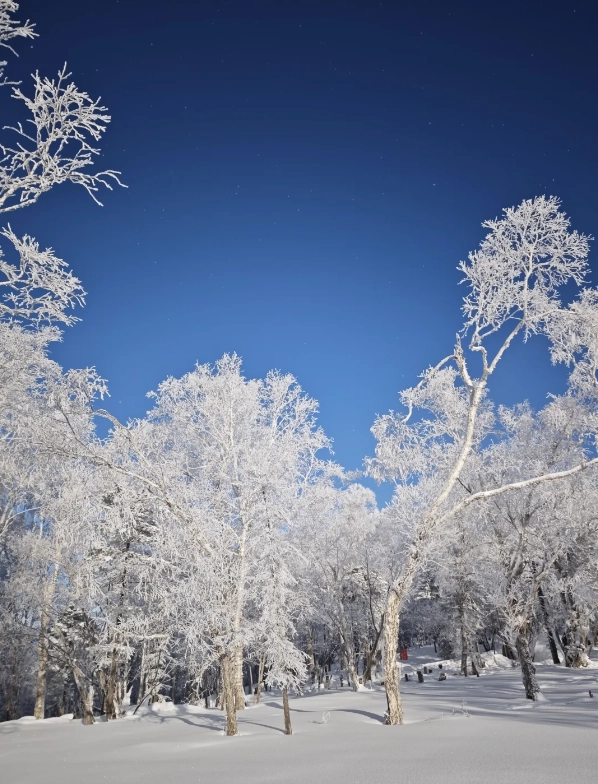
A Practical 3-Day Itinerary for the Best Season (Autumn)
Here’s exactly how I'd structure a perfect 3-day trip in October or November.
Day 1: Pandas & Ancient Alleys
7:30 AM: Arrive at Panda Base. Follow the “top-down” route I mentioned earlier.
12:00 PM: Lunch near the base or head back to the city for zhong shui jiao (Sichuan dumplings).
2:00 PM: Explore Wenshu Monastery. It's serene, free, and has a fantastic tea house in its courtyard. The monk-made vegetarian noodles here are a hidden gem.
4:30 PM: Walk to Kuanzhai Xiangzi (15 mins). The late afternoon light is great for photos. Explore, then pick one of the quieter side-alley tea houses for a rest.
7:30 PM: Hot pot dinner at Shu Jiuxiang or a similar local favorite.
Day 2: History & Riverfront Vibes
9:00 AM: Visit Jinsha Site Museum. It's less crowded than the more famous Sanxingdui (which is farther away) and houses incredible artifacts from an ancient Shu kingdom. The site itself is beautiful.
1:00 PM: Lunch in the Jinsha area.
3:00 PM: Head to Jiuyanqiao Bar Street (or the nearby Hejiangting area). Not just for nightlife—during the day, the renovated Qing-style buildings along the river are lovely to stroll. Grab a coffee with a riverside view.
6:00 PM: Sample street food at Yulin Life Square or Jiancheng Street. Try dan dan mian, chuan chuan (skewers), and egg pancakes.
Day 3: Choose Your Adventure
Option A (Culture): Day trip via high-speed train to Leshan (1 hr) to see the Giant Buddha. Book your train ticket online in advance. Take a taxi from Leshan station to the scenic area. You can view the Buddha from the riverboat (easier) or hike down for the classic toe-view (more stairs).
Option B (Nature): Day trip to Mount Qingcheng (Front Mountain). It's a mix of gentle hiking, Taoist temples, and stunning forest scenery. The cable car saves time and energy.
Option C (Relaxed City): Visit Du Fu's Thatched Cottage in the morning, then spend the afternoon in People's Park. Experience the famous Heming Tea House (get your own cup, thermos, and find a seat), watch locals dance, and try the ear cleaning service if you're curious.
Your Questions, My (Sometimes Blunt) Answers
I can only come in July or August. What's the single most important thing I should do?
Plan a day trip to a nearby mountain. Mount Qingcheng, Mount Emei, or even the closer Xiling Snow Mountain area will give you relief from the heat and humidity. Schedule it for the middle of your trip; it acts as a necessary reset. In the city, always carry a small umbrella—for both sudden rain and shade.
Is spring really that bad for air quality?
It's inconsistent, not constantly bad. Some spring days are crystal clear. The issue is you can't predict it weeks in advance. If you have respiratory sensitivities, pack a few N95 masks just in case. Late April and May generally see better air circulation than March.
We want to see pandas but hate crowds. Is winter a good alternative to autumn?
For avoiding crowds, absolutely. You'll walk right up to the enclosures. But trade-off: the pandas are less playful in the cold. They might be indoors in their heated rooms, or just sleeping in a ball. You'll see them, but you might not see the iconic panda antics. If your goal is a peaceful, crowd-free panda photo, winter works. If you want to see them active, brave the autumn crowds with an early start.
What's a "local festival" in autumn that most tourists miss?
The Mid-Autumn Festival (usually September) is celebrated everywhere, but the local twist is in the food. Look for special yuebing (mooncakes) with Sichuan peppercorn or spicy meat fillings, which are unique to this region. Also, around the National Day holiday (early Oct), many parks have free chrysanthemum flower exhibitions. They're low-key and mostly visited by locals enjoying the cool weather.
How should I dress for autumn in Chengdu?
Layers. A typical October day starts at 15°C (59°F) in the morning, warms up to 22°C (72°F) in the sunny afternoon, and drops back down in the evening. A t-shirt, a light sweater or fleece, and a windbreaker or light jacket you can take off is the perfect combo. Comfortable walking shoes are non-negotiable.
At the end of the day, Chengdu is a city of life that pulses in every season. But your experience is shaped by the weather. Target autumn for the all-rounder champion trip, use spring for its floral charm, and approach summer and winter with smart, adjusted plans. Book your key accommodations and fast train tickets earlier if you're coming in peak season (autumn, holiday weekends).
This article is based on my personal, on-the-ground experience guiding tours in Chengdu throughout the year. Details like prices and transport are current at the time of writing.





This guide is an absolute gem. I’ve been living in China for three years and still learned new things — like the ‘golden week’ avoidance strategy and the exact week when the Huanglong rainbow pools are most vibrant (late October). Followed their packing list for mid-autumn and was perfectly comfortable. My girlfriend and I even proposed at the Jinli Ancient Street at sunset, just like the author suggested. Couldn’t recommend it more.
Great read! Used it to plan a late-April trip and everything lined up nicely. The guide’s tip about visiting the Wuhou Shrine early to avoid tour groups worked like magic. Prices for hotels and airfare were reasonable too, though I wish they’d included a budget breakdown. Still, the honest take on each season helped me choose spring over autumn — no regrets. Four stars from me.
Honestly a bit disappointed. The guide hyped up summer as the ‘festival season’, but June was unbearably humid and I got eaten alive by mosquitoes at the teahouse. Also, they said the hotpot would be refreshing in the heat — no, it made me sweat even more. Maybe winter is better? I wouldn’t rely on this guide if you’re sensitive to weather. Three stars for the effort, but some advice backfired.
Solid guide overall, but I wish they’d mentioned the cherry blossom timing more precisely. I arrived in early March hoping for spring blooms, but the trees were still bare. That said, the tips on layering clothes and avoiding tourist traps were helpful. Ended up having a great time at the Leshan Giant Buddha day trip they recommended. Just docked a star because of the seasonal mismatch.
Read this guide before my October trip and it was spot on. The weather was crisp, the ginkgo trees along Renmin South Road were glowing gold, and I practically had the Giant Panda Base to myself on a weekday morning. The author’s advice to skip the summer crowds and aim for autumn is pure gold. Tried the street food stalls they mentioned near Kuanzhai Alley — best dan dan noodles I’ve ever had. Five stars, no hesitation.