 Peng Gao
The tour bus engines fade as you step away from the Qianling Mausoleum parking lot. The silent grandeur of Empress Wu Zetian's tomb complex is behind you. Now, you're facing a different kind of reality: a dusty road lined with a few low-slung buildings, a couple of trucks rumbling by, and the faint, tempting smell of vinegar and fried dough cutting through the dry Shaanxi air. There's no fancy food street here. No neon signs in English. Just the everyday lunch spots where the museum staff, taxi drivers, and farmers from nearby villages eat. This is where you find the food that fuels the region, not the curated tourist experience. Forget the generic "Shaanxi snacks" you get in Xi'an. This guide is about what to eat right here, in Qian County, after you've paid your respects to history.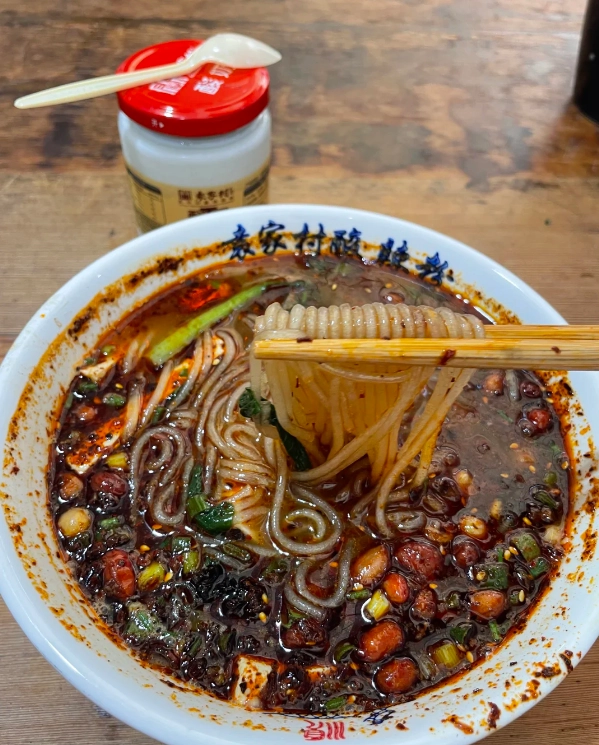
Your Quick Bite-Sized Guide
Understanding Qian County's Food Scene
Let's be clear: Qian County is not a culinary capital. It's a working county town. The food is hearty, wheat-based, and designed for farmers and laborers. Noodles are king. The flavors are robust—sour from aged vinegar, savory from meat broths, and a sharp, clean heat from fresh chili oil, not the numbing mala of Sichuan. You won't find delicate dumplings or complex sauces. You'll find chewy, hand-pulled noodles in a steaming, vinegary broth, and thick, crispy flatbreads meant to be torn and dunked. The best places are often just a single room with a few plastic tables, the menu scrawled on a blackboard or simply existing in the cook's mind. Your goal isn't fine dining; it's experiencing the genuine, unvarnished comfort food of this specific corner of Shaanxi.
A Note on Atmosphere: Don't expect ambiance. Expect fluorescent lights, worn linoleum floors, and the sound of dough being slapped on a counter. The cook is often the owner. The hygiene is basic but clean where it counts—the food is cooked fresh and served hot. This is part of the authenticity. If you need a spotless, quiet cafe, you're in the wrong place. Embrace the functional, no-frills vibe.
Top Eats Near Qianling Mausoleum
After several visits, I've narrowed down the must-try dishes and the types of places you'll find them. You won't see official "restaurant names" in Roman letters. You'll identify them by what's cooking out front.
Qian County Sour & Spicy Noodles (乾县酸汤面, Qiánxiàn Suāntāng Miàn)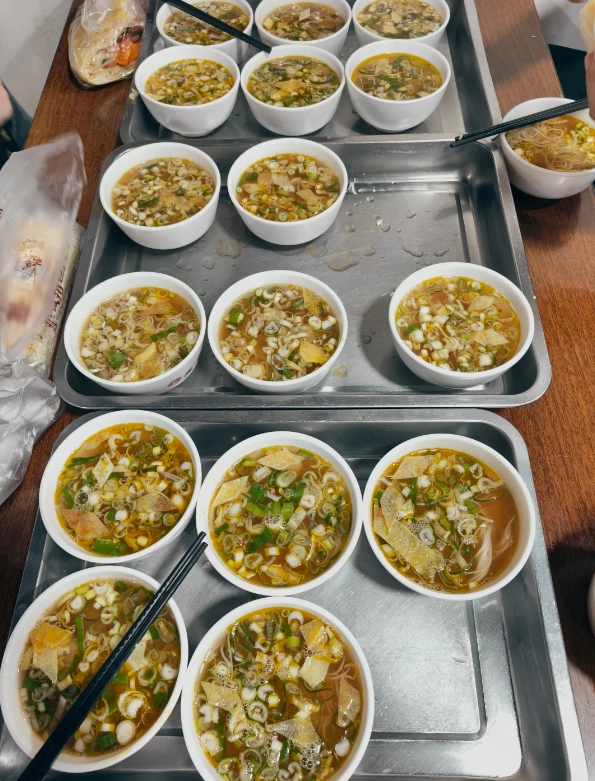
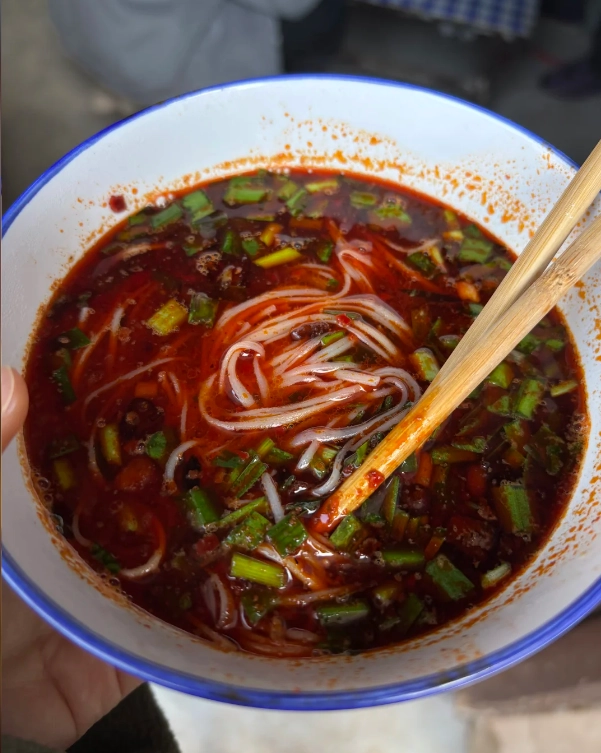
This is the signature. I walked into a humble shop just outside the main visitor parking area, drawn by the sight of a man pulling strands of dough with incredible speed. The room was warm and humid from the boiling pots. No menu. I just said "suāntāng miàn" and held up one finger. Ten minutes later, a massive bowl arrived. The broth is a clear, amber-colored vinegar-based soup, surprisingly complex—sour first, then a slow-building warmth from chili oil, with a background sweetness and a strong scent of cilantro and green onion. The noodles are thick, irregular, and gloriously chewy. You'll see locals adding a generous spoonful of raw garlic paste from a jar on the table. Do it. It's transformative.
- What to expect: A large bowl of noodles in a vinegary, spicy broth with minced pork, seaweed strips, cilantro, and scallions.
- Texture & Taste: Chewy noodles, sour (like a good vinaigrette), mildly spicy, savory, fragrant.
- Price & Practicalities: About ¥15-20 ($2-$3 USD). Served from late morning until mid-afternoon. These shops often close once the dough runs out. Basic plastic seating.
The Ultimate Comfort Food: Qianxian Guokui (乾县锅盔, Qiánxiàn Guōkuī)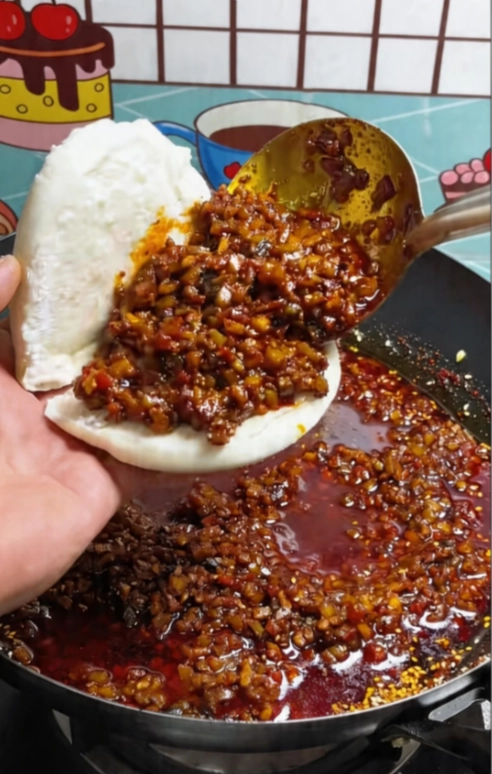
This isn't the thin, crispy shaobing you get elsewhere. Qian County's guokui is a beast—a dense, round flatbread about an inch thick and the size of a dinner plate. It's baked in a traditional barrel oven, resulting in a crust that's deeply browned, crackly, and blistered, while the inside remains soft and layered. It's faintly salty and has a wonderful wheaty, toasty aroma. You don't eat it plain. You tear off chunks and dip them into everything—your noodle soup, a bowl of chili oil, or the simple sauce from a cold vegetable dish. I bought one from a street-side baker for ¥8 (about $1) and it lasted me two days. It's the perfect, sturdy travel food.
Cold Dishes & Snacks
Look for glass display cases filled with various cold dishes. This is where you'll find Liangpi (凉皮)—cold, slippery rice noodles tossed in a vibrant sauce of chili oil, vinegar, and mustard oil, often with bean sprouts and cucumber. The Qian County version tends to be heavier on the vinegar and less sweet than the Xi'an style. Liangfen (凉粉) is another option—jelly-like blocks made from mung bean or pea starch, served in a similar spicy, sour sauce. They're refreshing, especially on a warm day. A small portion costs around ¥8-10 ($1-$1.5).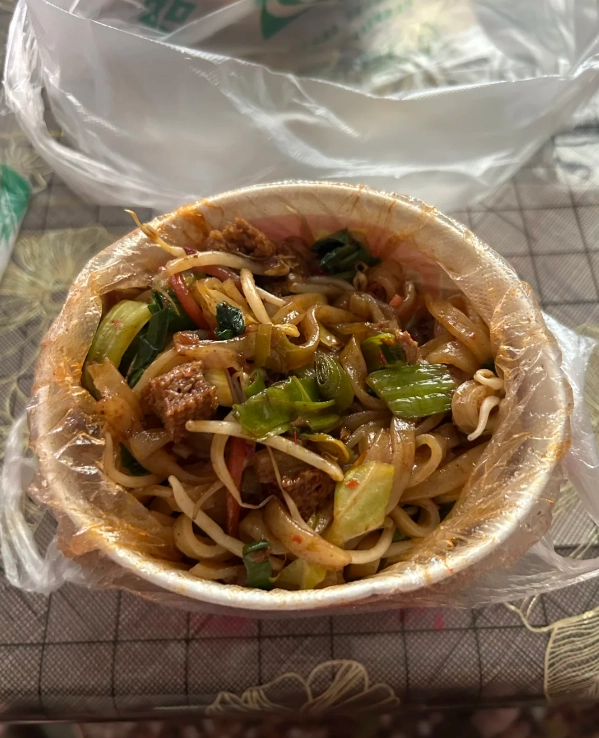
| Dish (English / Pinyin) | Key Flavors | Best Paired With | Approx. Cost (USD) |
|---|---|---|---|
| Qian County Sour & Spicy Noodles / Suāntāng Miàn | Sour, spicy, savory, garlicky | On its own as a full meal | $2 - $3 |
| Qian County Flatbread / Guōkuī | Toasty, wheaty, slightly salty | Dipped in noodle soup or sauces | $1 - $1.5 |
| Cold Skin Noodles / Liángpí | Spicy, sour, numbing (mustard oil), refreshing | As a starter or light lunch | $1 - $1.5 |
| Stewed Pork on Rice / Kǎo Ròu Fàn | Rich, fatty, savory, soy-based | A simple, filling rice bowl | $2.5 - $4 |
How to Order and Eat Like a Local
This is where most travelers freeze up. Here’s how to navigate it without stress.
Step 1: The Visual Order. If there's no English menu (there won't be), look around. See what other people are eating. Is everyone having a big bowl of noodles? Point to it and smile. Say the name if you can: “Suāntāng miàn” for the sour noodles, “Liángpí” for the cold noodles. They will understand.
Step 2: Portion Control. Hold up fingers for quantity. One finger, one bowl. It’s universal.
Step 3: Customization (The Pro Move). Want it less spicy? Say “bù yào tài là” (不要太辣). Can't handle vinegar? “cù shǎo yīdiǎn” (醋少一点). They might not adjust perfectly, but they’ll try.
Step 4: The Table Setup. You'll usually get chopsticks and a spoon. There will be communal condiments: a jar of chili oil, a bottle of vinegar, raw garlic paste, and sometimes salt. Season to your taste. The locals do.
I remember sitting next to an older farmer who was devouring his noodles. He expertly used his chopsticks to lift a huge clump, blew on it twice, and then slurped it loudly into his mouth, followed by a spoonful of broth. Do the same. Slurping is not rude here; it’s how you cool the noodles and get the full aroma.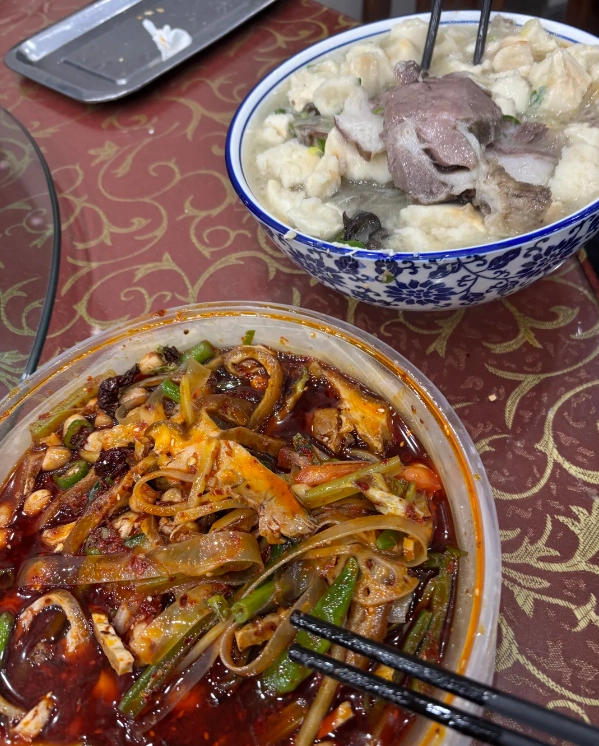
Practical Tips for Your Food Adventure
- Timing is Everything: The best, freshest food is served during local meal times: lunch from 11:30 AM to 1:30 PM. Many small places sell out and close by mid-afternoon. Don't plan a late food hunt.
- Cash is King (Still): While WeChat Pay and Alipay are ubiquitous, having some small Chinese yuan notes (¥5, ¥10, ¥20) is a safe bet for the most basic stalls. It’s faster and avoids any connection issues.
- Hydration: The food can be salty. Buy bottled water from a small grocery store. Do not drink tap water.
- Location Cluster: The highest concentration of simple eateries is on the road leading away from the main Qianling Mausoleum ticket area and parking lot, towards the town of Qianxian. Walk for 5-10 minutes and you'll see your options.
- Manage Expectations: This is not a gourmet pilgrimage. It’s a slice of local life. One fantastic bowl of noodles and a piece of incredible flatbread constitutes a major win.
Answers to Your Food Questions
No. Stick to bottled water, which is cheap and available everywhere. Even locals boil their tap water. In restaurants, they will provide boiled water or tea, which is safe.
Most places will have spoons, and for noodle soups, a spoon is actually essential for drinking the broth. For the noodles themselves, you can ask for a fork (“chāzi”). They might have one. If not, don't be embarrassed to use the spoon to scoop up noodles. It's messy but works. Watching a quick video on basic chopstick technique for grabbing (not stabbing) noodles before your trip helps immensely.
 How do I pay if a stall doesn't accept cards or my mobile payment fails?
This is why having cash is your safety net. Before you order, it's smart to look for the QR codes for WeChat Pay or Alipay, usually displayed prominently. If you don't see them, have your cash ready. A simple “duōshǎo qián?” (多少钱? How much money?) after you finish eating will get you the price.
It's challenging. Vegetarian options exist—liangpi can be made without meat, and there are simple stir-fried vegetable dishes. However, broths are often meat-based (even if you don't see meat), and cross-contamination is certain. Gluten-free is nearly impossible, as wheat is the foundation of the local diet (noodles, flatbreads). Your safest bet is plain rice, steamed vegetables from a more proper restaurant in Qianxian town, or planning your main meals back in Xi'an where there are more specialized options.
Focus on stalls where the food is cooked to order at high heat—like noodles boiled right in front of you or flatbreads coming straight out of a hot oven. Avoid pre-cut fruit or room-temperature items. The vinegar and chili in many sauces have preservative qualities. My rule: if the place is busy with locals, that's a good sign. Their regular patronage means the turnover is high and the food is fresh. I've eaten at these simple Qian County spots multiple times and never had an issue, but everyone's stomach is different. Come prepared with your own medication just in case.
This article is based on multiple visits to the Qianling Mausoleum and surrounding Qian County area. Descriptions of dishes, prices, and practices were observed firsthand and are accurate as of the time of writing. Always check current opening times locally.
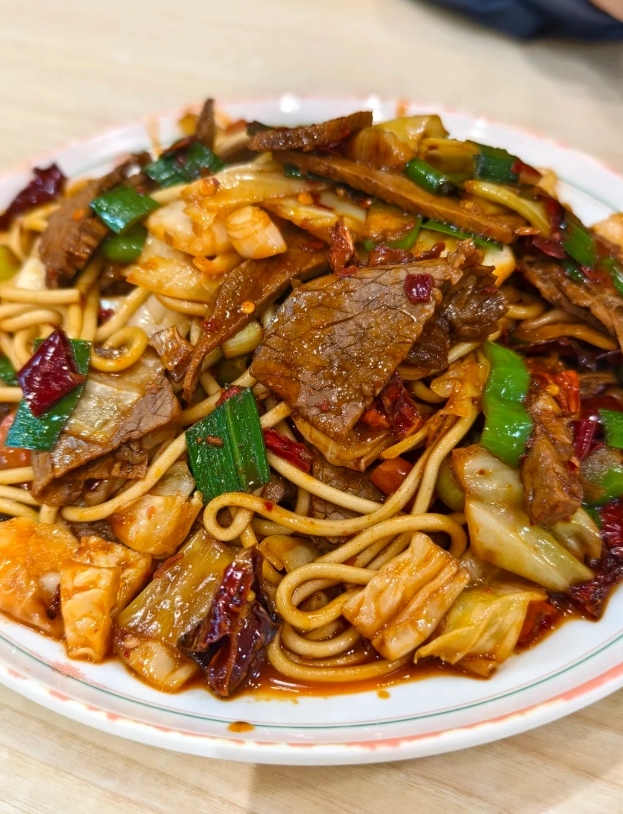





My wife and I loved the food guide we picked up at the tourist info center—it led us to a hidden noodle joint that served the most amazing hand-pulled noodles in beef broth. The noodles had that perfect chewy texture and the broth was deeply savory. Even the pickled vegetables on the side were addictive. We went back the next day for lunch again. Absolutely worth the detour!
Hands down the best meal of our trip! We stumbled into a small family-run restaurant and ordered the乾州豆腐脑 with extra cilantro and chili—it was perfection. So silky and comforting on a cold afternoon. The owner came out to chat with us and explained how they make the broth from scratch. Left with a full belly and a huge smile. Don't miss the sesame flatbread either!
Absolutely blown away by the street food scene near the mausoleum! The stall selling spicy cold noodles and fried dough twists was incredible—perfectly balanced heat and crunch. The vendor was super friendly and even gave us a free sample of their homemade chili oil. I wish I had room to try everything. If you're in Qian County, this is a must-do food stop. 10/10 recommend!
Decent spot for a quick bite after exploring the tombs. Ordered the lamb paomo and it was flavorful, though the broth could have been richer. The guokui (flatbread) was crispy and fresh, which saved the meal. Service was fine, but the place felt a bit touristy and prices were slightly higher than expected. If you're hungry and nearby, it'll do, but I wouldn't go out of my way.
Came here after visiting the Qianling Mausoleum and was really looking forward to some local food. The乾州豆腐脑 was okay—the texture was smooth but the seasoning felt a bit bland. The restaurant was super crowded and we had to wait 40 minutes just to get a seat. The staff seemed rushed and forgot our order twice. Not a terrible experience, but definitely not worth the hype I read online.
Perfect companion for a day trip to Qian County! The guide pointed us to a hidden snack street where we had crispy fried dough sticks and a bowl of steaming hot ‘yangza tang’ (lamb offal soup). Everything was fresh, affordable, and full of local flavor. Even the dessert stall with candied hawthorn was a pleasant surprise. Definitely worth four stars – would be five if it had more photos of the dishes.
I appreciate the effort behind this food guide, but some of the locations were hard to find – the map references were a bit vague. The douhua (tofu pudding) we ended up trying was okay, but nothing special. I’d say it’s a decent starting point if you have time to wander, but not a must-follow. Three stars for average execution.
The guide led us to a family-run noodle place that served the best biangbiang noodles I’ve ever had. The owner was super friendly and showed us how they pull the dough. The portion was huge and the price was a steal. Honestly, this little guide turned a regular sightseeing day into a culinary adventure. Highly recommended!
I tried the ‘Qianxian Guokui’ (bread) recommended here and honestly, it was way too dry for my taste. Maybe I got a bad batch, but the texture felt like biting into cardboard. The guide is well written but the execution at the actual stall was disappointing. Three stars – decent directions but the food didn’t live up to the hype.
We followed this food guide on a rainy afternoon and it was spot on! The local lamb soup at the small stall near the east gate was incredible – rich, hearty, and just what we needed. The guide even mentioned the secret chili oil they add; totally worth hunting down. Five out of five for making our trip to Qian County truly memorable through food.
Tried a family-run restaurant recommended in the guide that serves '乾州四宝' – the four local specialties. The steamed lamb with millet was unique and comforting, and the cold noodles had a nice tangy kick. The owner came out to explain the history behind each dish, which made it feel special. Nice balance of food and culture. Four stars because the braised tofu was a bit too salty for my taste.
The food guide was helpful overall, but the 'famous' lamb skewer place was overcrowded and overpriced. The skewers themselves were okay – a bit dry, not much smoke flavor. I've had better street food in Xi'an for half the price. If you're in a rush, it works, but don't expect mind-blowing barbecue.
Stopped at a roadside stall selling youtiao and soy milk after reading the guide – absolute gem! The oil sticks were crispy on the outside, fluffy inside, and the soy milk was freshly ground. The vendor even gave us a little bag of fried dough twists for free. Such a warm, genuine experience. Highly recommend exploring the smaller spots near the mausoleum.
The guide recommended a 'local favorite' dumpling place, but honestly it felt like a tourist trap. The dumplings were doughy and the filling was bland. Service was slow and the waitress seemed annoyed we didn't speak Chinese. For the price, I expected way more. Maybe I just picked a bad day, but I'd skip this one.
We followed the food guide for Qianling and ended up at a tiny noodle shop near the mausoleum entrance. The hand-pulled noodles with lamb broth were absolutely phenomenal – rich, earthy, and perfectly seasoned. The owner didn't speak English but smiled and showed us how to add chili oil. Honestly one of the best meals I've had in China. Five stars for authenticity and taste!