 Fang Wang
You're planning your Shanghai trip and Tianzifang is on the list. But how long do you actually need there? I've lost count of my visits, gotten deliberately lost in its alleys, and watched it change over time. The short, frustratingly common answer is "it depends." But let's get specific. For most visitors, a focused 2 to 4 hours is the sweet spot. That's enough to feel its vibe, snap some photos, browse shops, and grab a bite without feeling rushed or bored. However, your ideal time shifts dramatically based on what you want to do. Are you a photographer hunting for the perfect shot? A serious shopper looking for unique gifts? Or someone who just wants to soak in the atmosphere? I'll break it all down.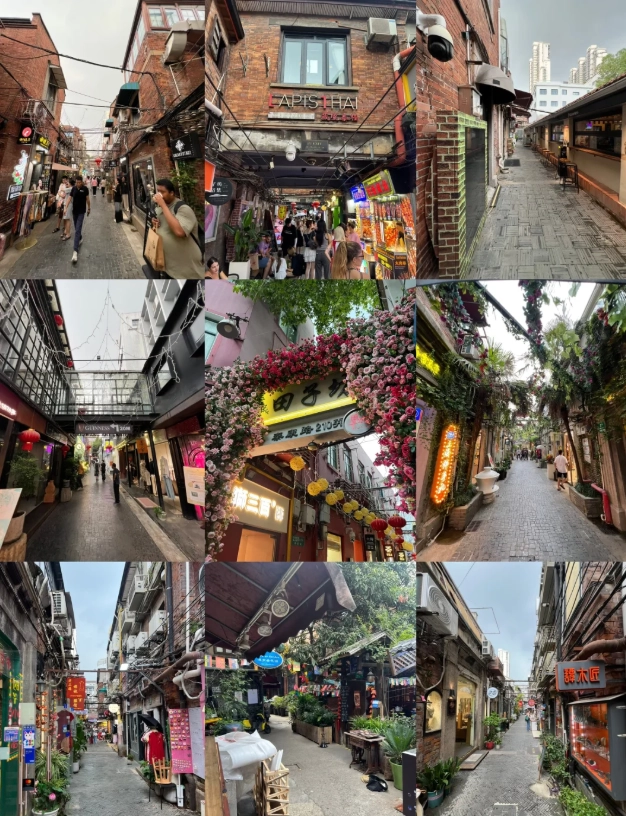
Quick Navigation: Find Your Perfect Tianzifang Timeline
The Short Answer for Most Visitors
If you're a first-timer with general interest, block out 3 hours. This isn't a massive museum; it's a compact, walkable maze. With 3 hours, you can comfortably explore the main and secondary lanes, pop into a dozen interesting shops or galleries, stop for a coffee or local snack, and take plenty of photos. You won't see every single alley, but you'll get the authentic experience. Rushing through in under 90 minutes means you'll only see the crowded main arteries and likely leave frustrated. Spending over 4 hours, unless you're dining or shopping seriously, often leads to repetition—you'll start seeing similar souvenir shops and feel the area's small size.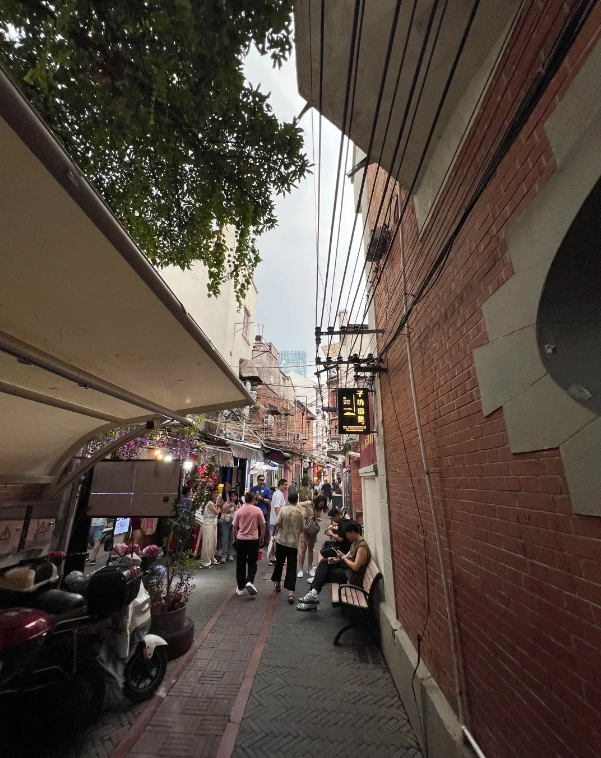
A Quick Reality Check
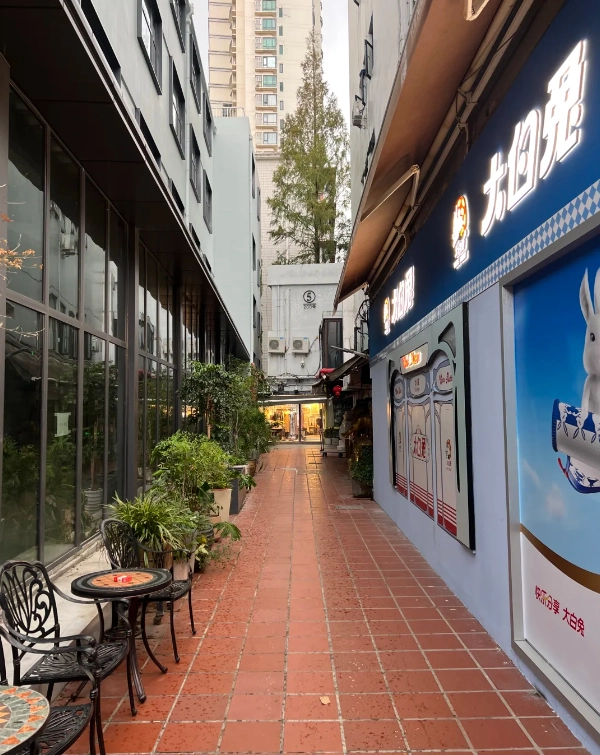
Tianzifang is not an "attraction" with an entrance gate and a linear path. It's a living, working neighborhood—a labyrinth of renovated shikumen (stone-gate) houses. Your pace is dictated by crowds, your curiosity, and how often you stop. My first visit, I budgeted 90 minutes and felt cheated. I saw only the tourist strip on Taikang Road. On my third visit, I wandered aimlessly for 4 hours and discovered my now-favorite hidden ceramic studio in a quiet back alley. The time you need is directly tied to your willingness to explore beyond the obvious.
Detailed Time Breakdowns for Different Travelers
Let's move past averages. Your travel style dictates the clock.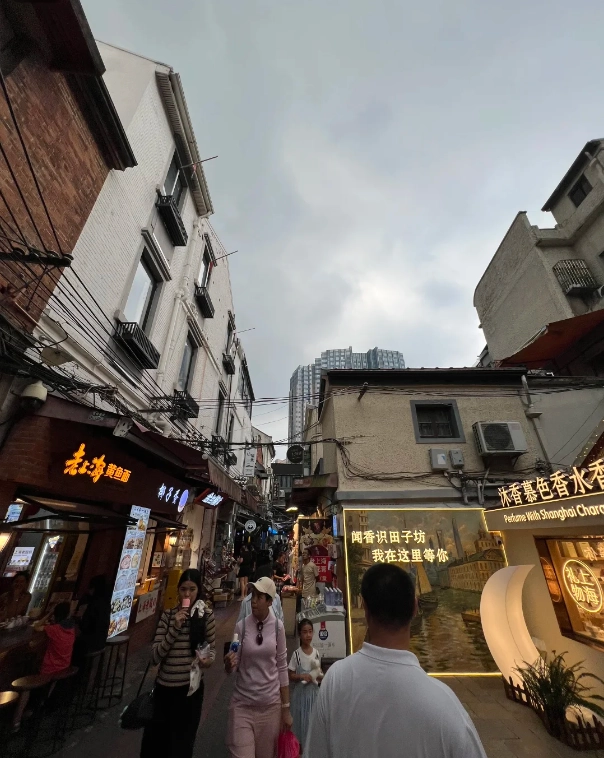
For the Photographer
You'll need a minimum of 2.5 hours, ideally closer to 4. The light is everything. Early morning (8:30 AM - 10:30 AM) is golden—literally. The sun angles into the narrow alleys, creating dramatic shadows on the brickwork, and the delivery tricycles and locals starting their day add authentic life. You'll have space to set up shots without crowds. Late afternoon (3:30 PM onwards) offers another great window with warm light. Midday light is harsh and the lanes are packed, making photography a battle. Don't just shoot the famous vine-covered walls. Look for details: rusting bicycles, colorful doorways, artisan workshops, and the contrast of laundry hanging between traditional tiles. I've spent a full hour just on Lane 210, where the light hits perfectly around 4 PM.
For the Shopper & Browser
Budget 2 to 3 hours. Tianzifang's shops are a mix of genuine artisan studios and mass-market souvenir stalls. The good stuff takes time to find. You'll want to explore lanes like 248 and 274 for more unique, independent designers. Be prepared to browse slowly. A common mistake is buying the first "Shanghai" magnet you see. Prices and quality vary wildly. If you're looking for serious pieces—custom jewelry, original paintings, high-quality silk—you could easily spend 4 hours talking to artists and deliberating.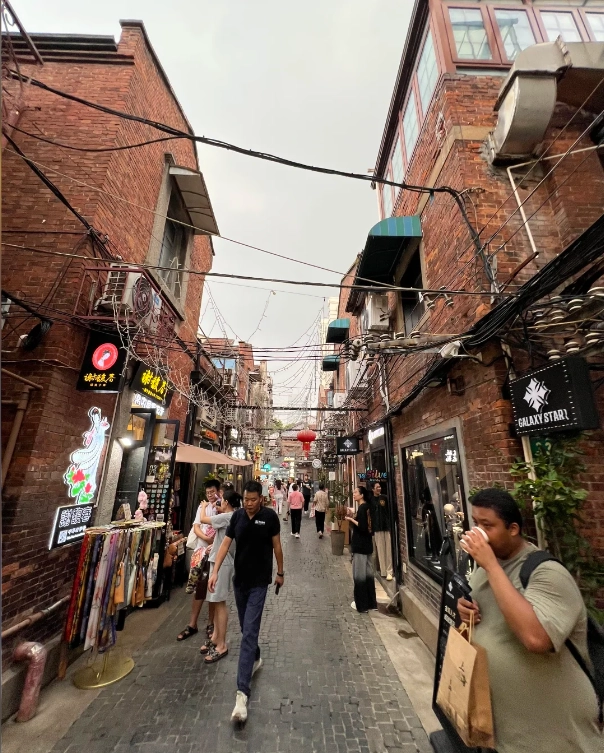
For the Foodie
This is a tricky one. For just snacks and a drink (a bubble tea, steamed buns, ice cream), add 30-45 minutes to your browsing time. For a proper sit-down meal in one of the popular rooftop or terrace restaurants, you must allocate 1.5 to 2 hours just for dining. Service can be leisurely, and securing a table at peak times takes patience. My advice? Don't come to Tianzifang *primarily* for a meal. Come to explore, and let a meal be a pleasant break within your visit.
For the "Just Want to See It" Visitor
You're pressed for time, maybe on a layover or a packed city tour. You can get a 90-minute whistle-stop tour. Enter from Taikang Road, walk up the main lane (Lane 210), take a couple of turns into the parallel alleys, feel the cramped, creative atmosphere, take a few iconic photos, and exit. You'll get the gist, but you'll miss the depth. It's better than skipping it, but manage your expectations.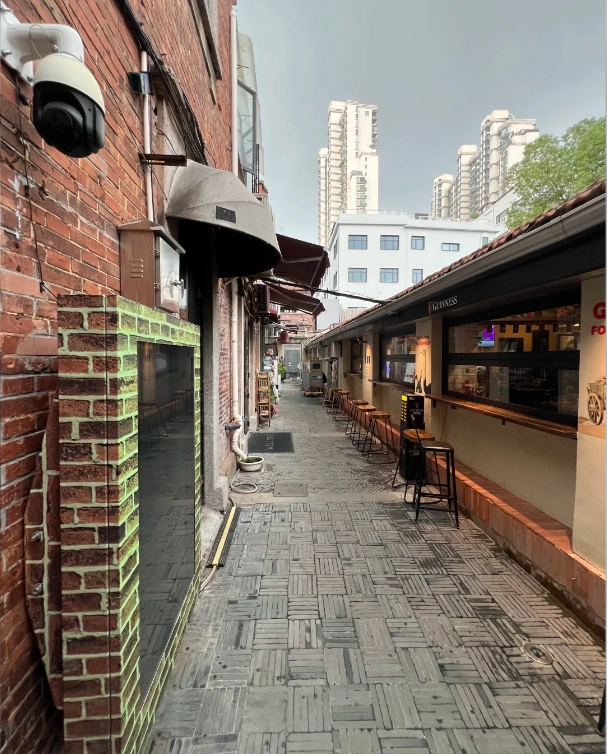
What Really Affects Your Visit Time: Crowds, Weather, Entry Point
Your planned 2 hours can stretch to 3 or shrink to 1 based on factors you can partially control.
| Factor | Impact on Time | How to Mitigate |
|---|---|---|
| Time of Day & Week | Huge. Weekends and holidays after 11 AM are a slow-moving human river. Your pace halves. Weekday mornings are relatively clear. | Visit on a weekday morning (opens 10 AM, but shops open gradually). If you must go on a weekend, aim for before 11 AM or after 7 PM. |
| Weather | Rain keeps crowds down but makes alleyways damp and less pleasant for browsing. Extreme heat or cold can shorten your tolerance. | A light drizzle is okay—bring an umbrella. Avoid heavy rain. Extreme weather means you'll likely want to be indoors (cafes/shops) more. |
| Your Entry Point | Most people enter from the main Taikang Rd gate. It's immediately crowded. Starting from a quieter side entrance changes your whole experience. | Enter from Jianguo Middle Road (near the Sinan Mansions side). You'll hit the artistic studios first and work your way towards the bustle. |
| Getting Lost | Inevitable and part of the fun. It can add 30+ minutes of discovery or frustrating backtracking. | Don't fight it. Use getting lost as exploration. The area is small; you'll always pop out somewhere familiar. Have a map app handy just for general orientation. |
Putting It Together: Sample Half-Day Itineraries
Here’s how a real visit flows. These are templates you can adapt.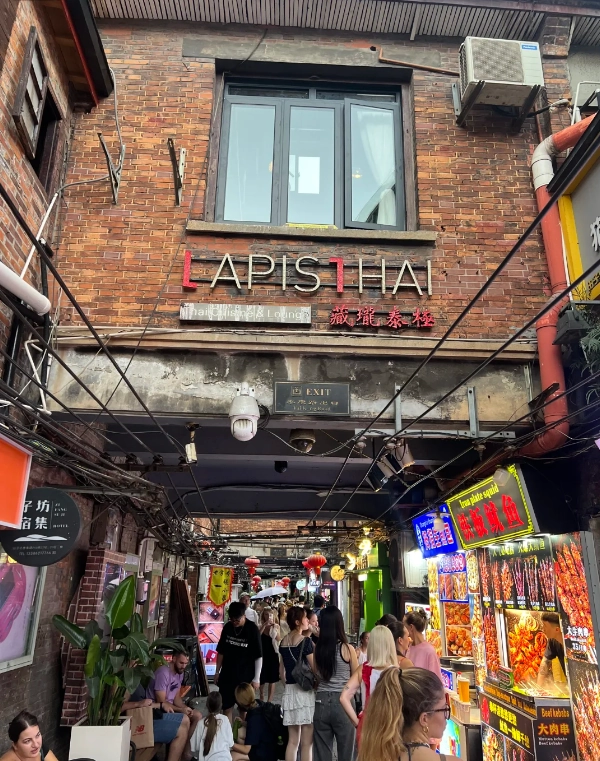
The Classic 3-Hour Experience (Weekday Morning)
- 10:00 AM: Enter from Jianguo Middle Road side. The streets are quiet. Wander slowly through Lanes 248 and 274. Peek into artist studios, watch a potter at work.
- 10:45 AM: Find a cozy café for a mid-morning coffee. The ones with tiny second-floor balconies are gems.
- 11:15 AM: Head towards the busier core (Lane 210). Browse the more eclectic shops, buy a small souvenir.
- 12:00 PM: Grab a quick local lunch—maybe some shengjianbao (pan-fried buns) from a street window or a simple noodle dish.
- 12:45 PM: Take your final photos as the midday light starts to fill the alleys, then exit before the afternoon crowds fully arrive.
The Leisurely 4-Hour Exploration (With Lunch)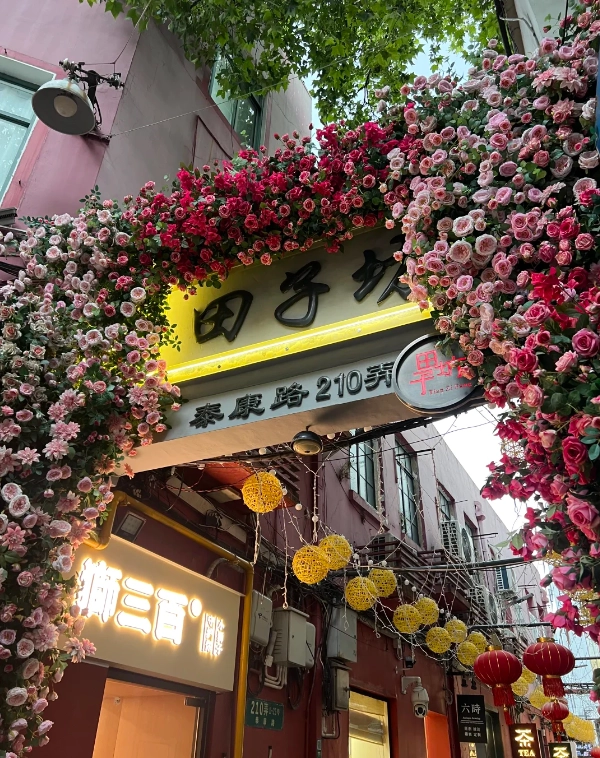
- 11:00 AM: Enter from Taikang Road (accept the crowds). Dive into the first interesting side alley you see.
- 12:30 PM: Secure a table at a terrace restaurant for a long, people-watching lunch. This is your rest period.
- 2:00 PM: Dig deeper. Find the less-traveled lanes north of Lane 210. This is where you discover the quiet residential corners mixed with workshops.
- 3:00 PM: Visit a specialty shop you noted earlier—perhaps a tea merchant or a custom perfume maker—for a more serious purchase.
- 3:30 PM: Enjoy a final drink at a hidden bar or tea house as your visit winds down.
Getting to Tianzifang & Practical Info
Knowing this saves time and stress on the day.
Address: No single address. The core is around Taikang Road, between Jianguo Middle Road and Ruijin No. 2 Road. Huangpu District, Shanghai.
Opening Hours: This is crucial. The streets are always open. Individual shops, cafes, and restaurants set their own hours. Generally:
- Most shops open between 10:00 AM and 11:00 AM.
- They close between 8:00 PM and 10:00 PM.
- Some bars may stay open later.
- Mornings before 10:30 AM are for photography and atmosphere; shopping happens later.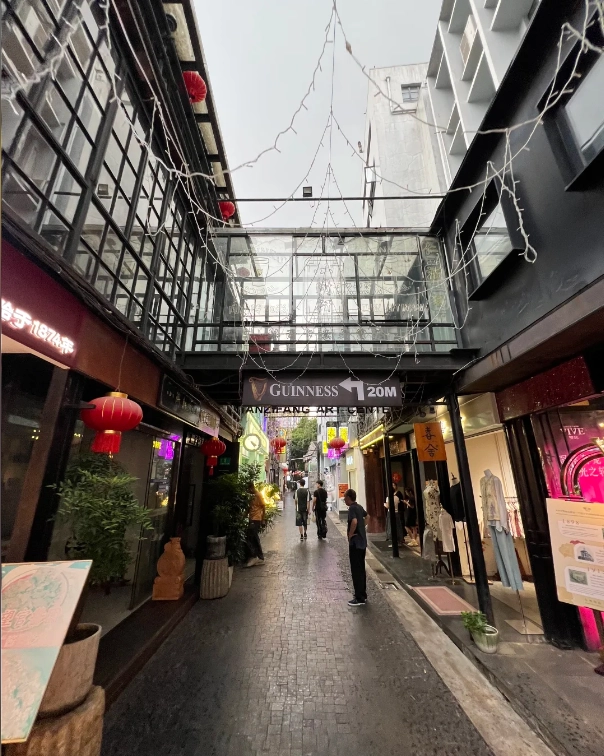
Admission Fee: None. It's a public pedestrian area.
How to Get There:
- Metro (Easiest): Line 9 to Dapuqiao Station, Exit 1. Walk 5 minutes. Or Line 13 to Madang Road Station.
- Taxi: Say "Tianzifang, Taikang Lu" to the driver.
- Avoid driving; there's no convenient parking.
Your Tianzifang Questions Answered
 This guide is based on extensive personal visits and observations. Details regarding shop openings and crowd patterns are subject to change but reflect consistent long-term patterns.





No comments yet.