 Yan Zhou
Let's cut to the chase. Is Yu Garden worth your time in Shanghai? The short answer is a conditional yes, but it completely depends on how you visit. On my first trip, I rushed in at noon, got swept away in a sea of tour groups, paid for overpriced trinkets, and left wondering what all the fuss was about. Later visits, armed with local tips and better timing, revealed a completely different place—a serene, intricate masterpiece of Ming Dynasty garden design hiding in plain sight. This guide isn't just a list of facts. It's my personal blueprint for how to experience Yu Garden properly, so you can decide if it fits your Shanghai itinerary.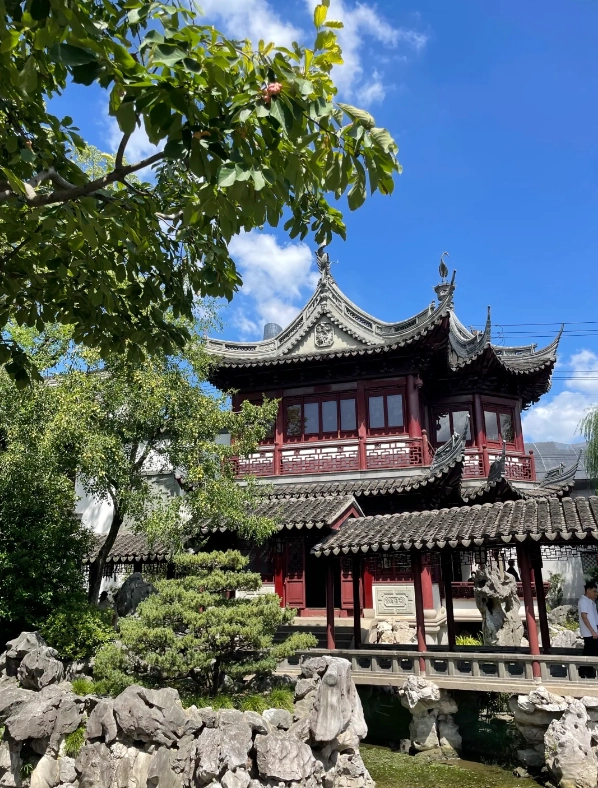
What's Inside This Guide
- What Exactly Is Yu Garden (And What It Isn't)
- The 5 Things That Make Yu Garden Worth It
- Yu Garden Tickets, Hours & Location: The Essential Info
- How to Get to Yu Garden: The Easiest Routes
- Crafting Your Perfect Yu Garden Itinerary
- My Personal Tips for a Better Visit
- Your Yu Garden Questions, Honestly Answered
What Exactly Is Yu Garden (And What It Isn't)
Yu Garden, or Yuyuan, is a 400-year-old classical Chinese garden built during the Ming Dynasty by a government officer for his parents. It's not a vast park. Think of it as a condensed, artistic interpretation of the natural world—a philosophy known as "borrowed scenery." Every rock, pond, pavilion, and winding wall is meticulously placed to create a series of hidden vistas and evoke specific emotions.
Here's the crucial distinction many miss: Yu Garden itself is the paid-ticket area, the walled classical garden. Surrounding it is the Yuyuan Tourist Mart (often called the Yu Garden Bazaar), a free-to-wander maze of shops, snack stalls, and the famous Huxinting Teahouse. This bazaar is bustling, commercial, and fun in its own right, but it's not the historical garden. Confusing the two leads to disappointment. You come for the peaceful, artistic retreat inside the walls, not just the crowds and souvenir shops outside.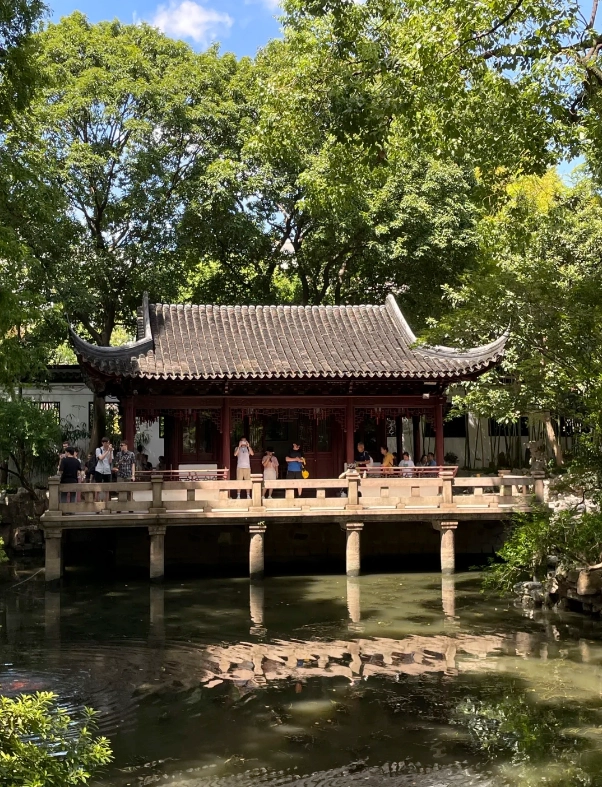
The 5 Things That Make Yu Garden Worth It
If you visit with the right expectations, these are the elements that truly shine.
1. The Exquisite Rockery: A Mountain in Miniature
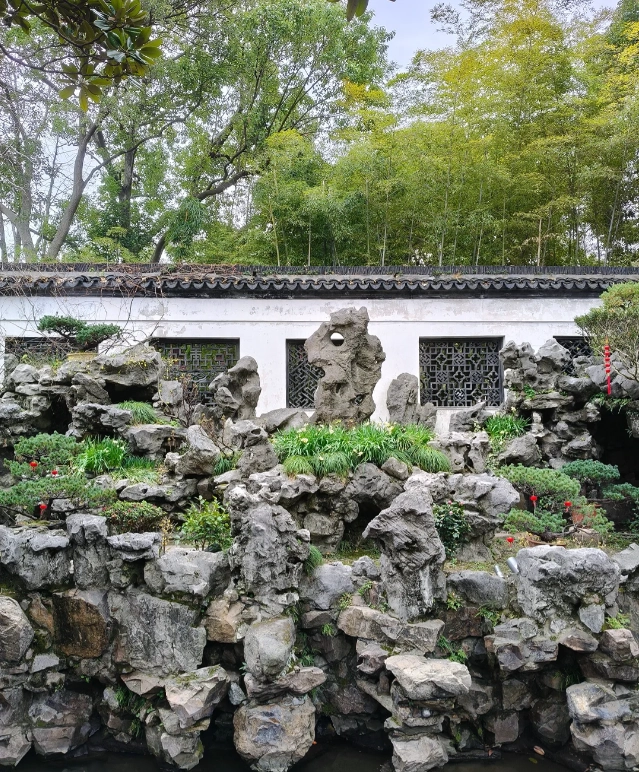
The Great Rockery, just inside the entrance, is the garden's centerpiece. It's not just a pile of rocks. It's a 12-meter-high artificial mountain made from rare, porous Huangshi stones, designed to mimic the peaks and caves of real landscapes. I spent twenty minutes here just finding new angles. The path winds through it, offering constantly shifting views. Look for the tiny, gnarled trees growing from crevices—they're centuries old.
2. The Huxinting Teahouse (Mid-Lake Pavilion)
This iconic teahouse sits on stilts in the center of the garden's pond, connected by a zigzag bridge (said to ward off evil spirits, which only travel in straight lines). You can't enter from inside the garden—access is from the bazaar. I recommend getting a window seat upstairs, ordering a pot of local Biluochun tea, and watching the koi carp. It's touristy, yes, but the view back toward the Rockery is postcard-perfect.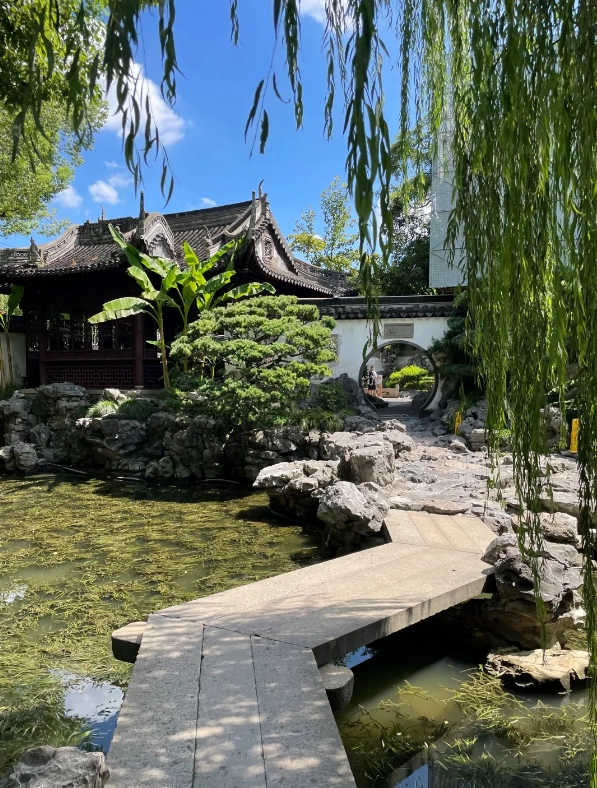
3. The Inner Garden (Nei Yuan)
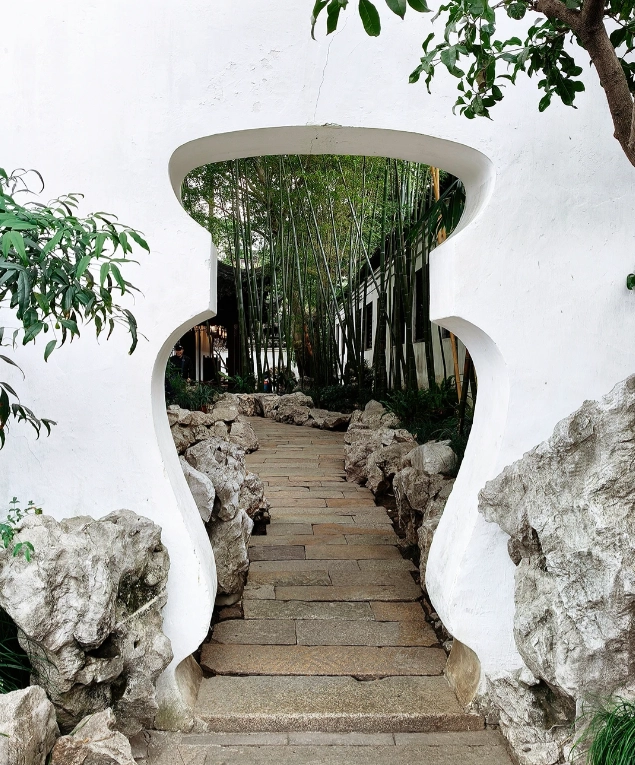
Many visitors leave before seeing this. It's a separate, smaller garden added later (Qing Dynasty) within the larger complex. It feels even more intimate and secluded. The stone pathways, miniature landscapes, and quiet courtyards here are where I finally felt the intended tranquility. The detailing on the roof ridges and door frames is finer, if you look closely.
4. The Dragon Wall
Search for the undulating wall topped with a dragon's head made of clay tiles. The dragon's body is formed by the rolling contour of the wall itself. There are actually several dragons hidden around the garden. Finding them feels like a mini treasure hunt. The most famous one guards the entrance to the Inner Garden.
5. The Hall of Heralding Spring (Dianchun Tang)
This hall has layered history. It was a meeting place for a 19th-century rebellion. Now, it often houses small, rotating cultural exhibits—old maps, calligraphy, garden tools. It's a quiet spot to appreciate the architectural details away from the main paths.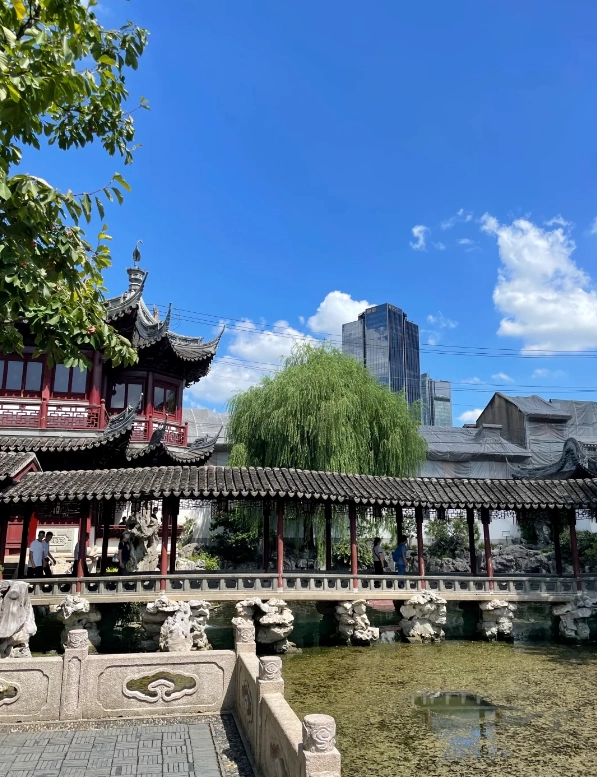
Yu Garden Tickets, Hours & Location: The Essential Info
Getting the logistics wrong can ruin your visit. Here's everything you need to plan.
| Item | Details |
|---|---|
| Address | 218 Anren Street, Huangpu District, Shanghai. The entrance to the ticketed garden is inside the bazaar complex. |
| Opening Hours | Garden: 9:00 AM – 4:30 PM (last entry at 4:00). Closed Mondays. The surrounding bazaar opens earlier and closes much later (often 10 PM). |
| Ticket Price (Garden) | 40 RMB in the off-season (usually Dec-Mar). 50 RMB in the peak season (Apr-Nov). Separate ticket required. |
| Recommended Visit Duration | A thorough visit to the garden takes 1.5 to 2 hours. Add 1+ hour for the bazaar and snacks. |
| Best Time to Visit | Weekdays, right at 9:00 AM opening. Alternatively, after 3:30 PM when many tour groups have left. |
Ticket Tip: Buy your ticket at the official booth near the garden entrance. I've seen unofficial sellers in the bazaar offering "combined" tickets for unnecessary attractions. The garden ticket is all you need. You can pay by WeChat, Alipay, or cash.
How to Get to Yu Garden: The Easiest Routes
Taking the metro is the most efficient way. The closest station is Yuyuan Garden Station on Line 14 (Exit 7 puts you right at the bazaar's edge). You can also use Line 10 to Yuyuan Station (Exit 1), which is a slightly longer 5-7 minute walk.
If you're taking a taxi or ride-hail (Didi), tell the driver "Yuyuan Shangcheng" (Yu Garden Commercial City). The streets immediately around it are often congested, so be prepared to walk the last block.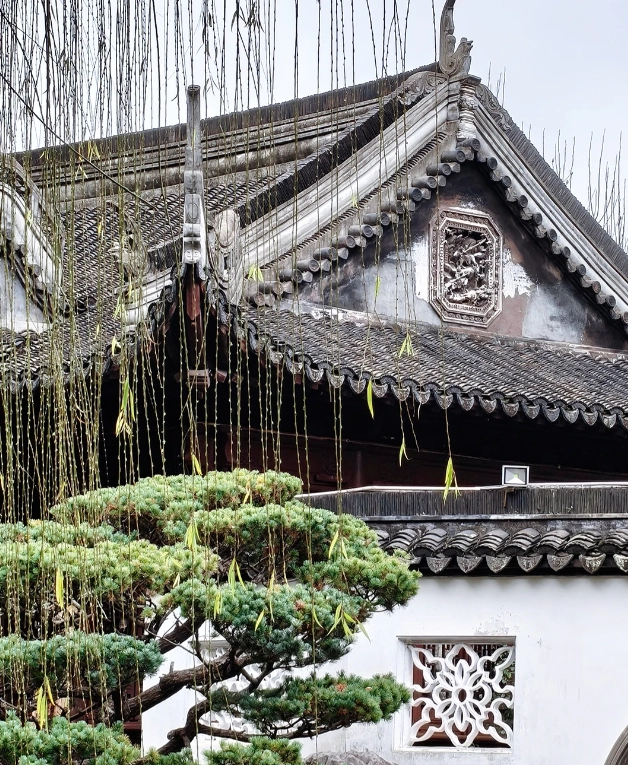
Crafting Your Perfect Yu Garden Itinerary
How you structure your visit makes all the difference.
The Half-Day Classic (My Recommended Approach)
- 9:00 AM: Arrive at the garden entrance. Enter immediately. Enjoy the Rockery and main halls with minimal crowds.
- 10:30 AM: Exit the garden. Explore the bazaar as it starts to come alive. Grab a snack—try the famous Nanxiang steamed buns (but expect a line).
- 11:30 AM: Cross the bridge to the Huxinting Teahouse for a late-morning tea break with a view.
- 12:30 PM: You're done before the midday crush. Perfect for lunch elsewhere.
The Evening & Bazaar-Focused Visit
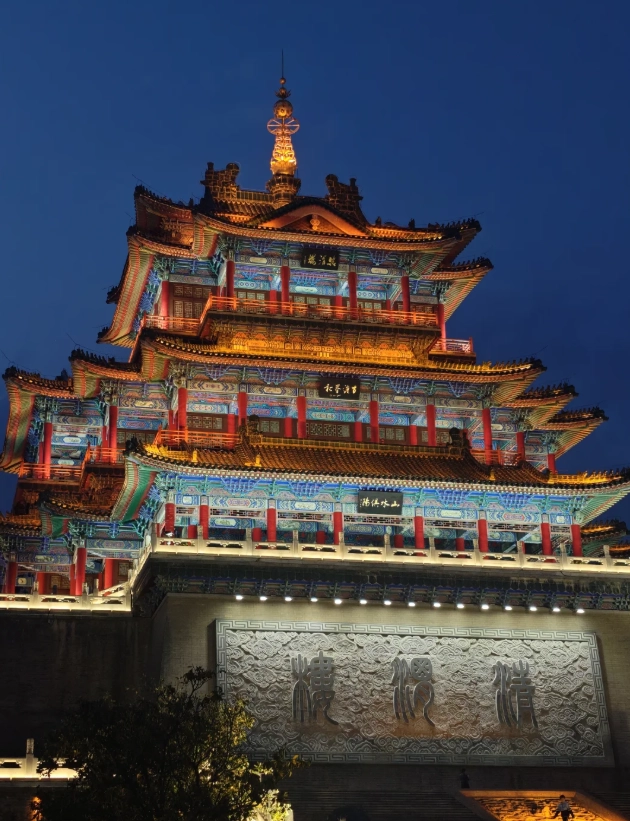
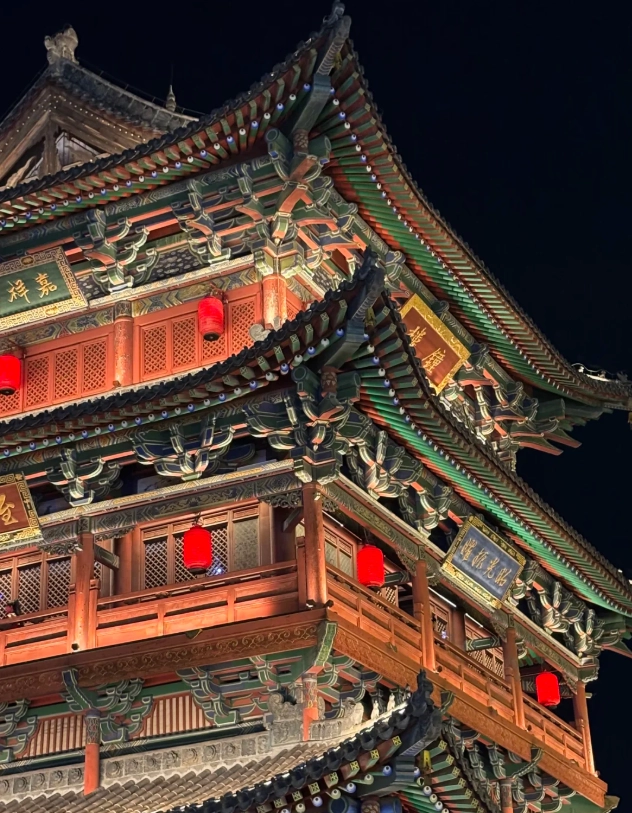
If you skip the paid garden, you can still experience the atmosphere. Come around 5 PM. The bazaar is beautifully lit with lanterns, and the crowds thin slightly for dinner. Wander the shops, see the teahouse from the bridge, and sample street food. You miss the historical core, but it's a vibrant, free alternative.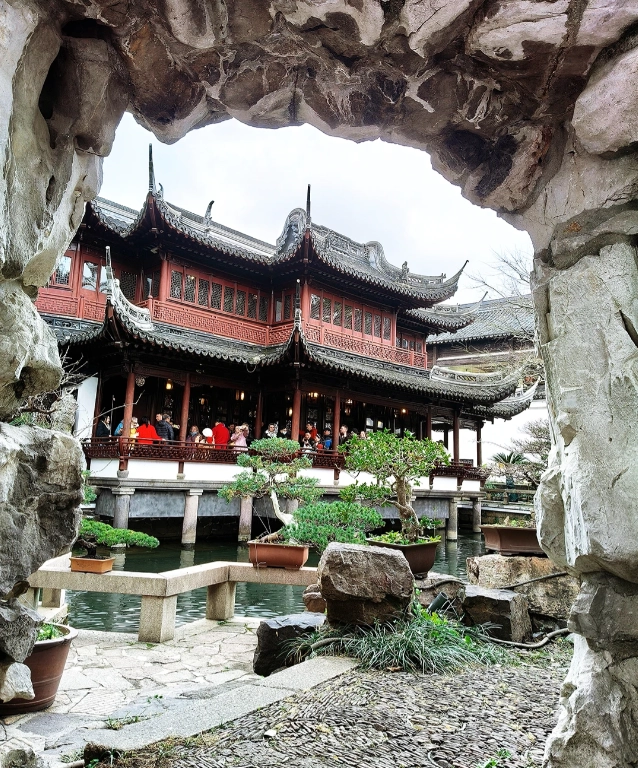
My Personal Tips for a Better Visit
These aren't from a brochure. They're from my mistakes and discoveries.
- The "Back Door" Secret: Most crowds enter from the main south side of the bazaar. If you come from the northeast (from the direction of the Bund), you'll find quieter alleys leading in.
- Photo Hack: The best light for photographing the Rockery and pavilions is mid-morning. The worst is harsh midday sun. For the teahouse, shoot from the zigzag bridge just before sunset.
- Skip the Bun Queue: The line for the original Nanxiang Bun Restaurant can be insane. The quality is great, but for a quick taste, the smaller takeaway windows selling the same buns have much shorter lines.
- Bathroom Strategy: Use the facilities inside the ticketed garden. They are significantly cleaner and less crowded than the public ones in the bazaar.
- What to Skip: The souvenir shops inside the bazaar sell mass-produced items. For authentic crafts, look elsewhere. The "Pearl Tower" next door is a modern shopping mall, not a historical site.
Your Yu Garden Questions, Honestly Answered
 Final Verdict: Yu Garden is worth visiting if you treat it as a morning cultural activity, not an afternoon casual stroll. Respect its opening hours, buy the ticket to see the real thing, and manage your expectations about crowds. When you experience its quiet corners and ingenious design, you'll understand why it has endured for centuries. It's a fragile oasis of Ming Dynasty philosophy, stubbornly holding its ground in the middle of modern Shanghai's chaos. That contrast alone makes it worthwhile.
This review is based on multiple personal visits and observations. Details like ticket prices and hours are subject to change; please verify on official channels before your visit.






No comments yet.