 Qiang Huang
Quick Navigation: What You'll Find Here
I still remember my first visit to Zhujiajiao Water Town—the moment I stepped off the bus, the scent of wet stone and steamed buns hit me, and I knew I was somewhere special. Often called the "Venice of Shanghai," this ancient town isn't just a postcard scene; it's a living museum where you can lose yourself in narrow lanes, glide past Ming-era houses on a boat, and taste food that hasn't changed in centuries. If you're looking for things to do in Zhujiajiao, you're in for a treat, but let's cut through the generic advice. Most guides will tell you to see the bridges and take a boat ride, but they miss the nuances—like why the early morning boat is worth the extra effort, or which alleyway stalls serve the best zongzi without the tourist markup. I've spent days here, chatting with boatmen and noodle shop owners, and I'll share exactly what makes Zhujiajiao worth your time, down to the ticket prices and hidden corners.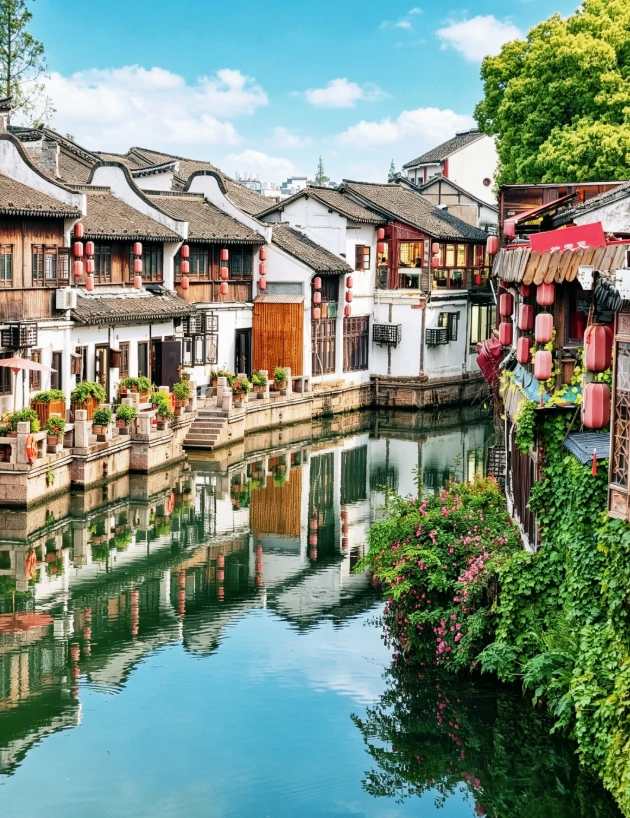
Why Visit Zhujiajiao Water Town?
Zhujiajiao isn't another crowded tourist trap. Founded over 1,700 years ago, it's one of the best-preserved water towns in the Yangtze River Delta. The town's layout—with crisscrossing canals, stone bridges, and traditional houses—offers a glimpse into China's past that's hard to find in modern Shanghai. According to the Shanghai Municipal Tourism Administration, it's a designated cultural heritage site, attracting both history buffs and casual travelers. What struck me most was the pace: despite the visitors, life here moves slowly. Locals wash clothes by the canals, elderly residents play chess under ancient trees, and the whole place feels oddly peaceful once you wander away from the main thoroughfares. If you're tired of Shanghai's skyscrapers, Zhujiajiao provides a perfect day-trip escape with substance, not just scenery.
How to Get to Zhujiajiao from Shanghai
Getting there is straightforward, but I've seen tourists waste hours on the wrong bus. Here's the simplest way: from central Shanghai, take Metro Line 17 to Zhujiajiao Station. The ride takes about 1.5 hours from People's Square, costing around 8 RMB. Exit the station, and you'll see signs pointing to the town entrance—it's a 10-minute walk. Alternatively, you can catch a direct bus from Shanghai Stadium Tourist Distribution Center; buses run every 30 minutes, fare is 12 RMB, and the journey is roughly 1 hour. I recommend the metro for reliability, especially on weekends when traffic can be brutal. Once you arrive, the main entrance is at No. 1 Xijing Street, Qingpu District, Shanghai. The town opens daily from 8:00 AM to 5:00 PM, but some inner courtyards and museums close by 4:30 PM. Entry to the town area is free, but individual attractions charge separate tickets.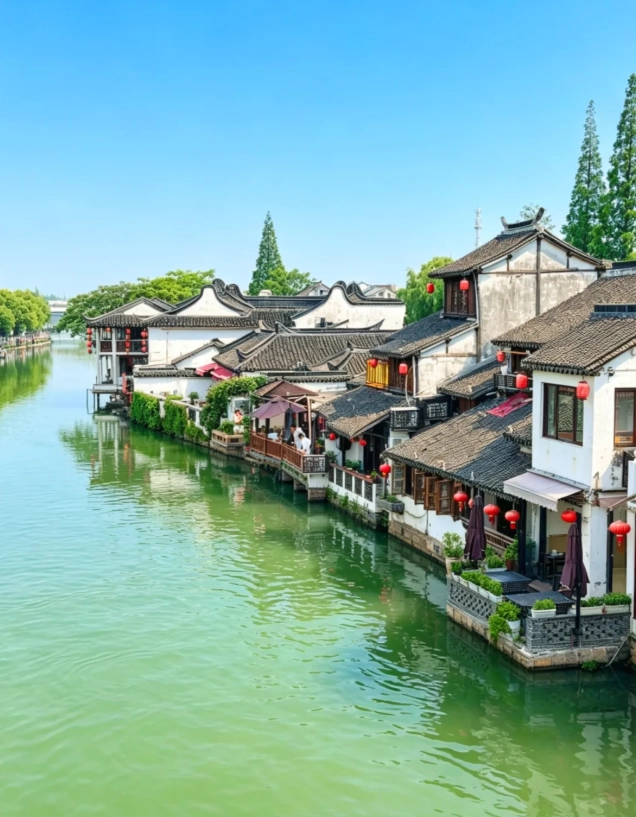
Pro tip: Arrive by 8:30 AM. The crowds from Shanghai start pouring in around 10 AM, and you'll have the canals to yourself for those precious first hours. I made the mistake of coming at noon once—the boat queues were insane, and the photo ops were full of selfie sticks.
Top Things to Do in Zhujiajiao Water Town
Don't just wander aimlessly. Focus on these activities, which I've ranked based on impact and practicality.
Take a Boat Ride on the Canals
This is non-negotiable. The boat ride lets you see Zhujiajiao from its lifeblood—the water. Tickets are sold at docks along the main canals; the standard route costs 80 RMB per person for a 30-minute ride, with boats seating up to six. I prefer the smaller wooden boats near Fangsheng Bridge for a quieter experience. The boatmen often share stories if you ask; mine pointed out a 400-year-old willow tree that most walkers miss. Operates from 9:00 AM to 4:30 PM. Avoid midday—the light is harsh, and the water gets choppy from traffic. Early morning or late afternoon offers softer light and fewer boats.
Walk Across the Historic Fangsheng Bridge
Fangsheng Bridge is the iconic stone arch bridge built in 1571. It's free to cross and offers panoramic views of the canals. But here's something most guides don't mention: the best photo spot isn't on the bridge itself, but from the small platform to its east, where you can capture the full arch with reflections. The bridge gets slippery when wet, so watch your step. Nearby, you'll find vendors selling local snacks; skip the overpriced souvenirs and try the sweet rice cakes instead.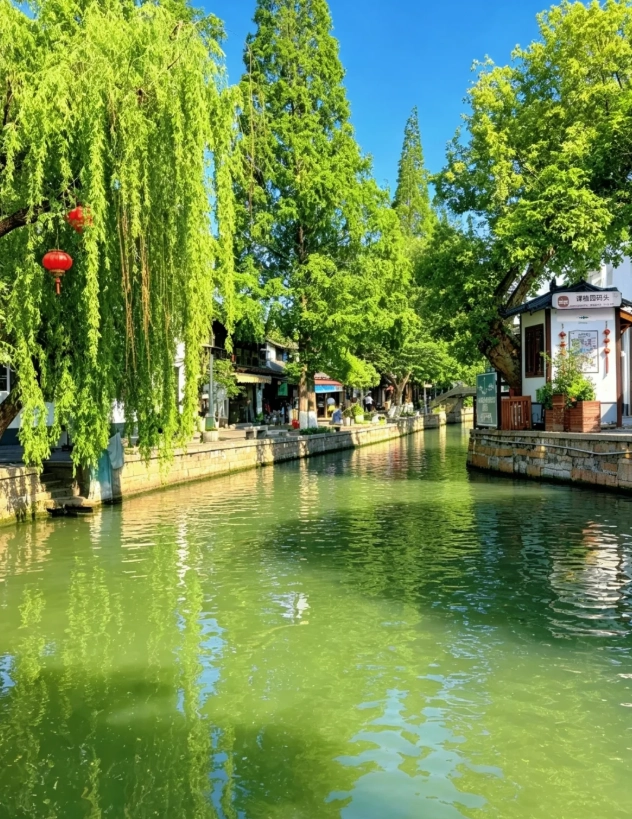
Explore Kezhi Garden and Other Sites
Kezhi Garden is a classical Chinese garden that feels like a hidden oasis. Entry is 20 RMB, open 8:30 AM to 5:00 PM. It's smaller than Shanghai's Yu Garden but more intimate, with pavilions, rockeries, and a quiet pond. I spent an hour here just listening to the water trickle. Other worth-it spots include the Yuanjin Buddhist Temple (10 RMB, serene with few visitors) and the Zhujiajiao Post Office Museum (free, a quirky look at ancient postal systems). Use this table to plan:
| Attraction | Ticket Price (RMB) | Opening Hours | My Rating |
|---|---|---|---|
| Kezhi Garden | 20 | 8:30 AM - 5:00 PM | 9/10 for tranquility |
| Fangsheng Bridge | Free | Always open | 8/10 for views |
| Yuanjin Buddhist Temple | 10 | 9:00 AM - 4:30 PM | 7/10 for quiet reflection |
| Boat Ride | 80 | 9:00 AM - 4:30 PM | 10/10 for essential experience |
I'd allocate 3-4 hours for these core activities. If you're short on time, prioritize the boat ride and Fangsheng Bridge—they define Zhujiajiao.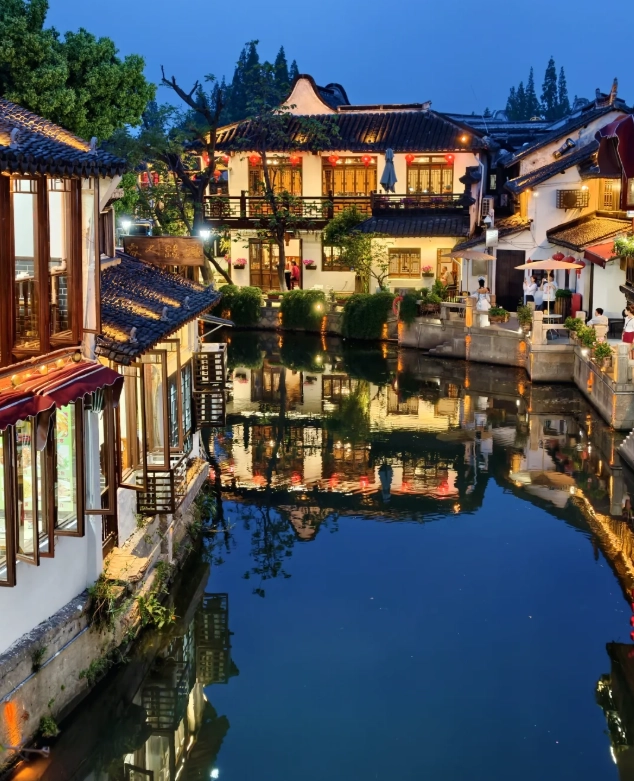
Where to Eat: Local Food and Restaurants
The food here is rustic and delicious, but some places cater too much to tourists. After trying a dozen spots, I've narrowed it down to these recommendations.
Zongzi (Sticky Rice Dumplings): Look for Auntie Li's stall near the north end of Fangsheng Bridge. No formal address, but you'll smell the bamboo leaves. She wraps them fresh, with pork or red bean fillings, for 6 RMB each. They're smaller than the commercial ones but packed with flavor. I found her zongzi had a hint of soy sauce that others lacked.
Local Restaurant - De Yue Lou: At No. 25 Beidajie Street, this family-run spot has been around for decades. Try their braised pork belly (45 RMB) and stir-fried water spinach (25 RMB). Portions are generous, and the dining room overlooks a quiet canal. Open 10:30 AM to 8:00 PM. I ate here twice; the pork melts in your mouth, but the service can be slow during peak hours—worth the wait.
Street Food Alley: Along Dongjing Street, you'll find stalls selling sesame balls, grilled squid, and sweet tofu pudding. Prices range from 5 to 15 RMB. I recommend the tofu pudding from a cart run by an elderly couple; it's silky with a ginger syrup that cuts the sweetness. Cash is preferred here.
Avoid the generic cafes near the entrance—they serve overpriced coffee and bland pastries. Instead, bring cash for small vendors, and don't be shy to point at what you want.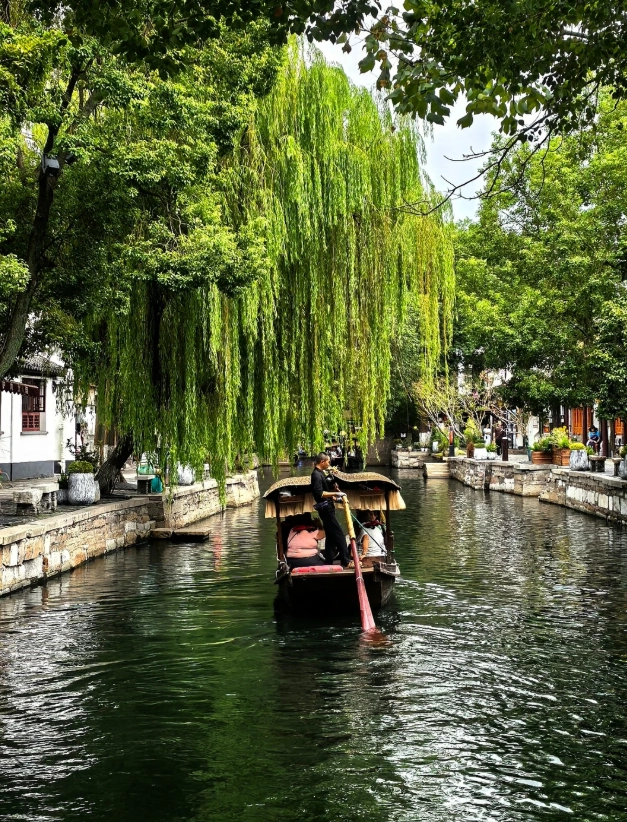
Practical Tips for Your Visit
- Best Time to Visit: Weekdays, especially Tuesday to Thursday. Weekends are packed with domestic tourists. Spring (April-May) and autumn (September-October) offer mild weather; summer can be humid, and winter is chilly but less crowded.
- What to Wear: Comfortable walking shoes—the stone paths are uneven. Bring a light raincoat; showers can pop up unexpectedly.
- Money: Carry small bills (RMB). Many small vendors don't accept credit cards or mobile pay. ATMs are scarce inside the town.
- Language: Basic English is understood at ticket counters, but learn a few Mandarin phrases like "duōshǎo qián?" (how much?) for smoother interactions.
- Photography: The golden hours are early morning and late afternoon. For canal shots, use a polarizing filter to reduce glare—I learned this after my first blurry photos.
I once saw a family struggling with a stroller on the narrow bridges—it's not stroller-friendly, so consider a baby carrier if traveling with young kids.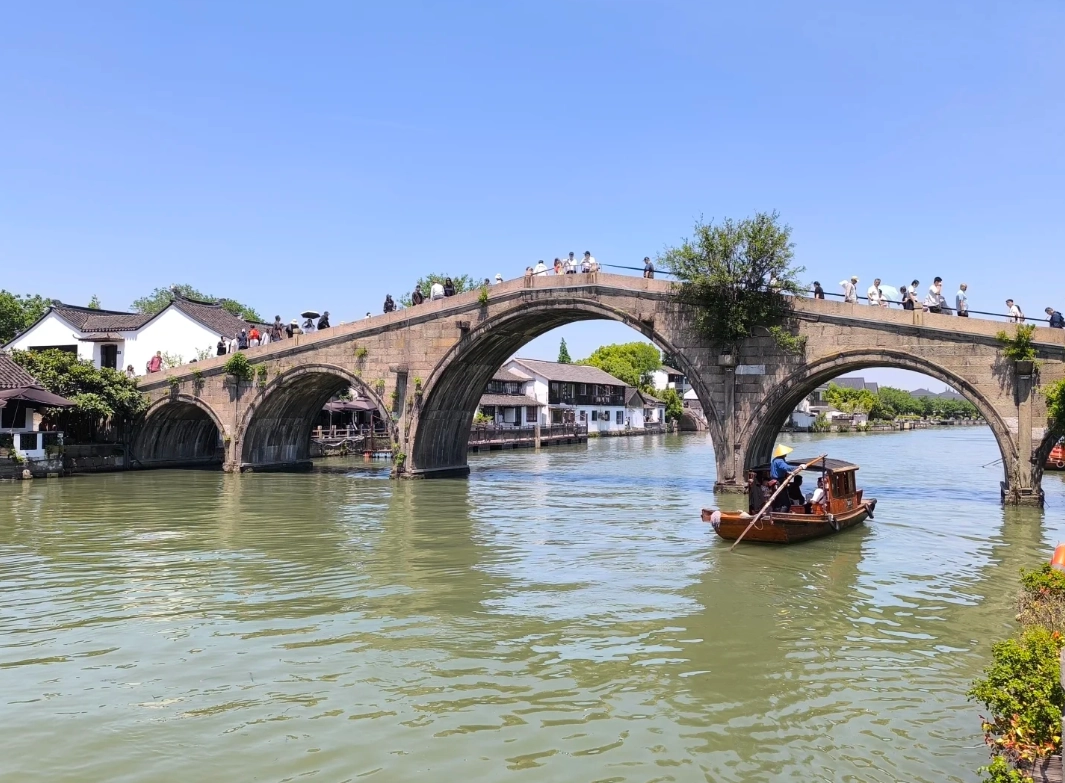
Frequently Asked Questions
 This guide is based on my multiple visits and conversations with locals. While facts like ticket prices and hours are accurate as of my last trip, always double-check with official sources like the Shanghai Tourism Board for updates. Zhujiajiao isn't just a checklist; it's a place to slow down and soak in history. Whether you're gliding on a boat or nibbling on zongzi, the charm lies in the details most rush past. Happy exploring!





No comments yet.