 Fang Wang
After spending a full day wandering Tianzifang's maze-like alleys, I can give you a straight answer: yes, but with caveats. If you're looking for a polished, sanitized tourist experience, you might leave disappointed. But if you embrace the chaos and know where to look, Tianzifang offers glimpses of old Shanghai charm and creative energy that few other places match. This guide cuts through the hype to help you decide.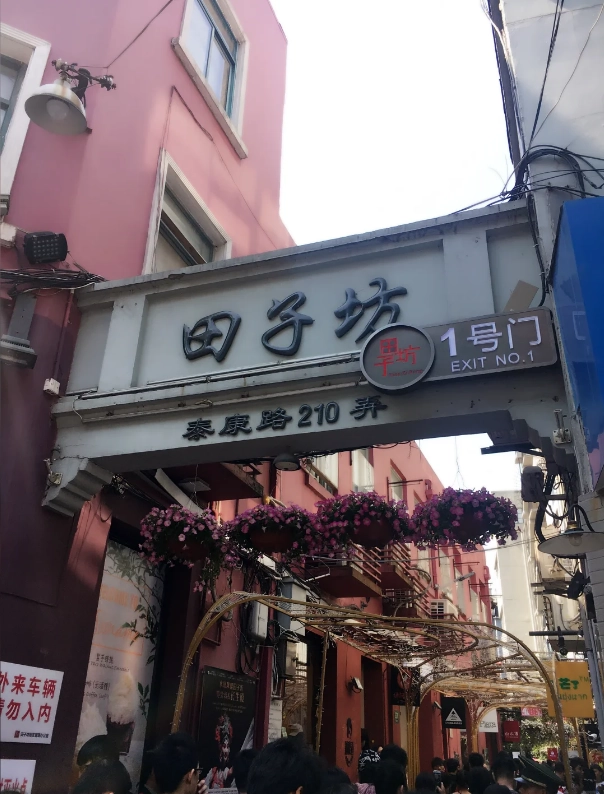
What You'll Find in This Guide
What is Tianzifang and Why It's Famous
Tianzifang is a network of narrow lanes centered around Taikang Road in Shanghai's former French Concession. It started in the 1990s as an artist colony in renovated shikumen (stone-gate) houses, blending traditional Shanghai architecture with bohemian vibes. Today, it's a mix of art studios, craft shops, cafes, and boutiques. The area's fame comes from its photogenic alleyways and reputation as a creative hub, though commercialization has changed its character over the years.
Key fact: Unlike Xintiandi, another renovated area, Tianzifang feels less curated and more organic—sometimes messy, but authentic in patches.
The Pros: What Makes Tianzifang Special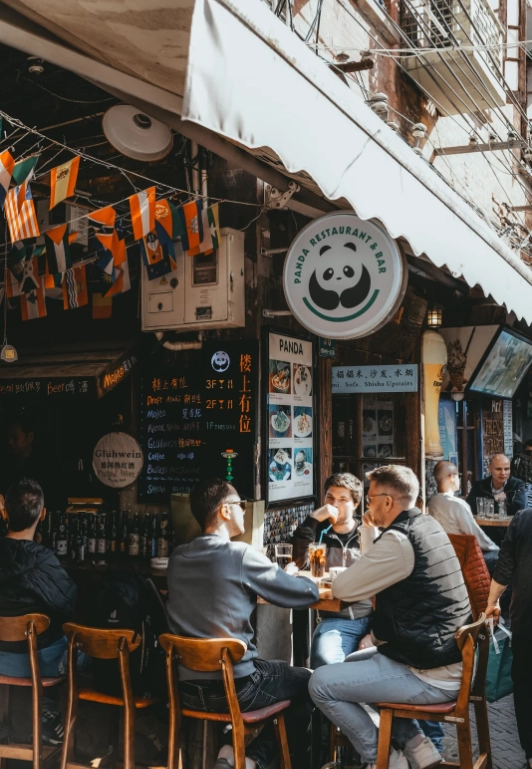
Unique Arts and Crafts Scene
You can still find genuine artisans here. I stumbled upon a tiny workshop where an elderly artist was hand-painting porcelain with delicate floral patterns, a skill she said she learned from her grandmother. These spots are often tucked away in courtyards, not on the main lanes. Look for signs like "studio" or "atelier" rather than "souvenir shop." The variety ranges from custom jewelry to traditional paper-cutting, with prices starting around 50 RMB for small items.
Historical Architecture and Alleys
The shikumen buildings, with their stone doorframes and winding staircases, offer a tangible link to old Shanghai. I spent an hour just photographing details like weathered bricks and wooden balconies draped with plants. It's a stark contrast to the skyscrapers nearby. The layout forces you to slow down and explore—you can't rush through it.
The Cons: Potential Drawbacks to Consider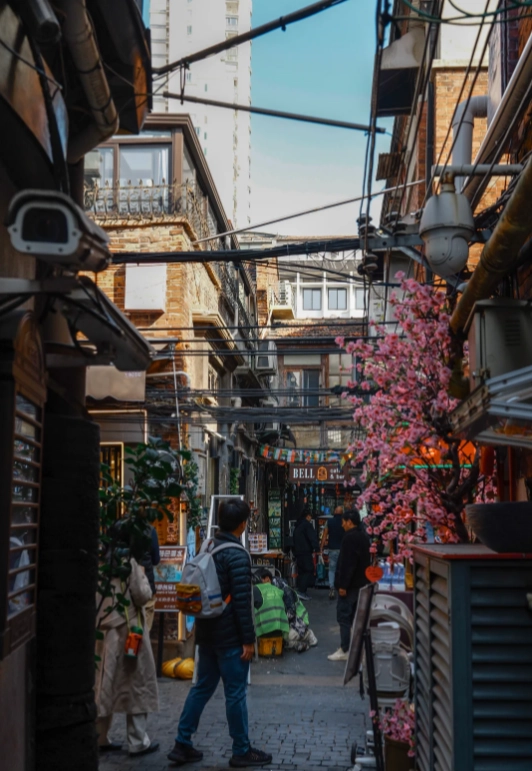
Crowds and Tourist Traps
On weekends, the main lanes get packed. I visited on a Saturday afternoon and had to squeeze past groups, which made browsing shops frustrating. Some stores sell mass-produced trinkets labeled as "handmade"—I saw identical keychains in multiple spots. The crowd noise can drown out the ambiance.
Insider tip: If you hate crowds, avoid weekends and holidays entirely. Even weekdays after 3 PM see a surge.
Pricing and Commercialization
Prices vary wildly. A cup of coffee might cost 40 RMB in a trendy cafe, while a similar drink elsewhere in Shanghai is 25 RMB. I felt some shops inflated prices for tourists. The focus has shifted from art to commerce in many areas, with chain cafes and generic souvenir stalls creeping in.
Practical Information for Visitors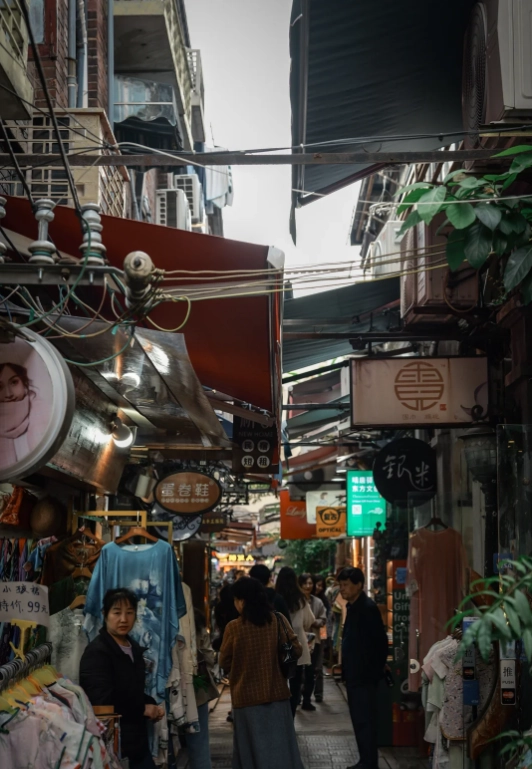
Address, Hours, and Admission
Here’s the essential info I verified during my visit:
| Item | Details |
|---|---|
| Address | Lane 210, Taikang Road, Huangpu District, Shanghai (the core area spans multiple lanes) |
| Opening Hours | Most shops and cafes open from 10:00 AM to 10:00 PM daily; some studios may close earlier or have irregular hours |
| Admission Fee | Free to enter the area; individual shops or workshops may charge for activities like pottery classes (around 100-200 RMB) |
| Best Time to Visit | Weekday mornings (10 AM-12 PM) for fewer crowds; evenings for a livelier atmosphere |
How to Get There: Transportation Guide
Tianzifang is easily accessible by public transport. I took Metro Line 9 to Dapuqiao Station, Exit 1, and walked about 5 minutes south to Taikang Road. The area is well-signed. Buses like 17, 24, and 304 also stop nearby. For official transit updates, check the Shanghai Metro website. Taxis can drop you at the entrance, but the lanes are pedestrian-only, so be prepared to walk.
My Personal Experience at Tianzifang
I arrived on a Thursday morning around 10:30 AM. The main entrance on Taikang Road was quiet, with a few vendors setting up. My first stop was a hidden courtyard I'd read about—it took some wrong turns to find, but behind a unmarked door, I discovered a sculptor working on a clay figure, his hands covered in dust. He didn't mind me watching; we chatted briefly about his inspiration from Shanghai's history.
Later, I grabbed a coffee from a small cafe run by a local artist. The brew was average, but the owner showed me her paintings displayed on the walls. This personal touch made it worthwhile. By noon, the crowds thickened, and the vibe shifted. I ducked into a side alley and found a quiet spot where residents were hanging laundry, a slice of everyday life amidst the tourism.
One disappointment: a shop selling "authentic" calligraphy brushes had prices triple what I'd seen in other parts of Shanghai. I skipped it. Overall, the experience was mixed but memorable—the gems outweighed the letdowns when I ventured off the beaten path.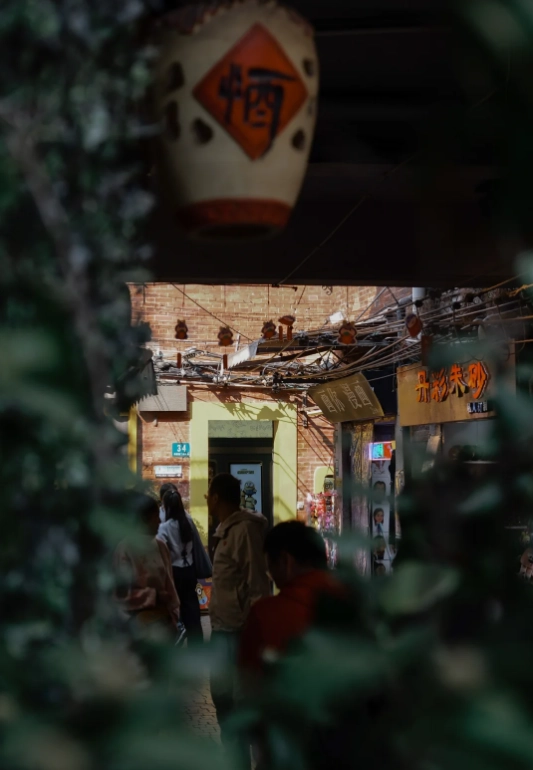
How to Make the Most of Your Visit
To enjoy Tianzifang, plan strategically. Start early to beat the crowds. Focus on the peripheral lanes like Lane 248 or Lane 274, where studios are more concentrated. I spent two hours exploring, but if you're into photography or want to try a workshop, allocate three to four hours. Bring cash—some smaller vendors don't accept cards. Wear comfortable shoes; the cobblestone paths are uneven.
Don't just shop; engage with the artists. I asked a jewelry maker about her techniques, and she offered a quick demonstration. For food, skip the overpriced cafes on the main drag and try local snacks from street stalls nearby, like shengjian bao (pan-fried buns). If you need a break, the rooftop of some buildings offer views, though access can be limited.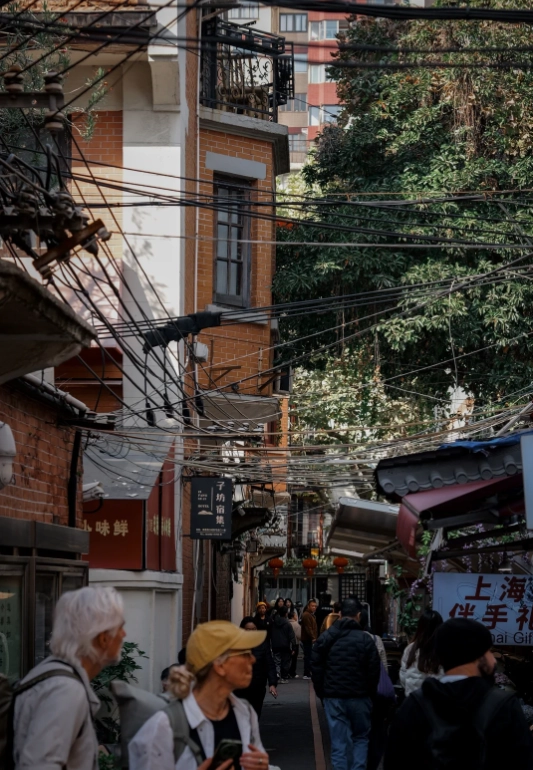
Frequently Asked Questions
This article is based on my personal visit and has been fact-checked against reliable sources like the Shanghai Municipal Tourism Administration for accuracy.





No comments yet.