 Lei Li
The roar hits you first. A low, constant thunder that vibrates through the ground before you even see the Yellow River's famous Hukou Waterfall, where the world's muddiest river squeezes through a narrow gorge and plunges into a cauldron of spray. You're standing there, feeling the mist on your face, thinking this is it—the ultimate power of nature. And then your stomach growls. Loudly. You look around at the souvenir stalls and generic restaurants with laminated pictures, and a familiar traveler's dread sets in. Is this it? Am I doomed to overpriced, mediocre food after witnessing one of China's great wonders?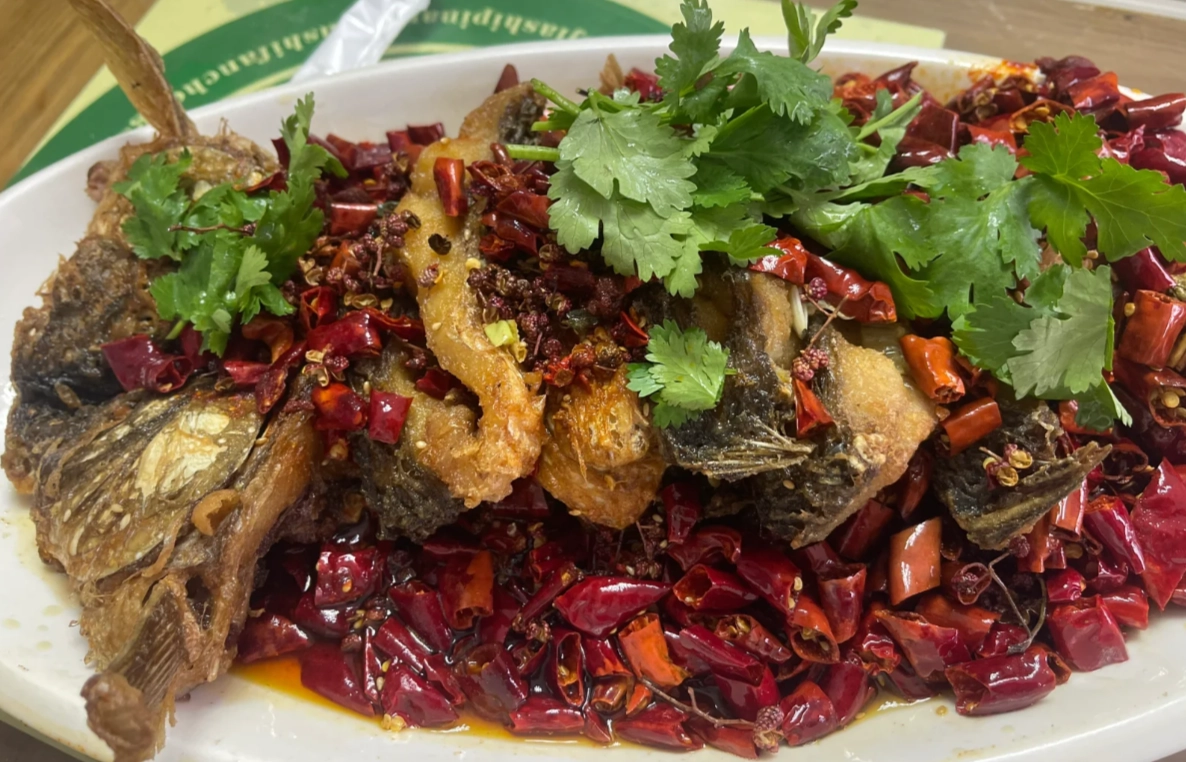
Let me stop you right there. I've made that mistake. I've paid $15 for a plate of greasy fried rice near a major attraction. But after multiple trips to both the Shanxi and Shaanxi sides of Hukou, I learned the secret. The real flavor isn't on the main tourist drag; it's in the unmarked eateries where truck drivers stop, in the village kitchens a ten-minute drive away, where the food is as robust and direct as the landscape itself. This guide isn't about fancy dining. It's about finding the braised carp that tastes of the river, the steamed buns that soak up rich lamb broth, and the noodles that have the same untamed energy as the waterfall. Forget the tourist menu. Let's eat.
Your Food-First Itinerary at a Glance
Why Food is Part of the Hukou Experience
Look, northern Shanxi and Shaanxi cuisine isn't about subtlety. It's about survival, warmth, and matching the harsh, beautiful environment. The winters are cold, the land is dry, and the history is hardscrabble. The food reflects that: hearty, carb-heavy, and leaning on preservation methods like vinegar and stewing. When you eat here, you're not just filling up. You're tasting a geography. The wheat for the noodles grows on the loess plateau. The lamb grazes on sparse hillsides, giving the meat a distinct, slightly gamy flavor. The fish, well, it comes straight from the turbulent Yellow River. Skipping the local food means you're only seeing half the picture. The roar of the waterfall is the spectacle; a bowl of steaming, hand-pulled noodles is the soul.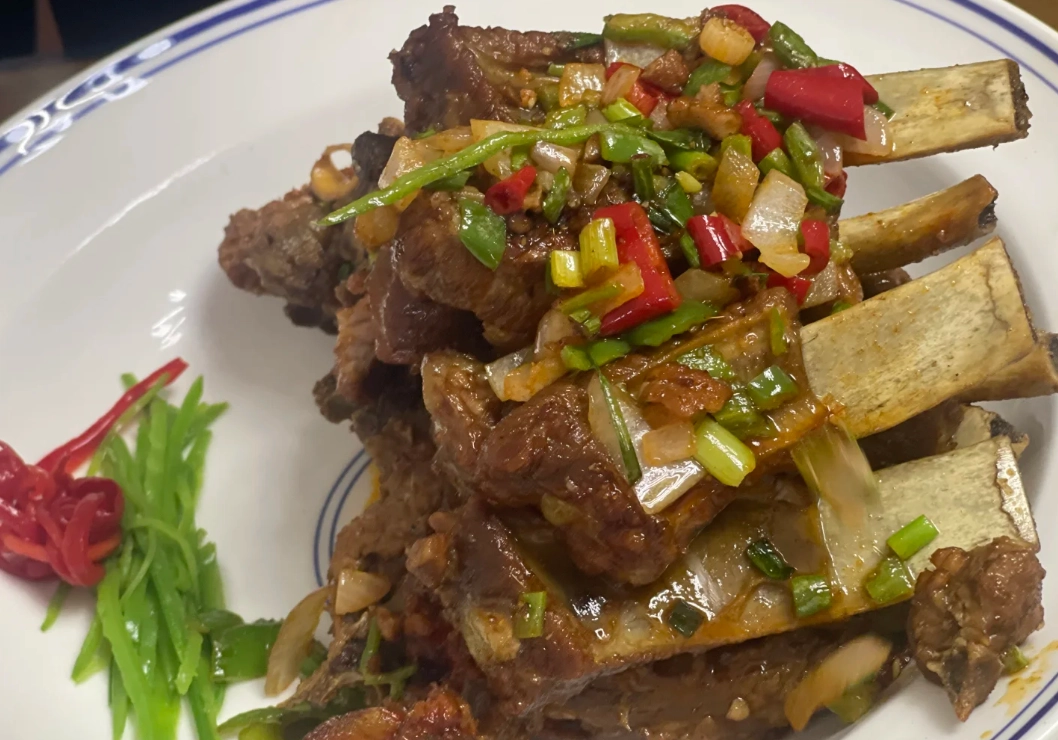
Must-Try Dishes & How to Order Them
Don't get overwhelmed by a menu full of characters. Focus on these pillars. They are the backbone of any meal here.
1. Yellow River Braised Carp (Huanghe Lu Liyu)
This is the star, and for good reason. The carp from the Yellow River are leaner and have a firmer texture than farmed fish. The classic preparation is hong shao (braised in a brown sauce). Imagine: a whole fish, scored on the sides, fried until the skin is slightly crispy, then simmered in a deep, savory, and slightly sweet sauce made with dark soy sauce, Shaoxing wine, ginger, and garlic. The flavor is rich and penetrates every flake. It's not overly spicy, but packs a umami punch. Heads-up: There will be bones. Eating it is a tactile, slow process. Pick the flesh carefully with your chopsticks. Locals suck the sauce off the bones—follow their lead.
2. Shanxi/Shaanxi Lamb & Mutton
If you don't eat lamb, you'll have a harder time. It's everywhere. The two most common forms:
- Yangrou Paomo: This is a Shaanxi specialty, more common on the Yan'an side. You get a bowl of torn, dense, flatbread and a huge bowl of rich, milky-white lamb broth stewed for hours with bones. You tear the bread into tiny pieces (the smaller, the better—it's a test of patience), then the server pours the boiling broth over it, adding tender stewed lamb meat. It's warming, comforting, and incredibly filling. A meal in itself.
- Qing Zhen Stewed Lamb: On the Shanxi side, look for Hui Muslim restaurants (they'll have Arabic script and "Qing Zhen" signs). Their stewed lamb, often served on the bone, is sublime. The meat falls off with a gentle tug, fragrant with star anise and cumin, without being greasy. Eat it with raw garlic cloves—a local habit that cuts through the richness perfectly.
3. The Noodles & Breads
This is carb heaven. Wheat is king.
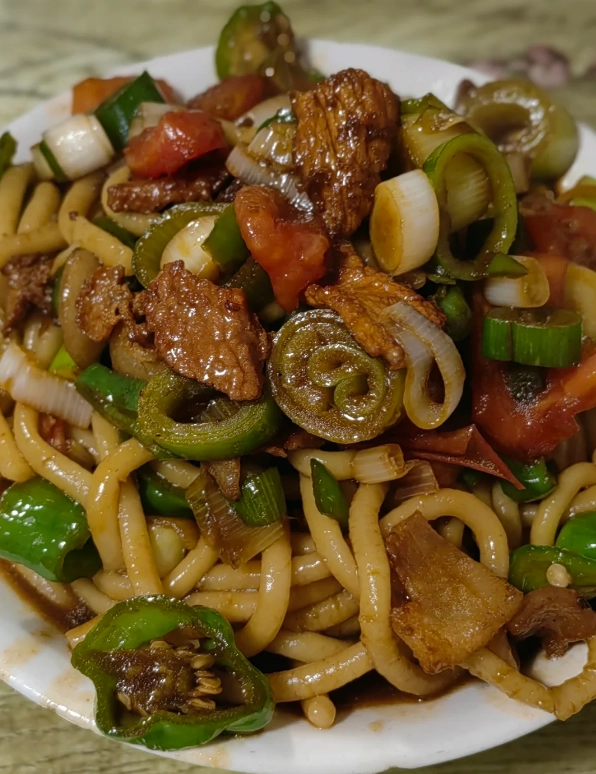
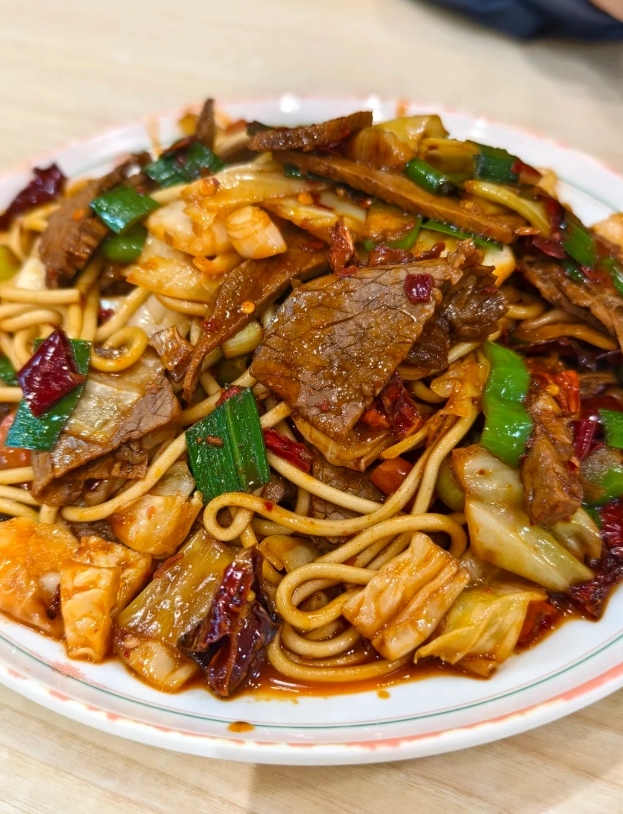
- Youpo Mian (Oil-Splashed Noodles): Thick, belt-like hand-pulled noodles topped with minced pork, chili flakes, and chopped greens. The magic happens when sizzling hot oil is poured over the top, instantly frying the chilies and garlic, releasing an aroma that will make you drool. It's spicy, garlicky, and chewy.
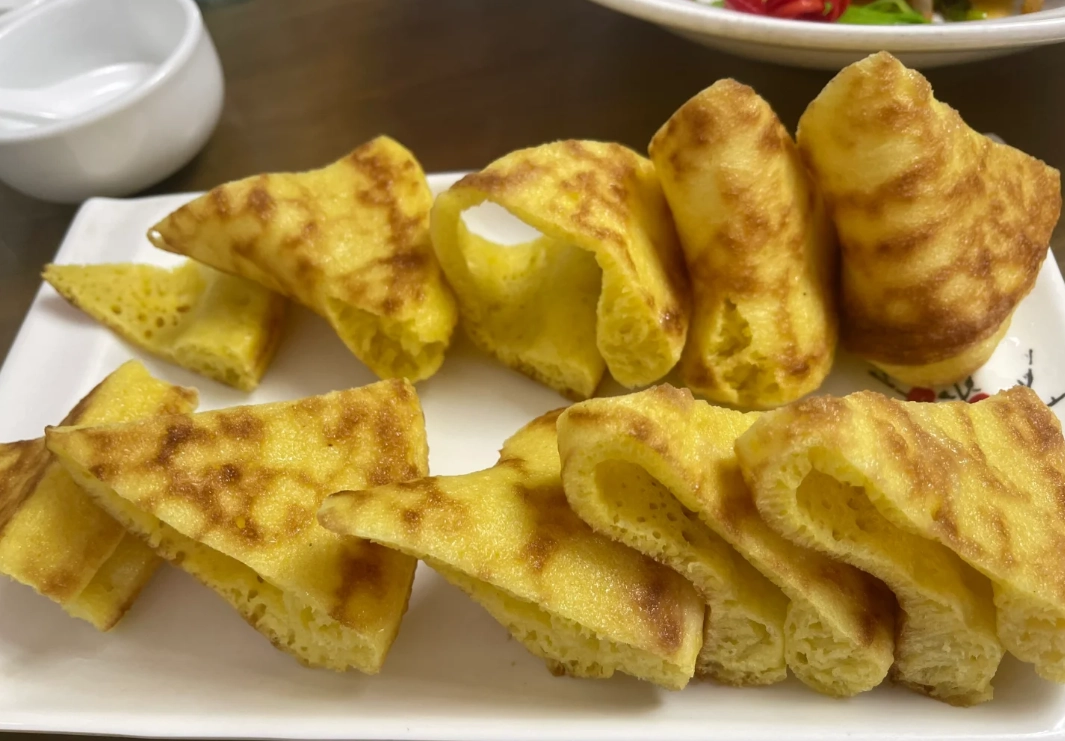
- Daoxiao Mian (Knife-Cut Noodles): The chef holds a block of dough and shaves strips directly into a boiling pot. The result? Irregular, rustic noodles with a wonderful, uneven texture that holds sauce beautifully.
- Mantou: Plain steamed buns. They're not sweet. They're spongy vessels for sopping up sauce, broth, or for stuffing with braised meat.
Spice Level Guide: Chilies are used, but it's more about fragrance and a slow-building heat than mouth-numbing fire. If you're sensitive, say "bu yao tai la" (don't make it too spicy). For the adventurous, "wei dao zhong" (normal flavor) gets you the local standard.
| Dish (English/Pinyin) | Key Flavors | Texture | Best Paired With |
|---|---|---|---|
| Yellow River Braised Carp / Huanghe Lu Liyu | Savory, umami, slightly sweet | Firm, flaky | Plain rice or Mantou |
| Lamb Paomo / Yangrou Paomo | Rich, meaty, peppery | Soft, soggy bread in broth | Pickled garlic |
| Oil-Splashed Noodles / Youpo Mian | Spicy, garlicky, savory | Chewy, thick | A simple cucumber salad |
| Stewed Lamb / Dun Yangrou | Fragrant (cumin, anise), savory | Fall-apart tender | Raw garlic cloves |
Where to Eat: Two Sides, Two Styles
The waterfall straddles the border. The Shanxi side (Linfen, Gu County) is more developed tourism-wise. The Shaanxi side (Yan'an, Yichuan County) feels a bit more rugged. Your choice might depend on your itinerary, but food is excellent on both.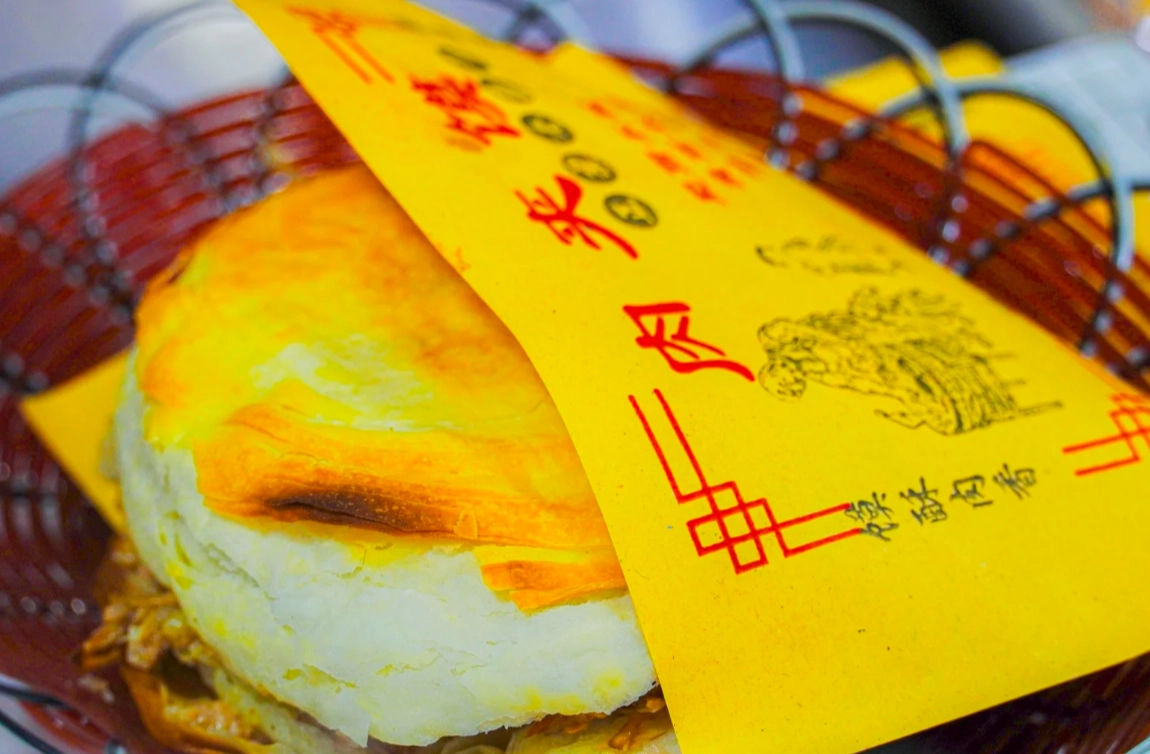
On the Shanxi Side (Linfen)
Old Zhang's Fish House (Lao Zhang Jia Yuguǎn)
This is my top pick for Yellow River carp. It's not at the scenic area itself. You need to drive about 8 minutes towards Gu County town. Look for a blue sign with a fish on it and a parking lot full of local cars, not tour buses. The plastic tablecloths are sticky, the stools are low, and the air is thick with the smell of frying fish and vinegar. Perfect.
- Must-order: Huanghe Lu Liyu (Yellow River braised carp). Ask for it hong shao style. Also, their liangban qincai (cold celery salad) is a crisp, vinegary counterpoint to the rich fish.
- Address Landmark: Near the intersection of Guozhen Road and a smaller alley, about 2 km from the main waterfall ticket center. Tell your taxi driver "Lao Zhang Jia chi yu de difang" (Old Zhang's place to eat fish).
- Price: A whole fish, a veggie, and rice for two costs about ¥120-180 ($17-$25).
- Hygiene Note: It's a basic rural eatery. The kitchen is open-view (a good sign). Use the packaged disposable chopsticks and wipe your bowl with tea. I've eaten here multiple times without issue.
On the Shaanxi Side (Yan'an)
Wang's Mutton Soup (Wang Jia Yangrou Paomo)
In the cluster of small restaurants near the Yichuan county bus station, this tiny 6-table spot is a paomo masterclass. The owner, a man with kind eyes and flour-dusted hands, will hand you the bread and watch approvingly as you tear it. The broth is cloudy white, deep, and has simmered overnight.
- Must-order: Yangrou Paomo. One bowl is enough for most people. Add a side of suan ni bai rou (garlic paste with cold sliced pork)—it's bold and fantastic.
- Address Landmark: Opposite the Yichuan County Long-Distance Bus Station, third shop from the left with a red banner.
- Price: A generous bowl of paomo is about ¥35 ($5).
- Timing: They are busiest at lunch (12-2 pm). Go just before 11:30 am to get a seat. They close by 8 pm.
Practical Bites: Ordering, Paying & Staying Safe
- The Point-and-Grunt Method Works: No Chinese? No problem. See what the table next to you is eating. Smile, point at their dish, and say "Wo yao zhe ge" (I want this). It's the universal language.
- Payment: WeChat Pay and Alipay are ubiquitous, even in village shops. Have one set up. Cash (RMB) is a reliable backup. Cards are useless.
- Water: Do not drink tap water. Always order bottled water (ping zhuang shui) or drink the boiled tea provided. The tea in metal kettles on the table is free and safe.
- Hygiene Reality Check: Street food and small restaurants have variable standards. My rule: go where it's busy (high turnover). Avoid anything that looks like it's been sitting out in the sun. Peeled fruit from street carts is a gamble.
- Tipping: Not expected, not practiced. Just pay the bill.
Your Hukou Food Questions, Answered
 I'm a vegetarian. Will I find anything to eat?
This article has been fact-checked. Information is based on personal visits and cross-referenced with local sources. Menus and prices are subject to change.





Finally a food guide that doesn't ignore plant-based eaters! The writer highlighted several vegetarian-friendly dishes like cold potato noodles and sesame-flavored biangbiang noodles without meat. I followed the recommendation for a family-run restaurant in Jixian and the auntie even made me a special veggie version of the local claypot rice. Incredibly helpful and clearly written — I'll be sharing this with every vegetarian headed to Hukou.
I appreciated the effort, but the guide could use an update. About half the restaurants listed were either closed or had moved when I visited last month. That said, the ones that were still open served legit local food — the yellow river carp at the place right by the waterfall entrance was incredible. Just double-check hours and locations before you rely on it.
Perfect for backpackers on a tight budget! This guide broke down every dish with price ranges, portions, and even which vendors accept WeChat Pay. I tried the he le (buckwheat noodles) at the stall marked as 'best value' and spent less than 20 yuan for a massive bowl. The map screenshots were a godsend since cell service is patchy near the falls. Absolute must-read before you go.
Honestly, I wasn't expecting much from a free online food guide, but this one delivered big time. My husband and I used it to find an authentic lamb paomo joint in Shaanxi, and the broth was rich, the bread perfectly torn — exactly like the article described. The writer clearly knows the region. The only reason I'm not giving 5 stars is that a couple of the restaurant names were slightly off (one had changed its sign), but still superb overall.
This guide was a lifesaver on our Hukou trip! We followed the recommendation for the local bowl dough (wan tuan) at a tiny stall near the bus station, and it was hands down the best thing we ate in Shanxi. The directions were spot-on, and the price tips saved us from tourist traps. If you're serious about eating like a local, don't skip this guide — it even had a secret spot for fried river fish that blew our minds. 10/10 would recommend.
Honestly, I was a bit disappointed. The guide sounds amazing on paper, but in practice it felt a little overhyped. We went to the 'must-try' pancake stall on the Shaanxi side and the pancake was dry and the filling was bland. The second spot, a tiny dumpling house, was better – juicy pork and chive dumplings – but nothing mind-blowing. Maybe we went on a bad day. I'd say 3 stars – helpful if you're lost for options, but not a game-changer.
Pretty solid guide for budget travelers. We hit up the noodle stall recommended near the parking lot – huge bowl of biangbiang noodles with chili oil for only 15 yuan. The taste was authentic and the portions were generous. The only downside was the guide didn't mention that most places close early in the off-season, so we missed one of the dinner spots. Still, for the price and quality, I'd give it a 4.
I'm not usually one to write reviews, but this food guide deserves all the praise. We used it to find a rustic eatery on the Shanxi side that serves 'yellow river carp' – the fish was so fresh, crispy on the outside and tender inside, with a garlic vinegar sauce that paired perfectly. The owner didn't speak English but was so welcoming, and the view of the raging waterfall from the table was surreal. 5 stars easily – don't miss this if you visit Hukou!
Decent guide overall – we tried two of the recommended spots. The first one was a stall near the Shaanxi entrance that sold sticky rice cakes with date filling; they were warm and sweet, perfect for a quick snack. But the second place, a river-view restaurant, was a letdown. The braised fish was way too salty and the service was slow even though it wasn't busy. I'd still say the guide is helpful for getting started, but maybe lower expectations for some spots. 3 stars feels fair.
We followed this food guide to a T during our trip to Hukou Waterfall, and it was honestly the best decision we made. The guide pointed us to a small family-run restaurant on the Shanxi side that served the most incredible knife-cut noodles with a rich, spicy lamb broth. The owner even showed us how they pull the noodles by hand – such a cool experience. The waterfall was stunning, but the food made the whole day unforgettable. Highly recommend this guide for anyone who wants real local flavors!
Good effort but some outdated info. A couple of the restaurants mentioned had already closed down when I visited last month. Also, the guide overhypes the 'Hukou Fish'—it's just fried river fish, not that special. Saved me a little time but not worth the hype. 3 stars, get a more recent source.
I'm a big fan of regional Chinese cuisine, and this guide perfectly captured the Shanxi vs Shaanxi food divide. The map showing which side of the river to go to for different dishes was genius. I printed it out and took it with me—every recommendation worked. Plus, the photos made my mouth water. Easy 5/5.
Decent guide but way too generic. The author spent half the text describing the waterfall itself instead of focusing on food. I wanted specific prices, opening hours, and how to order in Chinese—none of that was there. Ended up using other apps instead. For a free article it's fine, but I expected more local depth. 3/5.
Honestly, this food guide is a must-read if you're heading to Hukou. I followed the 'Three Snacks You Can't Miss' section and ended up at a tiny stall run by a grandma. The liangpi (cold noodles) were life-changing. The writing is super engaging, like a friend telling you where to eat. 5 stars, no complaints.
I used this guide while planning my trip to Hukou and it was a lifesaver. The recommendations for street food near the waterfall were spot on—I tried the lamb skewers and the crispy pork, exactly like the locals do. The only reason I'm not giving it a 5 is because I wish it had more info on vegetarian options. Still, a solid 4/5 for accuracy and practical tips.