 Qiang Huang
You've seen the pictures. The zigzag bridge over a koi pond, the intricate dragon wall, the elegant pavilions. Yu Garden (Yuyuan) is plastered all over Shanghai tourism brochures. But standing at the entrance, ticket in hand, surrounded by a sea of people, you might wonder: is this famous garden actually worth visiting, or is it just an overhyped tourist trap?
I've been multiple times—with first-time visitors, alone to photograph, and just to sit. The answer isn't a simple yes or no. It's a conditional yes. Yu Garden is absolutely worth it, but only if you approach it with the right strategy and managed expectations. This guide will give you the unvarnished truth—the stunning beauty and the frustrating crowds—so you can decide for yourself.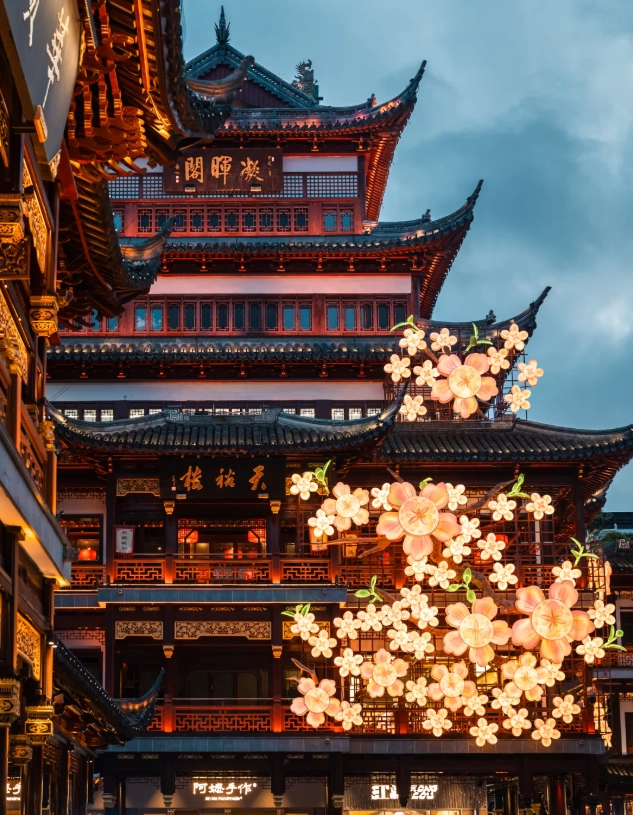
Quick Navigation
What Exactly is Yu Garden?
Built in the Ming Dynasty (1559), Yu Garden isn't just a park. It's a classical Chinese garden, a specific art form designed to represent a miniature, idealized natural landscape. Every rock, pond, plant, and window frame is deliberate. It's meant for contemplation, not just a stroll.
The garden is part of a larger complex. Most people confuse three areas:
- The Paid Garden Core (Yuyuan): The actual, walled historical garden. This is what your ticket grants you access to. It's relatively compact but densely packed with meaning.
- The Free Outer Gardens: The area immediately outside the paid walls. It has ponds, walkways, and the famous Huxinting Teahouse. It's busy but free to enter.
- Yuyuan Bazaar & Old City God Temple Area: The chaotic, commercial maze of shops and food stalls that surrounds everything. This is where the "tourist trap" feeling is strongest.
Understanding this geography is your first step to a better experience. You're not visiting one thing, but navigating three distinct zones with different vibes.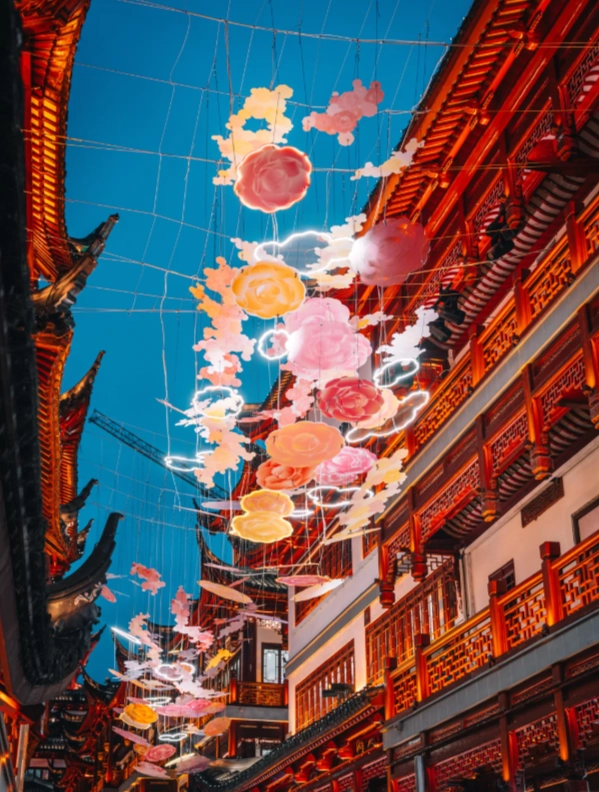
The Pros and Cons: A Balanced View
The Pros: Why Yu Garden is Worth Your Time
The garden itself is a masterpiece. On a quiet morning, the sound of water trickling over rocks is the only noise. The design uses "borrowed scenery"—framing views through circular moon gates or latticed windows to create living paintings. The Jade Rock, a porous 3.3-meter stone, is fascinating if you know it was meant to be viewed with incense smoke wafting through its holes.
It's a tangible escape from Shanghai's skyscrapers. For 40 RMB, you get a direct link to 16th-century scholar-official aesthetics. That's a unique value proposition in a city hurtling toward the future.
The surrounding bazaar, while overwhelming, has legitimately good food. The Nanxiang Steamed Bun Restaurant is famous for a reason—their soup dumplings (xiao long bao) are a benchmark. Yes, you'll queue. Yes, it's worth it for the first-timer.
The Cons: The Crowds and Commercialization
Let's not sugarcoat it. The crowds can be suffocating. Midday on a weekend, you'll be shuffling shoulder-to-shoulder. The narrow pathways weren't built for tour groups of fifty. This destroys the tranquility the garden was designed for.
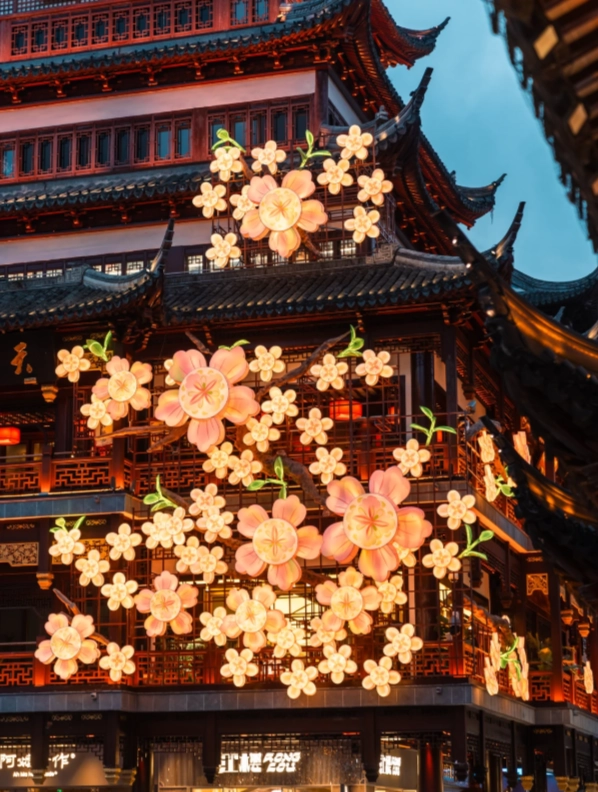
The bazaar is a sensory overload. Hawkers shout, the smell of frying food mixes with souvenir trinkets, and the architecture, while traditional-looking, feels like a theme park set. It's easy to feel herded and hustled.
Some visitors make the mistake of thinking the bazaar is the garden, leave disappointed, and never buy a ticket to the actual serene core. That's the biggest pitfall.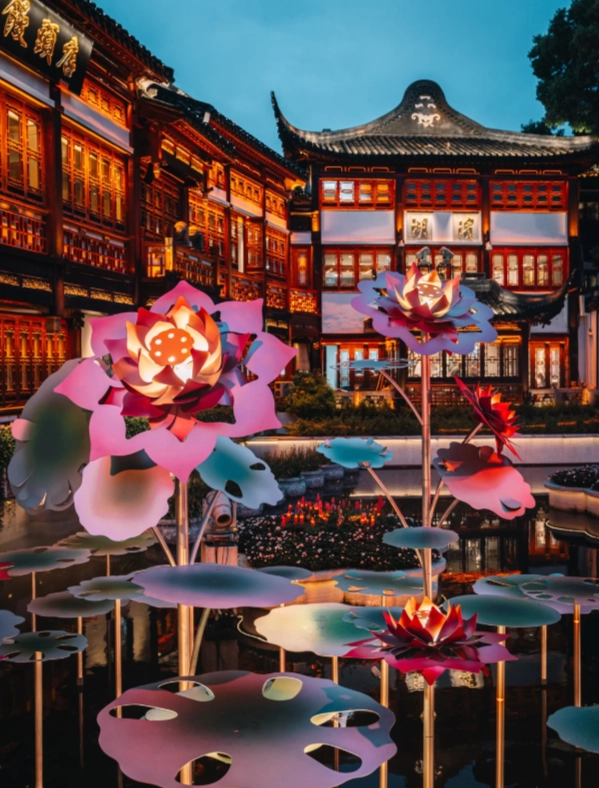
How to Plan Your Visit (The Right Way)
Your strategy defines your experience. Here’s how to tilt the odds in your favor.
Timing is Everything: When to Go
This is the most critical factor. Go as early as possible. The garden opens at 8:30 AM. Be at the ticket booth at 8:15. The first hour is golden—quiet, soft light, the air still fresh. The tour buses haven't arrived.
Avoid weekends and Chinese public holidays if you can. If you must go on a weekend, the early rule is doubly important. Late afternoons (after 4 PM) can also thin out, but you'll have less time inside.
Rainy days? Don't cancel. A light drizzle keeps the crowds away and makes the garden's stones and plants glisten. It's atmospheric.
The Optimal Route: A Step-by-Step Plan
- Start Early at the Garden Core. Enter the main garden (Yuyuan) immediately. Spend 60-90 minutes here exploring slowly. Read the plaques; they explain the symbolism.
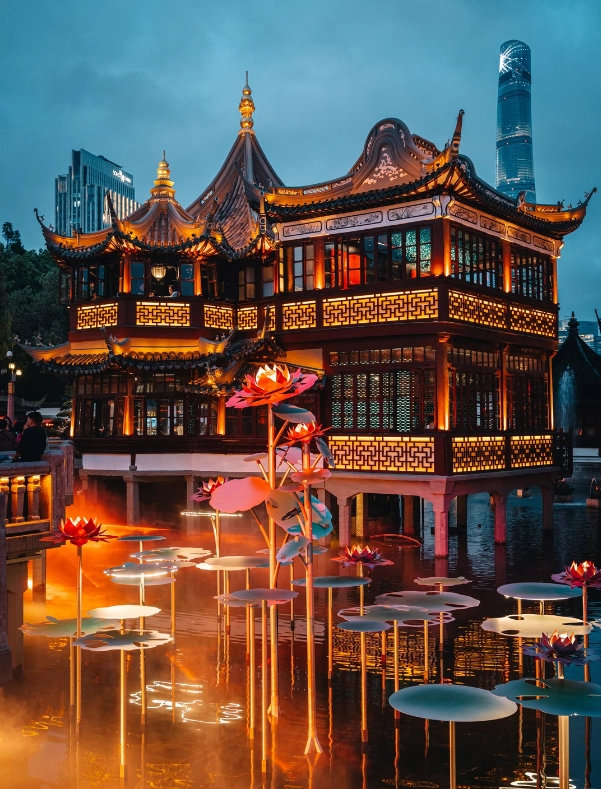
- Exit to the Teahouse Area. Wander the free outer gardens. Snap your photo of the Zigzag Bridge (Nine-Turn Bridge). Consider the Huxinting Teahouse—it's expensive and busy, but sitting upstairs with a pot of tea offers a great view of the pond. I find it a pricey but pleasant respite.
- Conquer the Bazaar Strategically. Now, dive into the market. Have a specific goal: "I want soup dumplings from Nanxiang" or "I'm looking for a silk scarf." Wandering aimlessly leads to fatigue.
- Escape to the Old Street. Instead of exiting back to the modern metro, walk into the surrounding Shanghai Old Street (Fangbang Middle Road). It's less polished, more local, with old shops selling traditional goods. It feels more authentic.
Tickets, Location & Getting There
Yu Garden (Yuyuan) At a Glance
Address: 218 Anren Street, Huangpu District, Shanghai. The nearest metro is Line 10, Yuyuan Garden Station (Exit 1). Follow the signs—it's a 5-minute walk.
Opening Hours: Garden Core: 8:30 AM - 5:00 PM (last entry 4:30 PM). The outer bazaar area stays open later, until around 9:00 PM for shops and food.
| Ticket Type | Price (April 2024) | Notes |
|---|---|---|
| Yu Garden (Yuyuan) Standard Ticket | 40 RMB (≈ $5.50 USD) | Mandatory for the main walled garden. Purchase at counters or official WeChat mini-program. |
| Combination Ticket (Garden + Temple) | 60 RMB | Includes entry to the nearby City God Temple. Only worth it if you plan to visit both. |
| Outer Gardens & Bazaar | FREE | No ticket needed to explore the commercial area and ponds outside the garden walls. |
Getting there is straightforward. Metro is best. A taxi can get stuck in traffic near the old city. If you take a taxi, show the driver the Chinese address: 上海豫园, 安仁街218号.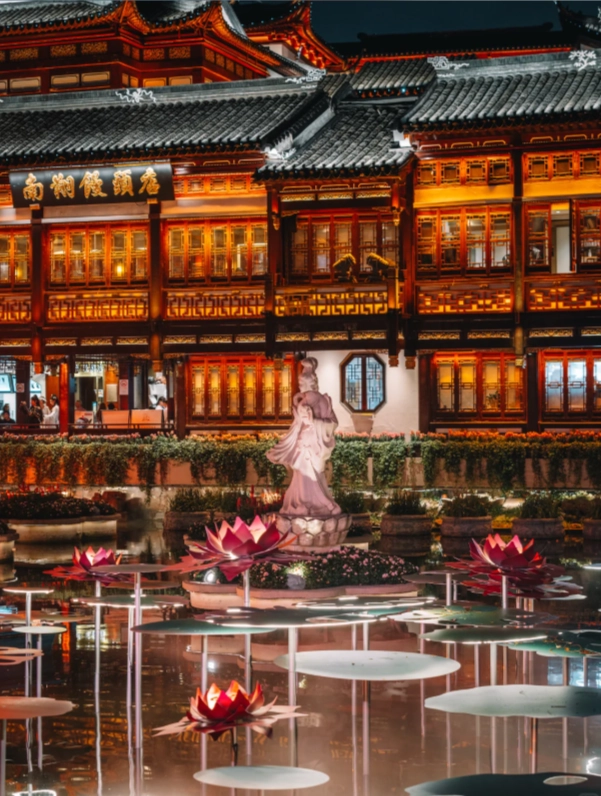
Frequently Asked Questions (FAQ)
 Final Verdict: Is Yu Garden Shanghai worth it? For the culturally curious traveler willing to plan, yes. It's a authentic piece of history in a sea of modern replica experiences. But go with eyes open. See the garden first, tolerate the bazaar second, and go early. That's the formula for a visit that feels valuable, not vapid.
Shanghai offers countless futuristic attractions. Yu Garden offers a whisper from the past. You just have to get there early enough to hear it.






No comments yet.