 Fang Wang
Standing on the Bund for the first time, the view hits you like a physical force. On one side, a parade of colossal, gray-stone buildings—neoclassical, Gothic, Art Deco—looms with a gravity that feels European. Turn around, and the sci-fi skyline of Pudong erupts in glass and light. This stark, cinematic contrast is the Bund's immediate hook. But its fame runs much deeper than a good photo op. It's a living timeline of modern China, compressed into a 1.5-kilometer stretch of riverfront. I've walked this promenade in dawn mist and midnight neon, and its power isn't just visual; it's the weight of history you feel underfoot.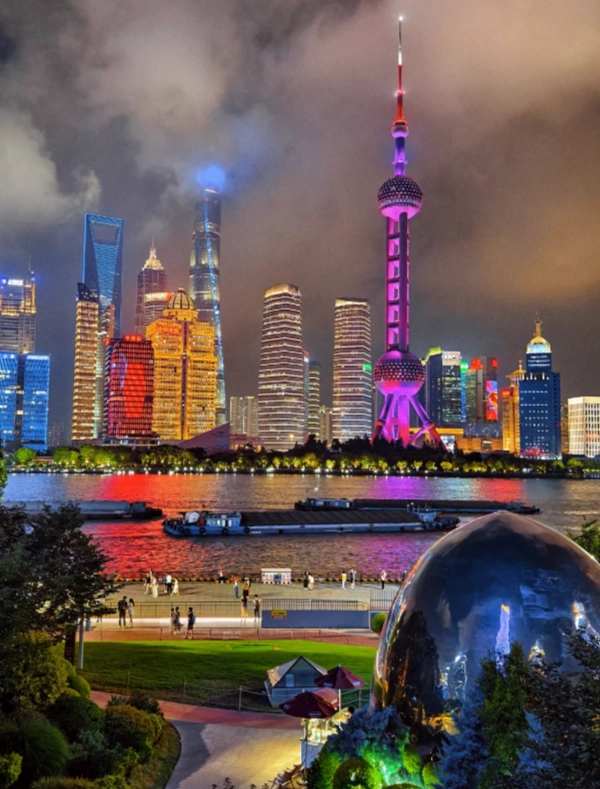
What You'll Find in This Guide
The Historical Layers of the Bund
The name "Bund" itself is a clue. It comes from the Anglo-Indian word for an embankment or quay. In the mid-19th century, after the First Opium War, this muddy riverbank was designated as a British concession. It became the nerve center of foreign trade and finance in China. Walking from south to north, you're tracing the ascent of Western imperial power. The first major structures were clubs and trading houses. By the 1920s and 30s, it was the Wall Street of the East, home to global banks and trading giants. This period cemented its first layer of fame: as the symbol of colonial ambition and economic might.
Then came the pivot. After 1949, the grand buildings were repurposed. Banks became government offices, the Customs House kept functioning, but the foreign flags vanished. The Bund transformed into a symbol of national recovery. In the 1990s, another dramatic shift. Across the river, Pudong's fields were designated a new financial zone. The Bund, once looking outward to the world, now faced its own country's audacious future. This duality—colonial past versus hyper-modern present—is the core of its enduring fascination. It's not a relic; it's a constant dialogue between eras.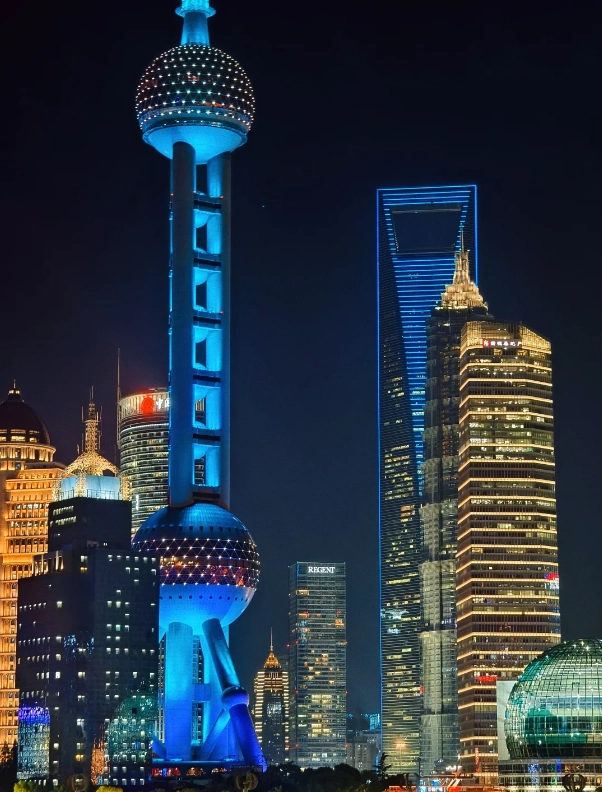
Architectural Grandeur: A Museum of Styles
Calling it "a row of old buildings" is a massive understatement. It's a dense, open-air textbook of early 20th-century architecture. The competition among banks and firms wasn't just about business; it was an architectural arms race. You see it in the details.
The Customs House (No. 13) with its iconic bell tower, a smaller sibling to Big Ben. The HSBC Building (No. 12), now the Shanghai Pudong Development Bank headquarters, which was famously called "the most luxurious building between the Suez Canal and the Bering Strait." Inside, the restored mosaic dome is staggering—most visitors just peek through the door, but you can usually walk in and look up.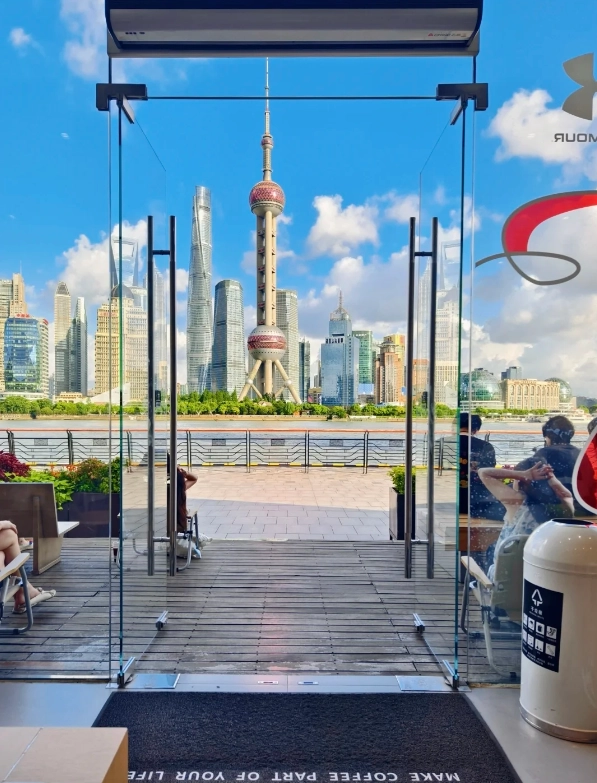
Here’s a breakdown of the key landmarks you can't miss:
| Building (Number) | Original Purpose | Architectural Style | Don't-Miss Detail |
|---|---|---|---|
| No. 1 - Asia Building | McBain Building / Insurance | Neo-Renaissance | The curved corner facade facing the river. |
| No. 2 - Shanghai Club | Exclusive British Club | Renaissance Revival | Once had the world's longest bar (34 meters). Now part of the Waldorf Astoria Hotel. |
| No. 12 - HSBC Building | HSBC Headquarters | Neoclassical | The breathtaking eight-part mosaic ceiling in the main lobby. |
| No. 13 - Customs House | Chinese Maritime Customs | Neoclassical / Gothic | The clock tower and its 1927-made bells, still chiming every 15 minutes. |
| No. 18 - Bund 18 | Chartered Bank / Palace Hotel | Mixture / Modern Renovation | Luxury shopping and dining; a perfect example of adaptive reuse. |
| No. 23 - Bank of China | Bank of China | Art Deco with Chinese Roof | The blend of Western skyscraper form with a traditional Chinese roof. |
The uniformity in height (due to early building restrictions) and the use of stone create a cohesive, powerful streetscape. It feels planned, imposing, which was entirely the point.
The Bund Today: More Than Just a View
So it's historically and architecturally significant. Why does it remain a top global destination? Because it's not a museum piece. It's fully alive. The promenade is a social stage. At sunrise, you'll find tai chi practitioners moving in silence. By afternoon, it's a river of tourists and local couples. At night, it becomes a dazzling light show, with the buildings gorgeously illuminated and Pudong putting on its famous digital display.
The buildings themselves have been ingeniously repurposed. High-end restaurants, luxury boutiques, art galleries, and boutique hotels now occupy these historic shells. You can have a cocktail in a former banking hall, or stay in a room that was once a bank vault. This active preservation keeps the energy contemporary.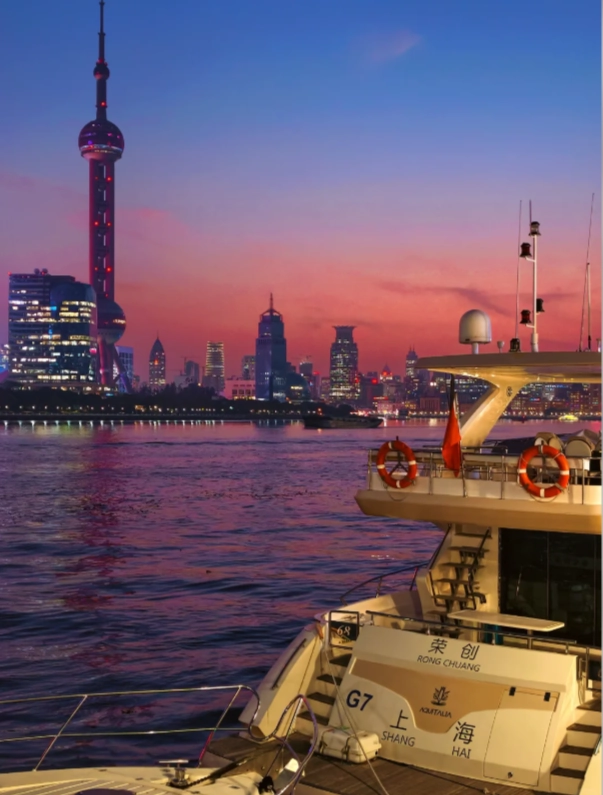
The View: Pudong from the Promenade
Let's talk about the money shot. The view of Pudong (Oriental Pearl Tower, Shanghai Tower, etc.) is best from the elevated walkway section in the middle of the Bund. A common mistake is staying at river level. Go up the steps. The sight is iconic for a reason—it visually tells the story of Shanghai's leap into the 21st century. For a different perspective, the view from Pudong back towards the Bund at dusk is arguably more impressive, as the classical buildings glow against the darkening sky.
How to Experience the Bund Like a Local
Most visitors do a quick walk, snap photos, and leave. To truly get it, you need to slow down and change angles.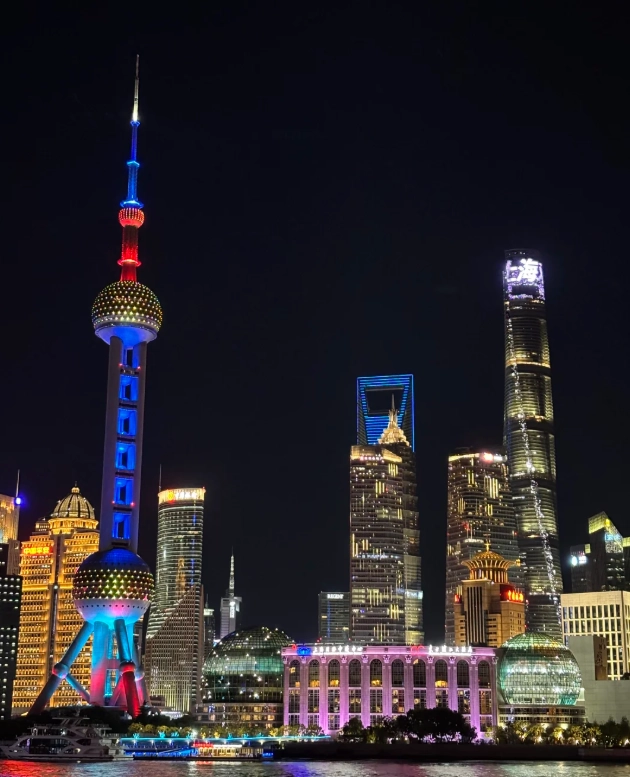
- Timing is Everything: Avoid midday crowds. Go at dawn for serenity and soft light. Return at night for the lights. The magic hour, just before sunset, is when the stone facades turn golden and the Pudong towers start to sparkle.
- Walk the Backstreets: Step one block inland onto streets like Yuanmingyuan Road or Beijing Road. The atmosphere changes instantly—quieter, with cafes in old lane houses. You see the Bund buildings from the side or rear, often more interesting architecturally.
- Use the Ferry: For 2 RMB, take the public ferry from the Jinling Road ferry pier (near the south end of the Bund) across to Pudong. The view from the water, with the buildings lining up, is the classic postcard view and feels far more authentic than the expensive tourist cruises.
- Find a Seat: Grab a coffee from a kiosk and just sit on a bench on the promenade. Watch the river traffic, the people. The Bund reveals itself through observation, not just movement.
Beyond the Obvious: Hidden Gems and Local Secrets
Everyone sees the big buildings. Here's what they often miss.
The Waibaidu Bridge at the north end is Shanghai's first all-steel bridge and a beautiful structure in its own right. The Bund Historical Museum in the basement of the Signal Tower (near the south end) is small, free, and gives a excellent quick overview. The Rockbund area, at the northern fringe, is a quieter, more artistic cluster with contemporary art museums like the Rockbund Art Museum set in restored buildings.
My personal favorite secret: the rooftop bar at The Captain Hostel (near Fuzhou Road). It's a budget hostel, but for the price of a beer, you get one of the most direct, unobstructed, and surprisingly low-key views of the Pudong skyline. No fancy dress code, just a fantastic vista.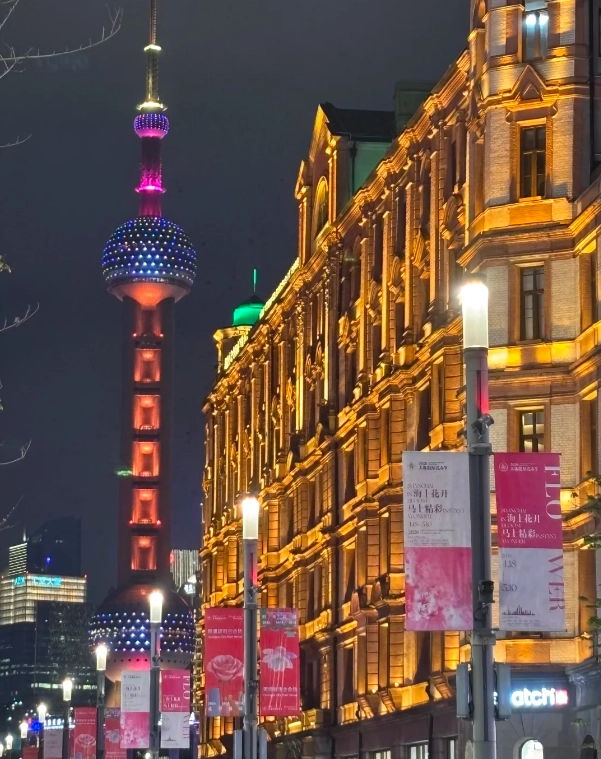
Practical Information for Your Visit
- Address: Zhongshan East 1st Road, Huangpu District, Shanghai. It runs from Yan'an Road in the south to the Waibaidu Bridge (over Suzhou Creek) in the north.
- Admission: The promenade itself is completely free and open 24 hours. Access to the top of some buildings (like the observation deck at No. 18 or bars in hotels) will have a cost.
- Best Time to Visit: Evenings for the lights (buildings lit from 7pm-10pm, later on weekends). Early morning for peace. Avoid national holidays like Golden Week unless you enjoy massive crowds.
- Getting There:
- Metro: Line 2 or 10 to Nanjing East Road Station (Exit 7 is closest). Line 10 to Yuyuan Garden Station is also a good starting point for the southern section.
- Bus: Multiple lines, including Tourism Bus 1.
- Taxi/Ride-hail: Say "Waitan".
- Nearby Attractions: Nanjing Road Pedestrian Street (shopping), Yu Garden & Bazaar (classical garden), the former French Concession.
Your Bund Questions, Answered
Is the Bund worth visiting at night or during the day?
Do both if you can. They are different experiences. Daytime lets you appreciate the architectural details and the historical weight of the buildings. Nighttime is about the spectacle—the light show and the glittering Pudong skyline. If you must choose one, go at dusk and stay into the evening to catch the transition.
How much time should I plan for a visit to the Bund?
A rushed walk from one end to the other takes about 30 minutes. To do it properly—strolling, taking photos, reading plaques, maybe popping into a building or two—plan for at least 2 hours. If you include a ferry ride, a coffee break, or exploring the backstreets, it can easily fill half a day.
What's the best way to avoid the crowds on the Bund?
Go early. Before 8 AM, it's almost quiet. The other strategy is to visit the northern section (closer to the Waibaidu Bridge) which is generally less packed than the area opposite the Oriental Pearl Tower. Weekdays are also noticeably calmer than weekends.
Can I go inside the historical buildings on the Bund?
Yes, many are accessible. Some are banks with public lobbies (like No. 12). Others are hotels (Waldorf Astoria at No. 2, Fairmont Peace Hotel at No. 20), restaurants, or luxury malls (Bund 18). You can usually walk into the lobbies freely. For higher floors or observation decks, you may need to be a guest, dine, or pay an entry fee.
Is there a fee to walk along the Bund promenade?
No, it is completely free and always open. Any costs are for ancillary activities like the Bund Sightseeing Tunnel (a quirky, dated light show ride I don't recommend), tourist ferries, or entry to specific building attractions.
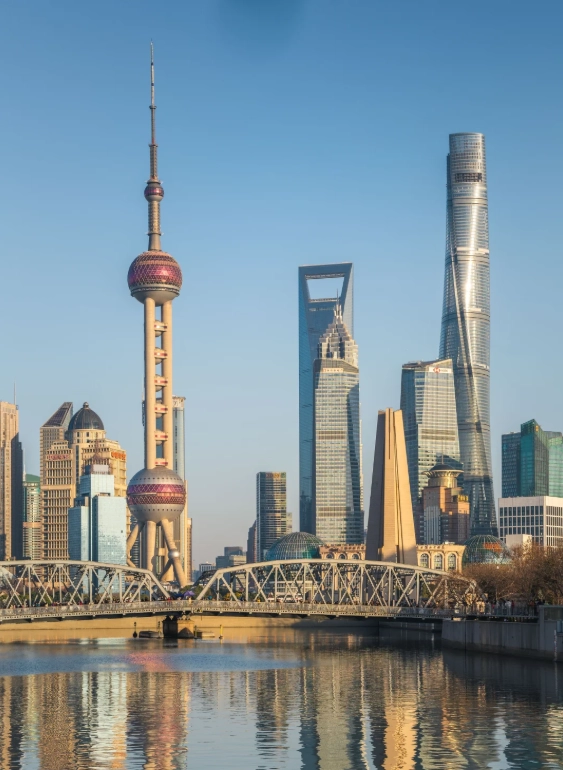 The Bund's fame isn't an accident. It's the result of a perfect storm: profound history etched in stone, architectural drama on a grand scale, and a dynamic, ever-evolving role in the life of one of the world's great cities. It's a place that embodies Shanghai's entire complex identity—colonial past, socialist interlude, capitalist present, and future-facing ambition—all visible in a single, sweeping glance. That's why it's famous. That's why it endures.
This article is based on first-hand visits and cross-referenced with historical sources from the Shanghai Municipal Tourism Administration.





No comments yet.