 Qiang Huang
Standing at a definitive 632 meters (2,073 feet), the Shanghai Tower isn't just China's tallest building; it's a statement of engineering ambition and a defining feature of the Lujiazui skyline. But that number, 632, is where the interesting questions begin. Why that specific height? How does it compare to what you see from the ground? And what's it actually like to be up there? I've been to the observation deck multiple times, in different weather and at different hours, and the experience varies more than you'd think. This isn't just a list of facts—it's a practical guide based on what you'll encounter when you go.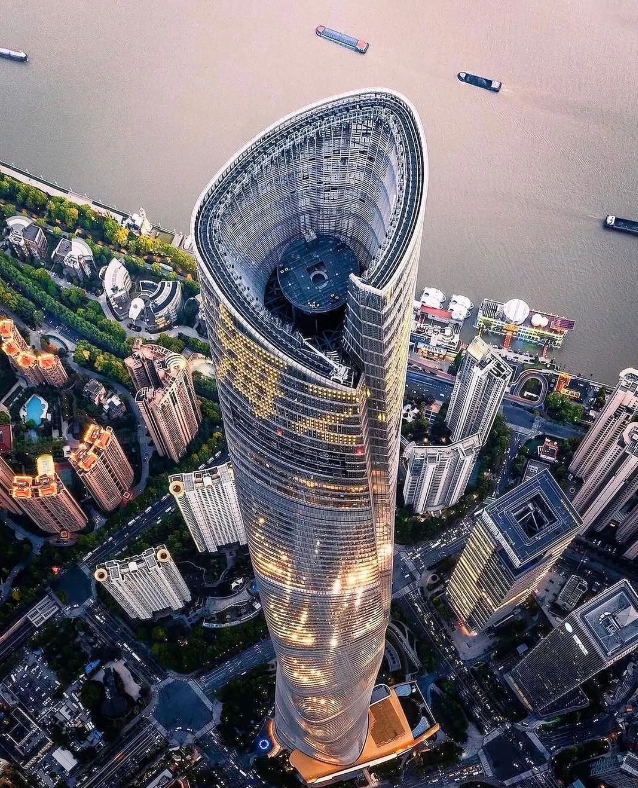
What's Inside This Guide
Why 632 Meters? The Story Behind the Height
The height wasn't an arbitrary choice. It was a strategic calculation. During the planning phase in the mid-2000s, the nearby Shanghai World Financial Center (SWFC) was set to be 492 meters. The Jin Mao Tower was 421 meters. The developers of the Shanghai Tower aimed for a figure that would clearly establish a new hierarchy while considering air traffic control regulations and, frankly, making a symbolic leap. 632 meters did exactly that—it pushed China past the 600-meter mark, a significant psychological and engineering barrier, and secured the title of tallest building in China (a title it still holds).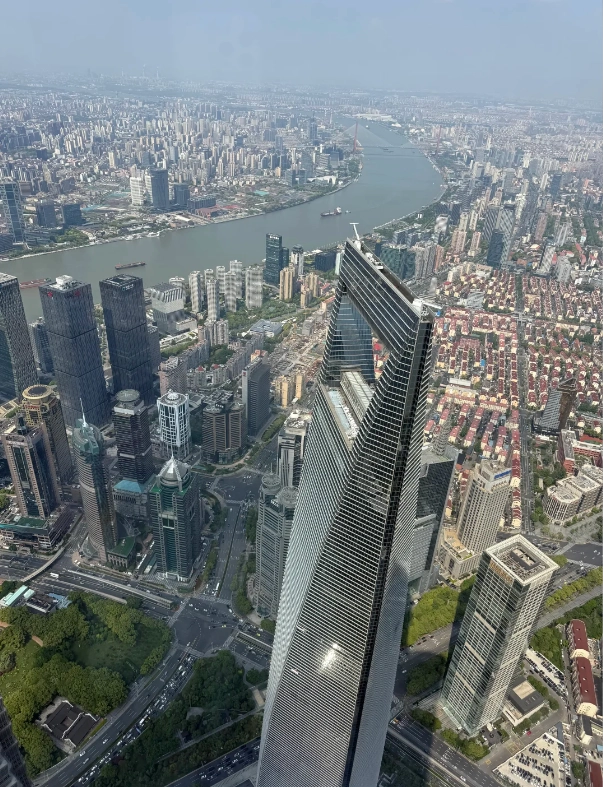
There's a local nuance here that guidebooks miss. From certain angles in the Old City, the tower appears to taper into nothingness against the sky. The chosen height and the 120-degree spiral form work together to reduce wind loads by 24%, a critical factor in typhoon-prone Shanghai. So, 632 meters isn't just about being tall; it's the maximum practical height achievable with that specific, groundbreaking design. If it were a simple box, it likely would have been shorter.
Key Fact at a Glance
Official Height: 632 meters (2,073 ft) to the architectural top (the tip of the parapet).
Floors: 128 above ground, 5 below.
Observation Deck: The Shanghai Tower Observation Deck (known as "Top of Shanghai Observatory") is located on the 118th floor, at about 546 meters.
Address: No. 501 Yincheng Middle Road, Pudong New Area, Shanghai. It's the building with the distinct spiral twist in Lujiazui.
Status: World's third-tallest building by architectural top height (after the Burj Khalifa and Merdeka 118).
How to Visit the Shanghai Tower Observation Deck
This is the part where the number 632 becomes an experience. The entrance is in the separate podium building at the base. My first tip: buy tickets online in advance. The queue at the physical ticket counter can eat up an hour on weekends. Once inside, you'll take a series of elevators. The main ascent to the 118th floor uses Mitsubishi elevators that travel at 18 meters per second. Your ears might pop.
The deck itself is a 360-degree, glass-enclosed space. On a crystal-clear day, the view is staggering—you can see the snaking Huangpu River, the sprawl of the city, and on rare days, the distant outlines of neighboring provinces. But Shanghai is often hazy. I've been up there when the view was just a blanket of white cloud below the deck level. It was surreal, like being on an island in the sky, but a disappointment if you came for panoramas. Always check the weather forecast before you go.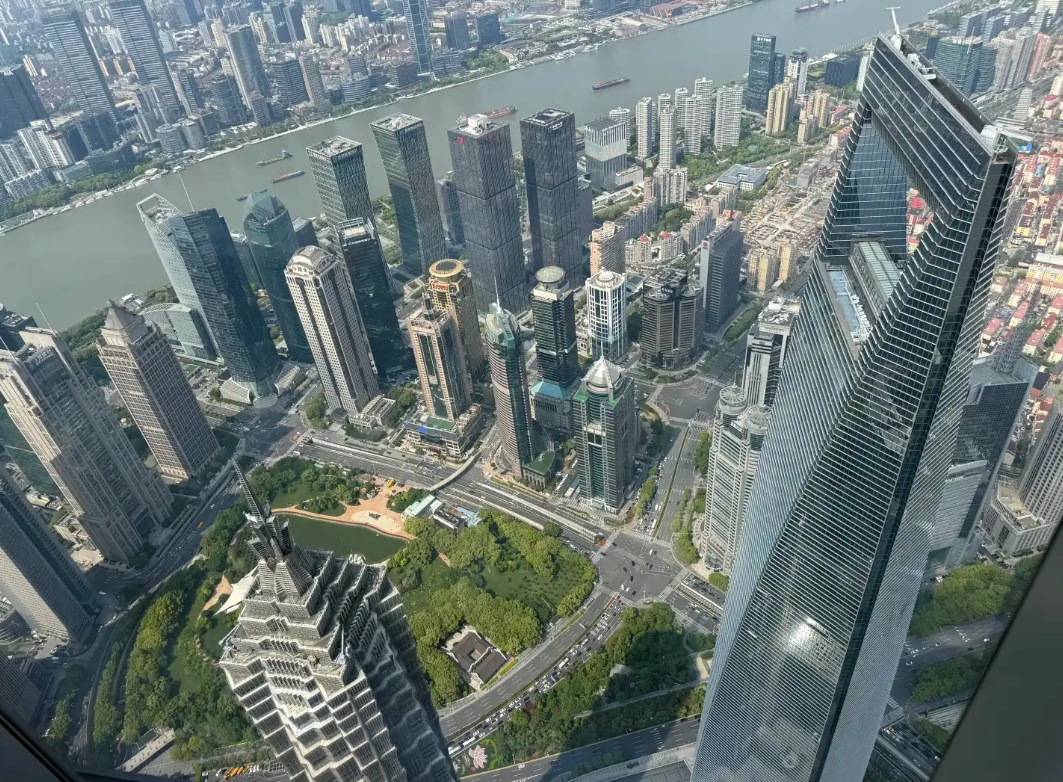
What You Actually See From 546 Meters Up
The deck is at 546 meters, not 632. You don't go to the very top needle. From this height, the other Lujiazui giants, the Jin Mao and the SWFC, look like dignified neighbors rather than rivals. The Bund looks like a miniature model. The most striking thing isn't the landmarks, but the urban fabric—the endless rows of apartment blocks, the ribbons of highways, the green patches of parks. It gives you a real sense of Shanghai's immense scale in a way ground level never can.
Shanghai Tower Height vs. Other Global Skyscrapers
To understand 632 meters, you need context. Here’s how it stacks up. It's crucial to note that buildings are measured differently: to architectural top (including spires), to highest occupied floor, or to tip. The Shanghai Tower's 632 meters is to its architectural top.
| Building | City | Height to Architectural Top | Key Difference from Shanghai Tower |
|---|---|---|---|
| Burj Khalifa | Dubai | 828 m | 196 meters taller. Uses a completely different "bundled tube" design. |
| Merdeka 118 | Kuala Lumpur | 679 m | 47 meters taller. A more recent completion (2023). |
| Shanghai Tower | Shanghai | 632 m | Benchmark for supertall, twisted skyscrapers. |
| Makkah Royal Clock Tower | Mecca | 601 m | 31 meters shorter. Function is primarily a hotel/clock tower. |
| Ping An Finance Center | Shenzhen | 599 m | 33 meters shorter. Has a simpler, tapered rectangular form. |
| Lotte World Tower | Seoul | 555 m | 77 meters shorter. Observation deck is at a similar 478m. |
Within China, its dominance is clear. It's over 140 meters taller than the Ping An Center in Shenzhen. This height secured its place not just in record books, but as the anchor of a perfect photographic triad with the Jin Mao and SWFC.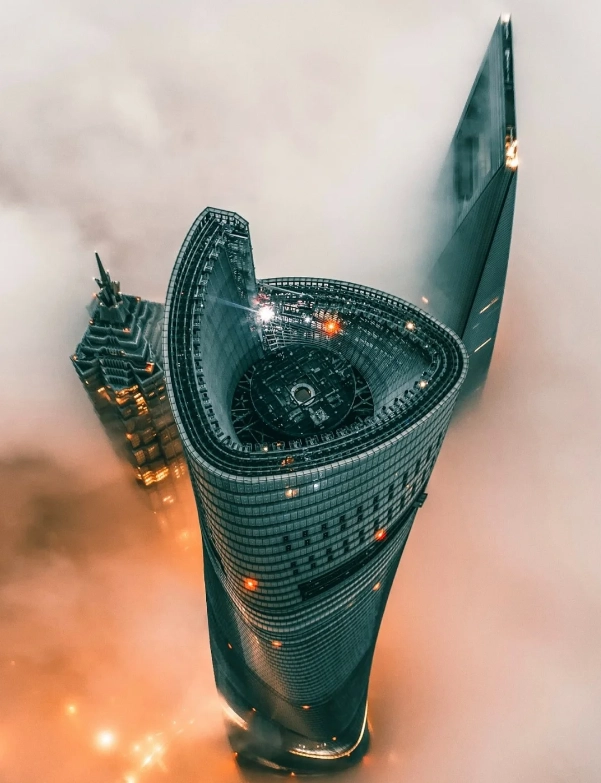
The Engineering Feats That Made 632 Meters Possible
You can't talk about the height without talking about how it stands up. The spiral, twisting form is the key. It's not just an aesthetic choice—it's a aerodynamic one. The 120-degree rotation from base to top significantly confuses the wind, breaking up vortices that would cause a straight-sided tower to sway uncomfortably. This design allowed them to reach 632 meters without needing an excessive amount of steel for bracing.
Another underappreciated feature is the double-skin facade. There are two layers of glass with a cavity in between. This cavity acts as a thermal buffer and houses the building's sky gardens. This system reduces wind pressure on the outer layer and cuts energy costs for heating and cooling by over 20%. It's this kind of integrated thinking that made the extreme height viable from an operational standpoint, not just a structural one. The foundation uses a 6-meter-thick concrete mat poured over nearly 1,000 piles driven deep into the soft Shanghai soil. Standing at the base, you don't feel the 630,000-ton weight above you, but that's where the real magic begins.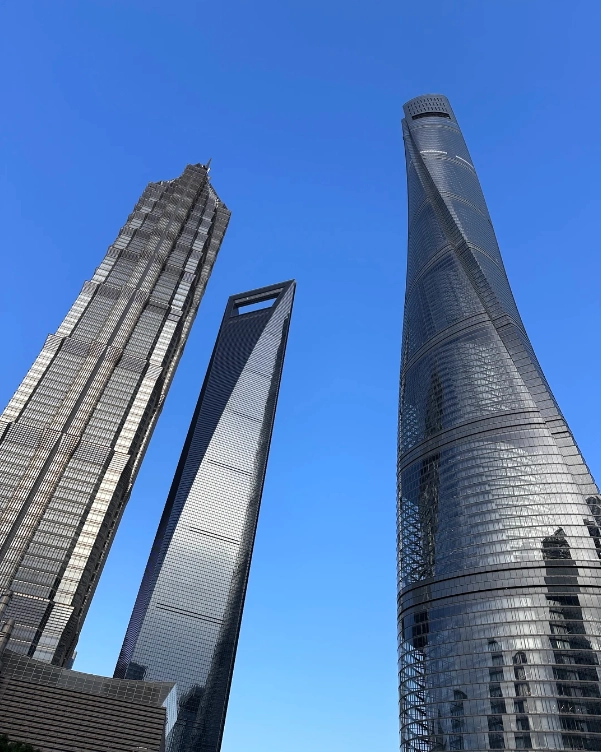
Planning Your Visit: Tickets, Timing & Tips
Let's get practical. Here’s everything you need to know to make your trip match the hype.
Tickets & Hours: The observation deck is open from 10:00 AM to 8:00 PM (last entry at 7:30 PM). Adult tickets are around 180-220 RMB depending on the season and whether you buy a combo ticket with other attractions. Purchase online through the official WeChat mini-program or reputable travel platforms like Trip.com for a small discount and guaranteed entry time slot.
Getting There: The easiest way is the Shanghai Metro. Take Line 2 to Lujiazui Station, Exit 2. Follow the signs. You'll walk through an underground passage that pops you out almost right at the tower's podium. A taxi can drop you at "Shanghai Tower Observatory Entrance."
Best Time to Go:
- For clear views: Go immediately after a day of heavy rain or strong wind, when the pollution has been scrubbed from the air. Late autumn (October-November) often has the best visibility.
- To avoid crowds: Weekdays, especially Tuesday to Thursday, are best. Arrive right at opening (10 AM) or after 5 PM. The pre-sunset period (around 4-6 PM, depending on season) lets you see the city in daylight, watch the sunset, and see the lights come on.
- Worst times: National holidays (Oct 1-7), summer weekends, and any day with forecasted heavy smog or fog.
What to Bring: Just your phone/camera and patience. Bags go through security. The glass is very clean but can cause reflections for photography at night. Pressing your lens hood against the glass can help. There's a gift shop and small café on the observation floor, but prices are premium.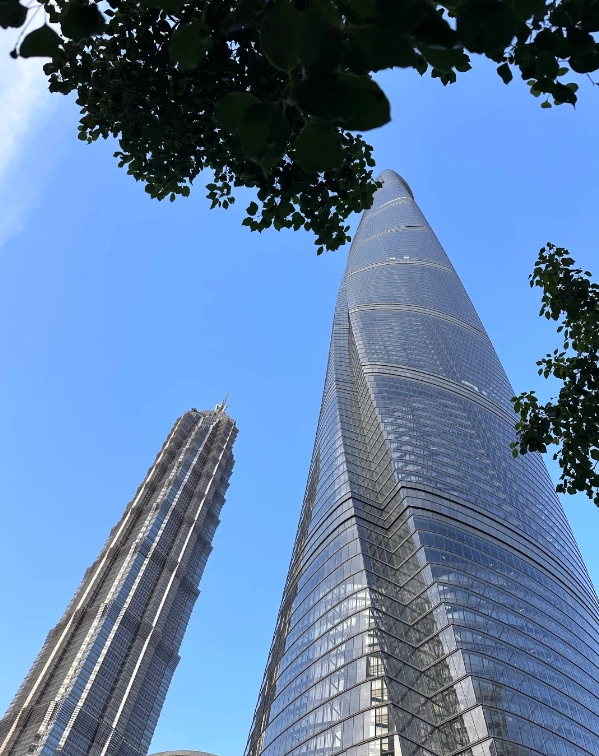
Your Questions on Shanghai Tower Height, Answered
Is the Shanghai Tower the tallest building in the world?
Why can't visitors go to the very top (632m point)?
Does the Shanghai Tower sway a lot at that height?
How does the height affect ticket price and wait times?
Is seeing the Shanghai Tower from the ground enough, or is the observatory worth it?
The Shanghai Tower's 632-meter height is more than a statistic. It's the result of specific engineering challenges, urban planning rivalries, and a desire to push boundaries. It defines a skyline and offers a perspective on Shanghai that is literally unmatched. When you visit, you're not just going up a tall building; you're experiencing the culmination of a specific ambition, frozen in glass and steel. Plan for visibility, book ahead, and you'll understand why this particular number matters.
This article is based on first-hand visits and cross-referenced with official sources from the Shanghai Tower and architectural reports.





No comments yet.