 Jian Zhao
The silence at Maoling Mausoleum is profound. After hours spent contemplating the scale of Emperor Wu's resting place, my thoughts turned, predictably, to lunch. The problem? The immediate vicinity of the tomb complex is fields, quiet roads, and the occasional souvenir stall selling bottled water and instant noodles. The real food, the kind that makes a trip to Shaanxi memorable, isn't here. It's in the nearby city of Xianyang, a 20-minute drive away, where the air smells of vinegar, chili oil, and freshly pulled noodles. This isn't a guide to restaurants at the mausoleum—there aren't any. This is your map to the authentic, working-class Shaanxi cuisine you deserve after a day of history, written by someone who's made the hungry pilgrimage more times than I can count.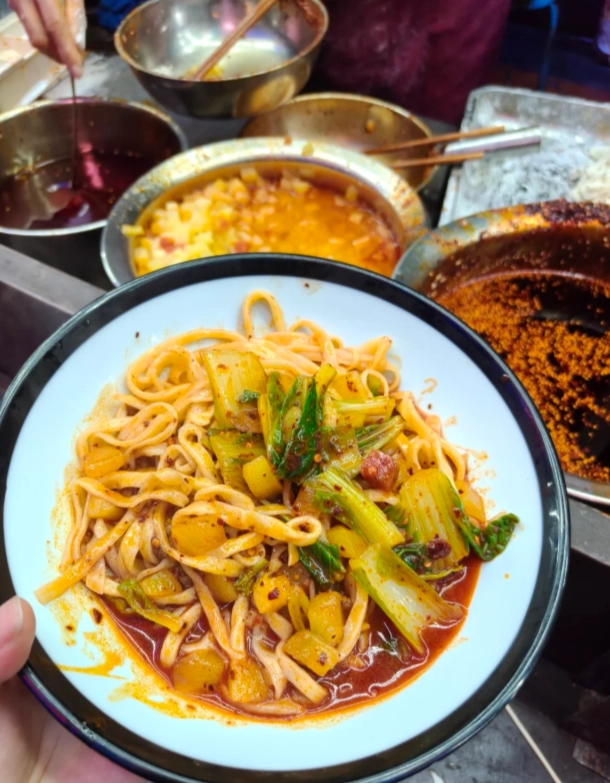
What's Inside This Guide
What to Expect: The Food Scene Around Maoling
Setting Realistic Expectations
Let's be clear: you will not find a charming cafe overlooking the burial mound. Maoling is in a rural area. The few vendors outside the gates sell basics for Chinese tourists—packaged snacks, boiled corn, sometimes grilled sausages. It's fuel, not a meal. Don't waste your hunger here.
Your Food Strategy: Xianyang City is the Answer
Xianyang, the ancient Qin dynasty capital sitting just across the Wei River from Xi'an, is your target. It's less polished than its famous neighbor, which is exactly why the food is often better and cheaper. This is a city where people eat to live and enjoy it immensely. The culinary heartbeat is in its noodle shops, roujiamo stalls, and local canteens tucked away in residential blocks, not on wide boulevards.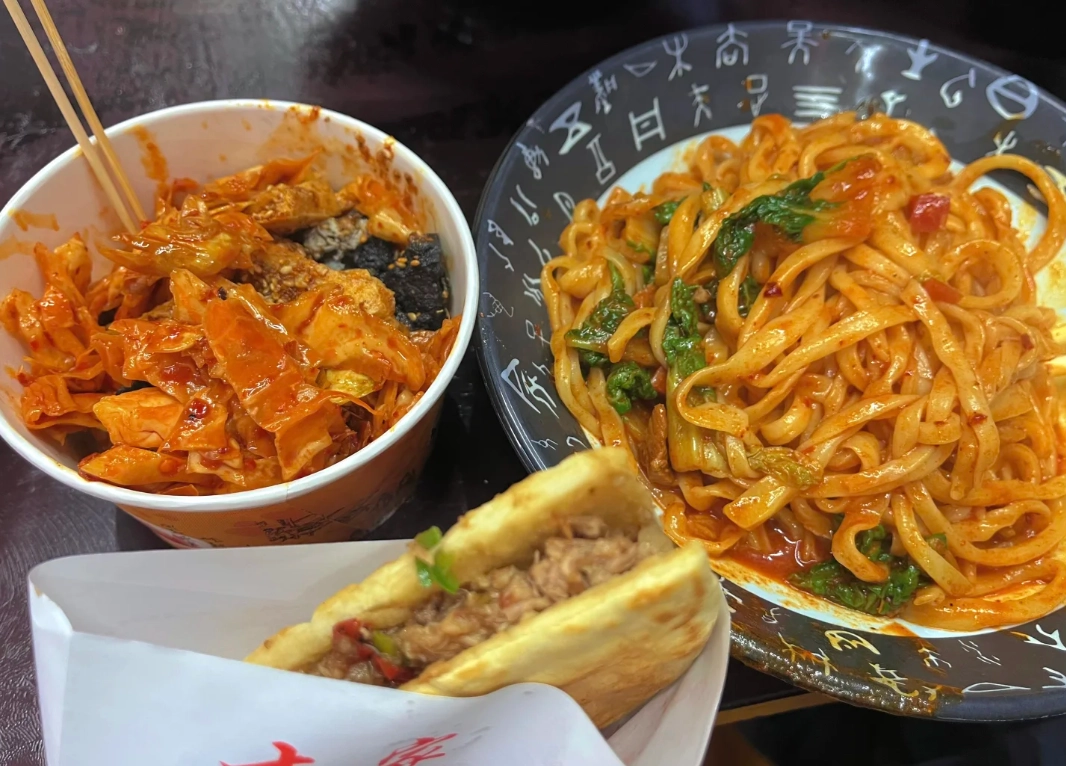
Local Insight: Most tour groups head back to Xi'an for dinner. By staying to eat in Xianyang, you're not just avoiding traffic; you're stepping into a food culture that feels more immediate and less performed for tourists. The flavors are bolder, the portions heartier, and the experience infinitely more genuine.
How to Find Authentic Food in Xianyang
Forget fancy addresses. The best spots are found by following two rules: look for a crowd of local people (not tourists), and look for places where the menu is a plastic sign on the wall or doesn't exist at all.
Navigating the "Noodle Alley" Near Beiyuan
After my last Maoling visit, my taxi driver dropped me at the edge of a bustling market street near Beiyuan. He just said, "Eat here." It was a narrow lane strung with red lanterns, every storefront steaming with giant pots. This is where you go to see—and taste—the real deal. Old men slurp bowls wider than their faces. The sound is a symphony of chopping, boiling, and satisfied chewing. No one speaks English. It's perfect.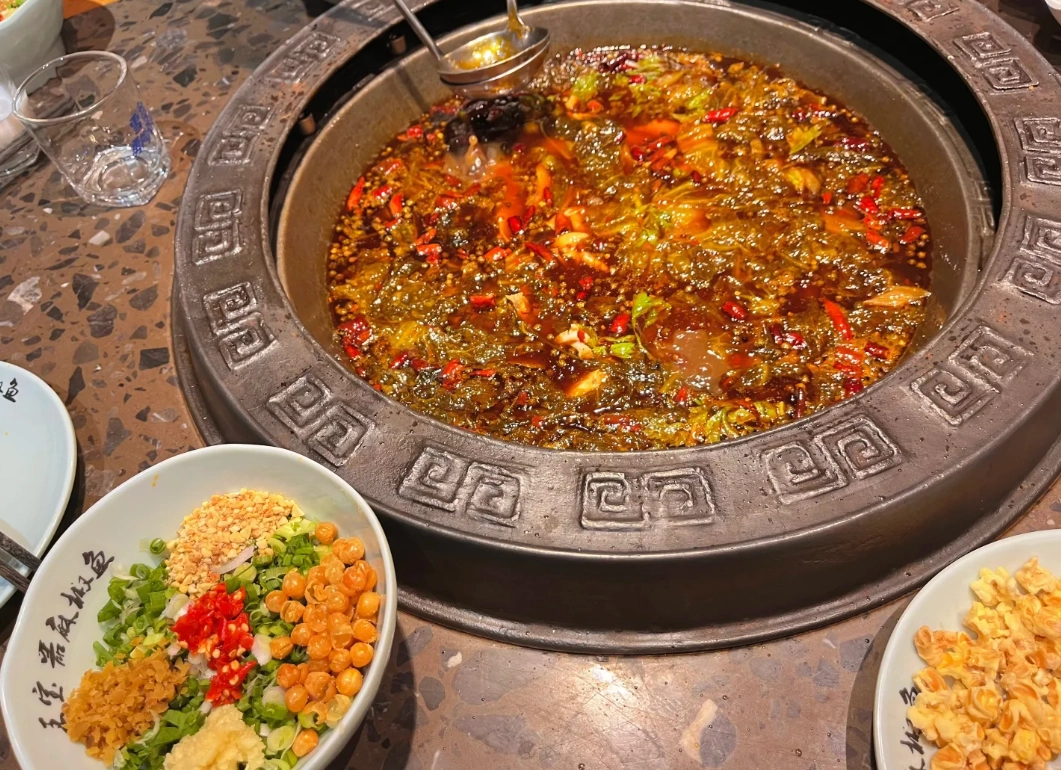
A Trusty Local Canteen: Lao Zhang Jia
Lao Zhang Jia Fan Dian (Old Zhang's Family Restaurant)
Vibe: No-nonsense, fluorescent-lit, formica tables. The plastic stools are worn smooth. It's clean in the way a busy kitchen is clean—functional, not spotless.
Address: Look for it on Qingnian Road, near the intersection with Zhongshan Street. It's a green sign with white characters.
Why it works: It's a local institution. You point at what you want in the pots and trays at the front. A heaping plate of food and a bowl of rice costs about 25-35 RMB ($3.50-$5 USD). It's open from 10:30 AM until the food runs out, usually around 8 PM. Go early for the best selection.
Must-Try Dishes and Where to Eat Them
Shaanxi food is wheat-based, savory, and leans heavily on vinegar and chili. It's robust fare for a climate that swings from hot to cold. Here’s what to seek out.
Biang Biang Noodles (You Po Mian)
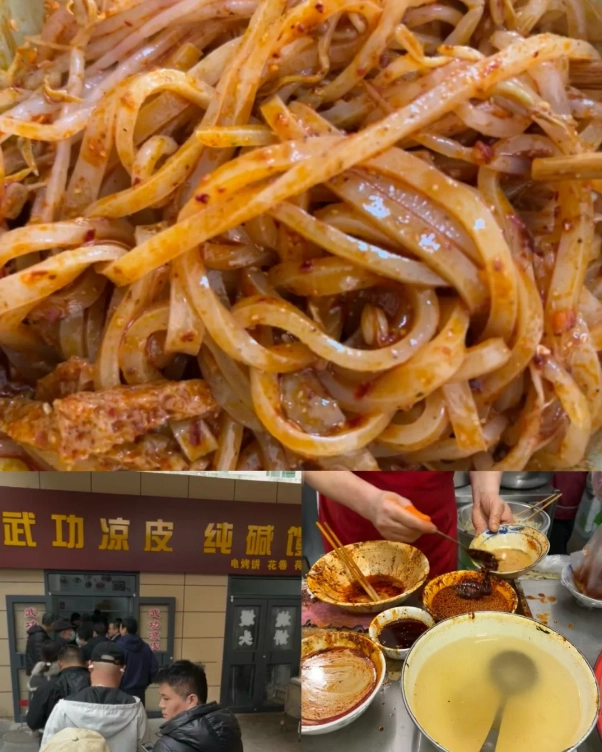
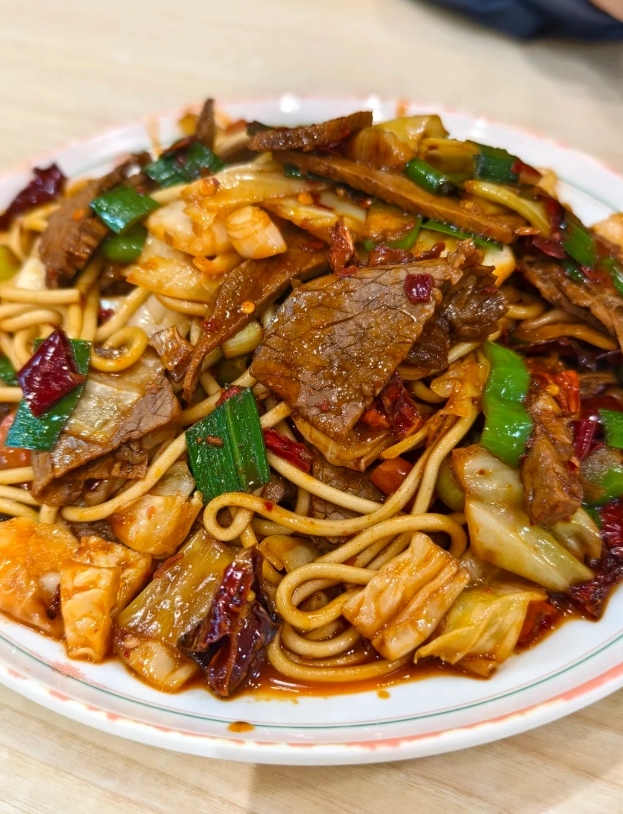
These are the wide, belt-like noodles you've probably seen in videos. The name "Biang Biang" is onomatopoeic for the sound of the dough being slapped on the counter. In Xianyang, you'll more often see it called You Po Mian (油泼面), which means "oil-splashed noodles." The magic happens at the end: thick noodles are topped with chili powder, chopped garlic, and Sichuan pepper, then searing hot oil is poured over everything with a dramatic sizzle. The result is aromatic, slightly numbing (from the pepper), and deeply satisfying.
Where to get it: Any dedicated noodle shop. I had a fantastic bowl at a place simply called "Qin Zhen You Po Mian" on a side street off Renmin Road. A massive bowl cost 18 RMB ($2.50 USD). They hand-pull the noodles to order.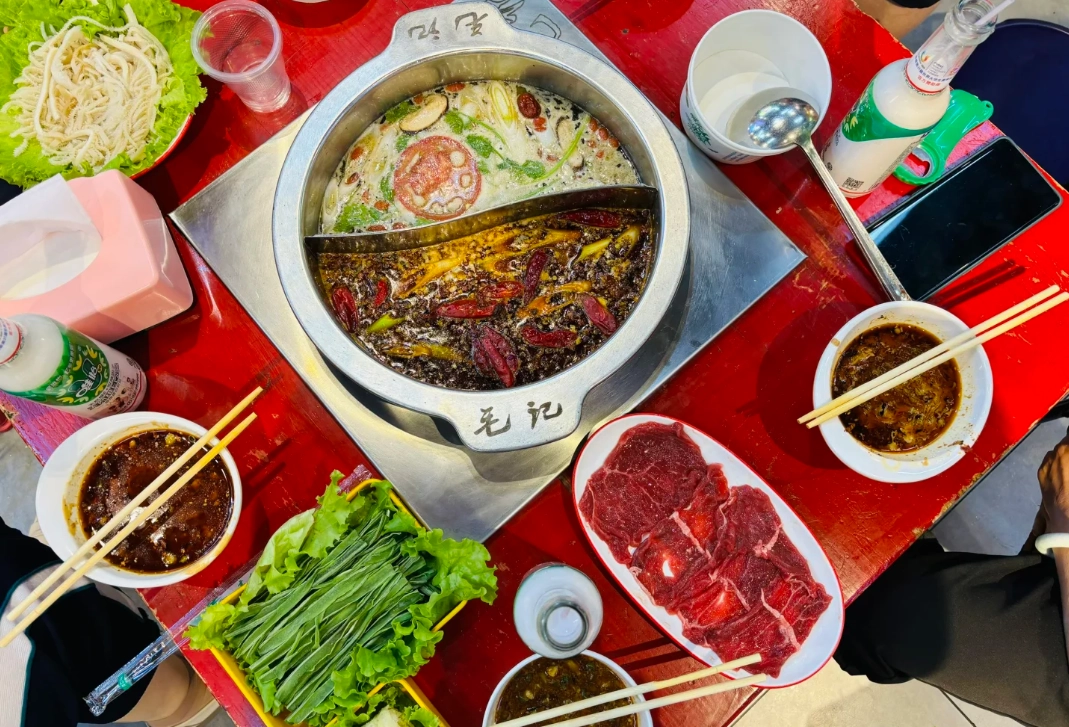
Roujiamo (Chinese Meat Burger)
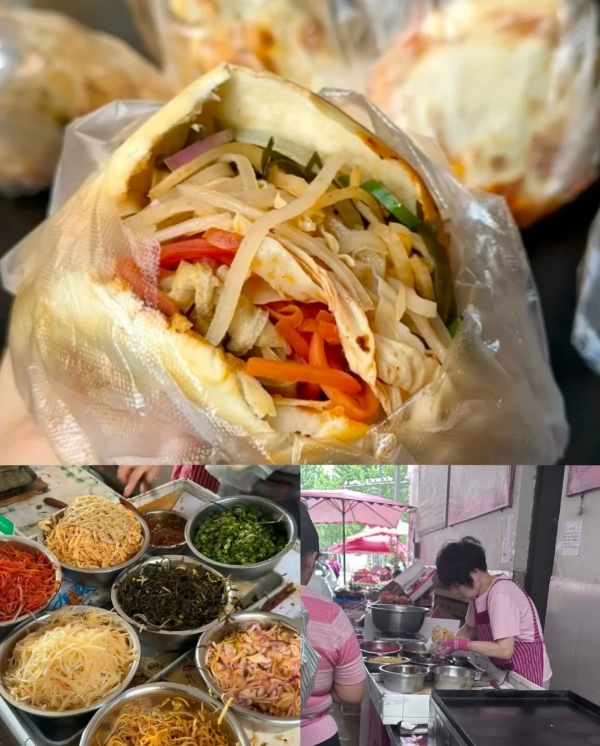
Forget the dry, Westernized versions. A proper Xianyang roujiamo is a revelation. The "mo" (bread) is a flatbread baked in a clay oven until crispy outside and soft inside, then split open. It's stuffed with stewed, fatty pork that's been chopped with a cleaver, seasoned with cumin and other spices. The meat is juicy, the bread soaks up the juices, and it's messy in the best way. It's the ultimate handheld food.
Where to get it: Street stalls are your best bet. Look for a glass case full of stewing meat. One of the most famous local chains, Zi Zhi Lu Roujiamo, has several outlets in Xianyang. A classic pork one costs about 12 RMB ($1.70 USD).
Liangpi (Cold Skin Noodles)
A lifesaver on a hot day. Liangpi are chewy, cold noodles made from wheat or rice flour, served with gluten chunks, cucumber shreds, and a dressing that is the star: a potent mix of vinegar, chili oil, garlic, and mustard. It's tangy, spicy, and incredibly refreshing. The texture is springy and light.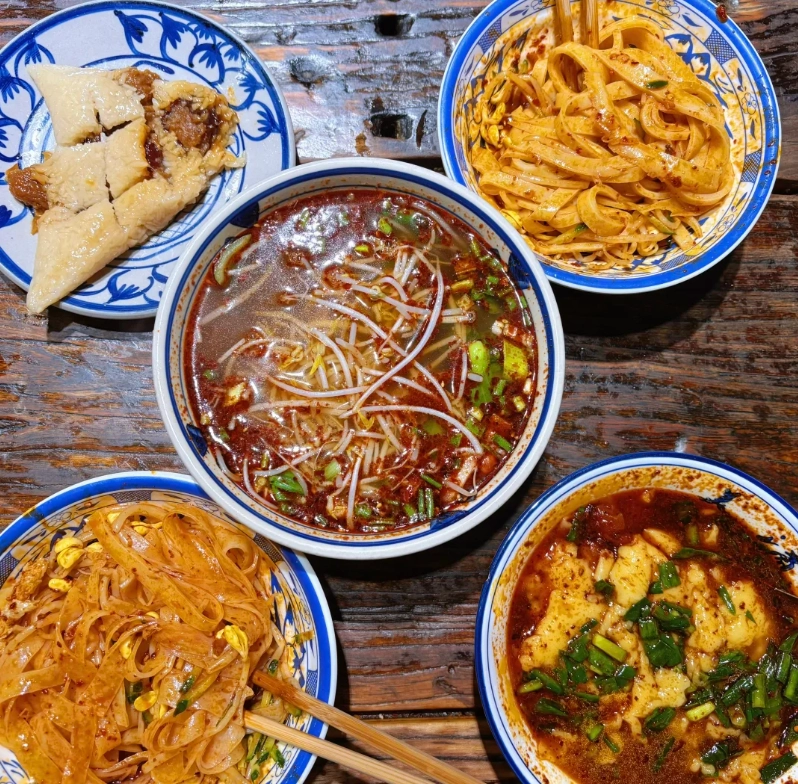
Qianxian Hele (Sorghum Noodles)
This is a Xianyang specialty you're less likely to find in Xi'an. Hele are short, coarse noodles made from sorghum or buckwheat, giving them a distinctive, slightly grainy texture and nutty flavor. They're usually served in a simple, savory broth with minced pork, tofu, and greens. It's comfort food—earthy, wholesome, and filling.
| Dish (English/Pinyin) | Key Flavors & Texture | Approx. Price (RMB/USD) | Best For |
|---|---|---|---|
| Biang Biang Noodles (You Po Mian) | Spicy, aromatic, numbing (Sichuan pepper), wide & chewy noodles | 15-22 RMB / $2-3 USD | A hearty, signature meal |
| Roujiamo | Savory, cumin-spiced, juicy stewed pork in crispy bread | 10-15 RMB / $1.5-2 USD | A quick, filling snack |
| Liangpi (Cold Noodles) | Tangy, spicy, garlicky with chewy, cold noodles | 10-15 RMB / $1.5-2 USD | A refreshing lunch on a warm day |
| Qianxian Hele | Earthy, savory, coarse-textured sorghum noodles in broth | 12-18 RMB / $1.7-2.5 USD | Trying a true local specialty |
Practical Tips for Your Culinary Adventure
How to Order Without an English Menu
This is easier than it sounds. If there's no English menu, use these tactics:
- Point at pictures: Many places have photos on the wall.
- Point at someone else's bowl: A universal language. Walk over, smile, point to what looks good, and give a thumbs up. I've never had anyone mind.
- Learn the keywords: Say "you po mian" for oil-splashed noodles, "roujiamo," or "liangpi." Pronunciation attempt is appreciated.
- Use your phone: Have a translation app ready or show a photo from this guide.
Payment, Hygiene, and Other Concerns
Payment: Mobile payments (WeChat Pay, Alipay) are king, even at street stalls. Have these set up. Cash (RMB) is a reliable backup. Cards are rarely used in these local spots.
Hygiene: Look for places with a high turnover of customers—the food is fresh. I avoid raw vegetables from street stalls that look like they've been sitting out. Stick to freshly cooked or peeled items. The noodles, roujiamo, and anything boiled or fried are generally safe bets. Carry hand sanitizer.
Spice Level: They'll assume you want it local-style—spicy. If you're sensitive, say "bu yao la" (don't want spicy) or "wei la" (a little spicy).
A Sample Food-Focused Itinerary
- Morning: Visit Maoling Mausoleum. Explore the museum and grounds.
- Late Morning (11:30 AM): Take a taxi (approx. 30-40 RMB / $4-6 USD) to Xianyang city center. Ask for "Qingnian Lu" or "Renmin Lu."
- Lunch (12:00 PM): Dive into a noodle shop for a bowl of You Po Mian. Follow it with a roujiamo from a nearby stall if you're still peckish.
- Afternoon: Walk off lunch. Explore the nearby Xianyang Museum (it's excellent and free) or the remnants of the old city wall.
- Late Afternoon (4:00 PM): Find a snack. Try a bowl of liangpi or hunt down some hele noodles.
- Evening: Take the metro (Line 1) from Xianyang directly back to central Xi'an (about 45 minutes), happily full and having experienced a side of Shaanxi most tourists miss.
Your Questions Answered (Maoling Food FAQ)
 Can I drink the tap water in Xianyang?
This guide is based on firsthand experience and multiple visits to the region. Information regarding prices and operating hours was accurate at the time of writing and is subject to change. Always double-check with the venue if a specific dish or opening time is critical to your plans.





Honestly, I was a bit let down. The food is okay but nothing special for the price. I paid 28 RMB for a bowl of noodles that tasted like instant ramen with a few veggies thrown in. The lamb skewers were overcooked and dry. The place was crowded and noisy, and the tables weren't wiped clean. I get that it's a tourist spot, but I've had much better street food in Xi'an city for less. Maybe I ordered wrong, but I left feeling meh. Not terrible, but I wouldn't go out of my way.
A solid 4 stars. The food is good — I especially liked the suanla tang (hot and sour soup) and the cumin lamb flatbread. However, the wait was a bit long (about 25 minutes for the main dishes) because it was peak lunch hour. Also, they ran out of the special handmade noodles I wanted. The staff were friendly enough, but the chaos of the open kitchen made it feel a little disorganized. Still, the flavors were authentic and the location is convenient right next to the tomb entrance. Would come back but earlier.
Came here with my family after a long morning exploring the Maoling museum. The cold skin noodles (liangpi) were a lifesaver — refreshing, spicy, and perfect for the heat. My kids loved the fried dough twists with sugar. The portion sizes are generous and prices are very fair (about 15 RMB per dish). The setting is basic but clean, and you can see the mausoleum mound from the dining area — how cool is that? Definitely a highlight of our trip.
I wasn’t expecting much from a roadside spot near an ancient tomb, but wow — the biangbiang noodles here are legendary. Wide, chewy ribbons drenched in chili oil and vinegar, with garlic sprouts on top. My husband had the lamb paomo (bread soaked in lamb soup) and said it was the best he’s had outside Xi’an. The owner’s son spoke some English and helped us order. Only downside: plastic stools aren’t the comfiest, but the food more than makes up for it. Five stars for taste alone!
Stopped by after visiting the Maoling tomb site — what a treat! The lamb skewers here are smoky and tender, with a cumin kick that hits just right. I also tried the hand-pulled noodles in a rich broth, and they were absolute comfort food. The old lady running the stall was so warm, even taught me a few phrases in Shaanxi dialect. This is exactly the kind of authentic local experience I travel for. Highly recommend coming hungry!
Tried the much-hyped 'tomb-side' lamb skewers and they were decent—spicy, cumin-heavy, and juicy. But everything came out swimming in oil, which made the meal feel heavy. The dining area was cramped and loud with tour groups, not very relaxing. On the plus side, the homemade chili oil was fantastic and they have a good selection of local beers. A solid 4 stars if you're in the area and want something quick, but not a destination eatery.
Solo traveler here—this place made my day. I found a tiny family-run stall just outside the mausoleum parking lot. The owner didn't speak English but her smile said it all. She served me a bowl of hand-pulled noodles in a rich, peppery broth with chunks of braised pork. It was so comforting after a long hike. I also tried the sesame cake—crispy outside, fluffy inside. Total cost was about 20 RMB. Genuine, no-fuss local food at its best.
Honestly a bit let down. I was excited to try local dishes near the Han dynasty tombs, but the food was lukewarm when it arrived. The sautéed greens were overly salty and the noodle soup lacked depth. Service was slow too—waited nearly 20 minutes just for a bowl of noodles. The only redeeming thing was the view of the mausoleum from the outdoor seating. Maybe I came on an off day, but I wouldn't go out of my way for this place.
The setting is amazing—right next to the ancient tombs, you can almost feel the history. I ordered the millet porridge and pickled vegetables, which were fine but nothing mind-blowing. The price felt a bit steep for such simple dishes, though I guess you're paying for the location. The staff were friendly enough, but the whole experience felt a bit rushed. Worth it for the ambiance, but don't expect gourmet food.
Stumbled upon this little spot after visiting the Maoling Mausoleum and it was exactly what I needed. The braised lamb with local herbs was incredibly tender, and the handmade flatbread had a perfect smoky char. The owner even came out to explain how they've been using the same clay oven for decades. If you want authentic Han dynasty-era flavors (or at least what they might have tasted like), this is the place. 5/5, no hesitation.
A solid choice if you're already at the site. The pan-fried dumplings were crispy and juicy, and the price was reasonable (about 35 yuan for a full meal). I docked a star because the service was slow – there was only one cook handling the whole place, and we waited nearly 25 minutes for our order. But the flavor made up for the wait. Stick to the dumplings and cold dishes.
If you want authentic flavors without the tourist markup, this is it. I ordered the 'maoling special stew' – a rich, earthy lamb soup with local herbs, and it was exactly what I needed after a long morning at the mausoleum. The owner even showed me how they ferment the chili paste. Only downside? No English menu and limited drink options (just tea and water). But worth it for the food.
Honestly a bit let down. I came here based on the rave reviews about the local dishes, but the spicy chicken I ordered was dry and swimming in oil, and the steamed buns were cold in the center. The place was also swarming with flies. The only redeeming thing was the vinegary cucumber salad – refreshing but not worth the trip. Maybe they were having an off day?
Decent local spot near the Maoling complex. I had the hand-pulled noodles with braised beef – hearty and flavorful, though the broth was a bit too oily for my liking. The staff were friendly and quick, but the seating area is very basic (plastic stools under a tent). Still, for a quick lunch after tomb exploring, it hits the spot. Just don't expect any frills.
I was visiting the Maoling Mausoleum and stumbled upon this little gem right outside. The lamb skewers were incredibly tender with a perfect smoky char, and the flatbread was still warm from the clay oven. The owner told me they use a family recipe passed down for generations – you can really taste the history in every bite. If you're near the Han Dynasty tombs, this is a must-stop. Absolutely unforgettable!