 Ting Chen
Quick Navigation: What You'll Find in This Guide
Let me be straight with you. Most zoos in China feel… similar. Crowded pathways, animals looking bored behind glass. But Yunnan Wildlife Park? It's the exception. I've been taking international tour groups here for over a decade, and it's the one place where even the most travel-weary client's eyes light up. Why? Space. This park is huge, built into the rolling hills north of Kunming. The animals have room to roam, and you get a sense of seeing them in a habitat that, while managed, feels a world away from a concrete enclosure.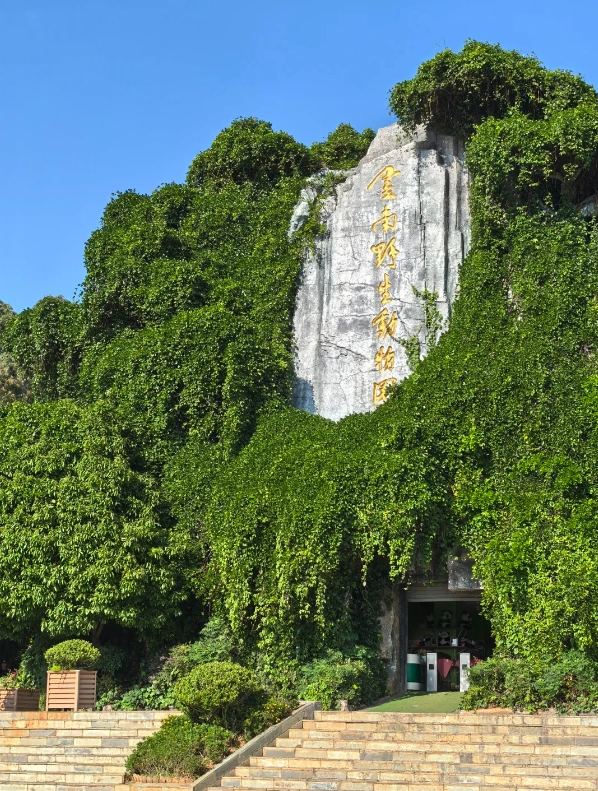
The star is, of course, the giant panda. But what most first-time visitors miss are the other rare species native to Yunnan's mountains and jungles – the snub-nosed monkey with its blue face, the incredibly shy red panda, and one of the best Asian elephant herds in the country. My goal here isn't just to tell you it's good. It's to give you the exact plan I use for my own clients: how to get there without hassle, when to go to actually see the animals active, and how to structure your day to avoid the tour bus crowds. Think of this as your backstage pass.
Why This Park is Different (And Why You Should Go)
First, let's clear something up. This isn't a "safari park" where you stay in your car. You walk. A lot. The park covers a massive area, and the layout uses the natural slopes beautifully. You'll be getting your steps in, but the scenery is part of the experience – forested paths, lakes, and open savanna-style areas. The animal collection is focused on species from the Himalayan region and Southwest China, which makes it uniquely educational. You won't see lions or giraffes here. Instead, you're learning about the fragile ecosystems of Yunnan and the Himalayas.
I always tell my groups: the biggest mistake is treating this like a checklist. Rushing from one enclosure to the next. The magic happens when you slow down. Spend 20 minutes watching the gibbons swing. Notice how the keepers hide food for the small-clawed otters to find. That's when you appreciate the park's design. It's built for observation, not just a quick photo op.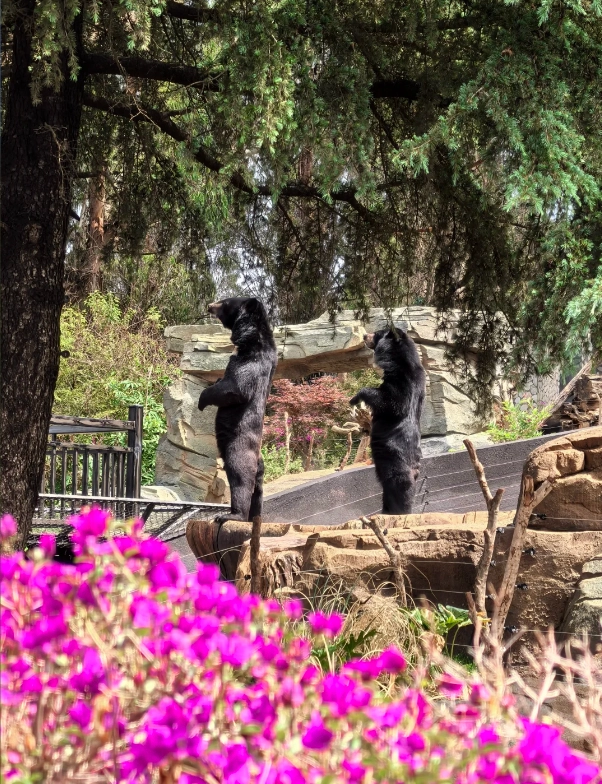
A Quick Reality Check
It's not all perfect. The park is big, so some walking routes involve steep-ish hills – not ideal for those with serious mobility issues (though there are shuttle buses, more on that later). The food options inside are basic Chinese fast food, and the gift shops are, well, typical gift shops. But if your priority is seeing amazing animals in a good environment, these are minor trade-offs.
Planning Your Visit: Tickets, Timing & Transport
This is where most online guides are useless. They tell you to "book online" but don't explain how if you don't have a Chinese phone number. Let's fix that.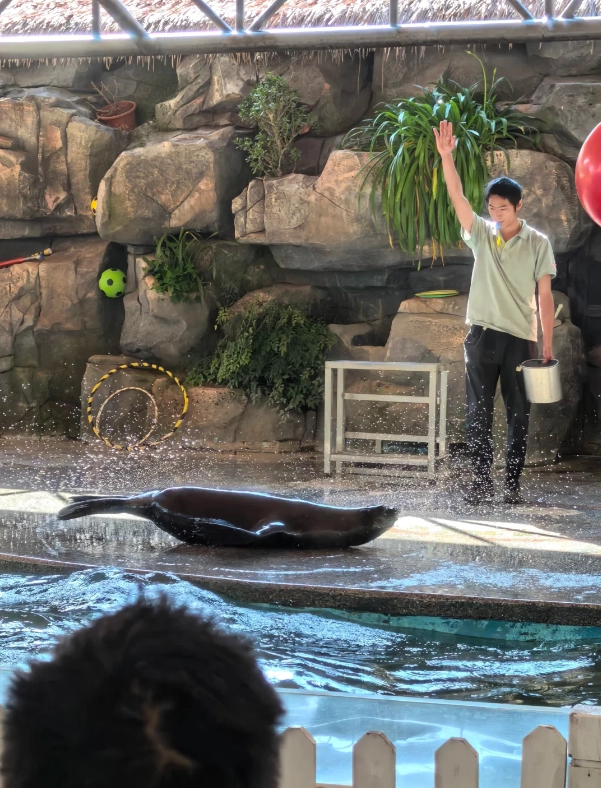
Buying Tickets Without WeChat or Alipay
The official price is 100 RMB for adults. Seniors over 60 and children between 1.2m and 1.4m get a 50% discount (50 RMB). Kids under 1.2m are free. You do NOT need to book days in advance. Here are your on-the-ground options:
- At the Gate: The ticket windows accept cash (RMB) and most international credit cards (Visa/Mastercard). I've seen them swipe foreign cards countless times. This is your easiest bet.
- Online via Trip.com: If you want a digital ticket, use Trip.com or Klook. You can book with a foreign card, receive a voucher, and scan it at the gate. It's the same price but can save you 2 minutes in line.
Ignore the QR codes plastered everywhere that only work with WeChat Pay. They're not for you.
Best Time to Visit & Opening Hours
The park opens at 9:00 AM and last entry is at 4:30 PM. It closes around 6:00 PM. Seasons matter here.
- Spring (March-May) & Autumn (Sept-Nov): Perfect. Mild weather, animals are active. This is the absolute best time.
- Summer (June-August): Can be rainy and humid. Mornings are still great, but afternoon thunderstorms are common. Go early.
- Winter (Dec-Feb): Kunming winters are mild but chilly in the morning. Many animals, like the pandas, are outside if it's sunny. The park is much less crowded.
My golden rule: Be at the gate for 9:00 AM opening. Why? The animals are fed in the morning and are most active. The pandas are munching bamboo. The big cats are pacing. By 11:30 AM, the first big wave of tour groups arrives, and the main pathways get busy. By 2:00 PM, many animals are napping in the shade.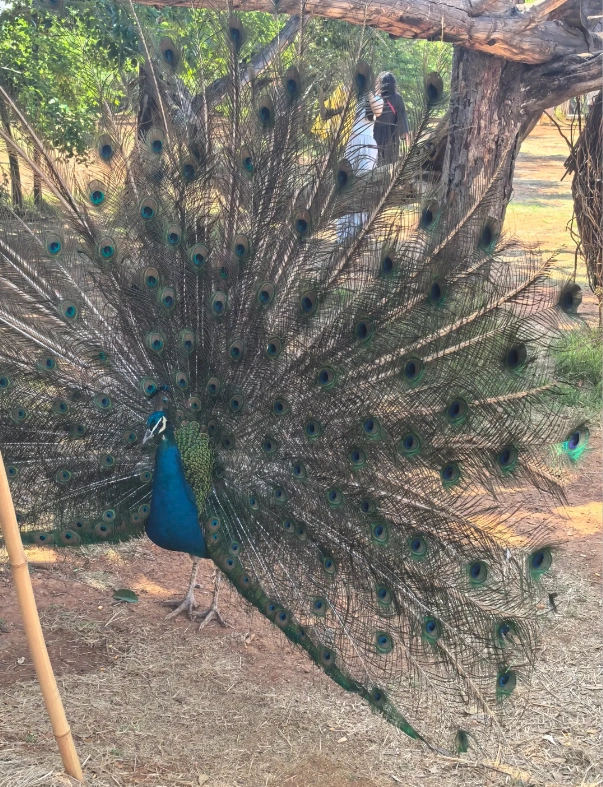
How to Get There From Kunming City Center
The park is located in Panlong District. The full address is: No. 1, Qingnian Road, Panlong District, Kunming. But you don't need to memorize that. Here's how to actually get there.
| Method | Details & Cost | Travel Time | Best For |
|---|---|---|---|
| Taxi / DiDi | Direct from your hotel. Use the DiDi app (English version available) or hail a cab. Show the driver this Chinese name: 云南野生动物园. Cost: ~40-60 RMB. | 30-45 mins | Families, groups of 3+, anyone wanting door-to-door ease. |
| Tourist Bus Line 10 | Departs from the square outside Kunming Railway Station. Look for the green tourist buses. Fare: 10 RMB. Final stop is the park. | ~50 mins | Solo travelers or couples on a budget. Very straightforward. |
| Public Bus | Bus lines 235 or 241 from the city. Get off at the "Yunnan Yesheng Dongwuyuan" stop. Requires some navigation. | ~60 mins | Adventurous budget travelers comfortable with bus maps. |
| Private Driver | Arrange through your hotel or a tour company. Cost: 300-400 RMB for half a day, including waiting time. | 30 mins | Larger groups or those wanting maximum flexibility. |
For the return trip, taxis are usually waiting at the main exit. If using DiDi, you might have a 5-10 minute wait as drivers come from further away.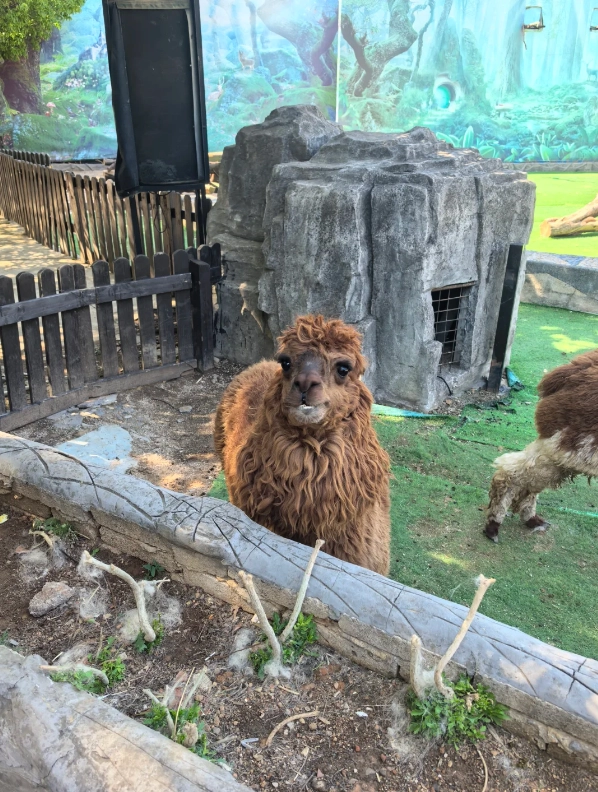
Navigating the Park: Must-See Zones & Hidden Gems
The park is a giant loop. You can walk the whole thing (a solid 4-5 hour walk) or use the hop-on-hop-off shuttle buses. The shuttle costs an extra 60 RMB per person and stops at 4 main stations. I recommend it for almost everyone. It saves your energy for the animals.
Zone 1: The Panda Base & Rare Animals
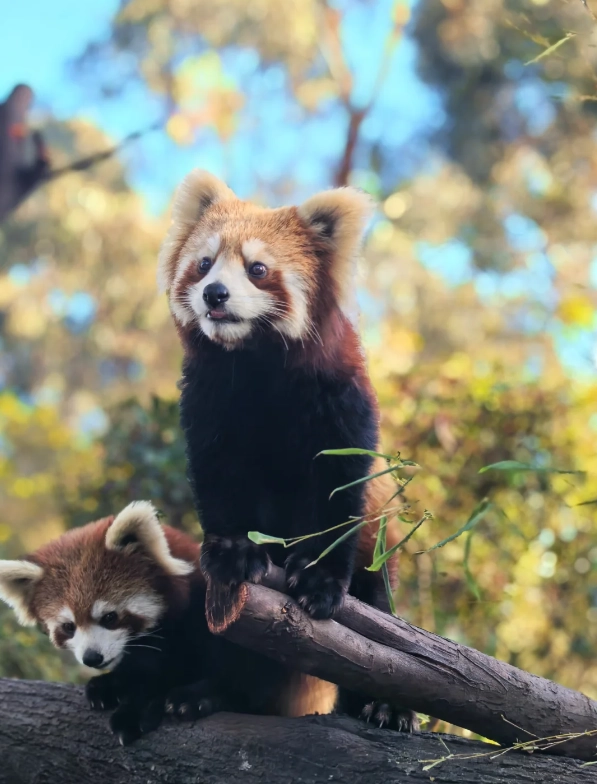
This is near the entrance. You'll see the giant pandas. Go here first thing in the morning. They're usually outside eating. Afternoon visits often mean they're indoors sleeping. Right next door are the red pandas (look up in the trees!) and the Yunnan snub-nosed monkeys. Their blue faces are surreal. Most people rush past the monkey enclosure, but if you wait a minute, you'll see their complex social interactions.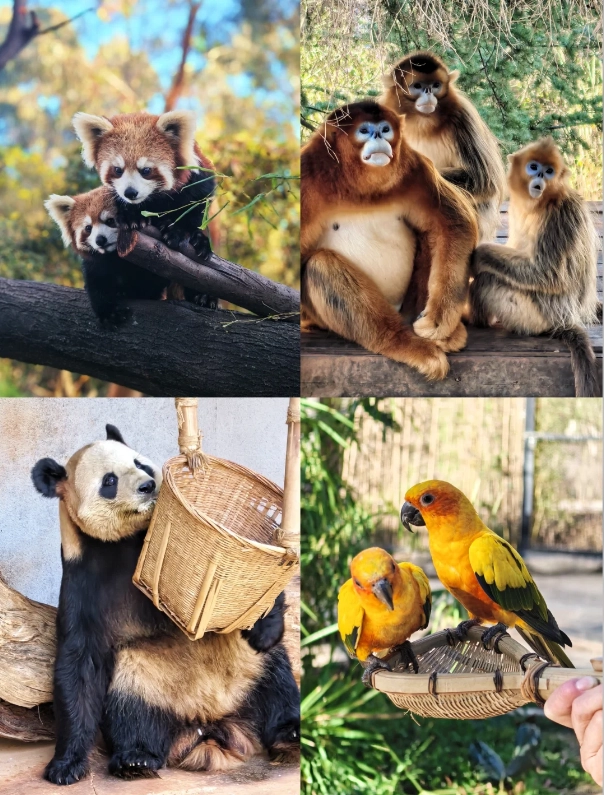
Zone 2: The Asian Elephant Sanctuary
A shuttle ride away. This is a large, open area where a herd of elephants roams. The best viewing is from the elevated walkway that goes over part of their field. You get a fantastic, unobstructed view. The ground-level viewing area gets packed when a shuttle bus unloads. If you see a crowd below, just stay up on the walkway – you'll see more.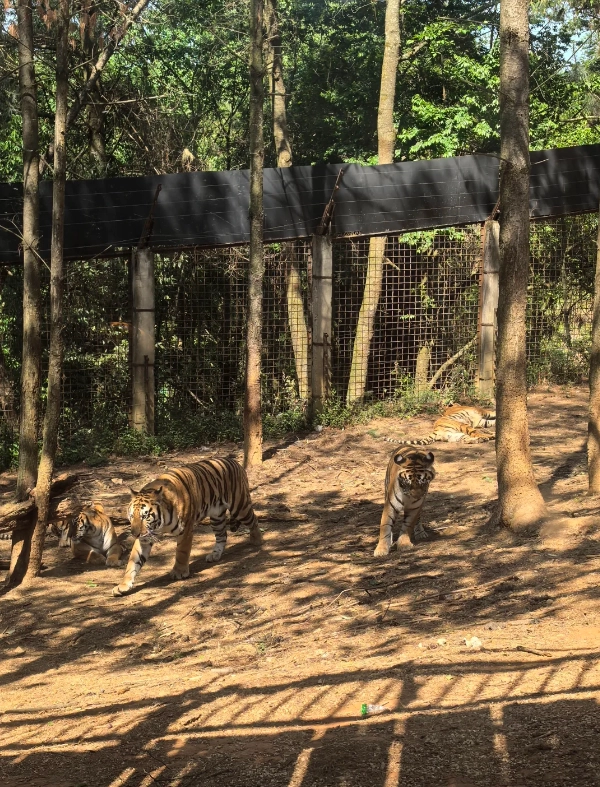
Zone 3: Walking Safari & Carnivore Kingdom
This zone splits. One path is the Walking Safari where gentle deer and alpacas roam freely. You can buy food to feed them (10 RMB for a cup of carrots). Kids love this. The other path leads to the big cats – tigers, lions, leopards. The enclosures are large with moats. The tigers are particularly impressive. Feeding time is usually around 2:30 PM – if you're nearby, it's quite a spectacle.
Zone 4: The Aviary & Exit Path
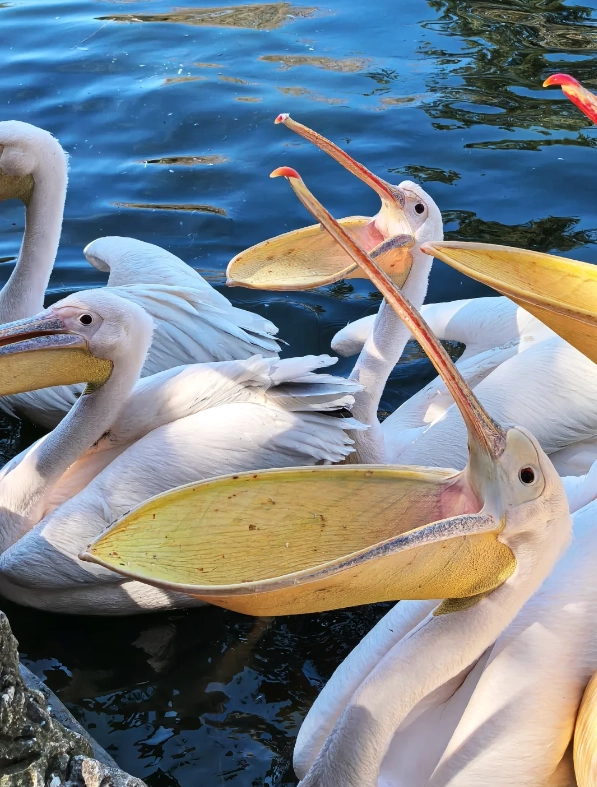
A massive walk-through aviary full of colorful birds from the region. It's peaceful and shaded, a great spot for the hotter part of the day. The path then gently winds back down towards the exit, passing by bear and primate enclosures.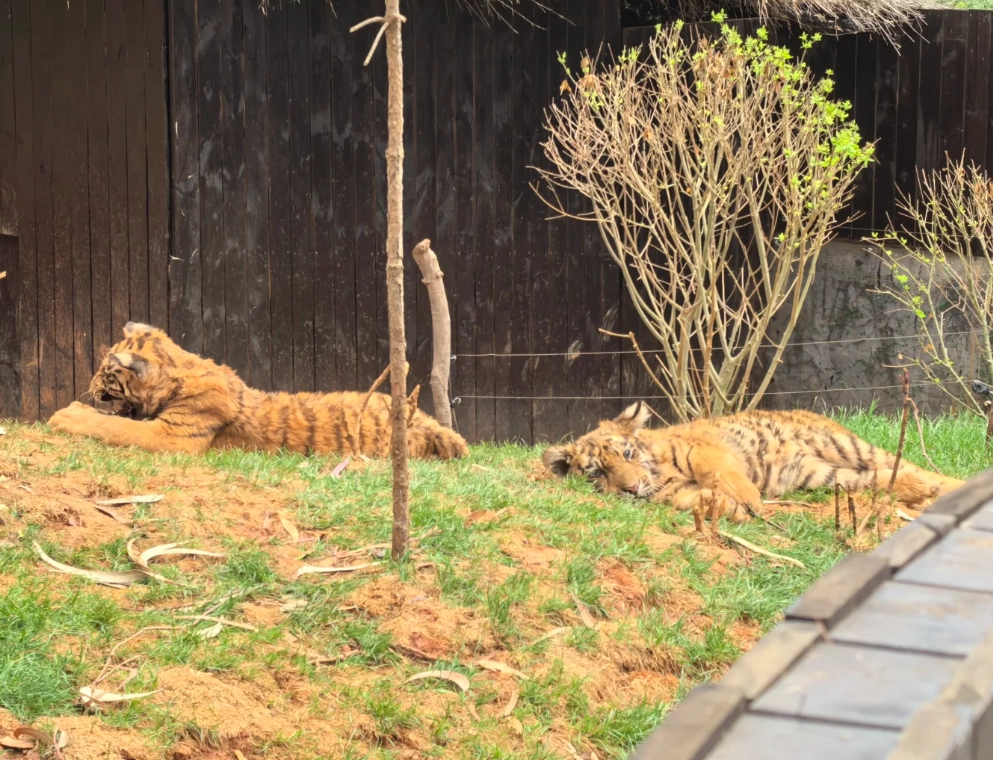
How to Save Time & Money on Your Trip
- Skip the "Animal Shows": They're scheduled at odd times and are your typical circus-style show. The time is better spent observing animals naturally.
- Pack Snacks & Water: Bring a bottle of water and some granola bars. The restaurant food is mediocre and overpriced. There are kiosks selling drinks and ice cream if you need a top-up.
- Use the Shuttle Bus Wisely: Buy the ticket once inside. It's worth it. Ride from Station 1 (entrance) to Station 2 (Elephants), then walk through Zone 3, and catch the bus again from Station 3 or 4 back to the exit.
- Wear Proper Shoes: I can't stress this enough. It's a mountain park. No flip-flops. Good walking shoes or trainers are mandatory.
- Bring Sun Protection: Even on cloudy days, the high-altitude sun in Kunming is strong. Hat, sunscreen.
Your Practical Questions Answered
Is Yunnan Wildlife Park suitable for a visit with young children (under 5)?
Can I bring my own food to feed the animals?
What's the one thing most tourists miss that's worth seeing?
We only have a half-day. What's the absolute minimum route to see the highlights?
Is the park accessible for wheelchair users?
 Look, after hundreds of visits, I still enjoy bringing people here. It's a well-run park that puts animal welfare ahead of gimmicks. If you follow the timing and route advice here, you'll have a day that feels personal and engaging, not like you're just following a herd. See the pandas early, take your time at the elephant walkway, and don't forget to look for those blue-faced monkeys. That's the real Yunnan wildlife experience.
This article is based on my extensive, first-hand experience guiding international visitors to Yunnan Wildlife Park. All practical details (pricing, transport options, operating hours) have been verified as accurate.








No comments yet.