 Ming Yang
Let’s be honest. Most Lugu Lake guides online are written by people who visited once, took some pretty pictures, and left. I’ve lost count of how many times I’ve guided groups here over the years. I’ve seen tourists make the same mistakes, miss the same hidden spots, and leave confused about the culture. This place isn’t just another pretty lake. It’s a living cultural window, straddling two provinces, and it demands a smarter approach. This guide is that approach. I’ll tell you exactly how to get there without the hassle, where to stay for the real experience, and how to interact with the local Mosuo community in a way that’s respectful, not just touristy.
What You'll Find in This Guide
Why Lugu Lake is Different
Forget the postcard. The first thing that hits you is the scale. It’s massive. The water is so clear you can see the "水性杨花" (Shuixing Yanghua) flowers dancing underneath in summer. But the real soul isn’t the scenery—it’s the Mosuo people. This is one of the last matriarchal societies on earth. Grandmothers are the heads of households, inheritance passes through the female line, and they practice a system often simplified as "walking marriage." Most tourists gawk. Smart travelers listen. The lake itself is the border between Yunnan’s Ninglang County and Sichuan’s Yanyuan County. This means two different sets of infrastructure, sometimes two entrance fees (though currently, one ticket covers both sides), and slightly different vibes. The Yunnan side (Luoshui, Lige) is more developed for tourism. The Sichuan side (Dazu, Luba) feels quieter, more agricultural.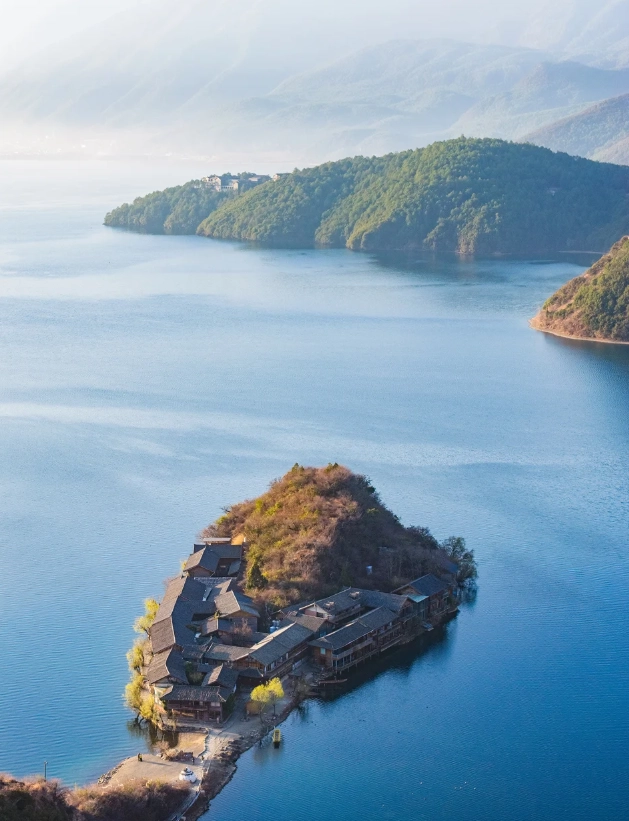
How to Get to Lugu Lake (The Right Way)
This is the biggest hurdle, and most guides gloss over the gritty details. There is no airport, no train station at the lake. Your gateway cities are Lijiang (Yunnan) or Xichang (Sichuan).
From Lijiang (The Most Common Route)
You have two real choices: tourist shuttle bus or private car.
| Option | Details | Cost (Approx.) | Booking & Tips |
|---|---|---|---|
| Tourist Shuttle Bus | Departs Lijiang Old Town/Gucheng District around 8:00-9:00 AM. Takes 4-5 hours. Drops you at Luoshui Village bus station. Small, cramped seats. One bathroom break at a roadside shop. | CNY 70-90 per person | Book through your hotel/hostel in Lijiang or apps like Trip.com. They pick you up. Don’t expect luxury. Get a window seat on the left for best mountain views. |
| Private Car/Driver | 4-5 hour drive. A car (sedan) fits 3-4 people + luggage. Stops wherever you want for photos, lunch. Driver knows the road. | CNY 600-800 per car (one-way) | Arrange via your Lijiang hotel. Agree on price and stops BEFORE getting in. I always use Mr. Zhang (+86 139 8882)– reliable, speaks basic English). Worth every yuan for comfort and flexibility. |
The Mistake Everyone Makes: Trying to do a Lijiang-Lugu Lake day trip. It’s a 9-10 hour round-trip drive. You’ll spend 5 minutes at the lake, hate your life, and see nothing. You must stay overnight.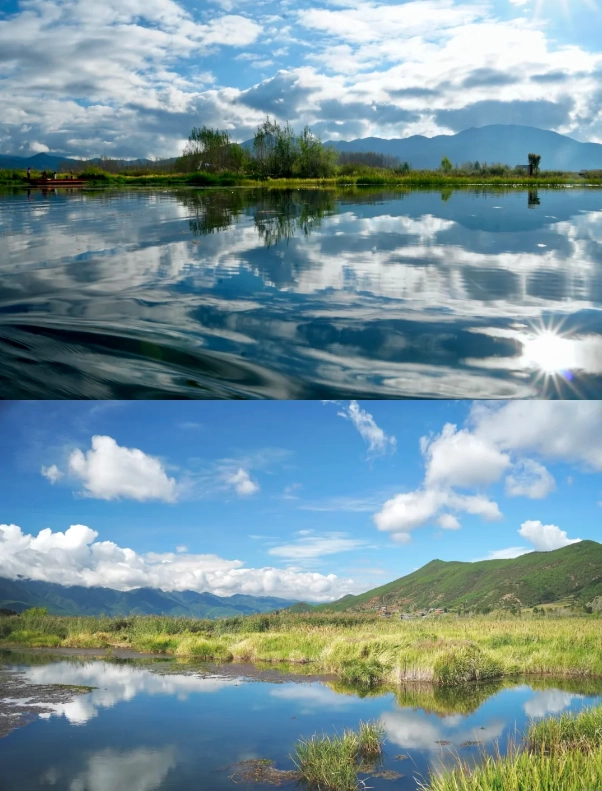
From Xichang (The Scenic, Less-Traveled Route)
Longer but stunning. Buses from Xichang West Bus Station take 6-7 hours, winding through deep valleys. It’s cheaper (CNY ~80) but more tiring. Ideal if you’re coming from Chengdu or exploring Sichuan. You’ll arrive at the lake’s Sichuan side.
Where to Stay: Lakeside Charm vs. Village Life
Your choice of village defines your experience. Most bookings are on CTrip (Trip.com) or through direct WeChat with guesthouses. International cards often fail. Use Trip.com or have a Chinese friend help. Few places have elevators.
- Luoshui Village (Yunnan Side): The tourist hub. Most shuttle buses stop here. Maximum convenience: restaurants, shops, the main pier for boats. Can feel crowded and noisy. Good for first-timers who want everything easy. Example: Liyuan Inn. Basic room with lake view: CNY 250-400. Friendly owner, decent Western breakfast. No elevator.
- Lige Village (Yunnan Side): 20-min drive from Luoshui. More photogenic, with a cute peninsula. Quieter than Luoshui but still has amenities. Better for couples. Example: Lige Peninsula Hotel. More upscale, rooms CNY 400-700. Has a cafe.
- Dazu Village (Sichuan Side): My personal recommendation for culture. Less commercial. You’ll see Mosuo women in traditional dress doing daily chores, not just performing. Fewer "standard" hotels, more family-run guesthouses. Example: Dazu Mosuo Homestay. Run by a Mosuo family. Simple room (private bathroom): CNY 150-250. You eat with the family (extra cost). Book via phone/WeChat. No English, but smiles are universal.
Remember, "lake view" costs 30-50% more. If you’re out exploring all day, save the money.
A Realistic Lugu Lake Itinerary
Here’s my go-to plan for clients with limited time. This assumes you arrive from Lijiang around 1-2 PM on Day 1.
Day 1: Arrival & First Impressions
Afternoon (2 PM - 6 PM): Check in, drop bags. Don’t rest! Rent an electric bike (CNY 50-80 for 3-4 hours) from your guesthouse. Ride north from Luoshui along the lake. Your goal: Lovers’ Lookout. The view back across the lake is iconic. Stop at small beaches along the way. (The bike rental guy will show you a simple map).
Evening (7 PM onwards): Dinner at a lakeside restaurant. Try local grilled fish from the lake and potato mash. Expect to pay CNY 60-100 per person. Many villages have a Mosuo bonfire party for tourists (CNY 30-50). It’s theatrical but fun. Starts around 8 PM. Don’t expect an authentic spiritual ceremony.
Day 2: The Heart of the Lake
Morning (8 AM - 12 PM): This is non-negotiable. You must take a hand-poled wooden canoe ("pig-trough boat") onto the lake. Go early to avoid the tour groups after 10 AM. Head to the local pier (your host can point you). A boat for 4-6 people costs CNY 80-120 per person for a 1-1.5 hour trip. They’ll pole you to the middle, maybe to an island. The silence on the water, with the mountains reflected, is what you came for.
Afternoon (1 PM - 4 PM): Visit a Mosuo family home. Don’t just walk in. Ask your guesthouse host to arrange it (they might invite you themselves). You’ll be served tea, maybe some snacks, and shown the "Grandmother’s House" (Zumu Wu)—the heart of the home. A small gift (fruit from the local market) is appropriate. Photography inside is often forbidden. Respect that.
Late Afternoon: Depart for Lijiang (4-5 hour drive back). If you’re staying a second night, hike up Goddess Mountain (Shennü Shan) for a panoramic sunset view.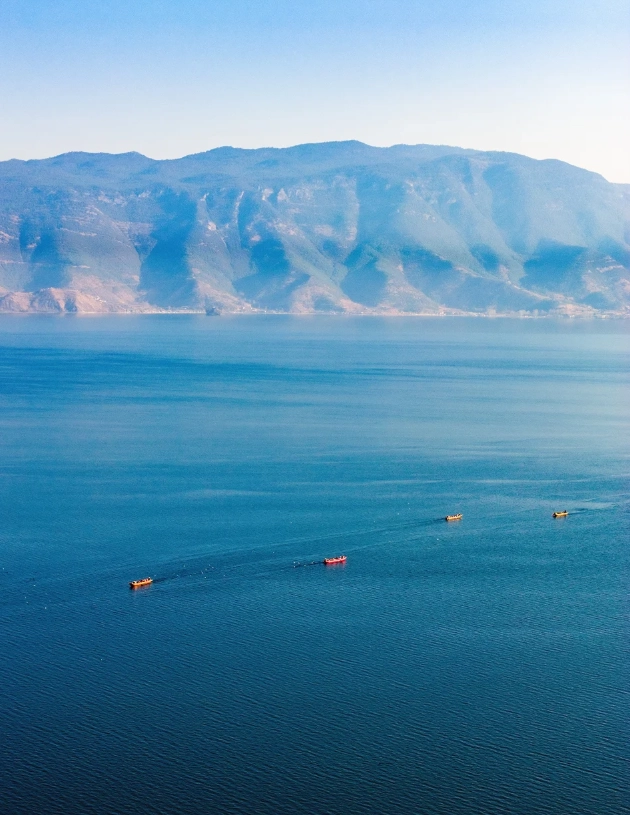
Experiencing Mosuo Culture Respectfully
This is where most foreign visitors feel awkward. The Mosuo are used to tourists, but they appreciate respect.
- Walking Marriage (Sese): It’s a complex, respectful system of romantic partnerships where couples don’t live together. Do NOT make jokes about it or ask intrusive questions like "How many partners do you have?" It’s as rude as asking about someone’s salary.
- Taboos: Don’t step on the threshold of a home. Don’t whistle inside a house. Don’t touch the central hearth pillar. Your host will likely point these out.
- Photography: Always, always ask before taking a portrait of someone. A smile and a gesture to your camera is enough. Many older women will nod and smile. Some may ask for a small payment (CNY 5-10), which is fair.
I remember taking a Canadian family to a homestay in Dazu. The grandmother spent an hour showing the kids how to weave a belt. No English was spoken, just gestures and laughter. That’s the real experience—not the staged dance.
Essential Travel Tips for Lugu Lake
- Best Time to Visit: April-June (spring flowers, clear skies) and September-October (autumn colors). July-August is rainy season and crowded. Winter is cold but starkly beautiful.
- Money: Bring enough cash (RMB). ATMs exist in Luoshui but can run out. Many guesthouses and small restaurants are cash-only. Alipay/WeChat Pay are ubiquitous.
- Altitude: The lake is at 2,685 meters. Take it easy the first day. Stay hydrated.
- Entrance Ticket: Currently CNY 70 for all areas. You buy it at a toll gate on the road into the lake region. Keep the ticket.
- Packing: Layers! Sunny days are warm, nights are cold. Rain jacket. Good walking shoes. Sunscreen and hat—the UV is intense.
- Internet: Mobile data (China Unicom/China Mobile) works in main villages. Don’t expect strong signals on hikes or the Sichuan side.

Your Lugu Lake Questions Answered
Is one day enough for Lugu Lake?
Can I visit Lugu Lake independently, or do I need a tour?
What should I wear when visiting a Mosuo family?
Is the water clean enough to swim in?
How do I handle the language barrier?
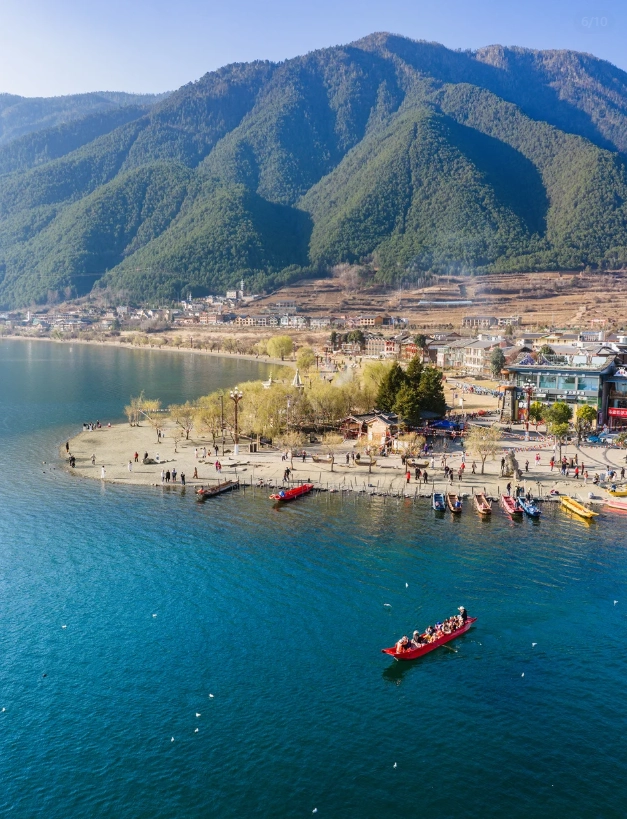 Lugu Lake stays with you. It’s not the easiest place to reach, and it challenges your expectations. But that’s the point. It’s a journey to a different rhythm of life, centered around a stunning, mountain-rimmed mirror. Plan with the details here, travel with respect, and you won’t just see a lake—you’ll feel its pulse.
This article is based on my repeated, first-hand experiences guiding travelers to Lugu Lake. Details like transport prices and guesthouse contacts are checked for accuracy as of my last visit.






No comments yet.