 Jian Zhao
The scent of cumin and sizzling oil hit me before I even saw the stall. I had just spent the morning marveling at the ancient relics of Famen Temple, my feet tired from the stone paths, when my stomach led me down a narrow alley away from the tourist crowds. That's where I found it—a tiny shop with plastic stools, a smoky grill, and the best roujiamo I've ever tasted. If you're visiting Famen Temple and want to skip the overpriced, bland tourist food, this guide is for you. I've spent years exploring Shaanxi's food scene, and here's everything you need to know to eat authentically, safely, and deliciously.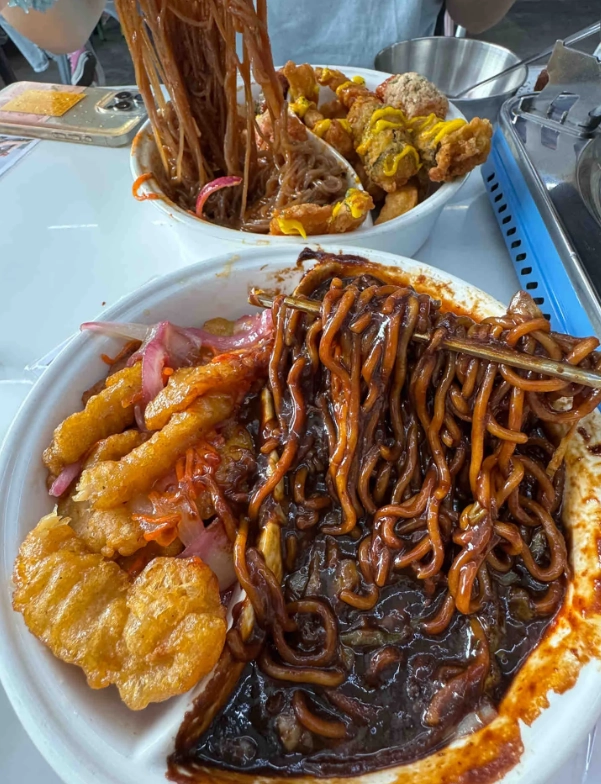
Quick Navigation: Your Food Adventure Map
What to Expect: Shaanxi Flavors Decoded
Shaanxi cuisine is all about hearty, wheat-based dishes with bold flavors—think spicy, sour, and savory. Near Famen Temple, you'll find a mix of street food and small family-run eateries. Don't expect fancy restaurants; the magic happens in unassuming spots where the focus is on taste, not ambiance. The food here is meant to fuel long days of exploration, so portions are generous and prices are low.
Key Dishes and Their Stories
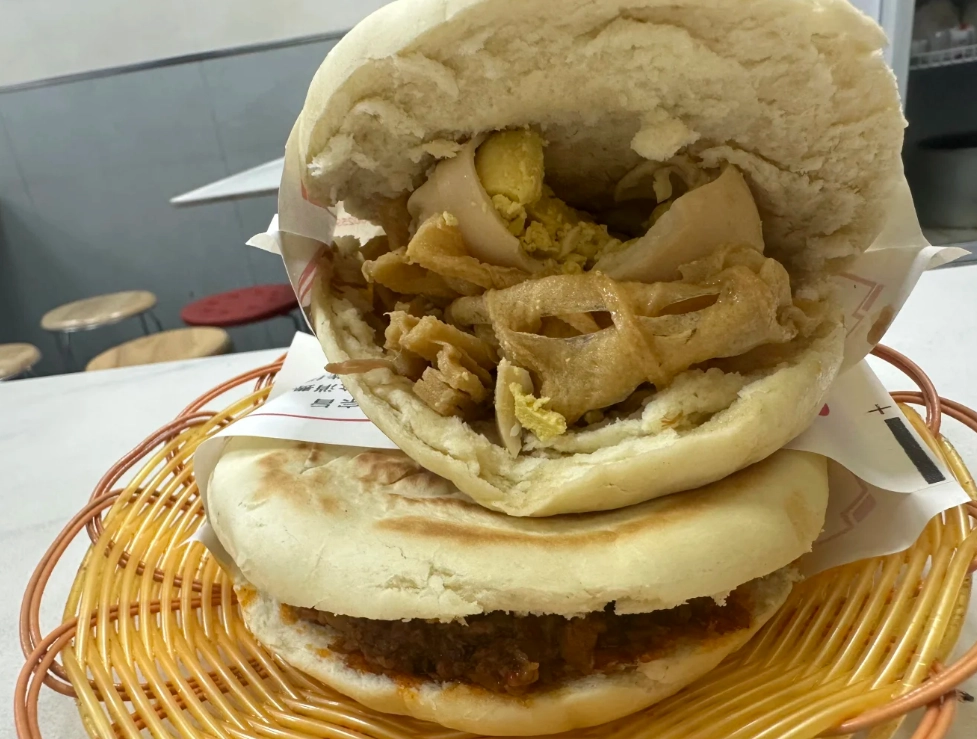
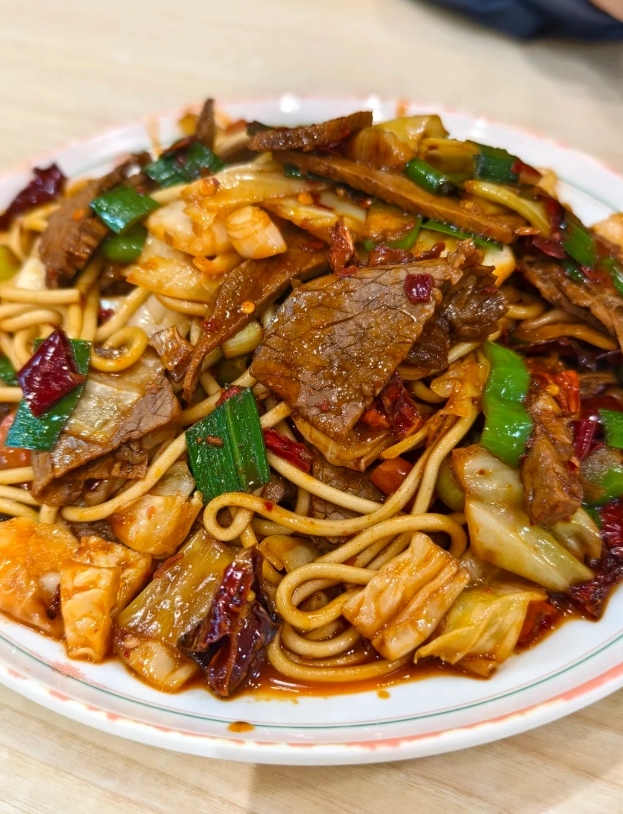
Let's break down the must-try items. Biang Biang noodles are a Shaanxi icon—wide, hand-pulled noodles served in a savory sauce with chili oil, garlic, and sometimes minced meat. The name comes from the sound of the dough hitting the table. Then there's roujiamo, often called the Chinese meat burger. It's a crispy, flatbread stuffed with slow-braised pork, lamb, or beef, seasoned with cumin and herbs. I still remember my first bite: the bread shattered, and the meat was so tender it melted in my mouth.
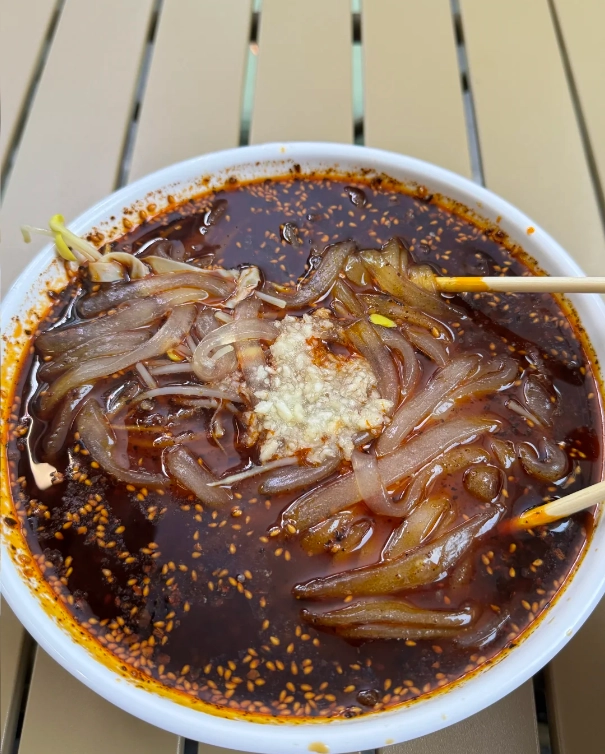
Other highlights include liangpi (cold skin noodles), which are chewy and refreshing with a vinegar-chili dressing, and yangrou paomo (lamb stew with bread). For the latter, you tear pieces of flatbread into a bowl, and the vendor adds lamb broth and meat—it's a ritual in itself. Spice levels vary, but most dishes have a mild to medium heat, with numbing Sichuan pepper used sparingly.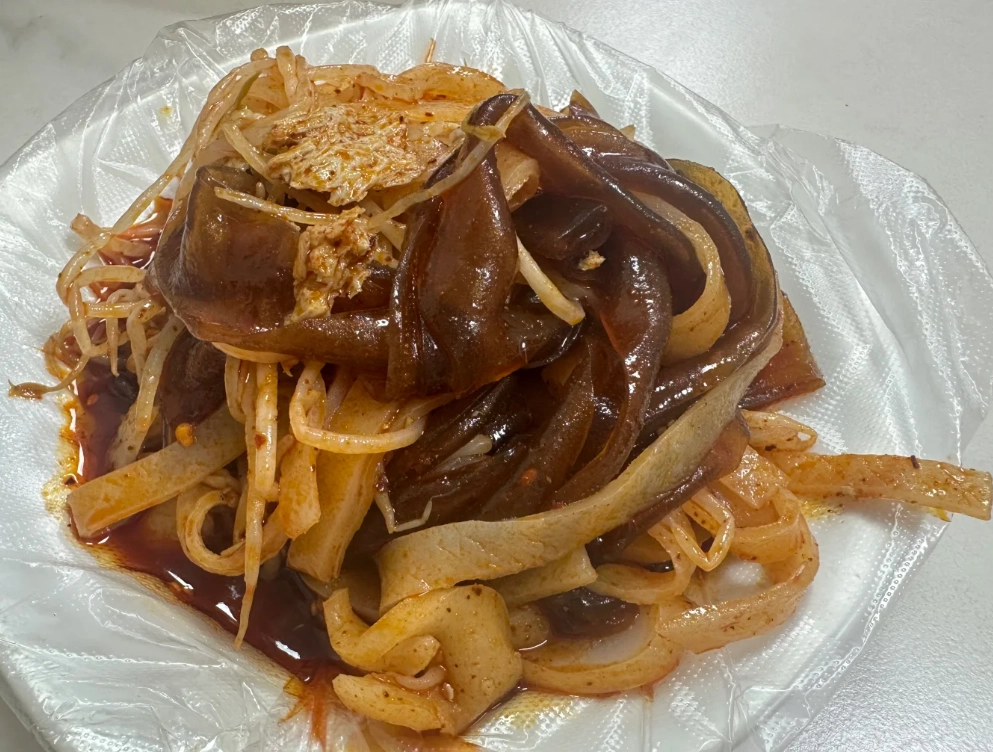
Where to Eat: Hidden Gems and Street Stalls
Forget the main tourist street lined with generic cafes. The real food is tucked away in alleys or near the temple's east gate. Here are my top picks, based on multiple visits and chats with locals.
Top 1: Grandma Li's Biang Biang Noodle Shop
This place is a legend. Located at 45 Famen Old Street, Famen Town, Baoji (look for the red sign with Chinese characters), it's a no-frills joint with about six tables. The plastic stools are worn, but the noodles are divine. I ordered the Biang Biang noodles with pork sauce—the noodles were chewy, the sauce rich with soy and chili, and the garlic kick perfect. It's mildly spicy, with a hint of sweetness from the caramelized onions. Hygiene? The kitchen is open, and you can see them pulling noodles fresh. It's clean enough for street food standards. A bowl costs 18 RMB (around $2.5 USD), and they're open from 8 AM to 8 PM. Go early for lunch; I waited 10 minutes on a weekday, but weekends can get busy.
Top 2: The Spicy Lamb Skewer Stall by the Temple Gate
Right outside the east gate of Famen Temple, there's a cluster of food stalls. My favorite is run by a husband-wife duo—they grill lamb skewers over charcoal. The meat is marinated in cumin, chili, and sesame oil, then grilled until juicy with a smoky crust. Each skewer is 5 RMB (about $0.7 USD), and three make a decent snack. The spice level is adjustable; I asked for "medium" and got a pleasant tingle without overwhelming heat. They operate from 10 AM to 9 PM, but evenings are best when the aroma fills the air. Cash is king here.
A Word on Tourist Traps: I made the mistake of trying a noodle shop on the main road near the temple entrance. The broth was watery, the noodles overcooked, and it cost 35 RMB ($5 USD)—double the local price. Save your money; if a place has English menus and aggressive touts, it's likely targeting tourists.
More Spots to Explore
- Uncle Wang's Roujiamo Cart: Found at the corner of Temple Road and Market Lane, this mobile cart serves roujiamo with a crispy bread and fatty pork. It's 12 RMB ($1.7 USD) and open from 7 AM to 3 PM. The bread is made fresh daily.
- Famen Night Market: About a 15-minute walk from the temple, this market buzzes after sunset. Try the jianbing (savory crepes) or stinky tofu if you're adventurous. Prices range from 5-20 RMB ($0.7-3 USD).
How to Order and Eat Like a Pro
Many local spots don't have English menus. Don't panic—it's part of the fun. Here's how to navigate.
Navigating Menus Without English
Pointing is your best friend. When I couldn't read the menu at a small eatery, I just pointed to what the person next to me was eating and said, "Wo yao zhe ge" (I want this). It worked every time. You can also use photos on your phone; I snapped a pic of a dish I liked earlier and showed it to vendors. For common items, learn the Chinese names: Biang Biang mian (noodles), roujiamo (meat burger), yangrou chuan (lamb skewers).
Essential Phrases and Gestures
Keep it simple. "Duo shao qian?" (How much?) with hand gestures for numbers. If you're sensitive to spice, say "bu yao la" (no spice) or "wei la" (mild spice). Most locals appreciate the effort and will help you out. I once struggled with chopsticks at a noodle shop; the elderly man beside me chuckled and demonstrated how to slurp noodles loudly—it's a sign of enjoyment here!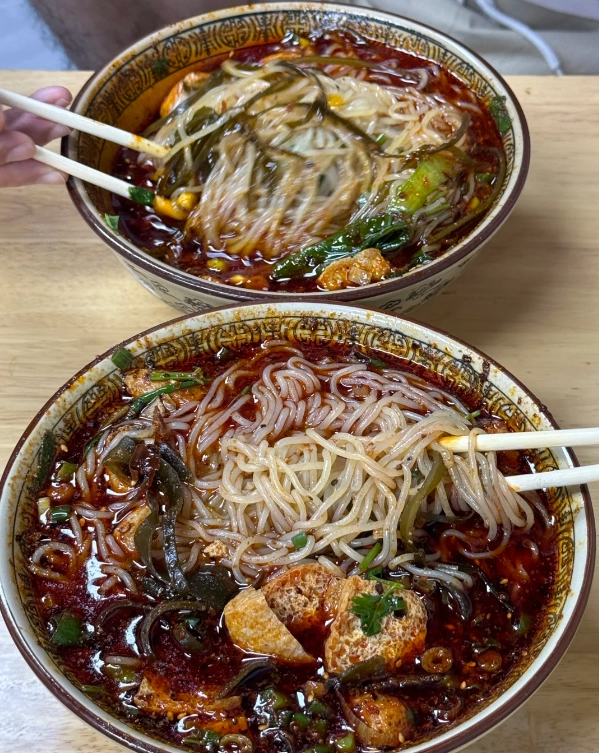
Practical Tips for Food Explorers
Let's get into the nitty-gritty for a smooth experience.
Budget, Hygiene, and Payment
Food near Famen Temple is cheap. A full meal costs 20-40 RMB ($3-6 USD) per person. Street stalls are cash-only, but some shops accept WeChat Pay or Alipay. For hygiene, stick to places with a steady stream of locals—it means the food turns over quickly. I avoid raw vegetables at street stalls and opt for cooked items. Carry hand sanitizer; not all places have soap.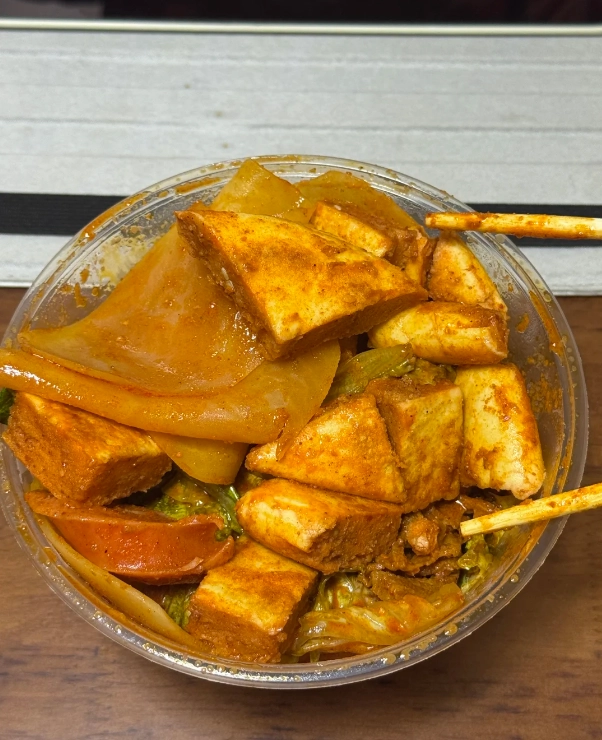
Best Times to Visit and Avoid Crowds
Mornings (8-10 AM) are great for breakfast items like roujiamo. Lunch crowds peak around 12-1 PM, so visit slightly earlier or later. Evenings are lively at the night market. Weekdays are less crowded than weekends. I visited on a Tuesday and had no queues at most stalls.
| Dish | English Name | Approx. Price (USD) | Spice Level | Best Time to Try |
|---|---|---|---|---|
| Biang Biang Noodles | Hand-pulled Wide Noodles | $2-3 | Medium | Lunch |
| Roujiamo | Chinese Meat Burger | $1.5-2.5 | Mild | Breakfast or Snack |
| Lamb Skewers | Grilled Lamb Skewers | $0.7 per skewer | Adjustable | Evening |
| Liangpi | Cold Skin Noodles | $2-2.5 | Mild to Spicy | Lunch on Hot Days |
Frequently Asked Questions (FAQ)
 How spicy is the food? Can I handle it as a Westerner?
This article has been fact-checked for accuracy based on personal visits and local insights. Remember, food adventures are about embracing the unexpected—so dive in, try something new, and savor the real taste of Shaanxi.





Best food decisions I made in Shaanxi came from this list. I’m usually skeptical of tourist-area guides, but every recommendation here felt like a local secret. The flatbread stuffed with stewed lamb was legendary – tender meat, fluffy bread, and a splash of their house-made chili sauce. Even the simple things, like the roasted chestnuts from a tiny cart, were perfectly caramelized. If you’re visiting Famen Temple, eat your way through this guide. You will not regret it.
This guide is a goldmine for anyone who loves real local eats! I’m a sucker for crispy stuff, and the 'youzhaguo' (fried dough twists) they recommended were perfectly golden and not greasy at all. The couple running the stall were so friendly and even showed me how they make the dough. Also tried the pomegranate juice from the fruit market section – so fresh. I’ve already sent this guide to three friends. Totally worth the trip to Famen Temple just for the food!
Absolutely loved this food guide! Every single place I tried from it was a winner. The spicy cold noodles from Auntie Liu’s stand were addictive – perfect balance of chili and vinegar. Also, the freshly made walnut pastries with black sesame filling were a dream. The guide even pointed out which vendor uses the best local oil, and you could really taste the difference. Don’t skip the tofu pudding with brown sugar! 10/10 street food adventure around Famen.
Good, solid recommendations in this food guide! I followed the list for vegetarian snacks near the temple – the steamed buns with wild herbs were tasty and the sesame cake had a nice crunch. Only gave it 4 stars because one place on the list was closed when I went (maybe off-season?), and the 'authentic' cold noodle vendor ran out by 2 PM. Still, the guide saved me from wandering clueless, and I found a lovely little stall selling honey dates.
I was really hyped to try the local street food around Famen Temple after reading this guide, but honestly, a few spots were a letdown. The 'liangpi' from that one stall near the east gate was dry and the sauce lacked punch. The guide hyped it as a must-try, but I’ve had way better in Xi’an. On the plus side, the fried tofu skin skewers were decent. Overall, it’s okay if you’re really hungry, but don’t expect mind-blowing street eats.
I'm a vegetarian and was worried about finding food at Famen Temple. This guide surprised me – it actually had a few good veggie options I hadn't seen elsewhere. The map for bean jelly and cold tofu skin was accurate. Only downside: some of the stall numbers in the guide don't match the current layout (they moved a few). Still, a very helpful resource overall.
Used this guide with my kids and it made our visit so much easier. The 'family-friendly' tips were accurate – we found a great spot for steamed buns that even my picky 8-year-old ate. The guide is concise and easy to follow. I'd recommend printing it out before you go because phone signal near the temple can be spotty. Five stars for practicality!
I was expecting more local insights but this guide feels a bit generic. It lists the usual stuff you'd find on any blog: liangpi, roujiamo, etc. The section on vegetarian options was weak – only two lines. I tried the sesame candy recommended and it was good but nothing special. Not bad, but I wish it went deeper into hidden gems.
Honestly, this is the best food guide I've used for a temple area. The author clearly spent time tasting everything. I followed the 'must-try donkey burger' recommendation and it was life-changing. The writing is fun and the photos made me hungry. Only reason I'm not giving 5 stars is because a few stalls were closed when I went (probably seasonal), but that's not the guide's fault.
I downloaded this guide before my trip and it totally saved me from tourist traps. The map for street food stalls near the temple is spot on - especially loved the spicy cold noodles from the old lady at stall #7. My only tiny complaint is that some of the prices listed are already outdated (by a couple yuan), but still a solid reference.
This is the real deal. Every recommendation I tried was under 15 yuan and bursting with flavor. The lamb skewers from Mr. Wang’s cart were the best I’ve ever had—smoky, juicy, and perfectly spiced. Felt like a local foodie pro. Will use this guide again for sure.
I’m a picky eater but this guide made me adventurous! The fried dough twists with sesame were addictive, and I loved how the author included vegetarian options. Only thing: one stall owner tried to overcharge me because I’m foreign, but the guide’s price tips helped me negotiate. Solid resource overall.
The guide had good intentions but fell short on details. I walked around the temple area for 20 minutes trying to find the 'famous tofu stall'—turns out it was a tiny cart tucked behind a souvenir shop. The food itself was okay, but the chaos and heat made it less enjoyable. Could use better maps or landmarks.
I followed this guide for two days straight and ate like a local! The crispy pancakes with garlic sauce were mind-blowing, and the old lady running the noodle stall was so sweet. Perfect for anyone who wants real street food, not tourist traps. 10/10 would recommend.
Honestly, this guide was a lifesaver during my trip to Famen Temple. The street food recommendations were spot-on—especially the spicy skewers near the south gate. The only downside? A few stalls were already closed by 6 PM, so maybe mention operating hours more clearly. Still, great value for money and super authentic flavors.