 Ming Yang
What You’ll Find in This Guide
Hey there, I’ve been guiding folks through China for over a decade, and let me tell you, Yunnan Nationalities Village in Kunming is one of those spots that can either be a highlight or a hassle. It all depends on how you plan it. Most online guides just list the basics, but I’m here to give you the nitty-gritty—the stuff I’ve learned from taking hundreds of tourists, from families with kids to solo backpackers. Think of this as your backstage pass to experiencing 25 ethnic cultures without the crowds and confusion.
First off, the village isn’t a historical site; it’s a living museum. You’ll find replicas of traditional homes, artisans at work, and daily performances. But here’s the kicker: many visitors rush through, missing the best parts because they don’t time it right. I’ll show you how to avoid that.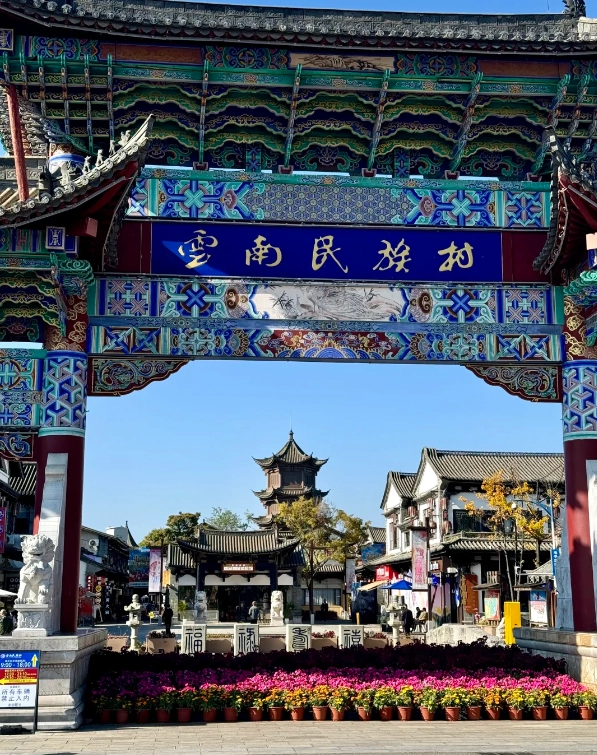
How to Get There Without Hassle
Let’s start with logistics. The village is at Dianchi Road, Xishan District, Kunming, Yunnan. If you’re staying downtown, it’s about a 30-minute drive, but traffic around Dianchi Lake can be brutal during weekends.
By Public Transport (The Smart Way)
Take Metro Line 1 to Dounan Station. Get off at Exit B—you’ll spot a small market selling fruits outside, a good landmark. From there, catch bus A9 heading to Haigeng Park. Tell the driver “Minzu Cun” (that’s the village’s name in Chinese), and you’ll get off after 15 minutes. Walk 5 minutes south, and you’ll see the main gate. Total cost: under 10 RMB. I prefer this over taxis because ride-hailing apps like Didi often surge-price near tourist spots.
By Taxi or Ride-Hailing
If you’re short on time, a taxi from downtown Kunming (say, from Green Lake Hotel) costs around 40-50 RMB. Use Didi or Meituan for English apps, but set the destination as “Yunnan Minzu Cun”. Pro tip: Avoid peak hours 8-9 AM and 5-6 PM; once, I had a client stuck for an hour in gridlock.
Tickets and Essentials: What You Must Know
Here’s a table with everything you need. I’ve seen too many tourists show up without checking this, only to find long lines or sold-out performances.
| Item | Details | Notes from My Experience |
|---|---|---|
| Ticket Price | Adult: 90 RMB; Child (1.2-1.4m): 45 RMB; Senior (over 60 with ID): Free; Student (with ID): 45 RMB | Children under 1.2m are free. Bring your passport for senior discounts—they’re strict. |
| Operating Hours | 9:00 AM – 6:00 PM daily; last entry at 5:00 PM | In peak season (March-October), it opens at 8:30 AM. Closed on Chinese New Year’s Eve only. |
| Performance Times | Main show: 11:00 AM and 3:00 PM; smaller shows hourly from 10 AM | The 3 PM show is less crowded. Arrive 20 minutes early for good seats. |
| Booking | No need for advance booking; buy at gate or via WeChat mini-program “Yunnan Minzu Cun” | Use the mini-program to skip lines—it’s in Chinese, but ask hotel staff to help. |
| Suggested Visit Time | 4-5 hours minimum; 6-7 hours if you want to relax | Most rush in 2 hours and regret it. Pace yourself. |
| Accessibility | Wheelchair-friendly paths, but some village houses have steps | Rent strollers or wheelchairs at the entrance for 50 RMB deposit. |
One thing most guides miss: the ticket office restrooms are always packed. Use the ones near the Bai ethnic village inside—they’re cleaner and quieter.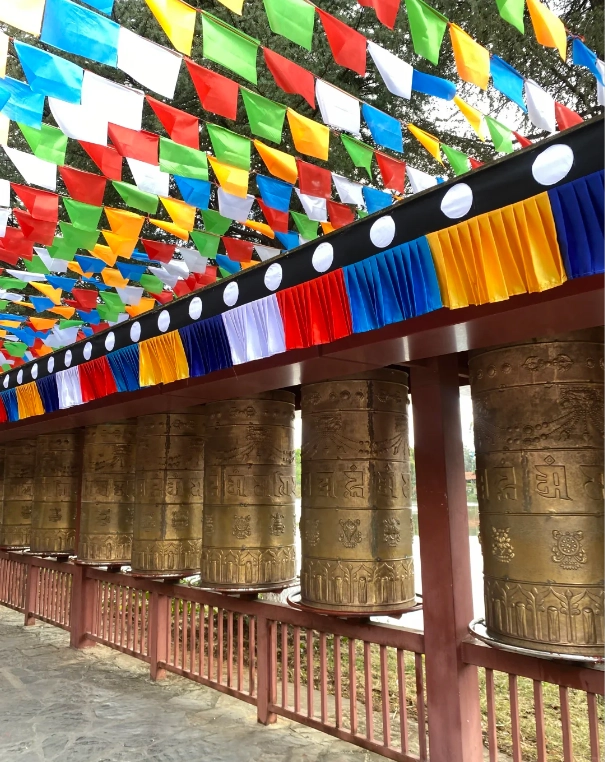
What to See and Do: Beyond the Tourist Trail
The village is huge, covering 126 acres. Don’t just wander; focus on these highlights based on my tours.
Must-See Ethnic Villages (Skip the Crowds)
Dai Village: It’s near the entrance, so everyone flocks here first. Go later in the afternoon. You’ll see traditional stilt houses and maybe catch a water-splashing activity (they do it seasonally). I always point out the bamboo crafts—you can buy small souvenirs for 20-30 RMB.
Naxi Village: Tucked in the northwest corner, it’s often overlooked. The Dongba script demonstrations here are fascinating. Last year, I met an artisan who explained the symbols for free—most tourists miss this because they’re rushing to performances.
Yi Village: Head here around noon when others are eating. The torch tower is a great photo spot, but the light is harsh at midday. Come back at 4 PM for softer shadows.
Cultural Performances Schedule
The main show at the central stadium is impressive, but it’s packed. Instead, try the smaller stages. For example, the Tibetan dance at 2 PM near the prayer wheels is more intimate. I’ve taken groups there, and we often get to interact with performers afterward.
Photography tip: The village faces east, so mornings are best for photos without backlight. After 2 PM, the sun casts long shadows, which can be nice for dramatic shots but tricky for faces.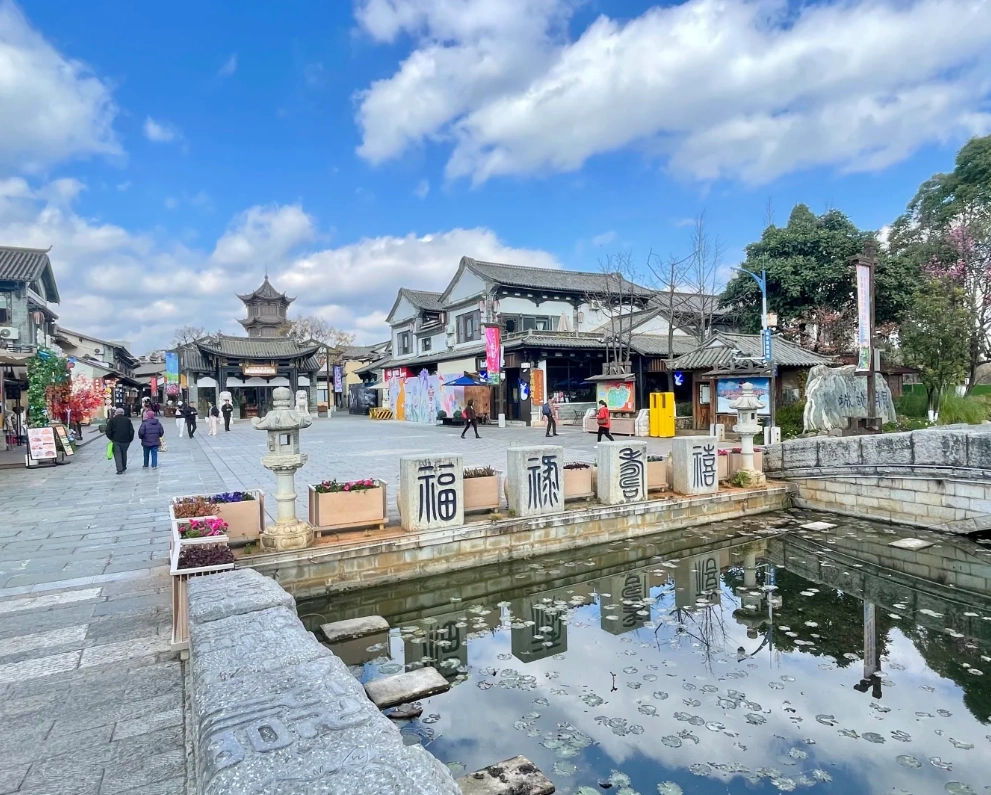
My Recommended Itinerary for Different Travelers
Let’s get practical. Here’s how I’d plan your day based on who you are.
For Families with Kids: Arrive at 10 AM. Start with the Dai Village (kids love the water activities), then catch the 11 AM main show. Have lunch at the food court (more on that later). After lunch, visit the Yi Village for crafts, and let kids try on ethnic costumes (50 RMB for photos). Leave by 4 PM to avoid rush hour.
For Solo Travelers or Couples: Come at 1 PM. Most tour groups are leaving then. Explore the Naxi and Bai villages quietly. Watch the 3 PM show, then stroll to the lakeside area for sunset views over Dianchi Lake. It’s romantic and less crowded—I’ve recommended this to honeymooners, and they loved it.
If You Only Have 24 Hours in Kunming: Prioritize the village from 9 AM to 2 PM. After that, take a taxi to nearby Western Hills (15 minutes) for hiking. Or, if it’s raining—a common Kunming surprise—head to the Yunnan Provincial Museum (free entry, open until 5 PM). I once had a client do this and said it saved their day.
Food and Drink Inside the Village
Don’t expect gourmet meals, but there are decent options. The main food court is near the Tibetan area. Prices are higher than outside: a bowl of rice noodles costs 25 RMB vs. 15 RMB in the city.
My Go-To Spots: Look for the stall selling “Crossing-the-Bridge Noodles” in the Dai section. It’s a bit touristy, but the broth is authentic. For snacks, try the grilled tofu near the Yi Village—spicy and cheap at 10 RMB. I always grab some for energy.
Payment: Most vendors accept Alipay and WeChat Pay. Only a few take cash, and international cards are a no-go. Load up your mobile wallet beforehand.
Drinking water: Bring a bottle—there are refill stations near restrooms. The village sells bottled water for 5 RMB, but it adds up.
Common Mistakes to Avoid (From My 10 Years of Experience)
I’ve seen these blunders too many times. Learn from them.
Mistake 1: Arriving at opening time. Everyone does this. The gates are swamped from 9-10 AM. Instead, come at 10:30 AM when the first wave disperses. You’ll walk right in.
Mistake 2: Skipping the map. Grab the free English map at the entrance. Without it, you’ll miss hidden gems like the Miao silver jewelry demo in the southeast corner.
Mistake 3: Overpacking. The village involves lots of walking. Wear comfy shoes—I’ve had clients with blisters ruin their day. Also, Kunming’s weather shifts quickly; carry a light jacket even if it’s sunny.
Mistake 4: Ignoring the lake view. Most stick to the villages, but the path along Dianchi Lake offers stunning photos, especially late afternoon. It’s my secret spot for a quiet break.
Your Questions Answered
 To wrap up, Yunnan Nationalities Village is worth it if you approach it smartly. Use my tips to dodge crowds, savor the cultures, and leave with real memories. For more on Yunnan travel, check out official resources like the Yunnan Tourism Bureau website or trusted platforms like Trip.com for hotel deals nearby.
This article is based on my personal experiences guiding tours since 2014. Details have been verified with recent visits. If you’re in Kunming, drop me a line—I might just be around for a coffee chat!






No comments yet.