 Wei Zhang
Let's be honest. You've seen the photos: cobblestone lanes, red lanterns, snowy mountain backdrops. The Old Town of Lijiang is a postcard. But as a tour guide who's led groups through its maze for over a decade, I can tell you most visitors only scratch the glossy, souvenir-shop surface. They follow the main stream of tourists down the same three streets, eat overpriced, mediocre food, and leave wondering what the UNESCO fuss was about.
My job is to get you past that. The real Lijiang is in the quiet canals at dawn, the hidden Naxi family courtyards serving homemade yogurt, and the local market where grandmothers sell wild mushrooms. It's about timing, knowing where to turn left when everyone goes right, and understanding the culture you're walking through. This isn't just a list of sights; it's the playbook I wish I could hand every client at the airport.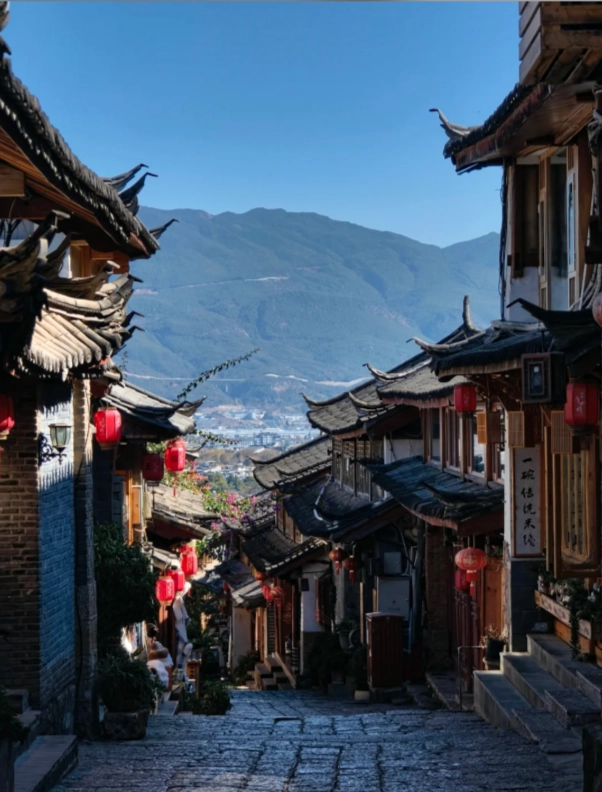
Your Quick Navigation Guide
What is Lijiang Old Town? Beyond the Cobblestones
First, names matter. When people say "Lijiang Old Town," they usually mean Dayan Old Town, the largest and most famous part. It's a living museum of the Naxi people, an ethnic group with a fascinating matriarchal history and their own pictographic writing system, Dongba. The town's layout is pure genius—a network of canals from the Black Dragon Pool that once provided water for every household. The wooden architecture, with its intricate carvings and tiled roofs, survived a major earthquake in 1996 and was meticulously restored.
But here's the crucial bit most blogs don't stress: the Old Town is not a single, walled compound. It's a vast, car-free labyrinth. You enter through one of several main gates, and then you're on your own. There's no single "exit." Getting delightfully lost is part of the charm, but also why a little strategy saves hours.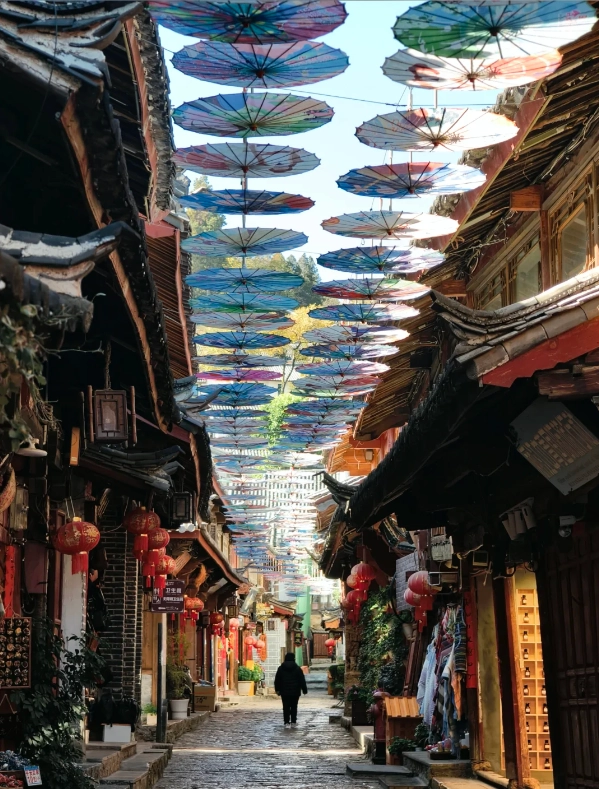
How to Get to Lijiang: Plane, Train, or Bus?
Lijiang has its own airport (LJG) with direct flights from major Chinese hubs like Beijing, Shanghai, Chengdu, and Kunming. From the airport, a taxi to the Old Town takes about 40 minutes and costs roughly 80-100 RMB. Ignore the touts inside the terminal. Walk straight to the official taxi queue.
The high-speed train is my preferred method from Kunming. The 3-hour ride through mountain tunnels is an experience itself. Lijiang Railway Station is modern but chaotic. Your best bet is the public bus number 4 or 104, which goes directly to the Old Town's north entrance (Hongtaiyang Square). It takes about 40 minutes and costs 2 RMB. A taxi will cost 40-50 RMB. Pro tip: Have your hotel's name and address in Chinese saved on your phone to show the driver.
Long-distance buses arrive at different stations. The closest to the Old Town is the Lijiang Passenger Transport Center. It's a 10-minute walk to the south entrance.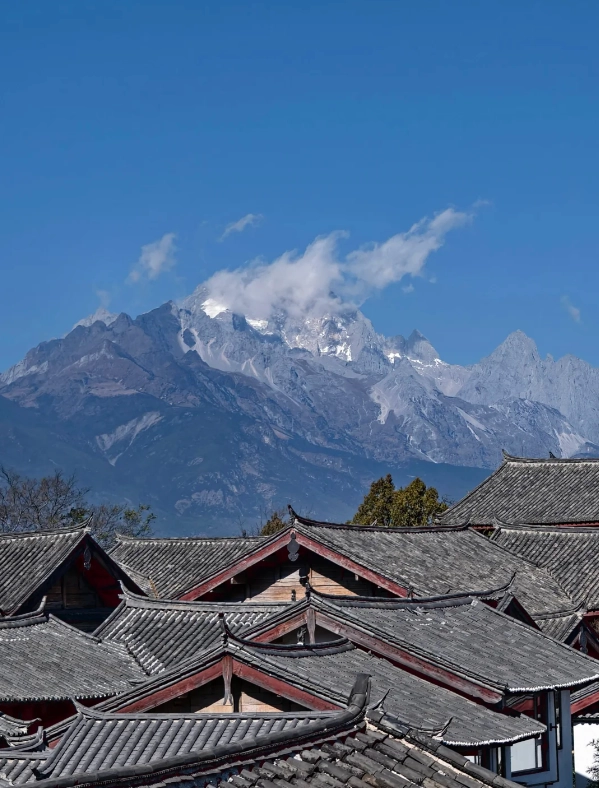
Core Experiences Not to Miss (And Where to Find Them)
Don't just wander aimlessly. Target these spots, but approach them at the right time.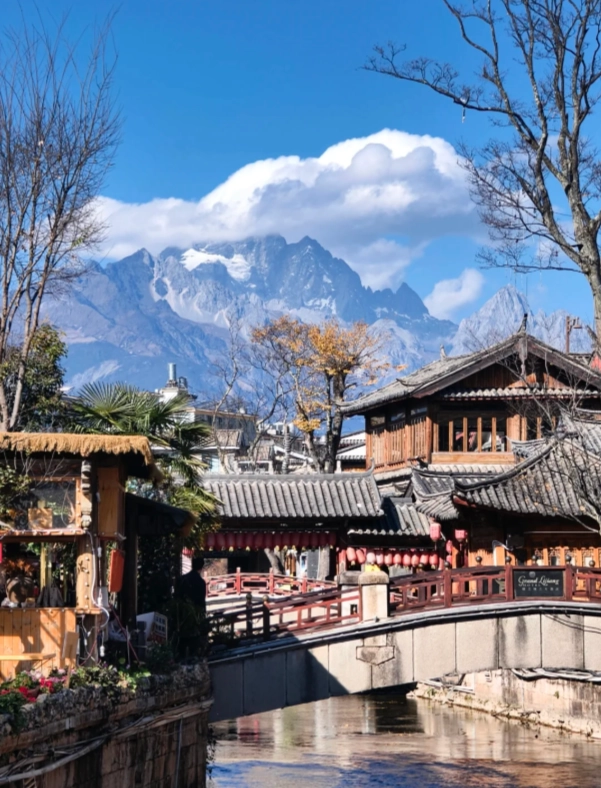
Sifang Square (The Center)
This is the main square. It's packed from 10 AM to 10 PM. My advice? See it at 8 AM. You'll find elderly Naxi women in traditional dress dancing in a circle, locals heading to market, and the morning light hitting the stone streets perfectly. By 10 AM, it's a sea of selfie sticks.
The Water Wheels & Murals
The giant water wheels at the north entrance are the classic photo op. Everyone shoots them from the front. For a better shot, walk across the bridge and look back towards the town. Just past the wheels, look for the Longquan (Dragon Spring) area. It's quieter, with clearer canals and small bridges. The murals nearby are reproductions, but give a sense of Dongba art.
Mu Family Mansion (Mufu)
This is the "imperial palace" of the Naxi rulers. It's a sprawling complex at the southwest edge of town. Yes, it's touristy, but it's also the best place to understand Naxi history and architecture in one go. Budget 1.5 hours. The audio guide is decent, but I often see groups just rushing through the halls. Slow down in the gardens.
Black Dragon Pool Park (Heilongtan)
This is outside the Old Town (a 15-minute walk north from the north gate). You need the Old Town maintenance ticket (see below) to enter. The view of the Jade Dragon Snow Mountain framed by the classic pavilion is iconic. Go on a clear morning before the haze sets in. The park itself is a local favorite for tai chi.
The Real Local Life: Zhongyi Market
This is my secret weapon. Exit the Old Town at the south end, cross the main road, and you'll find Zhongyi Market. This is where locals shop. It's chaotic, smelly, and utterly authentic. You'll see produce, dried yak meat, cheese, and herbs you've never imagined. Go around 9 AM. It's not for buying souvenirs, but for feeling the pulse of Lijiang beyond tourism.
Practical Info: Tickets, Timing, and Getting Around
This is where most online info is outdated or vague. Let's fix that.
| Item | Key Details | Guide's Note |
|---|---|---|
| Old Town "Ticket" | Technically, there's a 50 RMB "Ancient Town Maintenance Fee." It's required to enter Mu Family Mansion, Black Dragon Pool, and a few other sites. | They rarely check at the town gates anymore. Only buy it if you plan to visit Mufu or Heilongtan. You can purchase it at the entrance to those specific sites. Don't feel pressured by touts at the gates. |
| Mu Family Mansion Ticket | 60 RMB per adult. Open 8:30 AM - 6:00 PM. | Buy on-site. No need to pre-book. The last entry is at 5:30 PM. |
| Best Time to Visit | Shoulder seasons: April-May & September-October. Avoid Chinese National Holiday (Oct 1-7). | Winter (Nov-Feb) is cold but crowd-free. Summer is rainy and packed. The altitude is 2400m, so sun is strong even when cool. |
| Daily Timing | Old Town is 24/7, but shops close by 11 PM. | Golden Hours: 7-10 AM (local life), 4-6 PM (beautiful light, day-trippers leave). Avoid 11 AM - 3 PM in main arteries. |
| Getting Around Inside | It's walking only. Cobblestones are uneven—wear sturdy, comfortable shoes, not heels. | Google Maps works poorly in the maze. Use Baidu Maps app or download an offline map. Key landmarks: Sifang Square, Water Wheels, Mufu. |
Where to Stay and Eat: Skip the Tourist Traps
Accommodation: Courtyard Hotels are the Way
Stay inside the Old Town for the atmosphere, but choose a lane off the main drag. The noise from bars on Xinhua Jie can be brutal at night.
- For Luxury: Look for renovated Naxi courtyard hotels near Wenhua Alley. Expect 500-1000 RMB/night. They often have beautiful inner gardens and rooftop terraces.
- For Mid-Range/Boutique: The lanes branching off Mishi Xiang are quieter. You can find charming places with heated beds for 300-500 RMB.
- For Budget: Hostels cluster near the north gate. Beds from 50 RMB. Check if they have luggage storage if you arrive early.
Critical Ask: Does your hotel have someone who can meet you at a gate to help with bags? Wheeling suitcases over cobblestones for 15 minutes is no joke.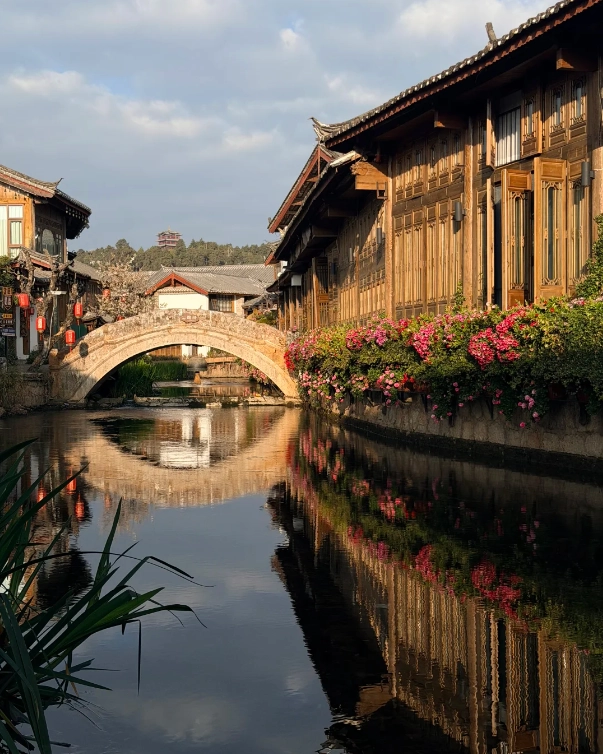
Food: What to Eat and Where to Find It
The restaurants with English menus and pictures on Xinhua Jie are mostly overpriced and bland.
- Naxi Grill Fish: A local specialty. Try Shiguang Restaurant on a small lane off Mishi Xiang. It's basic, but the fish is fresh and spicy. About 80 RMB for a meal for two.
- Lijiang Baba: A savory or sweet fried bread. Skip the ones on sticks. Look for a small stall making them fresh near Sifang Square in the morning.
- Yak Meat Hotpot: Best eaten in colder months. A Yi Yak Hotpot (just outside the south gate) is where locals go. It's hearty. Budget 100-150 RMB per person.
- Yunnan Coffee: Surprisingly good! Seek out small cafes on secondary streets. They're peaceful retreats in the afternoon.
Payment: Most smaller places only accept AliPay/WeChat Pay. Have cash (RMB) as a backup. Larger restaurants and hotels take international cards.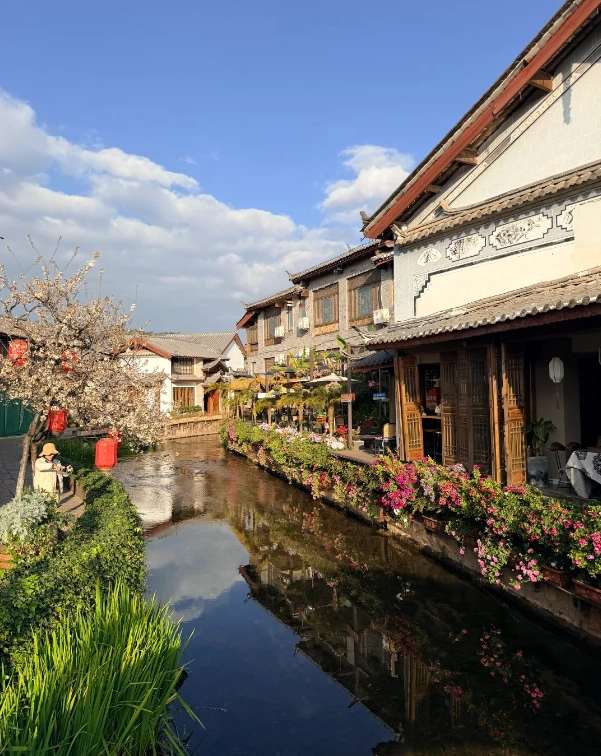
Sample Itineraries: From 24 Hours to a Deep Dive
The 24-Hour Blitz (If You Must)
7:30 AM: Enter at north gate, see Water Wheels in quiet light.
8:00 AM: Sifang Square for local dancing.
8:30 AM: Get lost in east-side lanes (around Wenzhi Alley).
10:30 AM: Visit Mu Family Mansion (beat the big groups).
12:30 PM: Lunch at a local Naxi grill spot.
2:00 PM: Walk to Black Dragon Pool for the mountain view.
4:00 PM: Back into Old Town, explore south side, find a rooftop cafe.
7:00 PM: Dinner with Yak hotpot outside south gate.
8:30 PM: See the lanterns lit, but avoid the noisy bar street.
The 2-Day Ideal Experience
Day 1: Follow the 24-hour blitz, but slower. Add in Zhongyi Market in the late morning. Spend the late afternoon just sitting by a canal.
Day 2: Day trip to Shuhe Old Town or Baisha Village (less commercial, more authentic Naxi vibes). Use Didi (China's Uber) to get there. Return for a final evening exploring the lanes you missed.
Common Mistakes and How to Avoid Them
I've seen these a thousand times.
Mistake 1: Chasing the "Instagram Spots" at Noon. The light is harsh, and everyone is there. The photo of the canal with flowers? That's Wenchang Gong area. Go at 4 PM.
Mistake 2: Expecting Peaceful Evenings on the Main Streets. Xinhua Jie and nearby lanes turn into a loud bar district after 8 PM. If you want quiet, stay in the eastern or northern sections.
Mistake 3: Not Carrying Cash. As mentioned, many vendors are cash-only. Break 100 RMB notes into smaller bills.
Mistake 4: Overpacking the Day. The altitude can tire you out faster. Schedule downtime. Sitting in a courtyard with a tea is a core Lijiang activity.
Mistake 5: Buying "Antiques." Almost everything is a reproduction made for tourists. Buy souvenirs for beauty, not value.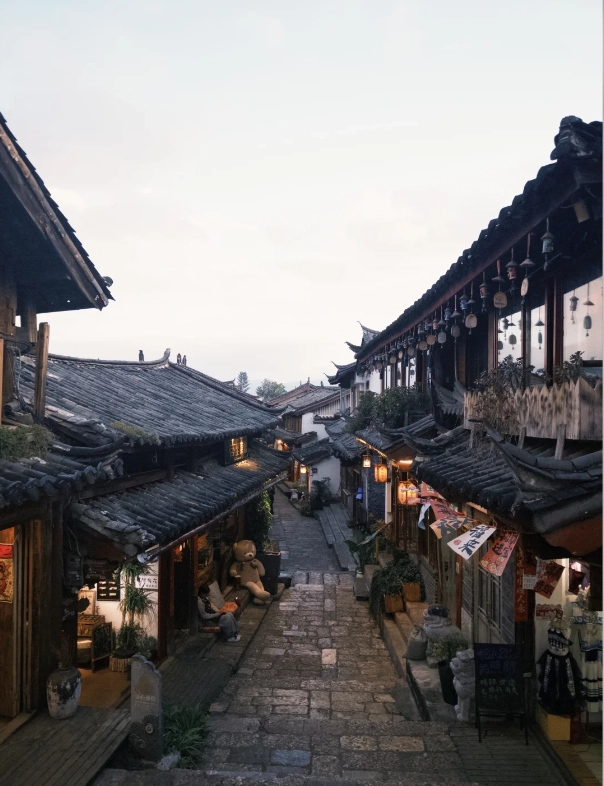
FAQ: Your Lijiang Questions Answered
Two rules: First, if a restaurant has a hawker outside trying to pull you in, keep walking. Second, venture more than two lanes away from Sifang Square or the Water Wheels. The commercial pressure drops dramatically. Eat where you see more Chinese tourists than Western ones.
You can see the highlights in one very long, efficient day, but you'll feel rushed. The magic of the place reveals itself when you have time to get lost, sit in a cafe, and see it at different times of day. If you can, give it two days, with one dedicated to a slower exploration of the lanes and a visit to Shuhe or Baisha.
Lijiang sits at 2400 meters (7870 ft). It's not extreme, but enough to cause mild headaches or shortness of breath for some. Go slow on your first day. Drink plenty of water (more than you think you need). Avoid heavy drinking. I always advise clients to spend the first afternoon just strolling, not tackling a big hike. Most people acclimate within 24 hours.
The cobblestones and countless bridges make it challenging for strollers and wheelchairs. It's not impossible, but be prepared for a bumpy ride. I'd recommend staying near one of the main gates to minimize long walks with a stroller. For those with limited mobility, focusing on the areas around the wider main squares (Sifang, Mufu entrance) is more feasible than trying to navigate the narrow, steep lanes.
For a first-time visitor with limited time, a good local guide for a half-day can be invaluable. They'll explain the Naxi culture, show you hidden courtyards, and navigate the maze efficiently. However, avoid the cheap, large group tours that herd you through shops. Book a private guide through a reputable agency or your hotel. After the orientation, you'll feel confident to explore on your own.
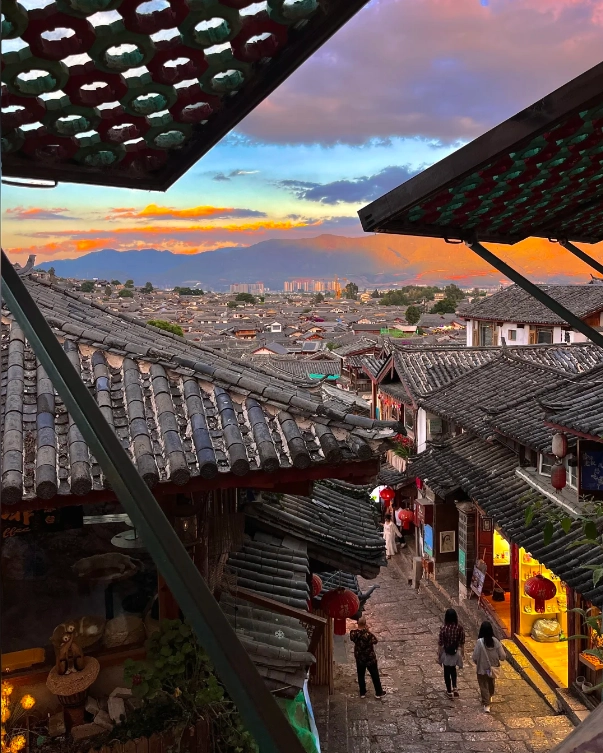 The Old Town of Lijiang is a place that rewards the curious and punishes the passive. It's not a static museum; it's a living, breathing, sometimes noisy, always fascinating community. Use the lanes, not just as pathways between sights, but as portals into a different rhythm of life. Turn down the alley that smells of woodsmoke, peek into an open courtyard door, and let the sound of water running under your feet be your guide. That's the Lijiang I love showing people.
This article is based on my personal, on-the-ground experience guiding tours in Lijiang for over ten years. Details regarding ticketing and transport have been verified against current local practices.





No comments yet.