 Ming Yang
Let's be honest. You've heard of Lijiang and Dali Ancient Town. They're stunning, sure, but also packed with souvenir shops and crowds following flag-waving guides. If you're looking for the soul of Yunnan's Bai minority culture without the theatrical hustle, you need Xizhou. I've been guiding groups here for over a decade, and it's the place I always recommend when clients ask for something real. It's a living town where people actually live, work, and farm, wrapped in some of the most exquisite traditional architecture you'll find in China.
Most tourists rush through on a two-hour bus stop, snap a photo of the main square, and leave. They miss everything. This guide is about how to experience Xizhou like a local, not a tourist on a conveyor belt.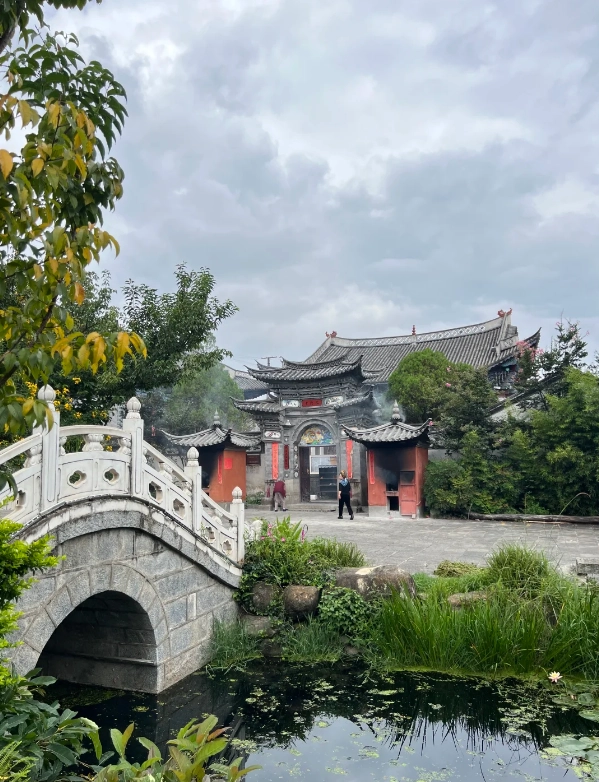
Your Quick Navigation Map
What Makes Xizhou Different?
Xizhou isn't a museum replica. It's a working agricultural town about 18 kilometers north of Dali's main tourist hub. For centuries, it was a major trading post on the Tea Horse Road, and the wealthy merchant families built incredible homes called "Siyin" compounds. The key difference from Dali or Lijiang? Scale and purpose. The streets are quieter, the commerce is more for locals (think hardware stores and vegetable vendors), and the grand old houses are still private residences or small, family-run museums. You feel like a guest, not a revenue stream.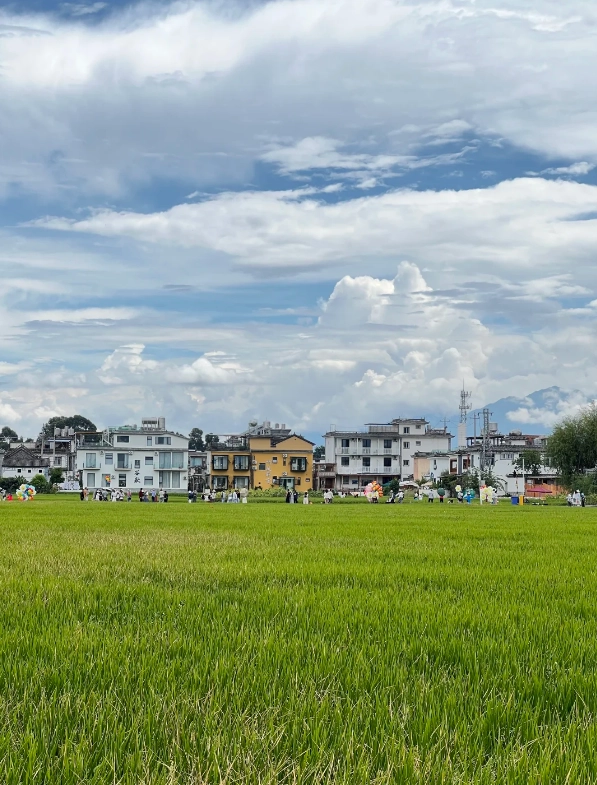
How to Get to Xizhou Ancient Town
This is where most guides are vague. I'll give you exact, actionable options. Your base is almost always Dali Ancient Town or the nearby Xiaguan area.
| Method | Details & Cost | Travel Time | Best For |
|---|---|---|---|
| Private Car / Taxi | Hail a taxi on the street or use DiDi (China's Uber). From Dali Ancient Town's South Gate, it's a fixed rate of about 60-80 RMB. Tell the driver "Xizhou Gucheng" (Shee-joh Goo-chung). | 40-50 mins | Groups of 3-4, convenience, door-to-door. |
| Local Bus #4 | Catch it from the main road outside Dali Ancient Town's North Gate. Look for a green bus. Fare is 7 RMB cash (exact change helps). Say "Xizhou" to the driver, who'll tell you when to get off. | 60-70 mins | Solo travelers, budget travelers, no rush. |
| Tourist Shuttle | Leaves from the parking lot near Dali Ancient Town's West Gate. More comfortable, but runs on a schedule. Fare around 15-20 RMB. | 50 mins | A balance of comfort and cost. |
| Bicycle / E-bike | Rent from shops in Dali (~30-50 RMB/day). Follow the dedicated lakeside bike path north. It's flat and stunning. | 2-2.5 hours | Active travelers, a fantastic half-day trip with Erhai Lake views. |
The Drop-off Point: All methods will leave you at the main tourist parking lot on Fengmang Lu. Don't panic. The "ancient town" core is a 3-minute walk east. You'll see a large stone monument—that's the start.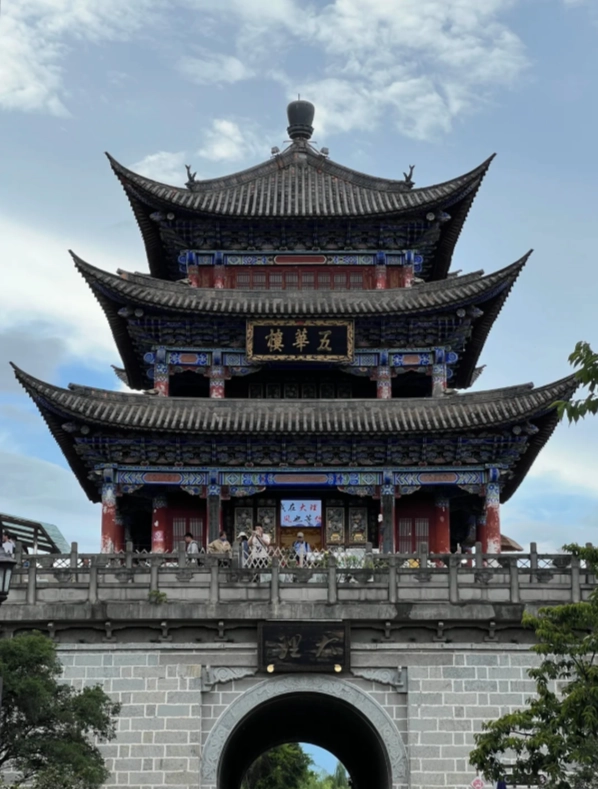
Top Things to See & Do (Beyond the Obvious)
Forget just wandering aimlessly. Here’s what’s actually worth your time and money.
1. Yan Family Compound (Yanjia Dayuan)
This is the crown jewel. It’s not just a house; it's a lesson in Bai architecture and merchant life. The woodcarvings are museum-level. I’ve been here dozens of times, and I still notice new details.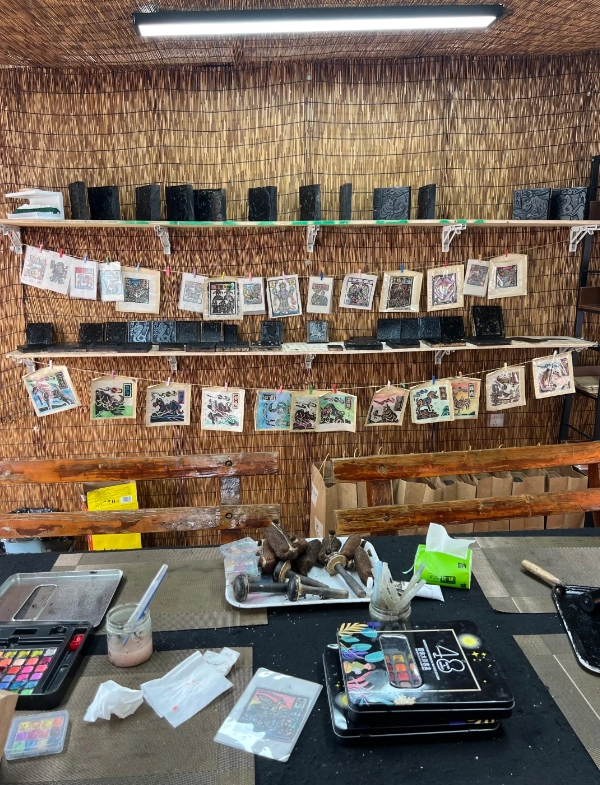
2. The Main Square (Sifang Jie) & Market Alley
The square itself is photogenic with its old stage, but the real action is in the narrow alley (Qijing Jie) leading south from it. Every morning (until about 1 PM), it's a vibrant local market. You'll see elderly Bai women in traditional dress selling herbs, mushrooms, cheeses, and live chickens. It's completely authentic. No pressure to buy, just observe.
3. Hands-On Tie-Dye (Bai Zharan) Experience
Several small workshops let you try this iconic craft. Zhoucheng, a village 5 minutes away by taxi, is the true epicenter, but Xizhou has great options too. Look for Zhang's Tie-Dye Workshop on a backstreet. For about 80-150 RMB, you can dye a scarf or small cloth in 1-2 hours. It's a fantastic souvenir you made yourself.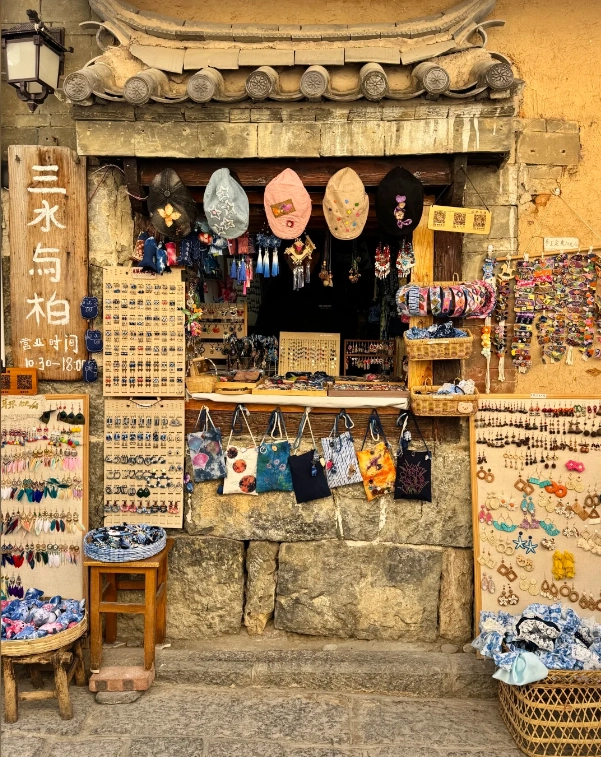
4. Find the Perfect Xizhou Baba
This flaky, layered bread is Xizhou's signature snack. There are two types: sweet (with rose sugar) and savory (with minced meat and scallions). The savory one is my personal favorite. The best aren't in fancy shops but in unassuming storefronts with lines of locals. Look for one on the corner near the square with a giant wok. It costs about 10 RMB. Eat it hot.
The Perfect One-Day Itinerary
Let's say you have 8 hours. Here’s how I’d structure it for maximum experience, minimum waste.
9:00 AM: Get an early start. Take a taxi from Dali (40 mins). Arrive fresh.
9:45 AM: Enter the old town. Skip the souvenir shops on the main drag initially. Head straight to the local market alley off Sifang Jie. Soak in the morning buzz.
10:30 AM: Visit the Yan Family Compound. It's quietest now before tour buses arrive.
12:00 PM: Lunch time. Grab a savory Xizhou Baba as a snack, then head to a proper restaurant (see next section).
1:30 PM: Choose your adventure: Option A: Do a tie-dye workshop. Option B: Explore more minor mansions like the Yang Family Compound. Option C (my relaxed pick): Find a courtyard café, like Senmi Coffee, order a Yunnan coffee, and just watch the world go by.
3:30 PM: Take a short 5-minute taxi ride (10 RMB) to the edge of the Erhai Lake Ecological Corridor. Rent a bike (available there) and cycle for 30-60 minutes along the lake. The view back towards the Cangshan Mountains with Xizhou in the foreground is breathtaking.
5:00 PM: Return to Xizhou's outskirts. This is a secret most miss: walk into the farmland paths just west of town. In spring, it's yellow rapeseed flowers; in autumn, golden rice fields. You get a postcard view of the ancient town roofs against the mountains.
6:00 PM
Where to Eat: My Go-To Spots
Don't eat at the first restaurant you see with plastic menus. These are my reliable favorites.
- Hanlin Restaurant (Hanlin Canting): An institution. It's in a converted old house. Their Yunnan-style steamed chicken (qiguo ji) is tender and fragrant with herbs. The fried cheese (a Bai specialty called rushan) is a must-try—it's mild and stretchy. Address: Xizhou Zhengjie 17号. Average meal: 60-80 RMB/person. They have picture menus.
- Zhengyi Snack Shop: For a quick, cheap, and delicious lunch. Their erkuai (rice cakes) stir-fried with ham and vegetables is a local comfort food. Address: near the market alley. Look for the small stools. Meal: 20-30 RMB.
Payment Note: Most smaller places prefer cash or Chinese mobile pay (WeChat/Alipay). The larger restaurants like Hanlin usually accept international credit cards, but it's not a guarantee. Always have some cash.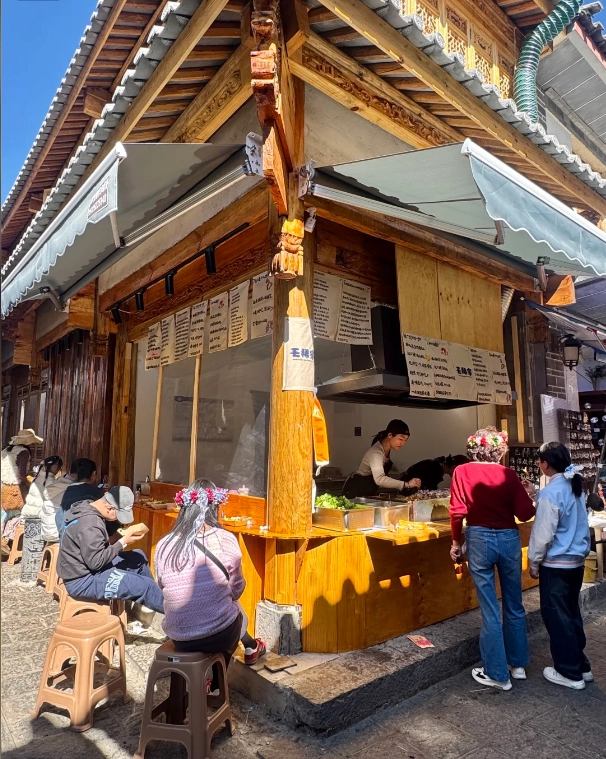
Where to Stay (If You Want to Slow Down)
Staying overnight lets you experience the town's peaceful evenings and early mornings. You'll find charming boutique guesthouses converted from old homes.
- The Linden Centre: The most famous. A beautifully restored mansion run by an American-Chinese couple. It's more than a hotel—it's a cultural center. Prices are higher (600-1200 RMB/night), but you pay for the experience and deep cultural access. Great for families and culture enthusiasts. Their front desk English is fluent.
- Xizhou Old Courtyard Inn: A more affordable, family-run option. Rooms are basic but clean, set around a lovely courtyard. About 200-350 RMB/night. The owner speaks limited English but is incredibly kind. It's a 5-minute walk from the square. Perfect for budget-conscious travelers wanting authenticity.
Wi-Fi & Amenities: Guesthouses have decent Wi-Fi. Hot water can be intermittent in very old buildings—ask when you check in. Very few have elevators.
Your Questions, My Straight Answers
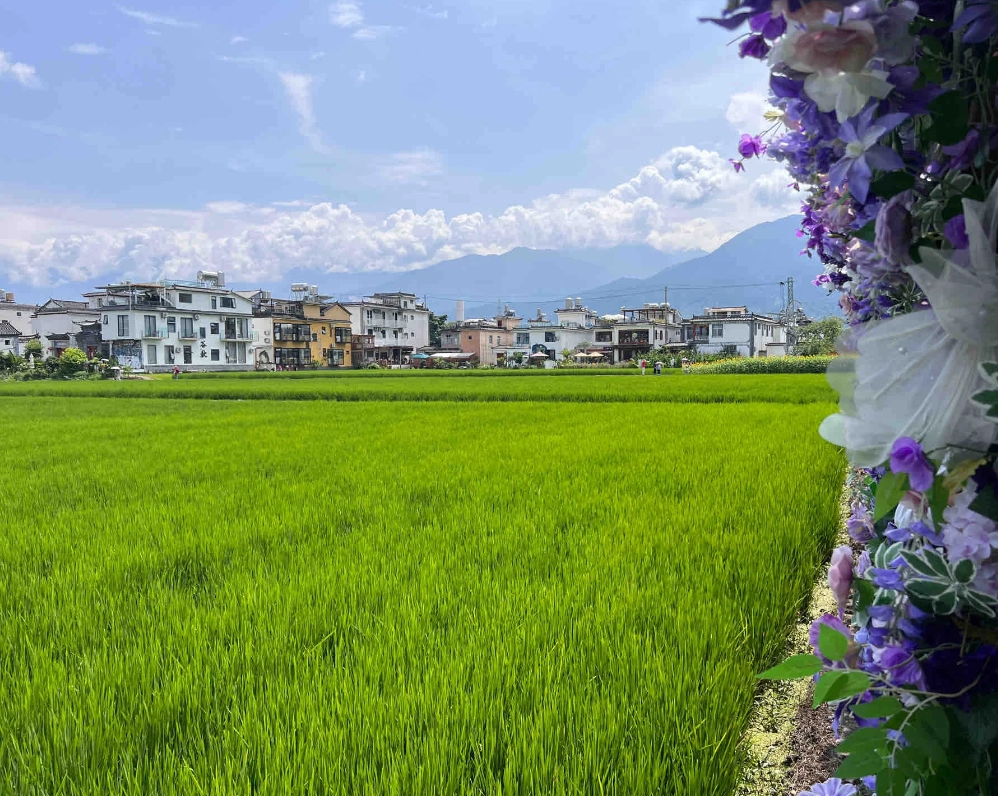 Xizhou is a place that rewards the curious traveler. It doesn't shout for your attention; it whispers. Put away your checklist, slow down, peek into courtyards, and let the rhythm of local life be your guide. That's when you'll discover its true magic.
This article has been fact-checked.





No comments yet.