 Peng Gao
My legs were aching after five hours of hiking through the stunning limestone cliffs of Jinsi Grand Canyon, but my stomach was roaring louder. Instead of heading to the obvious tourist restaurant near the parking lot, I followed a narrow dirt path that led away from the main entrance. The air shifted—from crisp mountain breeze to the unmistakable, greasy aroma of chili oil and sizzling dough. Around a bend, a cluster of low-slung buildings appeared, with plastic tables spilling onto the street and locals hunched over bowls, slurping noodles with a urgency that told me I’d found the real deal. This is where the magic happens, far from the souvenir shops.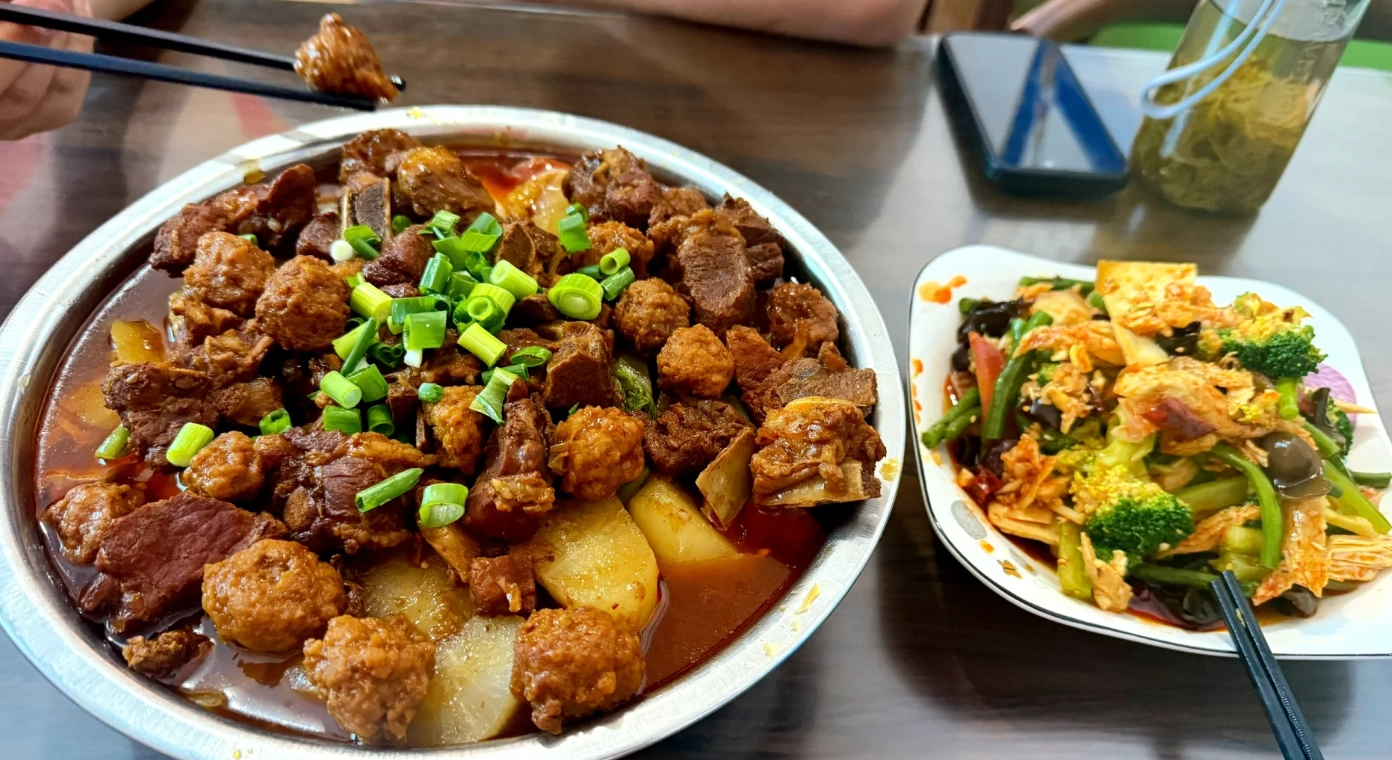
Your Food Adventure Map
Must-Try Dishes Near Jinsi Grand Canyon
Forget generic Chinese food—here in the Shaanxi foothills near Jinsi Grand Canyon, the flavors are hearty, wheat-based, and often laced with enough chili and Sichuan pepper to make your lips tingle for hours. These are dishes built for farmers and hikers, not delicate palates.
Biang Biang Noodles: The Chewy, Spicy Masterpiece
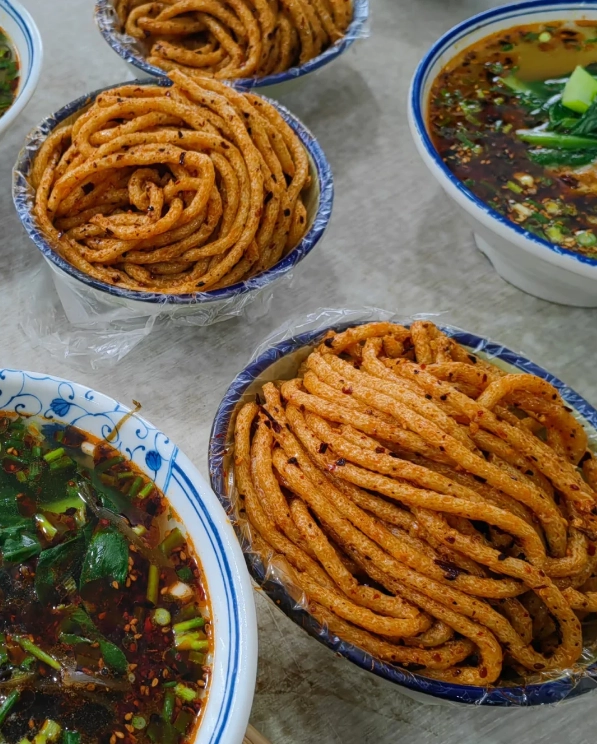
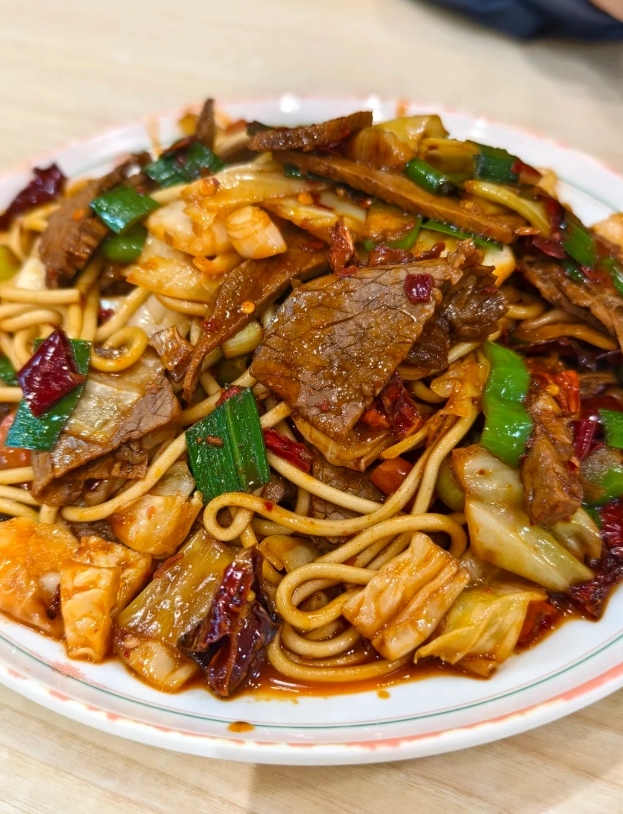
You haven’t really eaten here until you’ve tried Biang Biang noodles. The name comes from the sound of the dough being slapped against the counter—a theatrical thwack that echoes in tiny kitchens. I watched an old cook at a stall stretch a ribbon of dough until it was almost two feet long, then toss it into a boiling vat. Served in a deep bowl, it’s topped with a fiery mix of minced pork, chili flakes, garlic, and a generous pour of sizzling hot oil that crackles on contact. The first bite is all heat and numbness (that’s the Sichuan pepper), followed by a chewy, satisfying texture. It’s messy, glorious, and costs about $3-4 USD per bowl. Most places use clean, if basic, utensils; look for spots where the cook’s hands are busy, not the floor.
Roujiamo (Chinese Meat Burger): The Portable Feast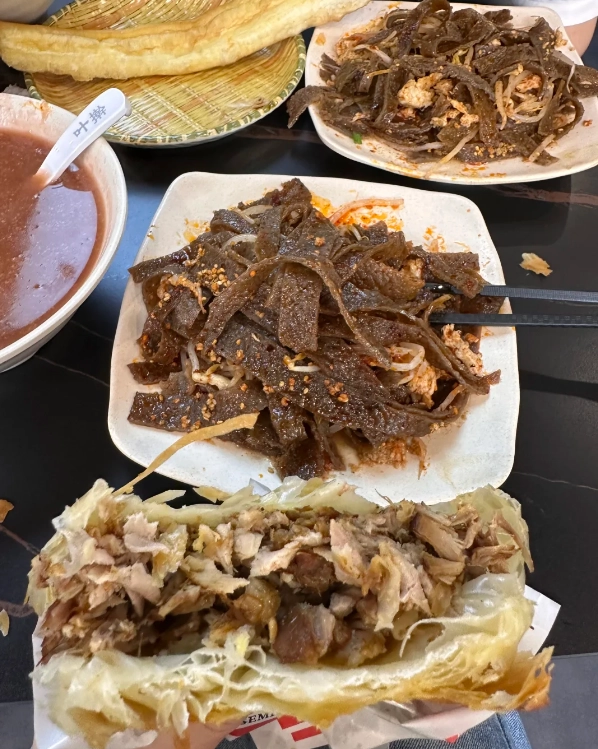
Roujiamo is your best friend for a quick, filling meal before or after a canyon trek. Imagine a flaky, baked flatbread—similar to a pita but denser—stuffed with slow-braised pork that’s been stewed for hours with star anise, cinnamon, and soy sauce. The meat is tender, slightly sweet, and savory, with gelatinous bits that melt in your mouth. I found a vendor near the canyon’s west entrance who adds a secret kick: a smear of homemade chili paste inside the bun. It’s messy to eat, with juices dripping down your fingers, but at $2-3 USD each, it’s a steal. His stall is just a cart, but he wipes it down constantly; go early, as he sells out by 2 PM.
Local Wild Vegetable Stir-fry: A Fresh Contrast
After all that heaviness, your body might crave something green. Many family-run restaurants forage wild vegetables from the canyon area, like fern shoots or bitter greens, and stir-fry them with garlic and a touch of vinegar. The flavor is earthy, slightly bitter, and refreshing—a perfect balance to the spicy noodles. I had a plate at a hole-in-the-wall called “Lao Wang’s Home Kitchen” (more on that below) that was so crisp it snapped with each bite. It’s not spicy, just clean and vibrant, priced around $4-5 USD.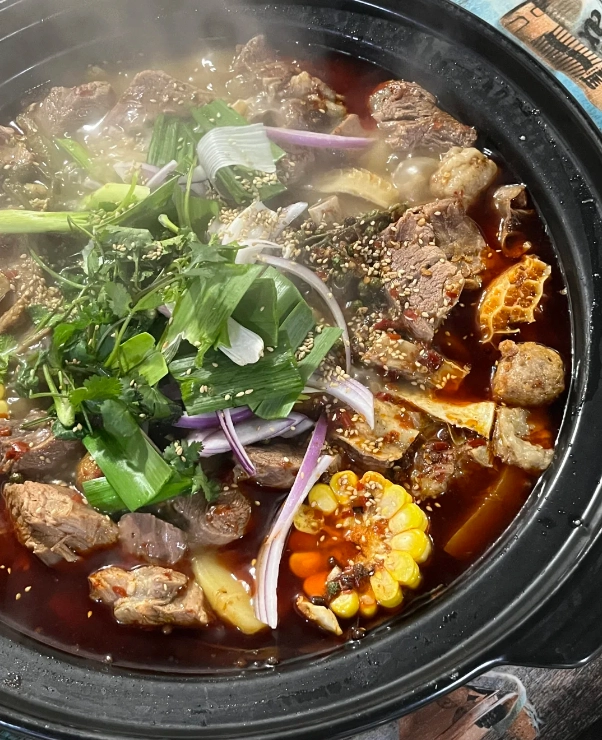
Where to Eat: Off-the-Beaten-Path Eateries
Don’t bother with the English-sign restaurants lining the main road—they’re overpriced and bland. The real gems are tucked away in the villages within a 10-minute drive of the park entrance. Here are my top picks, based on months of revisits and conversations with locals.
Insider Tip: Most of these places don’t have English menus or even signs. If you’re lost, just show a local a photo of Biang Biang noodles or Roujiamo—they’ll point you in the right direction with a smile.
| Eatery Name | Address/Landmark | Must-Try Dish | Price (USD approx.) | Hours & Notes |
|---|---|---|---|---|
| Lao Wang’s Home Kitchen | Behind the post office, Jinzi Village (5 min drive from park south gate) | Biang Biang Noodles, Wild Vegetable Stir-fry | $3-6 per dish | 10 AM – 8 PM; no English menu, cash only, often busy at noon but worth the wait. |
| Auntie Zhang’s Roujiamo Cart | Corner of Old Market Street, near the west entrance parking lot | Roujiamo with extra chili | $2-3 each | 7 AM – 2 PM daily; hygiene is basic but fine—watch her make it fresh. |
| Mountain View Noodle House | Up the hill from the visitor center, look for blue plastic chairs | Hand-pulled Noodles in Beef Broth | $4-5 per bowl | 9 AM – 7 PM; quieter spot, great for families, accepts mobile payments. |
| Spicy Pot Alley Stall | Alley opposite the canyon’s main ticket booth | Malatang (DIY spicy soup) | $5-8 depending on ingredients | 11 AM – 9 PM; crowded at dinner, ingredients are fresh but be cautious with spice levels. |
I have to be honest: I tried that “Spicy Pot Alley Stall” once and found the broth too oily for my taste, and the queue was chaotic. It’s popular with young tourists, but if you want authenticity, stick to Lao Wang’s. His Biang Biang noodles are legendary—I once saw a group of hikers from Germany finish three bowls each, sweating and laughing.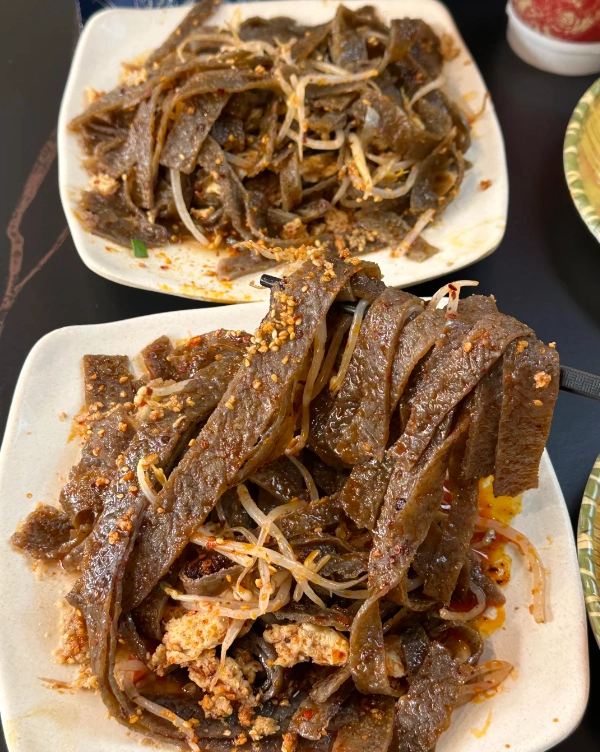
How to Order and Navigate Like a Pro
Ordering here isn’t just about pointing at pictures. It’s a subtle dance of gestures and trust. Let me walk you through a typical scene.
At Lao Wang’s, the menu is a handwritten chalkboard in Chinese. I walked in, nodded at the owner, and said “Biang Biang mian” (that’s the Mandarin name). He shouted something to the kitchen, and I sat on a wobbly stool. When he brought the noodles, I noticed the locals adding a splash of black vinegar from the bottle on the table—it cuts the richness beautifully. Do that.
Payment: Many small places still prefer cash (RMB), but mobile payments like Alipay or WeChat Pay are common now. If you don’t have them, carry small bills. At Auntie Zhang’s cart, I fumbled with coins, and she patiently helped me count—no hassle.
Spice levels: If you’re not used to heat, learn the phrase “wei la” (微辣), meaning “mildly spicy.” Otherwise, you might end up like me on my first visit: tears streaming, gulping down bottled water while the granny next to me chuckled. Most vendors will adjust if you gesture.
Practical Tips for Foodies
- Timing is everything: Eat early for lunch (around 11:30 AM) to avoid crowds, especially at popular stalls. Dinner spots fill up after 6 PM with locals.
- Hygiene: Don’t expect spotless floors—this is rural China. But look for places where food is cooked fresh in front of you, and avoid pre-made items sitting out. I’ve never gotten sick from Lao Wang’s, but I skipped a dubious-looking meat skewer once.
- Budget: You can eat like a king for under $10 USD per day. Street food is cheapest; sit-down restaurants might cost $10-15 for a full meal with drinks.
- Drinking water: Tap water isn’t safe to drink. Always buy sealed bottled water, available everywhere for about $0.30 USD. At restaurants, they’ll usually offer boiled tea for free—it’s safe.
FAQs: Answering Your Burning Questions
 What if I can’t use chopsticks?
This article has been fact-checked for accuracy based on personal visits and local consultations. Information reflects typical conditions around Jinsi Grand Canyon National Forest Park.





As a solo traveler, I was nervous about finding good food that wasn’t just tourist fare. This guide was a lifesaver! It led me to a tiny family-run stall where they make the best momos I’ve ever eaten, and the owner even taught me how to roll them. The tips on vegetarian options were super helpful. My only regret is not having this guide sooner. Fantastic work!
Hands down the best food guide I’ve used in any canyon area. The hidden spot behind the old temple was a gem—fresh, spicy, and dirt cheap. Even the vendor’s grandma came out to say hi. The writing style is fun and honest. I followed it for two days and didn’t have a single bad meal. If you love authentic eats, get this guide before you go.
This guide completely transformed my trip to Jinsi Grand Canyon! Every single recommendation was a winner. The mom-and-pop restaurant with the grilled river fish? Unreal. The mango lassi was the creamiest I’ve ever had. The author clearly knows the local food scene inside out. I felt like a local myself by the end of the day. Absolutely 10/10—don’t visit without this guide.
Solid guide overall. It pointed me to a couple of great local stalls I wouldn’t have found on my own, like the chai shop near the trailhead. The street food recommendations were spot-on. My only gripe: the map was a bit confusing for one of the spots, and I ended up walking in circles for 20 minutes. Worth it in the end, but could use clearer directions. Would still recommend it to friends.
I was really excited to try this food guide after reading about it, but a few of the 'hidden spots' turned out to be overhyped tourist traps in disguise. One place had a long wait and the noodles were pasty. The guide’s description of the atmosphere didn't match reality—it was just loud and cramped. Not terrible, but definitely not worth the hype. Maybe I caught them on a bad day.
I wasn't expecting much from a food guide for a canyon, but this thing is packed with heart. The descriptions made me feel like I was already sitting at those wooden tables, smelling chili and woodsmoke. One of the 'hidden spots' turned out to be a little garden terrace overlooking the gorge — best momos of my life. No complaints, just gratitude. If you're heading there, grab this guide and prepare to eat well.
Pretty good overview, but I found the map references confusing — some locations were marked as 'near the second bridge' but there are like three bridges in that section. Also, a couple of the restaurants I tried had already changed their hours since the guide was published. The cultural notes are interesting, and I appreciate the effort to highlight family-run spots. Worth a look, but double-check opening times before you go. Rating: 4
Bought this guide on a whim and it quickly became my bible for the three days I spent in the canyon. The author clearly knows the area — the 'hidden spots' were genuinely off the beaten path and the prices listed matched what I paid. I especially loved the tip about the tea house run by a grandma who doesn't speak English but welcomes you with the warmest smile. A must-have if you want real food, not tourist traps.
Honestly, the guide is decent but overhyped. I followed two of the 'local eats' recommendations — one was a noodle joint that had run out of half the menu by 1pm, and the other was a stall that charged tourist prices for average yak butter tea. The writing style is nice and the photos are pretty, but the practical info feels a bit outdated. Good for inspiration, not for planning your actual meals. 3/5.
This guide saved my trip! I'm a solo hiker and usually end up eating overpriced trail mix, but the 'hidden spots' section led me to a tiny family-run stall near the east rim that made the best tibetan bread I've ever had. The descriptions of each place were spot-on, even the dirt road directions. Only wish they'd included a map screenshot for offline use — still, solid 5 stars for authenticity.
Found a little market stall recommended in the guide that sells corn cakes with a spicy garlic salsa. Three pieces for under $2, and they were grilled to order—crispy outside, soft inside. The salsa had a real kick. Only downside: the seating is just a couple of plastic stools next to a drainage ditch, so it’s not for the squeamish. But for the price and flavor, totally worth it.
This guide led me to a farmhouse kitchen run by a grandmother who grows her own veggies. Hand-pulled noodles in a broth with wild mushrooms and fresh greens—simple but heavenly. She sat down and told us stories while we ate. Made me feel like I was at a relative's house. Absolute gem; I’m still dreaming about that meal.
Went to a 'hidden spot' the guide hyped up—a small family-run place near the east entrance. Honestly, the prices were higher than the tourist joints, and portions were tiny. The stir-fried greens were bland, and the so-called 'secret sauce' was just soy. The only plus was the quiet courtyard, but I wouldn't seek it out again.
The guide sent me to a restaurant with a terrace overlooking the canyon—stunning views. I ordered the braised beef noodles, which were rich and comforting. But the service was painfully slow (took 20 minutes just to get water), and they forgot our appetizer. The food itself was good enough to make up for it, but bring patience.
Followed this guide to a tiny stall tucked behind the main market—best lamb skewers I've had in years. The owner uses this smoky chili rub that clings to the meat, and the fat just melts. No sign, no English menu, but the guide’s map was spot on. I went back three times during my trip. If you only eat one thing here, make it this.